cropper
  SKIN SCIENCE REPORT
  • Home
  • Categories
    • Skin health
    • Skincare
    • News
    • Dermatology
    • Anti aging
    • Esthetician Spotlight
    • Skin Cancer and Sun Protection
    • Acne and Breakouts
    • Ingredients Explained
    • Eczema and Psoriasis
    • Hair and Scalp
    • Cosmetic Procedures
    • Pigmentation and Skin of Color
    • Kids and Teen Skin
    • Diet, Lifestyle and Skin
    • Skin Tech and Research
March 19.2025
3 Minutes Read

Unlock Clear Skin: Proven Acne Treatments and Skin Science Insights

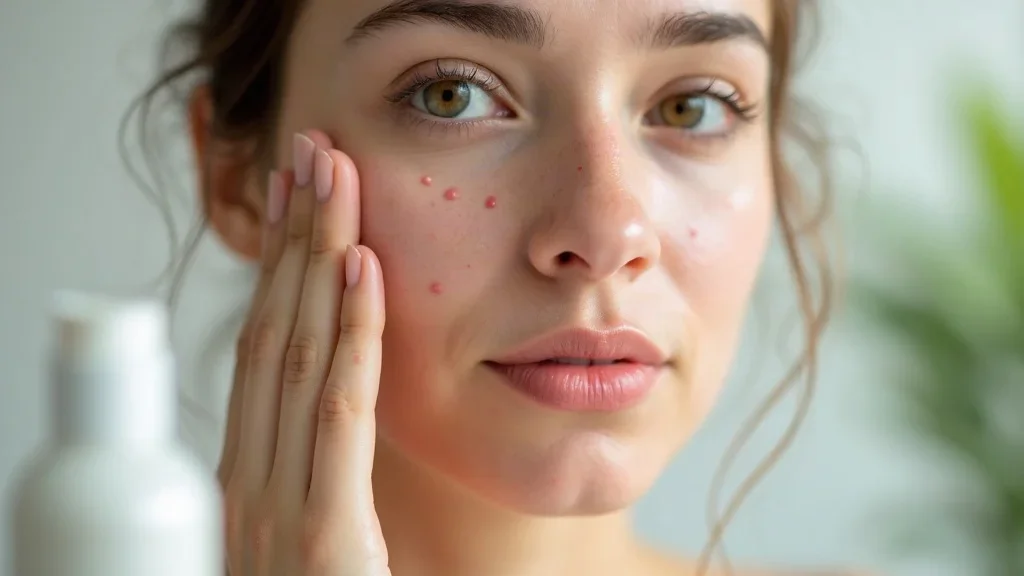
Professional man in clinic, promoting proven acne treatments.

Understanding Acne Treatments: The Science Behind Clear Skin

Acne is a common skin condition that affects millions worldwide, particularly teenagers and young adults. As dermatologists, it's crucial to understand not only the treatments available but also the skin science behind them. Acne develops when hair follicles become clogged with oil, dead skin cells, and bacteria. This leads to inflammation and the characteristic redness we see. By recognizing the underlying causes, dermatologists can tailor their treatment approaches effectively.

The Role of Topical Treatments

Topical acne treatments come in various forms, including creams, gels, and lotions. Active ingredients like benzoyl peroxide, salicylic acid, and retinoids play a pivotal role in reducing acne. Benzoyl peroxide works by killing acne-causing bacteria, while salicylic acid penetrates pores to prevent future breakouts. Retinoids, derived from vitamin A, address clogged pores and reduce inflammation. Understanding these mechanisms enables dermatologists to recommend the best course of action based on an individual patient's skin type and acne severity.

Oral Medications: An Important Consideration

In more severe cases of acne, oral medications might be the recommended path. Antibiotics, hormonal therapies, and isotretinoin are commonly used but come with their set of challenges. Antibiotics are effective in reducing inflammation but may lead to resistance if overprescribed. Hormonal treatments can regulate hormonal imbalances contributing to acne but may involve potential side effects. Isotretinoin is highly effective for stubborn cases but requires careful monitoring due to its serious side effects. Dermatologists must balance the benefits and risks of these treatments.

Innovations in Acne Treatments

The field of dermatology is continually evolving, with new treatments emerging to tackle acne. One notable advancement is the use of light therapy, which harnesses specific wavelengths to target bacteria while minimizing skin damage. Similarly, chemical peels and laser treatments provide alternatives for those looking for more intensive interventions. Embracing these innovations, dermatologists can offer patients a range of options, ensuring they receive care tailored to their needs.

Future Trends in Acne Management

Looking ahead, the conversation around acne treatment will likely shift to a more holistic perspective. With an increased focus on the gut-skin connection, researchers are exploring how diet and gut health impact acne. Incorporating probiotics or focusing on an anti-inflammatory diet could emerge as valuable recommendations for patients. As dermatologists keep abreast of these trends, we can provide insights that extend beyond traditional treatments into more comprehensive wellness approaches.

Empowering Patients Through Education

As dermatologists, our role involves not just prescribing treatments but also empowering patients through education. By informing them about the causes of acne, the functions of different treatments, and the importance of a consistent skincare routine, we equip them to take an active role in their skin health. Understanding skin science can foster patience among patients, guiding them through their acne treatment journey.

Actionable Insights for Dermatologists

Every patient is unique, and customization in treatment is essential for effectiveness. Utilize diagnostic tools to understand acne types better, which will inform treatment decisions. Keeping the lines of communication open with patients allows for adjustments based on their responses to treatment. Moreover, establishing follow-up protocols can ensure acne is monitored and managed effectively, paving the way towards clearer skin for your patients.

Dermatology Acne and Breakouts

23 Views

0 Comments

Write A Comment

*
*
Please complete the captcha to submit your comment.
Related Posts All Posts
11.06.2026

Effective Acne Treatment: Causes, Solutions, and Dermatology Insights

Many adults wake up to the frustration of finding new acne spots, even years after leaving their teenage years behind. Adult acne can feel surprising, often stubborn, and may spark new questions about what causes it and how best to treat it. This guide gives plain answers and practical steps for adults facing acne—covering what causes breakouts, when to try new approaches, and when to seek professional help for the most effective acne treatment.What you will learn about acne treatment and adult acne causesWhat triggers adult acne and how acne treatment worksKey differences between adolescent and adult acneEvidence-based acne treatment optionsWhen to see a dermatologist for acne treatmentAdult acne causes: Direct answer and overviewQuick Answer: What causes adult acne and how does acne treatment target itAdult acne is often caused by hormonal changes, genetics, lifestyle factors, and the use of pore-clogging products, making effective treatment options essential for managing breakouts. Acne treatment for adults typically targets excess oil, bacteria, inflammation, and plugged pores through creams, gels, pills, and routine changes in skin care. Effective plans often adjust for individual triggers like stress, diet, or hormone shifts.How acne develops and why it persists in adulthoodRole of hormones in adult acneHormonal fluctuations drive oil production in the skin. Many adults experience acne flares before periods, in the perimenopausal years, or with conditions such as polycystic ovary syndrome. Hormones like androgens can trigger oil glands, leading to clogged pores and visible acne even after adolescence. Acne treatments that address these shifts, like hormonal therapy, may help when topical choices do not work. Dermatologists care about hormonal patterns because treating the underlying trigger leads to clearer skin rather than just calming symptoms.Hormonal adult acne often shows up on the lower face and jawline. These breakouts sometimes resist typical treatments, so healthcare providers might suggest oral contraceptives or anti-androgen medications as a treatment option. Tracking cycles or other hormonal shifts helps tailor acne care advice, especially in persistent cases.The influence of genetics on acne treatment effectivenessSome people are more likely to have persistent acne because of family history. Research shows that people with parents or siblings who struggled with acne are more prone to ongoing breakouts as adults, whether on the face, chest, or acne on the back. Genetics may affect how skin responds to certain acne treatment options, how fast it heals, and the likelihood of developing deep, painful spots. This means that matching treatment to the type of acne and a patient’s unique skin condition matters for long-term success.Even with the best skin care advice, people of all ages can face stubborn acne due in part to hereditary factors. Dermatologists recommend starting acne treatment early when acne persists, especially for those who have relatives with the same issues. Testing different routines and staying patient helps to find a combination that clears skin without worsening irritation.Impact of stress, lifestyle, and environment on adult acne and acne treatmentStress can trigger or worsen acne breakouts for adults. When the body feels stressed, it produces cortisol and other hormones that stimulate oil glands. Long work hours, disrupted sleep, or emotional strain create a cycle where skin condition flares up, requiring more focused treatment option choices. Environments with urban pollution, high humidity, or frequent travel can shift skin chemistry, sometimes blocking pores or aggravating acne on the back and face.Lifestyle habits also matter. Poor diet, lack of exercise, and irregular cleaning routines contribute to persistent acne. A skin care plan that considers these stressors helps prevent misunderstanding and sets more realistic expectations for treatment. Adjusting habits goes hand in hand with creams, cleansers, and doctor-prescribed medications to produce clearer skin that lasts.For those interested in a deeper dive into how daily routines and product choices impact breakouts, the Skin Science Report offers a comprehensive look at evidence-based skincare strategies for acne-prone adults. This resource explores practical adjustments and the science behind effective routines.How skincare habits and products contribute to adult acneUsing products that clog pores—called comedogenic products—is a common cause of adult breakouts. Heavy makeup, thick sunscreens, and some moisturizers can trap oils and bacteria on the skin. Washing too often or with harsh soaps strips the skin of natural oils, leading to a rebound effect where the body produces even more oil. Establishing gentle, regular cleaning routines helps manage adult acne while avoiding irritation or over-drying.Reading product labels and choosing items labeled “non-comedogenic” or designed for sensitive skin reduces the risk of breakouts. Changing only one product at a time allows adults to see if a new addition to skin care is responsible for worsening or improving acne, especially for those with a history of visible acne or specific triggers. Following dermatologist-recommended routines gives patients a clearer path to results.The most effective acne treatment options for adultsTopical and systemic acne treatment option for persistent adult acneAdults with persistent acne may need more than a basic wash-and-moisturize routine, often requiring a tailored treatment option to effectively clear their skin. Topical options like benzoyl peroxide, salicylic acid, and retinoids can reduce surface bacteria, unplug pores, and speed skin cell turnover. These medicines work for mild to moderate acne and are easy to add to most skin care routines. For deeper or widespread acne, systemic treatments like oral antibiotics or isotretinoin may be prescribed by dermatologists. These options target the root causes inside the body and are monitored for side effects to match patient needs.A treatment option is chosen based on the type of acne and history of previous therapies. Treating acne early when acne first appears prevents scarring and lasting skin changes. Dermatologists care for people of all ages, often recommending a mix of topical and oral medicine combined with simple, non-irritating cleansers for best results. The aim is clearer skin with the least disruption to daily life.Role of retinoids, antibiotics, and hormonal therapy in acne treatmentRetinoids are vitamin A derivatives that unclog pores and help the skin renew faster. Available in creams and gels or as an oral medicine, retinoids are one of the most effective options for stubborn adult acne. Antibiotics—used topically or by mouth—target inflammation and bacteria in moderate to severe flares. However, they should not be the only long-term choice due to resistance risks.Hormonal therapy is a key treatment option for people whose breakouts track with menstrual cycles or hormone shifts, addressing underlying causes of adult acne. These options include birth control pills or anti-androgen medications. The right choice depends on the skin condition, age, and whether there are other related symptoms. Dermatologists recommend personalizing this step to balance results and side effects, supporting clearer skin and less risk of problems like skin cancer from long-term inflammation.Emerging therapies and advanced acne treatment optionRecent advances are giving patients with atopic or difficult-to-treat acne more choices. Light and laser devices, including blue and red light therapies, may reduce bacteria and inflammation for people who have not responded to creams or pills. Chemical peels, microneedling, and procedures offered in skin clinics also help reduce deep or stubborn cysts and scars.Some clinics now offer treatments that target hormone pathways or use evolving technology. These choices often need repeated sessions and careful aftercare but may work when first-line therapies fail. The best results come from pairing such treatments with solid daily routines and regular dermatologist follow-up for patients seeking clear acne or to make skin changes less visible.Potential side effects and considerations for each acne treatment optionEvery acne treatment option carries possible side effects that patients should understand, including considerations related to skin cancer risk and overall skin health. Topical medicines may cause redness, dryness, or mild irritation for new users. Oral antibiotics can upset stomachs or create resistance if used too long. Retinoids are powerful but can make skin sensitive to sunlight and increase dryness. Hormonal therapies require monitoring for shifts in mood, weight, or menstrual cycles, especially in long-term use.Professional skin care advice helps patients weigh the risks and benefits for their age, skin type, and health history. To prevent misunderstanding and bullying associated with visible acne, dermatologists explain side effects before starting each treatment so patients feel informed and in control of their care plan.“The most effective acne treatment option depends on your skin history and triggers. Dermatologists recommend addressing acne early, choosing evidence-based products, and always asking about possible side effects. Custom care gives patients the best chance for clearer skin and lasting results. ” — Board-certified dermatologistLifestyle changes for better acne treatment resultsDiet, exercise, and their impact on adult acneEating lots of processed sugar, dairy, or high-glycemic foods may increase breakouts for some adults, though not everyone is sensitive to diet. Replacing sugary snacks with fruits, vegetables, and whole grains helps support stable hormone levels and less oily skin. Regular exercise boosts circulation, reduces stress, and contributes to overall skin health. These habits do not replace acne medications but can help most treatment options work better and faster.Hydration also supports skin healing and prevents dryness from medications. Keeping a simple food diary can reveal hidden connections between diet and flares so patients make informed choices about how they care for their skin each day.Habit changes to support acne treatmentTouching the face, picking at spots, or skipping routine cleaning allows bacteria to spread and slows healing. Replacing old makeup sponges or brushes prevents buildup of oils and germs. Those who sweat during exercise or work in dirty environments benefit from gentle cleansing soon afterward. A few key habit changes can help every type of acne heal faster and reduce the risk of scarring.Following consistent, gentle morning and evening routines tailored for individual skin needs is often the simplest but most overlooked advice. Learning which small changes matter most comes from careful skin care advice and steady self-observation.Cleaning routines and choosing non-comedogenic productsCleansing twice daily with mild, fragrance-free products prevents the buildup of oil and dirt. Over-scrubbing or washing with hot water can strip away protective oils, making the skin produce more oil in response. Non-comedogenic cleansers, moisturizers, and sunscreens avoid clogging pores, supporting healing and better results for adult acne treatment.People with sensitive skin or those using prescription acne medications should avoid alcohol-based products or harsh scrubs. Choosing care routines with basic, proven ingredients helps prevent misunderstanding and overloading the skin with too many actives at once.Managing stress for improved acne treatment outcomeChronic stress increases the release of hormones that stimulate oil production and worsen skin condition, leading to more frequent breakouts. Mindfulness strategies, restorative sleep, and regular physical activity all contribute to lower stress. These lifestyle changes complement prescription treatments and are especially important for people whose acne flares up in tough life periods.Seeking support and finding stress-reducing activities—such as yoga, breathing exercises, or walks in nature—empowers adults to regain some control over their breakouts. Dermatologists care about helping patients integrate these steps into their skin care plan for the best results.Skin cancer risk and acne treatment: What to watch forDoes acne treatment increase skin cancer riskMost acne treatments do not directly cause skin cancer, but patients should be aware of skin cancer risks associated with certain medications. However, certain acne treatment options, such as oral retinoids, can increase skin’s sensitivity to sunlight, which may raise the risk of skin cancer and sun damage. Careful use of these acne treatment options, along with routine skin checks and sun protection, are recommended by dermatologists to minimize skin cancer risk during long-term therapy.Patients with a history of skin cancer or extensive sun exposure should mention this when discussing options, so their care plan can emphasize products and habits that minimize risk.Sun protection tips during acne treatmentAvoiding midday sun and using broad-spectrum sunscreen with SPF 30 or higher are standard skin care advice for anyone undergoing acne treatment options to reduce skin cancer risk. Non-comedogenic sunscreens prevent clogged pores and support safe acne treatment options while protecting against skin cancer. Wearing hats and long sleeves provides extra protection, particularly for people on retinoids, antibiotics, or photosensitizing medications. Reapplying sunscreen every two hours and after sweating or swimming ensures continued effect.Sun protection helps not just to prevent skin cancer but to avoid darkening of acne marks (post-inflammatory hyperpigmentation), which is common in adults with darker skin types. Dermatologists recommend gentle, consistent use of sun-safe habits throughout any acne treatment plan.Comparing acne treatment effects on skin healthDifferent acne treatment options affect the skin in specific ways. Some speed up skin cell turnover, others reduce bacteria, and some focus on calming hormone fluctuations. Tracking side effects like dryness, redness, or irritation helps tailor the plan to match each person’s needs. Monitoring the health of the skin during treatment—checking for new moles or changes—should become a habit for anyone using ongoing medications.A balance between effective acne control and maintaining long-term skin health leads to the best outcomes. This comparison helps choose effective options while preventing problems linked to overtreatment, like increased skin cancer risk or lasting irritation.Comparison of common adult acne treatment optionsTreatment TypeHow It WorksMain BenefitsPossible Side EffectsBest ForTopical RetinoidsUnclog pores, speed up skin cell turnoverReduces blackheads, whiteheads, improves textureRedness, peeling, sun sensitivityMild to moderate adult acneOral AntibioticsReduce bacteria, tame inflammationCalms inflamed nodulesStomach upset, resistance with long-term useModerate to severe adult acneHormonal TherapyBalance hormones, lessen oil productionImproves cyclical jawline acneChanges in cycle, mood, or weightHormone-driven adult acneLight/Laser TherapyKill bacteria, reduce oil glandsAlternative for resistant casesTemporary redness, expenseStubborn or deep adult acneChemical PeelsExfoliate top layers, boost renewalSmooth skin, fade spotsPeeling, sensitivity afterScarring or uneven textureWhen to see a dermatologist about adult acneWarning signs that require professional acne treatment optionAdults should see a dermatologist if acne remains visible or worsens after several weeks of over-the-counter products. Red, painful nodules, cystic lesions, or signs of infection—such as swelling, heat, or pus—often need prescription intervention. Scarring, pigmentation changes, or emotional distress linked to breakouts are clear reasons to seek professional help. Early treatment reduces the risk of permanent marks and helps people of all ages feel better about their skin condition.Patients with widespread body acne or those whose acne flares with new medications or during pregnancy also deserve tailored care. Early expert help prevents misunderstanding and helps choose options that bring genuine improvement.Special considerations for acne treatment in different skin types and agesPeople with darker skin tones risk more post-acne marks, so gentle treatment and strict sun protection are important. Sensitive skin or aging skin may not tolerate strong acids or retinoids. Patients in their forties and beyond can develop new acne as hormones shift, often needing a different plan than teens. Dermatologists care for all ages, helping match each person with products and regimens that work for unique needs, from teens who feel self-conscious to people managing changes later in life.Adjusting to specific triggers and skin responses ensures safer, more effective care and supports faster healing for every type of acne.Watch our animated explainer for a simple look at how different acne treatment options work and discover when to seek professional help. The video transitions between real-life routines and visualized skin layers. It uses gentle voice-over and clear visuals to support adults of all backgrounds in finding their best path to clearer skin.Frequently asked questions about acne treatment and adult acne causesHow to clear acneClearing acne usually requires a steady routine with gentle cleansers, topical treatments or prescribed medication. Using products labeled “non-comedogenic” and following skin care advice from a dermatologist can clear acne or make the skin less prone to new outbreaks. Eating a balanced diet and managing stress help support medical acne treatment for clearer skin over time.Does cystic acne go awayCystic acne can heal with the right treatment, though it may leave scars if picked or left untreated. Dermatologists often recommend oral medicines, sometimes paired with topical treatments, for this deep type of acne. Patience and regular follow-ups are important, since healing a deep cyst often takes several weeks or months.What is the best acne cream for the faceThe best acne cream or treatment option depends on the cause and type of acne, ensuring targeted and effective care. Common options include retinoids, benzoyl peroxide, and salicylic acid creams or gels, all of which can help treat your acne by keeping pores clear and reducing inflammation. Dermatologists care for people of all ages and recommend choosing products that match skin sensitivity, whether oily, dry, or combination.What is hormonal acne and what are its symptomsHormonal acne appears when shifts in hormones cause oil glands to overproduce sebum, blocking pores and leading to breakouts. Common symptoms are deep, painful pimples on the lower cheeks, chin, or jawline, often related to the menstrual cycle or stressful periods. Treatments for hormonal acne may include oral contraceptives, anti-androgen drugs, or specialized topical medicines.Key facts and takeaways about acne treatmentMain causes and triggers of adult acne include hormones, genetics, lifestyle, and some skin care products.Effective acne treatment approaches vary by cause and skin type, combining over-the-counter and prescription options for best results.Professional guidance may be required for persistent or severe cases, especially if scarring or emotional distress occurs.Sources and further reading on acne treatment and adult acne causesAmerican Academy of Dermatology. Adult Acne: Understanding Causes and Treatment. aad.orgMayo Clinic. Acne: Symptoms, Diagnosis, and Treatment. mayoclinic.orgNational Institute of Arthritis and Musculoskeletal and Skin Diseases. Acne. niams.nih.govTalk with a dermatologist if acne is affecting your life. Early, evidence-based treatment gives the best chance for lasting, clearer skin.If you’re ready to expand your understanding of skin health beyond acne, the Skin Science Report provides in-depth articles on a wide range of dermatological topics. Explore their expert insights to discover advanced strategies for maintaining healthy, resilient skin at every stage of life, and empower yourself with the latest research and practical advice for your unique skincare journey.

04.03.2025

Discover How Female Hormones Trigger Opioid Production For Effective Pain Management

Unlocking the Mystery: Female Hormones and Pain ManagementFor many parents who juggle the demands of family life and strive to keep their children healthy and happy, understanding how biology impacts everyday experiences is crucial. A recent study has shed light on the fascinating relationship between female hormones and the body's natural pain relief systems. This research highlights how hormonal fluctuations can lead to increased opioid production, offering insights that may not only enhance our understanding of pain relief but also open doors to new pain management strategies for women.The Role of Hormones in Pain SuppressionIn the study, researchers discovered that hormones like estrogen and progesterone can trigger the production of endogenous opioids, which are the body’s natural painkillers. This process occurs primarily in specific areas of the brain associated with pain perception. Hormonal changes, such as those experienced during the menstrual cycle, can lead to varying levels of these natural opioids.This discovery resonates with many women who report experiencing different pain thresholds at various times of the month. Understanding this hormonal influence on pain perception reinforces the importance of tailored medical approaches that consider gender-specific biological differences.Linking Hormones to Emotional Well-BeingBeyond just physical pain suppression, the interplay between hormones and pain relief also speaks volumes about emotional health. Many parents find themselves managing not only their physical pain but also the stress of everyday life, particularly during intense emotional periods like premenstrual syndrome (PMS) or postpartum recovery. Recognizing that female hormones can modulate pain sensitivity helps in appreciating the holistic nature of women's health.Integrating Nutrition for Better ResultsWith insights from this study, it becomes increasingly clear that nutrition plays a critical role in managing pain and enhancing the effects of hormones. Parents seeking effective ways to support their bodies, especially for women experiencing different pain levels related to hormonal changes, might consider incorporating collagen-rich foods into their diets. Foods such as bone broth, leafy greens, and berries not only promote healthier skin but also support joint health, potentially improving pain management outcomes.Boosting Natural Pain Relief: The Power of DietDietary strategies can significantly affect how our bodies respond to pain. Including healthy smoothies that are rich in antioxidants and collagen can promote overall skin health and reduce inflammation. For those wondering about the connection, collagen, known for skin elasticity and joint support, can enhance the body’s ability to manage pain naturally.Incorporating foods that bolster collagen production—like citrus fruits, nuts, and fish—may not only contribute to healthier skin but also assist in pain relief by providing the building blocks necessary for strong body structures.Future Directions: Customizing Pain ManagementThe findings of this study invite parents and caregivers to intrigue with innovative pain management strategies. As understanding deepens regarding the influence of hormones on pain and emotional well-being, customized approaches can emerge, integrating hormonal health, nutrition, and exercise. Health professionals can begin to tailor solutions not only to the needs of women but recognize that pain relief is deeply interconnected with their overall well-being.Stakeholders in women’s health should advocate for continuous exploration into these connections, fostering discussions that include questions to ask dermatologists, nutritionists, and healthcare providers regarding optimal care practices.Call to Action: Embracing Holistic Health StrategiesAs we navigate the complexities of health, particularly in the context of female well-being, understanding hormonal influences on pain management is paramount. Parents are encouraged to adopt holistic health strategies that combine diet, regular medical consultations, and lifestyle adjustments to better manage pain and overall health. Here’s to transcending pain and looking into how our dietary choices and hormonal health interplay for a pain-free life!

04.01.2025

New Genetic Discovery Changes Game for Parents of PHTS Patients

Update Understanding PHTS: A Genetic Puzzle Unraveled Recently, researchers have made a significant breakthrough in understanding vascular malformations linked to PHTS (PTEN Hamartoma Tumor Syndrome). This rare genetic condition often leads to multiple tumors and various other health challenges, particularly affecting the skin and vascular systems. For parents navigating these complexities, this discovery is vital, as it opens doors for better management and treatment approaches. What You Need to Know About PHTS PHTS is characterized by genetic mutations that hinder the normal functioning of the PTEN gene, which is crucial for regulating cell growth. Children affected by this syndrome can experience numerous health issues, including vascular malformations. Understanding these nuances not only empowers parents but also aids in effective early detection and intervention—crucial for the child’s overall health. The Role of Genetics in Vascular Malformations This latest research has uncovered that specific genetic mutations underpin the vascular issues seen in PHTS. The link between these mutations and the resulting malformations highlights the need for parents to be vigilant and advocate for their children's health. Genetic counseling and regular check-ups can be invaluable tools in recognizing potential complications early. Navigating Treatment Options With the increased understanding of PHTS-related malformations, treatment avenues are becoming more defined. For parents, this knowledge brings hope—by offering potential options ranging from surgery to the use of targeted therapies. It's essential to collaborate closely with healthcare providers to determine the best course of action tailored to your child's unique situation. Future Insights: What Lies Ahead for PHTS Patients? Researchers are optimistic that the new findings will pave the way for novel therapeutic solutions. Anticipated advancements include personalized medicine approaches designed specifically for PHTS patients, which could improve quality of life significantly. Remaining informed about developments in this field ensures parents can make educated decisions regarding their children's healthcare. Emotional Impact: The Parent Perspective For parents, managing a child with PHTS can be daunting. Emotions range from fear of the unknown to hopeful optimism with each new finding. Connecting with support groups and healthcare professionals is crucial in navigating these emotional waters, providing solace and shared experiences that offer perspective and strength. Healthy Living: Supporting your Child’s Skin Health In parallel to understanding PHTS, parents should focus on overall skin health for their children. A diet rich in collagen-rich foods for skin, combined with healthy smoothies for glowing skin, can significantly improve skin quality. This includes incorporating foods that support collagen absorption, which is essential for maintaining healthy skin and potentially mitigating some symptoms associated with vascular malformations. Consulting with a dermatologist helps clarify which steps to take for enhancing your child's skin health. FAQs: Common Questions on PHTS and Skin Health Parents often have questions regarding PHTS and its implications for skin health. Here are a few common inquiries: Can collagen be absorbed through the skin? While topical treatments exist, dietary sources of collagen offer a more effective means to enhance overall skin health. What are some questions to ask a dermatologist about my child’s skin issues related to PHTS? It's crucial to inquire about individualized care options and skin condition management tailored specifically for PHTS patients. Taking Action Parents have a pivotal role to play in managing their child's health, especially in relation to PHTS. By staying informed about genetic discoveries and engaging with medical professionals, you’re not just advocating for your child, but you’re also contributing to broader understanding of this complex syndrome. Seek support networks and share experiences to bolster resilience and hope in this journey. As new insights emerge, consider exploring healthy lifestyle choices for your child to enhance their skin health and overall well-being. This proactive approach can make a significant difference in their quality of life.

Skin Science News

Because skin health is a cornerstone of overall well-being, it is a major factor in influencing physical appearance, immunity, and quality of life across all age groups. As the body’s largest organ and first line of defense, the skin protects against environmental stressors like UV radiation and pollution while also reflecting internal health factors such as nutrition and stress levels.

COMPANY

  • Privacy Policy
  • Terms of Use
  • Advertise
  • Contact Us
  • Menu 5
  • Menu 6

info@skinsciencereport.com

5850 Macklind, St. Louis, MO

© 2026 Rising Review LLC All Rights Reserved. 5850 Macklind Avenue, St. Louis, MO 63109 . Contact Us . Terms of Service . Privacy Policy

eyJjb21wYW55IjoiUmlzaW5nIFJldmlldyBMTEMiLCJhZGRyZXNzIjoiNTg1MCBNYWNrbGluZCBBdmVudWUiLCJjaXR5IjoiU3QuIExvdWlzIiwic3RhdGUiOiJNTyIsInppcCI6IjYzMTA5IiwiZW1haWwiOiJidXNpbmVzc0ByaXNpbmdyZXZpZXcuY29tIiwidG9zIjoiUEhBK1BITjBjbTl1Wno0OFpXMCtWMmhsYmlCNWIzVWdjMmxuYmkxcGJpQjNhWFJvSUhWekxDQjViM1VnWVhKbElHZHBkbWx1WnladVluTndPeUI1YjNWeUlIQmxjbTFwYzNOcGIyNGdZVzVrSUdOdmJuTmxiblFnZEc4Z2MyVnVaQ0I1YjNVZ1pXMWhhV3dnWVc1a0wyOXlJRk5OVXlCMFpYaDBJRzFsYzNOaFoyVnpMaUJDZVNCamFHVmphMmx1WnlCMGFHVWdWR1Z5YlhNZ1lXNWtJRU52Ym1ScGRHbHZibk1nWW05NElHRnVaQ0JpZVNCemFXZHVhVzVuSUdsdUlIbHZkU0JoZFhSdmJXRjBhV05oYkd4NUlHTnZibVpwY20wZ2RHaGhkQ0I1YjNVZ1lXTmpaWEIwSUdGc2JDQjBaWEp0Y3lCcGJpQjBhR2x6SUdGbmNtVmxiV1Z1ZEM0OEwyVnRQand2YzNSeWIyNW5Qand2Y0Q0S0NqeHdQanhoSUdoeVpXWTlJbWgwZEhBNkx5OTNkM2N1WjI5dloyeGxMbU52YlNJK2FIUjBjRG92TDNkM2R5NW5iMjluYkdVdVkyOXRQQzloUGp3dmNENEtDanh3UGladVluTndPend2Y0Q0S0NqeHdQanh6ZEhKdmJtYytVMFZTVmtsRFJUd3ZjM1J5YjI1blBqd3ZjRDRLQ2p4d1BsZGxJSEJ5YjNacFpHVWdZU0J6WlhKMmFXTmxJSFJvWVhRZ1kzVnljbVZ1ZEd4NUlHRnNiRzkzY3lCNWIzVWdkRzhnY21WalpXbDJaU0J5WlhGMVpYTjBjeUJtYjNJZ1ptVmxaR0poWTJzc0lHTnZiWEJoYm5rZ2FXNW1iM0p0WVhScGIyNHNJSEJ5YjIxdmRHbHZibUZzSUdsdVptOXliV0YwYVc5dUxDQmpiMjF3WVc1NUlHRnNaWEowY3l3Z1kyOTFjRzl1Y3l3Z1pHbHpZMjkxYm5SeklHRnVaQ0J2ZEdobGNpQnViM1JwWm1sallYUnBiMjV6SUhSdklIbHZkWElnWlcxaGFXd2dZV1JrY21WemN5QmhibVF2YjNJZ1kyVnNiSFZzWVhJZ2NHaHZibVVnYjNJZ1pHVjJhV05sTGlCWmIzVWdkVzVrWlhKemRHRnVaQ0JoYm1RZ1lXZHlaV1VnZEdoaGRDQjBhR1VnVTJWeWRtbGpaU0JwY3lCd2NtOTJhV1JsWkNBbWNYVnZkRHRCVXkxSlV5WnhkVzkwT3lCaGJtUWdkR2hoZENCM1pTQmhjM04xYldVZ2JtOGdjbVZ6Y0c5dWMybGlhV3hwZEhrZ1ptOXlJSFJvWlNCMGFXMWxiR2x1WlhOekxDQmtaV3hsZEdsdmJpd2diV2x6TFdSbGJHbDJaWEo1SUc5eUlHWmhhV3gxY21VZ2RHOGdjM1J2Y21VZ1lXNTVJSFZ6WlhJZ1kyOXRiWFZ1YVdOaGRHbHZibk1nYjNJZ2NHVnljMjl1WVd4cGVtRjBhVzl1SUhObGRIUnBibWR6TGp3dmNENEtDanh3UGxsdmRTQmhjbVVnY21WemNHOXVjMmxpYkdVZ1ptOXlJRzlpZEdGcGJtbHVaeUJoWTJObGMzTWdkRzhnZEdobElGTmxjblpwWTJVZ1lXNWtJSFJvWVhRZ1lXTmpaWE56SUcxaGVTQnBiblp2YkhabElIUm9hWEprSUhCaGNuUjVJR1psWlhNZ0tITjFZMmdnWVhNZ1UwMVRJSFJsZUhRZ2JXVnpjMkZuWlhNc0lFbHVkR1Z5Ym1WMElITmxjblpwWTJVZ2NISnZkbWxrWlhJZ2IzSWdZMlZzYkhWc1lYSWdZV2x5ZEdsdFpTQmphR0Z5WjJWektTNGdXVzkxSUdGeVpTQnlaWE53YjI1emFXSnNaU0JtYjNJZ2RHaHZjMlVnWm1WbGN5d2dhVzVqYkhWa2FXNW5JSFJvYjNObElHWmxaWE1nWVhOemIyTnBZWFJsWkNCM2FYUm9JSFJvWlNCa2FYTndiR0Y1SUc5eUlHUmxiR2wyWlhKNUlHOW1JR1ZoWTJnZ1UwMVRJSFJsZUhRZ2JXVnpjMkZuWlNCelpXNTBJSFJ2SUhsdmRTQmllU0IxY3k0Z1NXNGdZV1JrYVhScGIyNHNJSGx2ZFNCdGRYTjBJSEJ5YjNacFpHVWdZVzVrSUdGeVpTQnlaWE53YjI1emFXSnNaU0JtYjNJZ1lXeHNJR1Z4ZFdsd2JXVnVkQ0J1WldObGMzTmhjbmtnZEc4Z1lXTmpaWE56SUhSb1pTQlRaWEoyYVdObElHRnVaQ0J5WldObGFYWmxJSFJvWlNCVFRWTWdkR1Y0ZENCdFpYTnpZV2RsY3k0Z1YyVWdaRzhnYm05MElHTm9ZWEpuWlNCaGJua2dabVZsY3lCbWIzSWdaR1ZzYVhabGNua2diMllnWlcxaGFXd2diM0lnVTAxVExpQlVhR2x6SUdseklHRWdabkpsWlNCelpYSjJhV05sSUhCeWIzWnBaR1ZrSUdKNUlIVnpMaUJJYjNkbGRtVnlMQ0J3YkdWaGMyVWdZMmhsWTJzZ2QybDBhQ0I1YjNWeUlHbHVkR1Z5Ym1WMElITmxjblpwWTJVZ2NISnZkbWxrWlhJZ1lXNWtJR05sYkd4MWJHRnlJR05oY25KcFpYSWdabTl5SUdGdWVTQmphR0Z5WjJWeklIUm9ZWFFnYldGNUlHbHVZM1Z5SUdGeklHRWdjbVZ6ZFd4MElHWnliMjBnY21WalpXbDJhVzVuSUdWdFlXbHNJR0Z1WkNCVFRWTWdkR1Y0ZENCdFpYTnpZV2RsY3lCMGFHRjBJSGRsSUdSbGJHbDJaWElnZFhCdmJpQjViM1Z5SUc5d2RDMXBiaUJoYm1RZ2NtVm5hWE4wY21GMGFXOXVJSGRwZEdnZ2IzVnlJR1Z0WVdsc0lHRnVaQ0JUVFZNZ2MyVnlkbWxqWlhNdUlGbHZkU0JqWVc0Z1kyRnVZMlZzSUdGMElHRnVlU0IwYVcxbExpQktkWE4wSUhSbGVIUWdKbkYxYjNRN1UxUlBVQ1p4ZFc5ME95QjBieUE4YUdsbmFHeHBaMmgwSUdOc1lYTnpQU0pqYjIxd1lXNTVVR2h2Ym1WVmNHUmhkR1VpUGpNeE5DMDJNall0TURnNE56d3ZhR2xuYUd4cFoyaDBQaTRnUVdaMFpYSWdlVzkxSUhObGJtUWdkR2hsSUZOTlV5QnRaWE56WVdkbElDWnhkVzkwTzFOVVQxQW1jWFZ2ZERzZ2RHOGdkWE1zSUhkbElIZHBiR3dnYzJWdVpDQjViM1VnWVc0Z1UwMVRJRzFsYzNOaFoyVWdkRzhnWTI5dVptbHliU0IwYUdGMElIbHZkU0JvWVhabElHSmxaVzRnZFc1emRXSnpZM0pwWW1Wa0xpQkJablJsY2lCMGFHbHpMQ0I1YjNVZ2QybHNiQ0J1YnlCc2IyNW5aWElnY21WalpXbDJaU0JUVFZNZ2JXVnpjMkZuWlhNZ1puSnZiU0IxY3k0OEwzQStDZ284Y0Q0OGMzUnliMjVuUGxsUFZWSWdVa1ZIU1ZOVVVrRlVTVTlPSUU5Q1RFbEhRVlJKVDA1VFBDOXpkSEp2Ym1jK1BDOXdQZ29LUEhBK1NXNGdZMjl1YzJsa1pYSmhkR2x2YmlCdlppQjViM1Z5SUhWelpTQnZaaUIwYUdVZ1UyVnlkbWxqWlN3Z2VXOTFJR0ZuY21WbElIUnZPand2Y0Q0S0NqeHZiRDRLQ1R4c2FUNXdjbTkyYVdSbElIUnlkV1VzSUdGalkzVnlZWFJsTENCamRYSnlaVzUwSUdGdVpDQmpiMjF3YkdWMFpTQnBibVp2Y20xaGRHbHZiaUJoWW05MWRDQjViM1Z5YzJWc1ppQmhjeUJ3Y205dGNIUmxaQ0JpZVNCMGFHVWdVMlZ5ZG1salpTWWpNems3Y3lCeVpXZHBjM1J5WVhScGIyNGdabTl5YlNBb2MzVmphQ0JwYm1admNtMWhkR2x2YmlCaVpXbHVaeUIwYUdVZ0puRjFiM1E3VW1WbmFYTjBjbUYwYVc5dUlFUmhkR0VtY1hWdmREc3BJR0Z1WkR3dmJHaytDZ2s4YkdrK2JXRnBiblJoYVc0Z1lXNWtJSEJ5YjIxd2RHeDVJSFZ3WkdGMFpTQjBhR1VnVW1WbmFYTjBjbUYwYVc5dUlFUmhkR0VnZEc4Z2EyVmxjQ0JwZENCMGNuVmxMQ0JoWTJOMWNtRjBaU3dnWTNWeWNtVnVkQ0JoYm1RZ1kyOXRjR3hsZEdVdUlFbG1JSGx2ZFNCd2NtOTJhV1JsSUdGdWVTQnBibVp2Y20xaGRHbHZiaUIwYUdGMElHbHpJSFZ1ZEhKMVpTd2dhVzVoWTJOMWNtRjBaU3dnYm05MElHTjFjbkpsYm5RZ2IzSWdhVzVqYjIxd2JHVjBaU3dnYjNJZ2QyVWdhR0YyWlNCeVpXRnpiMjVoWW14bElHZHliM1Z1WkhNZ2RHOGdjM1Z6Y0dWamRDQjBhR0YwSUhOMVkyZ2dhVzVtYjNKdFlYUnBiMjRnYVhNZ2RXNTBjblZsTENCcGJtRmpZM1Z5WVhSbExDQnViM1FnWTNWeWNtVnVkQ0J2Y2lCcGJtTnZiWEJzWlhSbExDQjNaU0JvWVhabElIUm9aU0J5YVdkb2RDQjBieUJ6ZFhOd1pXNWtJRzl5SUR4emRISnZibWMrUEhOd1lXNGdjM1I1YkdVOUltTnZiRzl5T2lOR1JqQXdNREE3SWo1MFpYSnRhVzVoZEdVZ2VXOTFjaUJoWTJOdmRXNTBMM0J5YjJacGJHVWdZVzVrSUhKbFpuVnpaU0JoYm5rZ1lXNWtJR0ZzYkNCamRYSnlaVzUwSUc5eUlHWjFkSFZ5WlNCMWMyVWdiMllnZEdobElGTmxjblpwWTJVZ0tHOXlJR0Z1ZVNCd2IzSjBhVzl1SUhSb1pYSmxiMllwTGp3dmMzQmhiajQ4TDNOMGNtOXVaejQ4TDJ4cFBnbzhMMjlzUGdvS1BIQStKbTVpYzNBN1BDOXdQZ284YUdsbmFHeHBaMmgwSUdOc1lYTnpQU0pqYjIxd1lXNTVUbUZ0WlZWd1pHRjBaU0krVW1semFXNW5JRkpsZG1sbGR5Qk1URU04TDJocFoyaHNhV2RvZEQ0OFluSWdMejRLUEdocFoyaHNhV2RvZENCamJHRnpjejBpWTI5dGNHRnVlVUZrWkhKbGMzTlZjR1JoZEdVaVBqVTROVEFnVFdGamEyeHBibVFnUVhabGJuVmxMQ0JUZEM0Z1RHOTFhWE1zSUUxUElEWXpNVEE1UEM5b2FXZG9iR2xuYUhRK1BHSnlJQzgrQ2p4b2FXZG9iR2xuYUhRZ1kyeGhjM005SW1OdmJYQmhibmxRYUc5dVpWVndaR0YwWlNJK016RTBMVFl5Tmkwd09EZzNQQzlvYVdkb2JHbG5hSFErUEdKeUlDOCtDanhvYVdkb2JHbG5hSFFnWTJ4aGMzTTlJbU52YlhCaGJubEZiV0ZwYkZWd1pHRjBaU0krWW5WemFXNWxjM05BY21semFXNW5jbVYyYVdWM0xtTnZiVHd2YUdsbmFHeHBaMmgwUGc9PSIsInByaXZhY3kiOiJQSEErUEhOMGNtOXVaejVRVWtsV1FVTlpQQzl6ZEhKdmJtYytQQzl3UGdvS1BIQStQSE4wY205dVp6NVVhR1VnYVc1bWIzSnRZWFJwYjI0Z2NISnZkbWxrWldRZ1pIVnlhVzVuSUhSb2FYTWdjbVZuYVhOMGNtRjBhVzl1SUdseklHdGxjSFFnY0hKcGRtRjBaU0JoYm1RZ1kyOXVabWxrWlc1MGFXRnNMQ0JoYm1RZ2QybHNiQ0J1WlhabGNpQmlaU0JrYVhOMGNtbGlkWFJsWkN3Z1kyOXdhV1ZrTENCemIyeGtMQ0IwY21Ga1pXUWdiM0lnY0c5emRHVmtJR2x1SUdGdWVTQjNZWGtzSUhOb1lYQmxJRzl5SUdadmNtMHVJRlJvYVhNZ2FYTWdiM1Z5SUdkMVlYSmhiblJsWlM0OEwzTjBjbTl1Wno0OEwzQStDZ284Y0Q0OGMzUnliMjVuUGtsT1JFVk5Ua2xVV1R3dmMzUnliMjVuUGp3dmNENEtDanh3UGp4bGJUNVpiM1VnWVdkeVpXVWdkRzhnYVc1a1pXMXVhV1o1SUdGdVpDQm9iMnhrSUhWekxDNGdZVzVrSUdsMGN5QnpkV0p6YVdScFlYSnBaWE1zSUdGbVptbHNhV0YwWlhNc0lHOW1abWxqWlhKekxDQmhaMlZ1ZEhNc0lHTnZMV0p5WVc1a1pYSnpJRzl5SUc5MGFHVnlJSEJoY25SdVpYSnpMQ0JoYm1RZ1pXMXdiRzk1WldWekxDQm9ZWEp0YkdWemN5Qm1jbTl0SUdGdWVTQmpiR0ZwYlNCdmNpQmtaVzFoYm1Rc0lHbHVZMngxWkdsdVp5QnlaV0Z6YjI1aFlteGxJR0YwZEc5eWJtVjVjeVlqTXprN0lHWmxaWE1zSUcxaFpHVWdZbmtnWVc1NUlIUm9hWEprSUhCaGNuUjVJR1IxWlNCMGJ5QnZjaUJoY21semFXNW5JRzkxZENCdlppQkRiMjUwWlc1MElIbHZkU0J5WldObGFYWmxMQ0J6ZFdKdGFYUXNJSEpsY0d4NUxDQndiM04wTENCMGNtRnVjMjFwZENCdmNpQnRZV3RsSUdGMllXbHNZV0pzWlNCMGFISnZkV2RvSUhSb1pTQlRaWEoyYVdObExDQjViM1Z5SUhWelpTQnZaaUIwYUdVZ1UyVnlkbWxqWlN3Z2VXOTFjaUJqYjI1dVpXTjBhVzl1SUhSdklIUm9aU0JUWlhKMmFXTmxMQ0I1YjNWeUlIWnBiMnhoZEdsdmJpQnZaaUIwYUdVZ1ZFOVRMQ0J2Y2lCNWIzVnlJSFpwYjJ4aGRHbHZiaUJ2WmlCaGJua2djbWxuYUhSeklHOW1JR0Z1YjNSb1pYSXVQQzlsYlQ0OEwzQStDZ284Y0Q0OGMzUnliMjVuUGtSSlUwTk1RVWxOUlZJZ1QwWWdWMEZTVWtGT1ZFbEZVend2YzNSeWIyNW5Qand2Y0Q0S0NqeHdQanh6ZEhKdmJtYytXVTlWSUVWWVVGSkZVMU5NV1NCVlRrUkZVbE5VUVU1RUlFRk9SQ0JCUjFKRlJTQlVTRUZVT2p3dmMzUnliMjVuUGp3dmNENEtDanh2YkQ0S0NUeHNhVDVaVDFWU0lGVlRSU0JQUmlCVVNFVWdVMFZTVmtsRFJTQkpVeUJCVkNCWlQxVlNJRk5QVEVVZ1VrbFRTeTRnVkVoRklGTkZVbFpKUTBVZ1NWTWdVRkpQVmtsRVJVUWdUMDRnUVU0Z0puRjFiM1E3UVZNZ1NWTW1jWFZ2ZERzZ1FVNUVJQ1p4ZFc5ME8wRlRJRUZXUVVsTVFVSk1SU1p4ZFc5ME95QkNRVk5KVXk0Z0xDNGdRVTVFSUZWVExDQkpWQ1lqTXprN1V5QkRWVk5VVDAxRlVsTXNJRVZZVUZKRlUxTk1XU0JFU1ZORFRFRkpUVk1nUVV4TUlGZEJVbEpCVGxSSlJWTWdUMFlnUVU1WklFdEpUa1FzSUZkSVJWUklSVklnUlZoUVVrVlRVeUJQVWlCSlRWQk1TVVZFTENCSlRrTk1WVVJKVGtjc0lFSlZWQ0JPVDFRZ1RFbE5TVlJGUkNCVVR5QlVTRVVnU1UxUVRFbEZSQ0JYUVZKU1FVNVVTVVZUSUU5R0lFMUZVa05JUVU1VVFVSkpURWxVV1N3Z1JrbFVUa1ZUVXlCR1QxSWdRU0JRUVZKVVNVTlZURUZTSUZCVlVsQlBVMFVnUVU1RUlFNVBUaTFKVGtaU1NVNUhSVTFGVGxRdVBDOXNhVDRLQ1R4c2FUNU5RVXRGVXlCT1R5QlhRVkpTUVU1VVdTQlVTRUZVSUNocEtTQlVTRVVnVTBWU1ZrbERSU0JYU1V4TUlFMUZSVlFnV1U5VlVpQlNSVkZWU1ZKRlRVVk9WRk1zSUNocGFTa2dWRWhGSUZORlVsWkpRMFVnVjBsTVRDQkNSU0JWVGtsT1ZFVlNVbFZRVkVWRUxDQlVTVTFGVEZrc0lGTkZRMVZTUlN3Z1QxSWdSVkpTVDFJdFJsSkZSU3dnS0dscGFTa2dWRWhGSUZKRlUxVk1WRk1nVkVoQlZDQk5RVmtnUWtVZ1QwSlVRVWxPUlVRZ1JsSlBUU0JVU0VVZ1ZWTkZJRTlHSUZSSVJTQlRSVkpXU1VORklGZEpURXdnUWtVZ1FVTkRWVkpCVkVVZ1QxSWdVa1ZNU1VGQ1RFVXNJRUZPUkNBb2FYWXBJRUZPV1NCRlVsSlBVbE1nU1U0Z1ZFaEZJRk5QUmxSWFFWSkZJRmRKVEV3Z1FrVWdRMDlTVWtWRFZFVkVMand2YkdrK0NnazhiR2srUVU1WklFMUJWRVZTU1VGTUlFUlBWMDVNVDBGRVJVUWdUMUlnVDFSSVJWSlhTVk5GSUU5Q1ZFRkpUa1ZFSUZSSVVrOVZSMGdnVkVoRklGVlRSU0JQUmlCVVNFVWdVMFZTVmtsRFJTQkpVeUJFVDA1RklFRlVJRmxQVlZJZ1QxZE9JRVJKVTBOU1JWUkpUMDRnUVU1RUlGSkpVMHNnUVU1RUlGUklRVlFnV1U5VklGZEpURXdnUWtVZ1UwOU1SVXhaSUZKRlUxQlBUbE5KUWt4RklFWlBVaUJCVGxrZ1JFRk5RVWRGSUZSUElGbFBWVklnUTA5TlVGVlVSVklnVTFsVFZFVk5JRTlTSUV4UFUxTWdUMFlnUkVGVVFTQlVTRUZVSUZKRlUxVk1WRk1nUmxKUFRTQlVTRVVnUkU5WFRreFBRVVFnVDBZZ1FVNVpJRk5WUTBnZ1RVRlVSVkpKUVV3dVBDOXNhVDRLQ1R4c2FUNU9UeUJCUkZaSlEwVWdUMUlnU1U1R1QxSk5RVlJKVDA0c0lGZElSVlJJUlZJZ1QxSkJUQ0JQVWlCWFVrbFVWRVZPTENCUFFsUkJTVTVGUkNCQ1dTQlpUMVVnUmxKUFRTQlBVaUJVU0ZKUFZVZElJRTlTSUVaU1QwMGdWRWhGSUZORlVsWkpRMFVnVTBoQlRFd2dRMUpGUVZSRklFRk9XU0JYUVZKU1FVNVVXU0JPVDFRZ1JWaFFVa1ZUVTB4WklGTlVRVlJGUkNCSlRpQlVTRVVnVkU5VExqd3ZiR2srQ2p3dmIydytDZ284Y0Q0OGMzUnliMjVuUGt4SlRVbFVRVlJKVDA0Z1QwWWdURWxCUWtsTVNWUlpQQzl6ZEhKdmJtYytQQzl3UGdvS1BIQStXVTlWSUVWWVVGSkZVMU5NV1NCVlRrUkZVbE5VUVU1RUlFRk9SQ0JCUjFKRlJTQlVTRUZVSUVGT1JDQlRTRUZNVENCT1QxUWdRa1VnVEVsQlFreEZJRVpQVWlCQlRsa2dSRWxTUlVOVUxDQkpUa1JKVWtWRFZDd2dTVTVEU1VSRlRsUkJUQ3dnVTFCRlEwbEJUQ3dnUTA5T1UwVlJWVVZPVkVsQlRDQlBVaUJGV0VWTlVFeEJVbGtnUkVGTlFVZEZVeXdnU1U1RFRGVkVTVTVISUVKVlZDQk9UMVFnVEVsTlNWUkZSQ0JVVHl3Z1JFRk5RVWRGVXlCR1QxSWdURTlUVXlCUFJpQlFVazlHU1ZSVExDQkhUMDlFVjBsTVRDd2dWVk5GTENCRVFWUkJJRTlTSUU5VVNFVlNJRWxPVkVGT1IwbENURVVnVEU5VFUwVlRJQ2hGVmtWT0lFbEdJRWhCVXlCQ1JVVk9JRUZFVmtsVFJVUWdUMFlnVkVoRklGQlBVMU5KUWtsTVNWUlpJRTlHSUZOVlEwZ2dSRUZOUVVkRlV5a3NJRkpGVTFWTVZFbE9SeUJHVWs5Tk9qd3ZjRDRLQ2p4dmJENEtDVHhzYVQ1VVNFVWdWVk5GSUU5U0lGUklSU0JKVGtGQ1NVeEpWRmtnVkU4Z1ZWTkZJRlJJUlNCVFJWSldTVU5GT3p3dmJHaytDZ2s4YkdrK1ZFaEZJRU5QVTFRZ1QwWWdVRkpQUTFWU1JVMUZUbFFnVDBZZ1UxVkNVMVJKVkZWVVJTQkhUMDlFVXlCQlRrUWdVMFZTVmtsRFJWTWdVa1ZUVlV4VVNVNUhJRVpTVDAwZ1FVNVpJRWRQVDBSVExDQkVRVlJCTENCSlRrWlBVazFCVkVsUFRpQlBVaUJUUlZKV1NVTkZVeUJRVlZKRFNFRlRSVVFnVDFJZ1QwSlVRVWxPUlVRZ1QxSWdUVVZUVTBGSFJWTWdVa1ZEUlVsV1JVUWdUMUlnVkZKQlRsTkJRMVJKVDA1VElFVk9WRVZTUlVRZ1NVNVVUeUJVU0ZKUFZVZElJRTlTSUVaU1QwMGdWRWhGSUZORlVsWkpRMFU3UEM5c2FUNEtDVHhzYVQ1VlRrRlZWRWhQVWtsYVJVUWdRVU5EUlZOVElGUlBJRTlTSUVGTVZFVlNRVlJKVDA0Z1QwWWdXVTlWVWlCVVVrRk9VMDFKVTFOSlQwNVRJRTlTSUVSQlZFRTdQQzlzYVQ0S0NUeHNhVDVUVkVGVVJVMUZUbFJUSUU5U0lFTlBUa1JWUTFRZ1QwWWdRVTVaSUZSSVNWSkVJRkJCVWxSWklFOU9JRlJJUlNCVFJWSldTVU5GT3lCUFVqd3ZiR2srQ2drOGJHaytRVTVaSUU5VVNFVlNJRTFCVkZSRlVpQlNSVXhCVkVsT1J5QlVUeUJVU0VVZ1UwVlNWa2xEUlM0OEwyeHBQZ284TDI5c1Bnb0tQSEErUEhVK1Fua2djbVZuYVhOMFpYSnBibWNnWVc1a0lITjFZbk5qY21saWFXNW5JSFJ2SUc5MWNpQmxiV0ZwYkNCaGJtUWdVMDFUSUhObGNuWnBZMlVzSUdKNUlHOXdkQzFwYml3Z2IyNXNhVzVsSUhKbFoybHpkSEpoZEdsdmJpQnZjaUJpZVNCbWFXeHNhVzVuSUc5MWRDQmhJR05oY21Rc0lDWnhkVzkwTzNsdmRTQmhaM0psWlNCMGJ5QjBhR1Z6WlNCVVJWSk5VeUJQUmlCVFJWSldTVU5GSm5GMWIzUTdJR0Z1WkNCNWIzVWdZV05yYm05M2JHVmtaMlVnWVc1a0lIVnVaR1Z5YzNSaGJtUWdkR2hsSUdGaWIzWmxJSFJsY20xeklHOW1JSE5sY25acFkyVWdiM1YwYkdsdVpXUWdZVzVrSUdSbGRHRnBiR1ZrSUdadmNpQjViM1VnZEc5a1lYa3VQQzkxUGp3dmNENEtDanh3UGladVluTndPend2Y0Q0S1BHaHBaMmhzYVdkb2RDQmpiR0Z6Y3owaVkyOXRjR0Z1ZVU1aGJXVlZjR1JoZEdVaVBsSnBjMmx1WnlCU1pYWnBaWGNnVEV4RFBDOW9hV2RvYkdsbmFIUStQR0p5SUM4K0NqeG9hV2RvYkdsbmFIUWdZMnhoYzNNOUltTnZiWEJoYm5sQlpHUnlaWE56VlhCa1lYUmxJajQxT0RVd0lFMWhZMnRzYVc1a0lFRjJaVzUxWlN3Z1UzUXVJRXh2ZFdsekxDQk5UeUEyTXpFd09Ud3ZhR2xuYUd4cFoyaDBQanhpY2lBdlBnbzhhR2xuYUd4cFoyaDBJR05zWVhOelBTSmpiMjF3WVc1NVVHaHZibVZWY0dSaGRHVWlQak14TkMwMk1qWXRNRGc0Tnp3dmFHbG5hR3hwWjJoMFBqeGljaUF2UGdvOGFHbG5hR3hwWjJoMElHTnNZWE56UFNKamIyMXdZVzU1UlcxaGFXeFZjR1JoZEdVaVBtSjFjMmx1WlhOelFISnBjMmx1WjNKbGRtbGxkeTVqYjIwOEwyaHBaMmhzYVdkb2REND0ifQ==

Terms of Service

Privacy Policy

Core Modal Title

Sorry, no results found

You Might Find These Articles Interesting

T
Please Check Your Email
We Will Be Following Up Shortly
*
*
*