
Many adults wake up to the frustration of finding new acne spots, even years after leaving their teenage years behind. Adult acne can feel surprising, often stubborn, and may spark new questions about what causes it and how best to treat it. This guide gives plain answers and practical steps for adults facing acne—covering what causes breakouts, when to try new approaches, and when to seek professional help for the most effective acne treatment.
What you will learn about acne treatment and adult acne causes
What triggers adult acne and how acne treatment works
Key differences between adolescent and adult acne
Evidence-based acne treatment options
When to see a dermatologist for acne treatment
Adult acne causes: Direct answer and overview
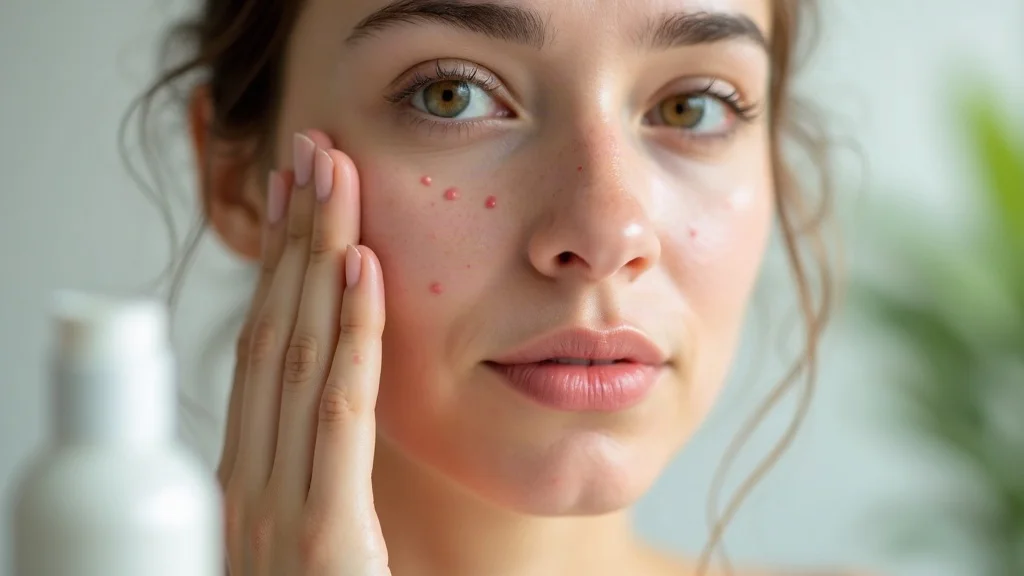
Quick Answer: What causes adult acne and how does acne treatment target it
Adult acne is often caused by hormonal changes, genetics, lifestyle factors, and the use of pore-clogging products, making effective treatment options essential for managing breakouts. Acne treatment for adults typically targets excess oil, bacteria, inflammation, and plugged pores through creams, gels, pills, and routine changes in skin care. Effective plans often adjust for individual triggers like stress, diet, or hormone shifts.
How acne develops and why it persists in adulthood
Role of hormones in adult acne
Hormonal fluctuations drive oil production in the skin. Many adults experience acne flares before periods, in the perimenopausal years, or with conditions such as polycystic ovary syndrome. Hormones like androgens can trigger oil glands, leading to clogged pores and visible acne even after adolescence. Acne treatments that address these shifts, like hormonal therapy, may help when topical choices do not work. Dermatologists care about hormonal patterns because treating the underlying trigger leads to clearer skin rather than just calming symptoms.
Hormonal adult acne often shows up on the lower face and jawline. These breakouts sometimes resist typical treatments, so healthcare providers might suggest oral contraceptives or anti-androgen medications as a treatment option. Tracking cycles or other hormonal shifts helps tailor acne care advice, especially in persistent cases.
The influence of genetics on acne treatment effectiveness
Some people are more likely to have persistent acne because of family history. Research shows that people with parents or siblings who struggled with acne are more prone to ongoing breakouts as adults, whether on the face, chest, or acne on the back. Genetics may affect how skin responds to certain acne treatment options, how fast it heals, and the likelihood of developing deep, painful spots. This means that matching treatment to the type of acne and a patient’s unique skin condition matters for long-term success.
Even with the best skin care advice, people of all ages can face stubborn acne due in part to hereditary factors. Dermatologists recommend starting acne treatment early when acne persists, especially for those who have relatives with the same issues. Testing different routines and staying patient helps to find a combination that clears skin without worsening irritation.
Impact of stress, lifestyle, and environment on adult acne and acne treatment

Stress can trigger or worsen acne breakouts for adults. When the body feels stressed, it produces cortisol and other hormones that stimulate oil glands. Long work hours, disrupted sleep, or emotional strain create a cycle where skin condition flares up, requiring more focused treatment option choices. Environments with urban pollution, high humidity, or frequent travel can shift skin chemistry, sometimes blocking pores or aggravating acne on the back and face.
Lifestyle habits also matter. Poor diet, lack of exercise, and irregular cleaning routines contribute to persistent acne. A skin care plan that considers these stressors helps prevent misunderstanding and sets more realistic expectations for treatment. Adjusting habits goes hand in hand with creams, cleansers, and doctor-prescribed medications to produce clearer skin that lasts.
For those interested in a deeper dive into how daily routines and product choices impact breakouts, the Skin Science Report offers a comprehensive look at evidence-based skincare strategies for acne-prone adults. This resource explores practical adjustments and the science behind effective routines.
How skincare habits and products contribute to adult acne
Using products that clog pores—called comedogenic products—is a common cause of adult breakouts. Heavy makeup, thick sunscreens, and some moisturizers can trap oils and bacteria on the skin. Washing too often or with harsh soaps strips the skin of natural oils, leading to a rebound effect where the body produces even more oil. Establishing gentle, regular cleaning routines helps manage adult acne while avoiding irritation or over-drying.
Reading product labels and choosing items labeled “non-comedogenic” or designed for sensitive skin reduces the risk of breakouts. Changing only one product at a time allows adults to see if a new addition to skin care is responsible for worsening or improving acne, especially for those with a history of visible acne or specific triggers. Following dermatologist-recommended routines gives patients a clearer path to results.
The most effective acne treatment options for adults
Topical and systemic acne treatment option for persistent adult acne
Adults with persistent acne may need more than a basic wash-and-moisturize routine, often requiring a tailored treatment option to effectively clear their skin. Topical options like benzoyl peroxide, salicylic acid, and retinoids can reduce surface bacteria, unplug pores, and speed skin cell turnover. These medicines work for mild to moderate acne and are easy to add to most skin care routines. For deeper or widespread acne, systemic treatments like oral antibiotics or isotretinoin may be prescribed by dermatologists. These options target the root causes inside the body and are monitored for side effects to match patient needs.
A treatment option is chosen based on the type of acne and history of previous therapies. Treating acne early when acne first appears prevents scarring and lasting skin changes. Dermatologists care for people of all ages, often recommending a mix of topical and oral medicine combined with simple, non-irritating cleansers for best results. The aim is clearer skin with the least disruption to daily life.
Role of retinoids, antibiotics, and hormonal therapy in acne treatment
Retinoids are vitamin A derivatives that unclog pores and help the skin renew faster. Available in creams and gels or as an oral medicine, retinoids are one of the most effective options for stubborn adult acne. Antibiotics—used topically or by mouth—target inflammation and bacteria in moderate to severe flares. However, they should not be the only long-term choice due to resistance risks.
Hormonal therapy is a key treatment option for people whose breakouts track with menstrual cycles or hormone shifts, addressing underlying causes of adult acne. These options include birth control pills or anti-androgen medications. The right choice depends on the skin condition, age, and whether there are other related symptoms. Dermatologists recommend personalizing this step to balance results and side effects, supporting clearer skin and less risk of problems like skin cancer from long-term inflammation.
Emerging therapies and advanced acne treatment option
Recent advances are giving patients with atopic or difficult-to-treat acne more choices. Light and laser devices, including blue and red light therapies, may reduce bacteria and inflammation for people who have not responded to creams or pills. Chemical peels, microneedling, and procedures offered in skin clinics also help reduce deep or stubborn cysts and scars.
Some clinics now offer treatments that target hormone pathways or use evolving technology. These choices often need repeated sessions and careful aftercare but may work when first-line therapies fail. The best results come from pairing such treatments with solid daily routines and regular dermatologist follow-up for patients seeking clear acne or to make skin changes less visible.
Potential side effects and considerations for each acne treatment option
Every acne treatment option carries possible side effects that patients should understand, including considerations related to skin cancer risk and overall skin health. Topical medicines may cause redness, dryness, or mild irritation for new users. Oral antibiotics can upset stomachs or create resistance if used too long. Retinoids are powerful but can make skin sensitive to sunlight and increase dryness. Hormonal therapies require monitoring for shifts in mood, weight, or menstrual cycles, especially in long-term use.
Professional skin care advice helps patients weigh the risks and benefits for their age, skin type, and health history. To prevent misunderstanding and bullying associated with visible acne, dermatologists explain side effects before starting each treatment so patients feel informed and in control of their care plan.
“The most effective acne treatment option depends on your skin history and triggers. Dermatologists recommend addressing acne early, choosing evidence-based products, and always asking about possible side effects. Custom care gives patients the best chance for clearer skin and lasting results. ” — Board-certified dermatologist
Lifestyle changes for better acne treatment results
Diet, exercise, and their impact on adult acne

Eating lots of processed sugar, dairy, or high-glycemic foods may increase breakouts for some adults, though not everyone is sensitive to diet. Replacing sugary snacks with fruits, vegetables, and whole grains helps support stable hormone levels and less oily skin. Regular exercise boosts circulation, reduces stress, and contributes to overall skin health. These habits do not replace acne medications but can help most treatment options work better and faster.
Hydration also supports skin healing and prevents dryness from medications. Keeping a simple food diary can reveal hidden connections between diet and flares so patients make informed choices about how they care for their skin each day.
Habit changes to support acne treatment
Touching the face, picking at spots, or skipping routine cleaning allows bacteria to spread and slows healing. Replacing old makeup sponges or brushes prevents buildup of oils and germs. Those who sweat during exercise or work in dirty environments benefit from gentle cleansing soon afterward. A few key habit changes can help every type of acne heal faster and reduce the risk of scarring.
Following consistent, gentle morning and evening routines tailored for individual skin needs is often the simplest but most overlooked advice. Learning which small changes matter most comes from careful skin care advice and steady self-observation.
Cleaning routines and choosing non-comedogenic products
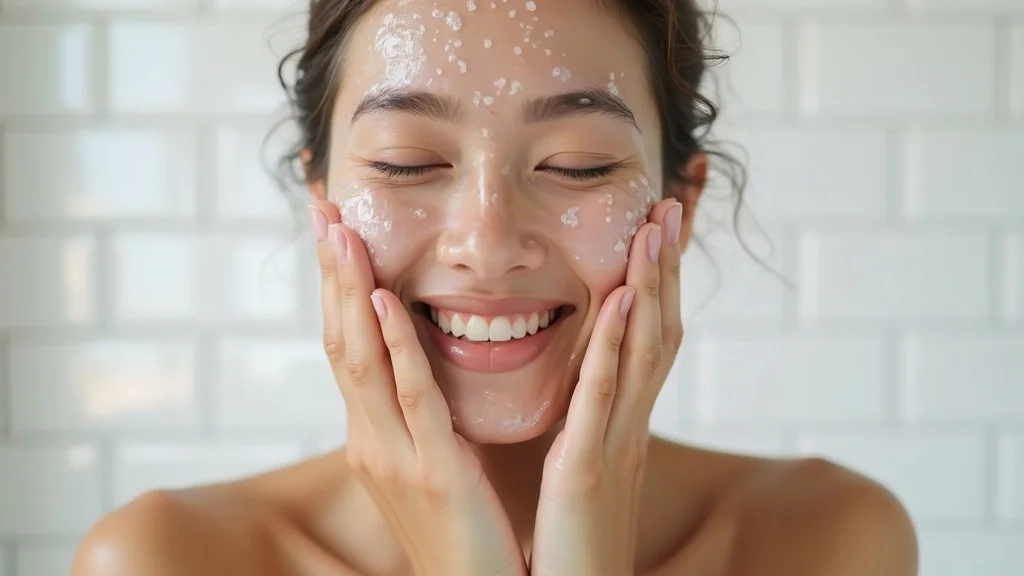
Cleansing twice daily with mild, fragrance-free products prevents the buildup of oil and dirt. Over-scrubbing or washing with hot water can strip away protective oils, making the skin produce more oil in response. Non-comedogenic cleansers, moisturizers, and sunscreens avoid clogging pores, supporting healing and better results for adult acne treatment.
People with sensitive skin or those using prescription acne medications should avoid alcohol-based products or harsh scrubs. Choosing care routines with basic, proven ingredients helps prevent misunderstanding and overloading the skin with too many actives at once.
Managing stress for improved acne treatment outcome
Chronic stress increases the release of hormones that stimulate oil production and worsen skin condition, leading to more frequent breakouts. Mindfulness strategies, restorative sleep, and regular physical activity all contribute to lower stress. These lifestyle changes complement prescription treatments and are especially important for people whose acne flares up in tough life periods.
Seeking support and finding stress-reducing activities—such as yoga, breathing exercises, or walks in nature—empowers adults to regain some control over their breakouts. Dermatologists care about helping patients integrate these steps into their skin care plan for the best results.
Skin cancer risk and acne treatment: What to watch for
Does acne treatment increase skin cancer risk
Most acne treatments do not directly cause skin cancer, but patients should be aware of skin cancer risks associated with certain medications. However, certain acne treatment options, such as oral retinoids, can increase skin’s sensitivity to sunlight, which may raise the risk of skin cancer and sun damage. Careful use of these acne treatment options, along with routine skin checks and sun protection, are recommended by dermatologists to minimize skin cancer risk during long-term therapy.
Patients with a history of skin cancer or extensive sun exposure should mention this when discussing options, so their care plan can emphasize products and habits that minimize risk.
Sun protection tips during acne treatment
Avoiding midday sun and using broad-spectrum sunscreen with SPF 30 or higher are standard skin care advice for anyone undergoing acne treatment options to reduce skin cancer risk. Non-comedogenic sunscreens prevent clogged pores and support safe acne treatment options while protecting against skin cancer. Wearing hats and long sleeves provides extra protection, particularly for people on retinoids, antibiotics, or photosensitizing medications. Reapplying sunscreen every two hours and after sweating or swimming ensures continued effect.
Sun protection helps not just to prevent skin cancer but to avoid darkening of acne marks (post-inflammatory hyperpigmentation), which is common in adults with darker skin types. Dermatologists recommend gentle, consistent use of sun-safe habits throughout any acne treatment plan.
Comparing acne treatment effects on skin health
Different acne treatment options affect the skin in specific ways. Some speed up skin cell turnover, others reduce bacteria, and some focus on calming hormone fluctuations. Tracking side effects like dryness, redness, or irritation helps tailor the plan to match each person’s needs. Monitoring the health of the skin during treatment—checking for new moles or changes—should become a habit for anyone using ongoing medications.
A balance between effective acne control and maintaining long-term skin health leads to the best outcomes. This comparison helps choose effective options while preventing problems linked to overtreatment, like increased skin cancer risk or lasting irritation.
Comparison of common adult acne treatment options |
||||
Treatment Type |
How It Works |
Main Benefits |
Possible Side Effects |
Best For |
|---|---|---|---|---|
Topical Retinoids |
Unclog pores, speed up skin cell turnover |
Reduces blackheads, whiteheads, improves texture |
Redness, peeling, sun sensitivity |
Mild to moderate adult acne |
Oral Antibiotics |
Reduce bacteria, tame inflammation |
Calms inflamed nodules |
Stomach upset, resistance with long-term use |
Moderate to severe adult acne |
Hormonal Therapy |
Balance hormones, lessen oil production |
Improves cyclical jawline acne |
Changes in cycle, mood, or weight |
Hormone-driven adult acne |
Light/Laser Therapy |
Kill bacteria, reduce oil glands |
Alternative for resistant cases |
Temporary redness, expense |
Stubborn or deep adult acne |
Chemical Peels |
Exfoliate top layers, boost renewal |
Smooth skin, fade spots |
Peeling, sensitivity after |
Scarring or uneven texture |
When to see a dermatologist about adult acne
Warning signs that require professional acne treatment option
Adults should see a dermatologist if acne remains visible or worsens after several weeks of over-the-counter products. Red, painful nodules, cystic lesions, or signs of infection—such as swelling, heat, or pus—often need prescription intervention. Scarring, pigmentation changes, or emotional distress linked to breakouts are clear reasons to seek professional help. Early treatment reduces the risk of permanent marks and helps people of all ages feel better about their skin condition.
Patients with widespread body acne or those whose acne flares with new medications or during pregnancy also deserve tailored care. Early expert help prevents misunderstanding and helps choose options that bring genuine improvement.
Special considerations for acne treatment in different skin types and ages
People with darker skin tones risk more post-acne marks, so gentle treatment and strict sun protection are important. Sensitive skin or aging skin may not tolerate strong acids or retinoids. Patients in their forties and beyond can develop new acne as hormones shift, often needing a different plan than teens. Dermatologists care for all ages, helping match each person with products and regimens that work for unique needs, from teens who feel self-conscious to people managing changes later in life.
Adjusting to specific triggers and skin responses ensures safer, more effective care and supports faster healing for every type of acne.
Watch our animated explainer for a simple look at how different acne treatment options work and discover when to seek professional help. The video transitions between real-life routines and visualized skin layers. It uses gentle voice-over and clear visuals to support adults of all backgrounds in finding their best path to clearer skin.
Frequently asked questions about acne treatment and adult acne causes
How to clear acne
Clearing acne usually requires a steady routine with gentle cleansers, topical treatments or prescribed medication. Using products labeled “non-comedogenic” and following skin care advice from a dermatologist can clear acne or make the skin less prone to new outbreaks. Eating a balanced diet and managing stress help support medical acne treatment for clearer skin over time.
Does cystic acne go away
Cystic acne can heal with the right treatment, though it may leave scars if picked or left untreated. Dermatologists often recommend oral medicines, sometimes paired with topical treatments, for this deep type of acne. Patience and regular follow-ups are important, since healing a deep cyst often takes several weeks or months.
What is the best acne cream for the face
The best acne cream or treatment option depends on the cause and type of acne, ensuring targeted and effective care. Common options include retinoids, benzoyl peroxide, and salicylic acid creams or gels, all of which can help treat your acne by keeping pores clear and reducing inflammation. Dermatologists care for people of all ages and recommend choosing products that match skin sensitivity, whether oily, dry, or combination.
What is hormonal acne and what are its symptoms
Hormonal acne appears when shifts in hormones cause oil glands to overproduce sebum, blocking pores and leading to breakouts. Common symptoms are deep, painful pimples on the lower cheeks, chin, or jawline, often related to the menstrual cycle or stressful periods. Treatments for hormonal acne may include oral contraceptives, anti-androgen drugs, or specialized topical medicines.
Key facts and takeaways about acne treatment
Main causes and triggers of adult acne include hormones, genetics, lifestyle, and some skin care products.
Effective acne treatment approaches vary by cause and skin type, combining over-the-counter and prescription options for best results.
Professional guidance may be required for persistent or severe cases, especially if scarring or emotional distress occurs.
Sources and further reading on acne treatment and adult acne causes
American Academy of Dermatology. Adult Acne: Understanding Causes and Treatment. aad.org
Mayo Clinic. Acne: Symptoms, Diagnosis, and Treatment. mayoclinic.org
National Institute of Arthritis and Musculoskeletal and Skin Diseases. Acne. niams.nih.gov
Talk with a dermatologist if acne is affecting your life. Early, evidence-based treatment gives the best chance for lasting, clearer skin.
If you’re ready to expand your understanding of skin health beyond acne, the Skin Science Report provides in-depth articles on a wide range of dermatological topics. Explore their expert insights to discover advanced strategies for maintaining healthy, resilient skin at every stage of life, and empower yourself with the latest research and practical advice for your unique skincare journey.


Write A Comment