cropper
  SKIN SCIENCE REPORT
  • Home
  • Categories
    • Skin health
    • Skincare
    • News
    • Dermatology
    • Anti aging
    • Esthetician Spotlight
    • Skin Cancer and Sun Protection
    • Acne and Breakouts
    • Ingredients Explained
    • Eczema and Psoriasis
    • Hair and Scalp
    • Cosmetic Procedures
    • Pigmentation and Skin of Color
    • Kids and Teen Skin
    • Diet, Lifestyle and Skin
    • Skin Tech and Research
March 27.2025
3 Minutes Read

The Future of Healthy Skin: 3D Imaging Technology Revolutionizes Skin Cancer Screening

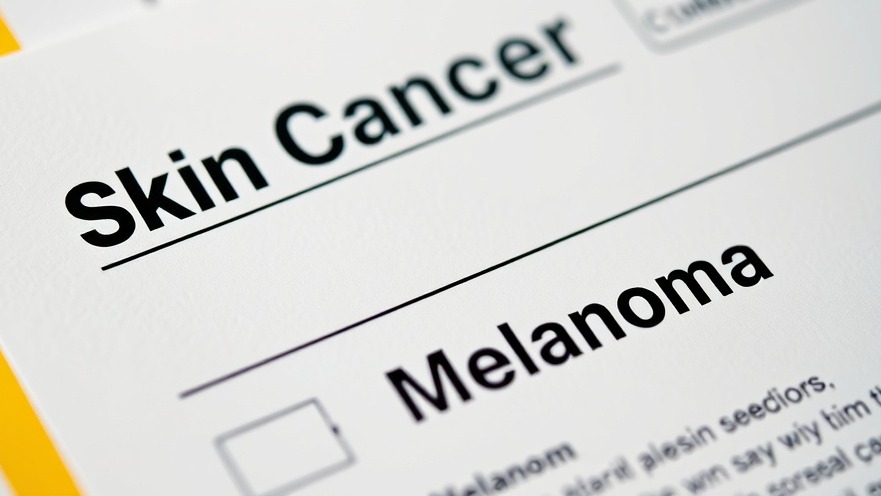
Detailed macro shot of a medical document on skin cancer with vibrant colors.

The Breakthrough in Skin Cancer Screening

In recent years, the landscape of skin cancer screening has witnessed a revolutionary shift with the introduction of 3D imaging technology. This cutting-edge method provides deeper insights into skin lesions, making early detection of skin cancer significantly more effective. For parents, understanding this technology is crucial, as skin cancer has become a widespread health concern, especially with rising UV exposure and the popularity of tanning.

Why 3D Imaging Matters

3D imaging technology allows dermatologists not just to see the skin’s surface, but to analyze its three-dimensional structure. According to recent studies, this technology can improve diagnostic accuracy, enabling dermatologists to differentiate between benign moles and malignant lesions more effectively. The depth of information collected can lead to earlier interventions, which are often critical in combating skin cancer.

Historical Context: Evolution of Skin Cancer Screening

Historically, skin cancer screening relied heavily on 2D images and visual inspections. Many parents may recall visits to the dermatologist involving quick examinations. However, as skin cancer incidence rates climb, the methods have evolved. Previous techniques often led to misdiagnosis—benign moles being mistaken for cancerous ones and vice versa. The integration of 3D imaging represents an important step forward in patient safety and treatment efficacy.

A New Perspective on Healthy Skin

Understanding how to maintain healthy skin is important for all, especially parents who wish to model good habits for their children. A balanced diet rich in nutrients can significantly improve skin health. Foods high in antioxidants and healthy fats promote vibrant skin and may aid in skin repair. Incorporating healthy skin foods, such as spinach, fish, and avocados, can help bolster the skin's natural defenses against UV damage.

The Role of Collagen in Skin Health

Collagen is often discussed in the context of skincare, but what role does it play in overall skin health? Collagen-rich foods, like bone broth and berries, not only aid in maintaining skin elasticity but also assist in repairing sun damage. Parents are encouraged to ask dermatologists about how to improve collagen levels in their skin, and whether supplements or dietary changes can assist in this effort. Understanding how collagen can be absorbed through the skin is a topic worth exploring as well.

Future Predictions: The Next Steps for 3D Imaging

Looking ahead, it's likely that 3D imaging will become the standard in dermatology practices worldwide. As technology improves, it may even become more accessible to home users via advanced devices. Parents should stay informed about these advancements, as they can play a vital role in their family’s wellbeing by advocating for regular skin screenings using the latest technologies.

Empowering Yourself with Knowledge

Knowledge is power, especially when it comes to health. Parents should not hesitate to ask their dermatologists questions about new technologies and methods for skin screening. Questions to ask might include: 'How does 3D imaging work?' and 'What are the benefits of using this technology for my child's regular skin check?' It's crucial for parents to advocate for their family's skin health.

Conclusion: Embracing Healthy Skin Practices

In conclusion, embracing advancements in skin cancer screening can drastically change outcomes for families. Incorporating healthy practices, from monitoring skin changes to maintaining a diet rich in healthy skin foods and collagen, can enhance overall skin health. Parents are urged to adopt proactive approaches, ensuring that they and their children are protected against skin cancer. By staying informed and asking the right questions, families can navigate the complexities of skin health together.

Skin health Skin Tech and Research

79 Views

0 Comments

Write A Comment

*
*
Please complete the captcha to submit your comment.
Related Posts All Posts
11.06.2026

Advancing Dermatology Research: AI Innovations in Skin Cancer Detection

Under fluorescent lights in a bustling dermatology research lab, a cohort of scientists confers over high-resolution images of skin lesions. Algorithms sort through gigabytes of clinical data, producing results that some say equal what board-certified human specialists can achieve. The difference now is stark: computers not only assist, but sometimes guide the clinical process in real time. Dermatology research is changing, sometimes faster than the literature can keep up.What You Will Learn from Dermatology Research on AI Skin Cancer DetectionHow AI is currently used in dermatology research for skin cancer detectionStrengths and weaknesses of AI systems in clinical practiceEthical and practical considerations unique to dermatology researchFuture research trends and ongoing debates in the dermatology research fieldDermatology research now occupies a central seat in the race toward early and accurate skin cancer diagnosis. Artificial intelligence tools, particularly those trained on vast image datasets, identify cancerous lesions and differentiate benign from malignant with growing precision. Research groups in the United States and abroad focus not just on whether these models outperform traditional diagnostics, but also on how well the systems generalize across clinics and skin types. This article reviews how these technologies shape current dermatology research on skin cancer detection, what evidence stands, and why careful review of study attributes—sample size, bias risk, and validation methods—remains essential.Current Directions in Dermatology Research: AI for Skin Cancer DetectionDermatology research involving AI has expanded substantially, with research teams publishing studies that compare machine learning performance to board-certified dermatologists. A typical current study combines convolutional neural networks trained on dermoscopic and clinical images with narrow clinical annotation. The result is a system that can scan, highlight, and categorize subtle skin changes in seconds. These findings have implications for early detection, especially when access to a specialist is limited.Yet, research consensus recognizes that results depend heavily on input data—particularly its size and diversity—plus rigorous clinical validation. Many studies report confidence intervals to estimate sensitivity and specificity relative to human diagnosis. Findings suggest that while some AI tools meet researchers’ expectations, others need refinement. Problems with limited sample size, non-representative photos, and lack of diversity in training sets have surfaced. The present study environment still relies on randomized trials and practical feedback from clinical staff to reveal strengths and limits in real-world scenarios.For those interested in the practical application of these findings, exploring how AI-driven diagnostic tools are being validated in real-world dermatology clinics can provide additional perspective. A detailed look at AI validation studies in clinical dermatology settings highlights the challenges and successes of integrating machine learning into everyday patient care.Integration of Artificial Intelligence Algorithms in Dermatology ResearchMost dermatology research groups working on skin cancer detection with AI use supervised deep learning models. These require large datasets of annotated digital images, typically stored in secure websites managed by official institutions or government organizations. Data is filtered to remove identifying information and labeled by clinical experts. Over time, the prevailing approach has evolved from using simple decision trees to sophisticated networks that "learn" from a wide range of skin pathology.AI’s influence in dermatology research comes from its ability to digest a wide range of images across independent samples from different populations. This broad learning approach means the algorithms spot atypical lesions that a busy clinician might miss. But the official websites that aggregate this data must enforce privacy: researchers stress that all information only appears on official websites with appropriate legal disclaimers. In the United States and Europe, oversight agencies demand secure datasets and transparent validation. Today’s research aims for a final citable form that stands up in both peer review and at the point of care.Strengths of Machine Learning Models in Identifying Skin LesionsOne positive effect of AI in dermatology research has been the quick analysis of large sample sizes that might otherwise overwhelm a human investigator. Machine learning algorithms show speed, consistency, and a certain objectivity when reviewing hundreds of digital lesions. Results from several present studies suggest that these systems can detect subtle features in pigmented lesions, which often escape initial clinical examination, raising sensitivity without long delays.Another strength lies in their ability to flag confidence intervals for each diagnosis. This statistical measure helps gauge how much trust clinicians can place in a given result, especially when compared to human specialists whose judgment may vary with experience or fatigue. In published reviews, machine learning models achieve reported accuracy near that of leading clinicians; in some studies, results suggest the algorithms even exceed humans in sensitivity, though rarely in specificity. These strengths, regularly discussed in symposiums and expert panels, offer genuine potential for positive effect, assuming ongoing audit and data expansion.Limitations Noted in Recent Dermatology Research LiteratureDespite optimism, extensive dermatology research highlights critical weaknesses in current AI methods for skin cancer detection. Models trained on a narrow spectrum of patient data fail to generalize, with accuracy slipping when applied outside the sample population. Many studies cite limited group differences in skin tone and lesion type among the images used for training. Authors report that lower performance stems from models encountering real-world data that differs from their initial training set.Research literature also raises the problem of overfitting, where an algorithm becomes too tailored to a specific dataset and loses reliability across independent samples. Lack of large, diverse, and curated training sets means algorithms cannot always identify rarer cancer types or presentations in non-dominant skin tones. Some studies, still in providing this early version of the workflow, show promising proof-of-concept but caution that more work is required before final citable form. Careful review of each report—its sample size, annotation method, and legal disclaimers that apply—helps prevent overinterpretation of early results.Ethical and Practical Concerns in Dermatology Research on AIData Security and Patient Privacy in Dermatology ResearchDigitized medical images present both opportunities and risks. Dermatology research teams must secure websites that store sensitive patient data, especially when datasets travel across institutional and national boundaries. In the United States, government organizations require all official websites to meet high standards for encryption and access controls. Researchers are obligated to share sensitive data only on official websites and ensure strict adherence to consent and privacy policies.Recent literature stresses that the legal disclaimers that apply to clinical records extend to all copies and secondary data usage. Misuse or accidental sharing of information undermines patient trust and might violate both national and international law. As more independent samples contribute to the training and validation pipeline, protecting privacy remains a non-negotiable tenet. The success of AI in dermatology depends not just on model performance, but on robust security protocols across the entire data lifecycle.Ensuring Diversity of Skin Types in AI Training DataBias in AI diagnosis originates when algorithms learn from non-diverse or incomplete datasets. A persistent concern in dermatology research is that common datasets are skewed toward lighter skin types and more prevalent cancer subtypes. This practice, whether intentional or not, means algorithms may fail to recognize subtle cancers in darker-skinned individuals or overlook rarer presentations.Recent studies reinforce the value of incorporating a wide range of annotated images. The goal is to accurately reflect group differences in both lesion type and patient demographics, which helps algorithms adapt to real-world diversity. Regulatory agencies and academic groups now recommend minimum quotas for skin type representation. These reforms, still under active debate, push for AI models that do not systematically disadvantage any community. Ensuring diverse training data not only boosts algorithm accuracy, but also aligns dermatology research with goals of health equity.Comparing AI Methods in Dermatology Research: TableAlgorithm TypeData RequirementsClinical ValidationReported AccuracyLimitationsConvolutional Neural Networks (CNNs)Large, annotated digital image datasetsMultiple independent samples with confidence intervalsMatches or exceeds dermatologist sensitivity in some studiesRisk of bias from non-diverse training sets; overfittingEnsemble ModelsCombination of datasets from official websitesTested across group differences and sample sizesVariable, with reported accuracy improving as sample diversity increasesResource intensive; dependent on high-quality annotationTraditional Machine Learning (e.g. Random Forests)Smaller datasets; feature extraction requiredLimited clinical trials, smaller sample sizeLower than deep learning; useful for proof-of-concept or niche casesPoor generalizability; challenged by complex lesionsPerspectives from Recent Dermatology Research Publications"Artificial intelligence will not replace dermatologists, but it will change the way skin cancer is diagnosed and monitored. In clinical research, early results suggest that when AI tools are tested with robust, diverse datasets, their performance approaches expert-level accuracy—providing a positive effect for patient triage and follow-up care." - Published in the Journal of Investigative Dermatology, 2023Published research affirms that the combination of digital analysis and clinical expertise advances dermatology research outcomes. While some skepticism persists, most recent studies support cautious optimism. The present study environment emphasizes peer review, careful reporting of confidence intervals, and transparency about sample size and group differences. Independent samples drawn from multiple institutions—particularly in the United States—ensure results reflect a wider patient population. Ongoing collaboration between clinical dermatologists and data scientists fuels further innovation, as researchers seek to refine algorithms and clinical workflows in tandem.Still, published authors point out that final citable form of these studies must clearly indicate all limitations and legal disclaimers that apply. A review of the resulting literature suggests that the integration of AI into dermatology research remains an ongoing project, never finished or "solved. " As one expert said, meaningful progress demands sustained investment in both clinical and technical expertise, along with continuing debate about practical and ethical constraints.Editorial View: Where Dermatology Research on AI Skin Cancer Detection Should GoResearch Gaps and Priorities Moving ForwardCurrent research often describes AI's strength in detecting common skin cancers on clear, well-lit images. Less attention falls on rare conditions, lesions in pediatric or elderly patients, and real-world clinical settings where image quality is unpredictable. Priorities for future research must include: improving dataset diversity, validating tools on prospective patient groups, and sharing protocols in a citable form. Only then will the confidence interval for each diagnosis reliably support clinical care.Another gap lies in patient-facing outcomes. Too few present studies report on whether AI recommendations change long-term results—whether, for instance, algorithm use reduces missed melanomas or prevents unnecessary biopsies. The present study format could benefit from follow-up research examining how integration affects clinical workflow, patient satisfaction, and overall care outcomes across diverse health systems.Collaboration Between Dermatology Researchers and TechnologistsBridging the gap between increasingly technical AI techniques and the needs of clinical dermatology requires strong partnerships. Researchers from health sciences, informatics, and engineering must work together, not in silos. The best results appear in studies where computer scientists regularly consult with clinical dermatologists, refining models to answer specific research questions and address practical clinical challenges.Continuous feedback between clinician and coder means algorithms remain clinically relevant, and nuanced group differences are captured early. Joint writing of research protocols, shared datasets, and cross-disciplinary education enhance mutual understanding. The present study environment, especially in the United States, supports these collaborations with targeted grants and multi-center initiatives. Integrating technical rigor and bedside realities will move future research toward more trustworthy, effective diagnostic systems.People Also Ask: Insights on Dermatology ResearchWhat are the latest research topics in dermatology?Answer: Recent topics in dermatology research include AI-aided skin cancer diagnostics, analysis of rare skin disorders using deep learning, minimally invasive biomarker detection, genetic studies on melanoma susceptibility, and improving data annotation for diverse skin presentations.What are the main areas of research in dermatology?Answer: Main areas include skin cancer detection, inflammatory conditions (like psoriasis and eczema), cosmetic dermatology advances, wound healing, and infectious skin diseases, with AI growing in influence in all these domains.What are 5 good research topics?Answer: Skin cancer AI diagnosis accuracy, molecular profiling of melanoma, AI-based triage in teledermatology, the impact of environment on atopic dermatitis, and AI bias in dermatology datasets.How much research do you need to get into dermatology?Answer: Academic dermatology is competitive; successful applicants often have several peer-reviewed publications in dermatology research, clinical experiences, and participation in key research projects.Frequently Asked Questions About Dermatology Research on AI Skin Cancer DetectionHow accurate is AI compared to human specialists in dermatology research?Answer: Most published studies report that advanced algorithms match or slightly exceed the sensitivity of experienced dermatologists, but concerns remain over specificity and generalizability.What challenges does AI face in dermatology research for skin cancer detection?Answer: Common challenges include limited diverse datasets, risk of algorithmic bias, and the need for consistent clinical validation in real-world settings.Who regulates AI tools in dermatology research and clinical use?Answer: In the US, the FDA regulates AI-based diagnostic tools; the European Union has similar oversight, with ongoing updates to reflect advances in dermatology research.Key Takeaways from Dermatology Research on AI Skin Cancer DetectionAI is now integral to advancing skin cancer diagnostics in dermatology researchCareful curation of training datasets is necessary to ensure broad and equitable effectivenessOngoing studies aim to resolve biases and practical challenges in current dermatology researchFurther Reading and Resources on Dermatology ResearchList of curated peer-reviewed articles and organizations advancing AI in dermatology researchIf you’re eager to expand your understanding of how artificial intelligence is transforming not just skin cancer detection but the entire field of dermatology, the Skin Science Report offers a wealth of in-depth articles and expert perspectives. From the latest breakthroughs in AI-powered diagnostics to comprehensive reviews of emerging research trends, this resource is designed to keep you at the forefront of dermatological innovation. Whether you’re a clinician, researcher, or simply passionate about skin health, exploring these broader insights can help you anticipate the next wave of advancements and apply them in practice. Dive deeper to discover how technology and clinical expertise are converging to shape the future of skin science.

09.07.2026

Skincare, Age by Age: 2026's Freshest Trends for Every Stage of Life

Skincare has never been one-size-fits-all — and in 2026, it's more personal (and more fun) than ever. Forget the 10-step routines and the "more product, more results" mindset of years past. This year's biggest shift is skin longevity replacing anti-aging as the name of the game, and every generation — from tweens picking out their first cleanser to women navigating menopause — is rewriting what it means to age well. Understanding how skincare trends shift with age isn't just a beauty flex; it's the key to confidently embracing your own skin story, whatever chapter you're in.Whether you're a teen discovering the joy (and overwhelm) of the skincare aisle, a thirty- or forty-something dialing in a "prejuvenation" routine, or someone easing into the glow-forward era of mature skin, there's a 2026 trend with your name on it. Here's what's actually worth your attention this year — and what's finally, blessedly, falling out of favor.Why Age-Specific Skincare Isn't a Trend — It's ScienceChasing "skincare trends by age" isn't about keeping up with whatever's viral this week. It's about honoring the fact that skin is a living, shifting organ. Elasticity, moisture retention, and cell turnover look wildly different at 16 than they do at 60, and 2026's defining skincare conversation — the move from reactive "anti-aging" to proactive skin longevity — is built entirely on that truth.Younger skin is thriving on hydration, prevention, and restraint (yes, restraint is officially trendy now). Mature skin, meanwhile, is having a moment with repair-focused, regenerative formulas backed by real clinical science rather than miracle-ingredient marketing. This awareness is exactly why estheticians are ditching cookie-cutter facials in favor of personalized "skin blueprints" that meet clients exactly where their skin is — and anticipate where it's headed next.What's Glowing at Every AgeTeens & tweens: The biggest teen trend of 2026 isn't a product — it's restraint. After years of viral "skin cocktailing" and 12-step bathroom-counter routines, teens are trading the drama for a simple, barrier-first lineup: gentle cleanser, lightweight ceramide moisturizer, daily SPF. Retinols and acids stay on the shelf until skin (and a dermatologist) says it's time.20s & 30s: Say goodbye to "anti-aging," hello to "slow aging." This crowd is all-in on prejuvenation — daily antioxidants, peptides, and SPF that prevent damage instead of chasing it after the fact — plus the dewy, just-back-from-vacation "glow skin" finish dominating everything from Instagram to the drugstore aisle.40s & perimenopause: Menopause skincare has officially gone mainstream, and it's about time. Hormone-aware formulas targeting collagen support, barrier repair, and hydration are having a breakout year, alongside a very 2026 instinct to simplify — fewer products, chosen with more intention.Mature skin: Regenerative is the word of the year. Think biostimulating peptides, next-gen barrier repair, and gentle, repair-focused treatments that work with skin's biology rather than against it — plus a growing appetite for facials that feel as restorative as they look.Across every age, the common thread is unmistakable: people want fewer, smarter products; ingredients that are clinically proven rather than just trending; and results that feel less like chasing youth and more like investing in long-term skin health. It's about meeting skin where it is today — and giving it exactly what it needs for tomorrow.Middle-Aged Adults: The Art of Doing Less, BetterBy the time fine lines and moisture dips start making their presence known, adults in their 30s and 40s aren't reaching for more product — they're reaching for the right product. 2026's skinimalism movement is practically tailor-made for this crowd: a tight lineup of clinically proven, peptide- and antioxidant-rich staples, used consistently, beats a crowded shelf every time. The goal isn't an overnight fix — it's steady, science-backed maintenance, often paired with in-office regenerative treatments that do the heavy lifting so the daily routine can stay refreshingly simple.This demographic has little patience for hype and a lot of respect for what actually works. According to Alana Clopton of Aura Plus Beauty LLC, "The older group wants to stick to things that work and not overwhelm their routine with too many products. They prioritize consistency and ingredients that support skin repair and maintenance." It's skincare wisdom earned the hard way — equal parts hands-on experience and expert-backed science, all in service of skin built to last.Seniors (60+): Skincare as Self-CarePast 60, skincare stops being a race against the clock and becomes something far more restorative: ritual. The 2026 mood for this generation isn't about chasing corrective results — it's comfort, calm, and a full-sensory kind of wellness. A facial becomes less about output and more about the experience itself: soft lighting, gentle touch, unhurried pacing, skincare as self-care in its purest form.Alana describes her approach: "For seniors, the focus is more on relaxation. I create a full sensory experience during facials with calming music, soft lighting, and gentle touch to help them feel cared for inside and out." It's proof that great skincare isn't only measured in fine lines softened — it's measured in how cared for someone feels walking out the door, at every age and every stage.And she explains, "I customize all my facials based on a thorough understanding of each client's skin condition and goals. This personalized approach ensures effective results and client comfort." This expert perspective captures the heart of every great age-specific skincare strategy in 2026: skin isn't a trend to follow. It's a story to listen to.Red Light Therapy: 2026's Quiet PowerhouseIf there's one treatment that's gone from wellness-influencer gadget to genuine skincare staple in 2026, it's red and near-infrared light. The science is refreshingly simple: specific wavelengths reach the mitochondria in skin cells, giving collagen- and elastin-producing fibroblasts a jolt of energy to work with. No needles, no downtime, no "controlled injury" required — just a steady, cumulative glow-up. That's part of why it's landed in treatment rooms and living rooms alike this year, with professional LED facials and sleek at-home masks working the same biology from different angles.What makes it such a standout across generations is its range. Younger clients lean on it for circulation and prevention; midlife and mature clients use it to support the collagen production that naturally slows with age. Layered into a facial or paired with the right serum, it's become one of 2026's favorite "synergy" treatments — technology and touch, working together.And, Alana has seen the shift firsthand: "Treatments like red light therapy help clients see real changes, aligning with their personalized skin goals."Korean Beauty, Reworked for 2026Forget everything you think you know about ten-step K-beauty routines — they're officially retiring. In their place: "intentional maximalism," a leaner lineup of four or five multitasking steps built on biotech-driven actives that do far more heavy lifting per product. PDRN (yes, the salmon-DNA-derived ingredient making headlines), fermented extracts, and calming Centella asiatica are the names to know — all prized for barrier support and genuine cellular repair rather than trend-chasing hype.Younger skin still gets to enjoy the playful side of K-beauty — glass-skin serums, jelly masks, glow-boosting ampoules. Mature skin, meanwhile, is quietly benefiting from the same innovation pipeline, as regenerative ingredients that were clinic-only just a few years ago move into everyday consumer formulas. It's proof that Korean beauty isn't just a younger-generation trend; it's a philosophy that scales with skin's changing needs.The Consultation Is Half the TreatmentLong before a single product touches skin, the real work happens in conversation. A thorough consultation — skin history, sensitivities, lifestyle, stress, sun exposure, even sleep — is what separates a genuinely personalized facial from a one-size-fits-all menu item. It's slower, and it's worth it: clients who understand why a treatment was chosen for them are far more likely to stick with the routine that follows.Debunking Skincare's Biggest Myth: "I Just Have Sensitive Skin"Here's a myth Alana hears constantly: that sensitive skin is a fixed, permanent trait rather than a signal. In reality, most "sensitivity" is skin waving a red flag at an ingredient it doesn't agree with — not proof that skin is inherently fragile.Alana puts it plainly: "Many people believe they have sensitive skin when, in reality, they haven't found the right products. Skin reactions often stem from unsuitable ingredients rather than true sensitivity."The other myth worth retiring? That one facial should deliver a total transformation. Real skin change, like fitness, is a function of consistency, not a single dramatic session.Skincare as Confidence, Not Just ComplexionThe best skincare does more than change how skin looks — it changes how someone feels walking through the world. Facials offer a rare pocket of stillness in an overscheduled life, and that mental reset is as real a benefit as any serum. Before-and-after photos matter here too, not as vanity metrics but as proof: this is what showing up for yourself, consistently, actually looks like over time.How to Adapt Your Skincare Routine as You AgeAge GroupSkincare FocusPopular TreatmentsKey TipsTeens & 20sPrevention & restraintLightweight K-beauty layers, gentle at-home LEDKeep it simple; prioritize SPF and hydration over actives30s & 40sMaintenance & RepairRed light therapy, peptide and PDRN serums, intentional-maximalism routinesConsistency over quantity; let regenerative treatments do the heavy lifting50s & 60s+Comfort, wellness & gentle regenerationSensory-forward facials, barrier-repair treatments, soothing LEDPrioritize hydration, gentle touch, and routines that feel as good as they workNo matter the age group, hydration and sun protection remain the non-negotiables underneath every routine. Everything else is a matter of listening to what skin is asking for, right now.Alana sums up her holistic philosophy simply: "True skin health comes from both the inside and the outside. Taking care of yourself as a whole creates a better self."People Also AskWhat is the skincare trend in 2026? 2026 skincare is defined by "skin longevity" over anti-aging, biotech-backed actives like PDRN and peptides, red and near-infrared light therapy going mainstream both at home and in treatment rooms, and pared-down, intentionally chosen routines over crowded, ten-step lineups. Menopause-specific skincare has also become a mainstream category rather than a niche one.What is the 4-2-4 rule in skincare? The 4-2-4 rule is a Korean-beauty-inspired double-cleansing ritual, not a seconds-based shortcut: four minutes massaging in an oil-based cleanser to dissolve makeup, SPF, and sebum, two minutes with a water-based cleanser, and four minutes rinsing thoroughly. The extra time helps skin absorb everything applied afterward.What are the current trends in skincare? Alongside longevity-focused routines and light therapy, 2026 is seeing a real shift toward clinically substantiated ingredients over "clean beauty" marketing claims, a move away from invasive treatments toward gentler regenerative options, and a growing focus on debunking skincare myths so people stop over-treating skin that was never actually the problem.At what age does your skin change the most? Collagen production and cell turnover both slow noticeably through the 30s and 40s, but perimenopause and menopause — typically in the 40s and 50s — bring some of the most significant shifts of all, which is exactly why menopause-specific skincare has become such a fast-growing category. Skin's needs keep evolving well beyond that, too; there's no single age where care stops mattering.Conclusion: Embrace Your Unique Skincare JourneySkin isn't static, and neither is good skincare. The goal isn't to fight every change or chase every trend — it's to adapt thoughtfully, stay consistent, and lean on expert guidance when it's time to shift gears. Whatever stage your skin is in right now, there's a version of "working" that fits it. Find that, and the rest takes care of itself.Discover personalized care with Alana today at Aura Plus Beauty LLC and start your tailored skincare journey.SourcesTop Skincare Trends For 2026—And Those Losing Their Sizzle — Beauty IndependentBeauty Trends Forecast 2026 — Dr Rachel HoTikTok Skincare Trends Teens Are Trying, and What Dermatologists Recommend Instead — West DermatologyBest Skincare for Teens: A Dermatologist-Backed Guide (2026) — Sincerely Yours8 Skincare Trends to Look Out for in 2026 — Optima DermatologySkincare Trends to Watch in 2026 — LavelierHow Menopause and Longevity Are Reshaping the Industry — BeautyMatterU.S. Menopause Skin Care Market Size & Forecast, 2026–2033 — Coherent Market InsightsLongevity Beauty in 2026: The Future of Anti-Aging Skincare — ForbesLED Light Therapy Facials: Benefits for Every Skin Type in 2026 — Skin Spa New YorkBrightening Trends Estheticians Need to Know for 2026 — Les Nouvelles Esthétiques & Spa2026 K-Beauty Forecast: Top 7 Data-Backed Trends — BeautyMatterThe 4-2-4 Rule Is the 10-Minute Skincare Secret That Experts Say Can Transform Your Complexion — Grazia USA

06.25.2026

Skincare Myths Your Esthetician Wants You to Know

Uncover the truth behind common skincare myths and facts with insights from a licensed esthetician. Learn how to distinguish popular myths from real, expert-backed advice for healthy skin.

Skin Science News

Because skin health is a cornerstone of overall well-being, it is a major factor in influencing physical appearance, immunity, and quality of life across all age groups. As the body’s largest organ and first line of defense, the skin protects against environmental stressors like UV radiation and pollution while also reflecting internal health factors such as nutrition and stress levels.

COMPANY

  • Privacy Policy
  • Terms of Use
  • Advertise
  • Contact Us
  • Menu 5
  • Menu 6

info@skinsciencereport.com

5850 Macklind, St. Louis, MO

© 2026 Rising Review LLC All Rights Reserved. 5850 Macklind Avenue, St. Louis, MO 63109 . Contact Us . Terms of Service . Privacy Policy

eyJjb21wYW55IjoiUmlzaW5nIFJldmlldyBMTEMiLCJhZGRyZXNzIjoiNTg1MCBNYWNrbGluZCBBdmVudWUiLCJjaXR5IjoiU3QuIExvdWlzIiwic3RhdGUiOiJNTyIsInppcCI6IjYzMTA5IiwiZW1haWwiOiJidXNpbmVzc0ByaXNpbmdyZXZpZXcuY29tIiwidG9zIjoiUEhBK1BITjBjbTl1Wno0OFpXMCtWMmhsYmlCNWIzVWdjMmxuYmkxcGJpQjNhWFJvSUhWekxDQjViM1VnWVhKbElHZHBkbWx1WnladVluTndPeUI1YjNWeUlIQmxjbTFwYzNOcGIyNGdZVzVrSUdOdmJuTmxiblFnZEc4Z2MyVnVaQ0I1YjNVZ1pXMWhhV3dnWVc1a0wyOXlJRk5OVXlCMFpYaDBJRzFsYzNOaFoyVnpMaUJDZVNCamFHVmphMmx1WnlCMGFHVWdWR1Z5YlhNZ1lXNWtJRU52Ym1ScGRHbHZibk1nWW05NElHRnVaQ0JpZVNCemFXZHVhVzVuSUdsdUlIbHZkU0JoZFhSdmJXRjBhV05oYkd4NUlHTnZibVpwY20wZ2RHaGhkQ0I1YjNVZ1lXTmpaWEIwSUdGc2JDQjBaWEp0Y3lCcGJpQjBhR2x6SUdGbmNtVmxiV1Z1ZEM0OEwyVnRQand2YzNSeWIyNW5Qand2Y0Q0S0NqeHdQanhoSUdoeVpXWTlJbWgwZEhBNkx5OTNkM2N1WjI5dloyeGxMbU52YlNJK2FIUjBjRG92TDNkM2R5NW5iMjluYkdVdVkyOXRQQzloUGp3dmNENEtDanh3UGladVluTndPend2Y0Q0S0NqeHdQanh6ZEhKdmJtYytVMFZTVmtsRFJUd3ZjM1J5YjI1blBqd3ZjRDRLQ2p4d1BsZGxJSEJ5YjNacFpHVWdZU0J6WlhKMmFXTmxJSFJvWVhRZ1kzVnljbVZ1ZEd4NUlHRnNiRzkzY3lCNWIzVWdkRzhnY21WalpXbDJaU0J5WlhGMVpYTjBjeUJtYjNJZ1ptVmxaR0poWTJzc0lHTnZiWEJoYm5rZ2FXNW1iM0p0WVhScGIyNHNJSEJ5YjIxdmRHbHZibUZzSUdsdVptOXliV0YwYVc5dUxDQmpiMjF3WVc1NUlHRnNaWEowY3l3Z1kyOTFjRzl1Y3l3Z1pHbHpZMjkxYm5SeklHRnVaQ0J2ZEdobGNpQnViM1JwWm1sallYUnBiMjV6SUhSdklIbHZkWElnWlcxaGFXd2dZV1JrY21WemN5QmhibVF2YjNJZ1kyVnNiSFZzWVhJZ2NHaHZibVVnYjNJZ1pHVjJhV05sTGlCWmIzVWdkVzVrWlhKemRHRnVaQ0JoYm1RZ1lXZHlaV1VnZEdoaGRDQjBhR1VnVTJWeWRtbGpaU0JwY3lCd2NtOTJhV1JsWkNBbWNYVnZkRHRCVXkxSlV5WnhkVzkwT3lCaGJtUWdkR2hoZENCM1pTQmhjM04xYldVZ2JtOGdjbVZ6Y0c5dWMybGlhV3hwZEhrZ1ptOXlJSFJvWlNCMGFXMWxiR2x1WlhOekxDQmtaV3hsZEdsdmJpd2diV2x6TFdSbGJHbDJaWEo1SUc5eUlHWmhhV3gxY21VZ2RHOGdjM1J2Y21VZ1lXNTVJSFZ6WlhJZ1kyOXRiWFZ1YVdOaGRHbHZibk1nYjNJZ2NHVnljMjl1WVd4cGVtRjBhVzl1SUhObGRIUnBibWR6TGp3dmNENEtDanh3UGxsdmRTQmhjbVVnY21WemNHOXVjMmxpYkdVZ1ptOXlJRzlpZEdGcGJtbHVaeUJoWTJObGMzTWdkRzhnZEdobElGTmxjblpwWTJVZ1lXNWtJSFJvWVhRZ1lXTmpaWE56SUcxaGVTQnBiblp2YkhabElIUm9hWEprSUhCaGNuUjVJR1psWlhNZ0tITjFZMmdnWVhNZ1UwMVRJSFJsZUhRZ2JXVnpjMkZuWlhNc0lFbHVkR1Z5Ym1WMElITmxjblpwWTJVZ2NISnZkbWxrWlhJZ2IzSWdZMlZzYkhWc1lYSWdZV2x5ZEdsdFpTQmphR0Z5WjJWektTNGdXVzkxSUdGeVpTQnlaWE53YjI1emFXSnNaU0JtYjNJZ2RHaHZjMlVnWm1WbGN5d2dhVzVqYkhWa2FXNW5JSFJvYjNObElHWmxaWE1nWVhOemIyTnBZWFJsWkNCM2FYUm9JSFJvWlNCa2FYTndiR0Y1SUc5eUlHUmxiR2wyWlhKNUlHOW1JR1ZoWTJnZ1UwMVRJSFJsZUhRZ2JXVnpjMkZuWlNCelpXNTBJSFJ2SUhsdmRTQmllU0IxY3k0Z1NXNGdZV1JrYVhScGIyNHNJSGx2ZFNCdGRYTjBJSEJ5YjNacFpHVWdZVzVrSUdGeVpTQnlaWE53YjI1emFXSnNaU0JtYjNJZ1lXeHNJR1Z4ZFdsd2JXVnVkQ0J1WldObGMzTmhjbmtnZEc4Z1lXTmpaWE56SUhSb1pTQlRaWEoyYVdObElHRnVaQ0J5WldObGFYWmxJSFJvWlNCVFRWTWdkR1Y0ZENCdFpYTnpZV2RsY3k0Z1YyVWdaRzhnYm05MElHTm9ZWEpuWlNCaGJua2dabVZsY3lCbWIzSWdaR1ZzYVhabGNua2diMllnWlcxaGFXd2diM0lnVTAxVExpQlVhR2x6SUdseklHRWdabkpsWlNCelpYSjJhV05sSUhCeWIzWnBaR1ZrSUdKNUlIVnpMaUJJYjNkbGRtVnlMQ0J3YkdWaGMyVWdZMmhsWTJzZ2QybDBhQ0I1YjNWeUlHbHVkR1Z5Ym1WMElITmxjblpwWTJVZ2NISnZkbWxrWlhJZ1lXNWtJR05sYkd4MWJHRnlJR05oY25KcFpYSWdabTl5SUdGdWVTQmphR0Z5WjJWeklIUm9ZWFFnYldGNUlHbHVZM1Z5SUdGeklHRWdjbVZ6ZFd4MElHWnliMjBnY21WalpXbDJhVzVuSUdWdFlXbHNJR0Z1WkNCVFRWTWdkR1Y0ZENCdFpYTnpZV2RsY3lCMGFHRjBJSGRsSUdSbGJHbDJaWElnZFhCdmJpQjViM1Z5SUc5d2RDMXBiaUJoYm1RZ2NtVm5hWE4wY21GMGFXOXVJSGRwZEdnZ2IzVnlJR1Z0WVdsc0lHRnVaQ0JUVFZNZ2MyVnlkbWxqWlhNdUlGbHZkU0JqWVc0Z1kyRnVZMlZzSUdGMElHRnVlU0IwYVcxbExpQktkWE4wSUhSbGVIUWdKbkYxYjNRN1UxUlBVQ1p4ZFc5ME95QjBieUE4YUdsbmFHeHBaMmgwSUdOc1lYTnpQU0pqYjIxd1lXNTVVR2h2Ym1WVmNHUmhkR1VpUGpNeE5DMDJNall0TURnNE56d3ZhR2xuYUd4cFoyaDBQaTRnUVdaMFpYSWdlVzkxSUhObGJtUWdkR2hsSUZOTlV5QnRaWE56WVdkbElDWnhkVzkwTzFOVVQxQW1jWFZ2ZERzZ2RHOGdkWE1zSUhkbElIZHBiR3dnYzJWdVpDQjViM1VnWVc0Z1UwMVRJRzFsYzNOaFoyVWdkRzhnWTI5dVptbHliU0IwYUdGMElIbHZkU0JvWVhabElHSmxaVzRnZFc1emRXSnpZM0pwWW1Wa0xpQkJablJsY2lCMGFHbHpMQ0I1YjNVZ2QybHNiQ0J1YnlCc2IyNW5aWElnY21WalpXbDJaU0JUVFZNZ2JXVnpjMkZuWlhNZ1puSnZiU0IxY3k0OEwzQStDZ284Y0Q0OGMzUnliMjVuUGxsUFZWSWdVa1ZIU1ZOVVVrRlVTVTlPSUU5Q1RFbEhRVlJKVDA1VFBDOXpkSEp2Ym1jK1BDOXdQZ29LUEhBK1NXNGdZMjl1YzJsa1pYSmhkR2x2YmlCdlppQjViM1Z5SUhWelpTQnZaaUIwYUdVZ1UyVnlkbWxqWlN3Z2VXOTFJR0ZuY21WbElIUnZPand2Y0Q0S0NqeHZiRDRLQ1R4c2FUNXdjbTkyYVdSbElIUnlkV1VzSUdGalkzVnlZWFJsTENCamRYSnlaVzUwSUdGdVpDQmpiMjF3YkdWMFpTQnBibVp2Y20xaGRHbHZiaUJoWW05MWRDQjViM1Z5YzJWc1ppQmhjeUJ3Y205dGNIUmxaQ0JpZVNCMGFHVWdVMlZ5ZG1salpTWWpNems3Y3lCeVpXZHBjM1J5WVhScGIyNGdabTl5YlNBb2MzVmphQ0JwYm1admNtMWhkR2x2YmlCaVpXbHVaeUIwYUdVZ0puRjFiM1E3VW1WbmFYTjBjbUYwYVc5dUlFUmhkR0VtY1hWdmREc3BJR0Z1WkR3dmJHaytDZ2s4YkdrK2JXRnBiblJoYVc0Z1lXNWtJSEJ5YjIxd2RHeDVJSFZ3WkdGMFpTQjBhR1VnVW1WbmFYTjBjbUYwYVc5dUlFUmhkR0VnZEc4Z2EyVmxjQ0JwZENCMGNuVmxMQ0JoWTJOMWNtRjBaU3dnWTNWeWNtVnVkQ0JoYm1RZ1kyOXRjR3hsZEdVdUlFbG1JSGx2ZFNCd2NtOTJhV1JsSUdGdWVTQnBibVp2Y20xaGRHbHZiaUIwYUdGMElHbHpJSFZ1ZEhKMVpTd2dhVzVoWTJOMWNtRjBaU3dnYm05MElHTjFjbkpsYm5RZ2IzSWdhVzVqYjIxd2JHVjBaU3dnYjNJZ2QyVWdhR0YyWlNCeVpXRnpiMjVoWW14bElHZHliM1Z1WkhNZ2RHOGdjM1Z6Y0dWamRDQjBhR0YwSUhOMVkyZ2dhVzVtYjNKdFlYUnBiMjRnYVhNZ2RXNTBjblZsTENCcGJtRmpZM1Z5WVhSbExDQnViM1FnWTNWeWNtVnVkQ0J2Y2lCcGJtTnZiWEJzWlhSbExDQjNaU0JvWVhabElIUm9aU0J5YVdkb2RDQjBieUJ6ZFhOd1pXNWtJRzl5SUR4emRISnZibWMrUEhOd1lXNGdjM1I1YkdVOUltTnZiRzl5T2lOR1JqQXdNREE3SWo1MFpYSnRhVzVoZEdVZ2VXOTFjaUJoWTJOdmRXNTBMM0J5YjJacGJHVWdZVzVrSUhKbFpuVnpaU0JoYm5rZ1lXNWtJR0ZzYkNCamRYSnlaVzUwSUc5eUlHWjFkSFZ5WlNCMWMyVWdiMllnZEdobElGTmxjblpwWTJVZ0tHOXlJR0Z1ZVNCd2IzSjBhVzl1SUhSb1pYSmxiMllwTGp3dmMzQmhiajQ4TDNOMGNtOXVaejQ4TDJ4cFBnbzhMMjlzUGdvS1BIQStKbTVpYzNBN1BDOXdQZ284YUdsbmFHeHBaMmgwSUdOc1lYTnpQU0pqYjIxd1lXNTVUbUZ0WlZWd1pHRjBaU0krVW1semFXNW5JRkpsZG1sbGR5Qk1URU04TDJocFoyaHNhV2RvZEQ0OFluSWdMejRLUEdocFoyaHNhV2RvZENCamJHRnpjejBpWTI5dGNHRnVlVUZrWkhKbGMzTlZjR1JoZEdVaVBqVTROVEFnVFdGamEyeHBibVFnUVhabGJuVmxMQ0JUZEM0Z1RHOTFhWE1zSUUxUElEWXpNVEE1UEM5b2FXZG9iR2xuYUhRK1BHSnlJQzgrQ2p4b2FXZG9iR2xuYUhRZ1kyeGhjM005SW1OdmJYQmhibmxRYUc5dVpWVndaR0YwWlNJK016RTBMVFl5Tmkwd09EZzNQQzlvYVdkb2JHbG5hSFErUEdKeUlDOCtDanhvYVdkb2JHbG5hSFFnWTJ4aGMzTTlJbU52YlhCaGJubEZiV0ZwYkZWd1pHRjBaU0krWW5WemFXNWxjM05BY21semFXNW5jbVYyYVdWM0xtTnZiVHd2YUdsbmFHeHBaMmgwUGc9PSIsInByaXZhY3kiOiJQSEErUEhOMGNtOXVaejVRVWtsV1FVTlpQQzl6ZEhKdmJtYytQQzl3UGdvS1BIQStQSE4wY205dVp6NVVhR1VnYVc1bWIzSnRZWFJwYjI0Z2NISnZkbWxrWldRZ1pIVnlhVzVuSUhSb2FYTWdjbVZuYVhOMGNtRjBhVzl1SUdseklHdGxjSFFnY0hKcGRtRjBaU0JoYm1RZ1kyOXVabWxrWlc1MGFXRnNMQ0JoYm1RZ2QybHNiQ0J1WlhabGNpQmlaU0JrYVhOMGNtbGlkWFJsWkN3Z1kyOXdhV1ZrTENCemIyeGtMQ0IwY21Ga1pXUWdiM0lnY0c5emRHVmtJR2x1SUdGdWVTQjNZWGtzSUhOb1lYQmxJRzl5SUdadmNtMHVJRlJvYVhNZ2FYTWdiM1Z5SUdkMVlYSmhiblJsWlM0OEwzTjBjbTl1Wno0OEwzQStDZ284Y0Q0OGMzUnliMjVuUGtsT1JFVk5Ua2xVV1R3dmMzUnliMjVuUGp3dmNENEtDanh3UGp4bGJUNVpiM1VnWVdkeVpXVWdkRzhnYVc1a1pXMXVhV1o1SUdGdVpDQm9iMnhrSUhWekxDNGdZVzVrSUdsMGN5QnpkV0p6YVdScFlYSnBaWE1zSUdGbVptbHNhV0YwWlhNc0lHOW1abWxqWlhKekxDQmhaMlZ1ZEhNc0lHTnZMV0p5WVc1a1pYSnpJRzl5SUc5MGFHVnlJSEJoY25SdVpYSnpMQ0JoYm1RZ1pXMXdiRzk1WldWekxDQm9ZWEp0YkdWemN5Qm1jbTl0SUdGdWVTQmpiR0ZwYlNCdmNpQmtaVzFoYm1Rc0lHbHVZMngxWkdsdVp5QnlaV0Z6YjI1aFlteGxJR0YwZEc5eWJtVjVjeVlqTXprN0lHWmxaWE1zSUcxaFpHVWdZbmtnWVc1NUlIUm9hWEprSUhCaGNuUjVJR1IxWlNCMGJ5QnZjaUJoY21semFXNW5JRzkxZENCdlppQkRiMjUwWlc1MElIbHZkU0J5WldObGFYWmxMQ0J6ZFdKdGFYUXNJSEpsY0d4NUxDQndiM04wTENCMGNtRnVjMjFwZENCdmNpQnRZV3RsSUdGMllXbHNZV0pzWlNCMGFISnZkV2RvSUhSb1pTQlRaWEoyYVdObExDQjViM1Z5SUhWelpTQnZaaUIwYUdVZ1UyVnlkbWxqWlN3Z2VXOTFjaUJqYjI1dVpXTjBhVzl1SUhSdklIUm9aU0JUWlhKMmFXTmxMQ0I1YjNWeUlIWnBiMnhoZEdsdmJpQnZaaUIwYUdVZ1ZFOVRMQ0J2Y2lCNWIzVnlJSFpwYjJ4aGRHbHZiaUJ2WmlCaGJua2djbWxuYUhSeklHOW1JR0Z1YjNSb1pYSXVQQzlsYlQ0OEwzQStDZ284Y0Q0OGMzUnliMjVuUGtSSlUwTk1RVWxOUlZJZ1QwWWdWMEZTVWtGT1ZFbEZVend2YzNSeWIyNW5Qand2Y0Q0S0NqeHdQanh6ZEhKdmJtYytXVTlWSUVWWVVGSkZVMU5NV1NCVlRrUkZVbE5VUVU1RUlFRk9SQ0JCUjFKRlJTQlVTRUZVT2p3dmMzUnliMjVuUGp3dmNENEtDanh2YkQ0S0NUeHNhVDVaVDFWU0lGVlRSU0JQUmlCVVNFVWdVMFZTVmtsRFJTQkpVeUJCVkNCWlQxVlNJRk5QVEVVZ1VrbFRTeTRnVkVoRklGTkZVbFpKUTBVZ1NWTWdVRkpQVmtsRVJVUWdUMDRnUVU0Z0puRjFiM1E3UVZNZ1NWTW1jWFZ2ZERzZ1FVNUVJQ1p4ZFc5ME8wRlRJRUZXUVVsTVFVSk1SU1p4ZFc5ME95QkNRVk5KVXk0Z0xDNGdRVTVFSUZWVExDQkpWQ1lqTXprN1V5QkRWVk5VVDAxRlVsTXNJRVZZVUZKRlUxTk1XU0JFU1ZORFRFRkpUVk1nUVV4TUlGZEJVbEpCVGxSSlJWTWdUMFlnUVU1WklFdEpUa1FzSUZkSVJWUklSVklnUlZoUVVrVlRVeUJQVWlCSlRWQk1TVVZFTENCSlRrTk1WVVJKVGtjc0lFSlZWQ0JPVDFRZ1RFbE5TVlJGUkNCVVR5QlVTRVVnU1UxUVRFbEZSQ0JYUVZKU1FVNVVTVVZUSUU5R0lFMUZVa05JUVU1VVFVSkpURWxVV1N3Z1JrbFVUa1ZUVXlCR1QxSWdRU0JRUVZKVVNVTlZURUZTSUZCVlVsQlBVMFVnUVU1RUlFNVBUaTFKVGtaU1NVNUhSVTFGVGxRdVBDOXNhVDRLQ1R4c2FUNU5RVXRGVXlCT1R5QlhRVkpTUVU1VVdTQlVTRUZVSUNocEtTQlVTRVVnVTBWU1ZrbERSU0JYU1V4TUlFMUZSVlFnV1U5VlVpQlNSVkZWU1ZKRlRVVk9WRk1zSUNocGFTa2dWRWhGSUZORlVsWkpRMFVnVjBsTVRDQkNSU0JWVGtsT1ZFVlNVbFZRVkVWRUxDQlVTVTFGVEZrc0lGTkZRMVZTUlN3Z1QxSWdSVkpTVDFJdFJsSkZSU3dnS0dscGFTa2dWRWhGSUZKRlUxVk1WRk1nVkVoQlZDQk5RVmtnUWtVZ1QwSlVRVWxPUlVRZ1JsSlBUU0JVU0VVZ1ZWTkZJRTlHSUZSSVJTQlRSVkpXU1VORklGZEpURXdnUWtVZ1FVTkRWVkpCVkVVZ1QxSWdVa1ZNU1VGQ1RFVXNJRUZPUkNBb2FYWXBJRUZPV1NCRlVsSlBVbE1nU1U0Z1ZFaEZJRk5QUmxSWFFWSkZJRmRKVEV3Z1FrVWdRMDlTVWtWRFZFVkVMand2YkdrK0NnazhiR2srUVU1WklFMUJWRVZTU1VGTUlFUlBWMDVNVDBGRVJVUWdUMUlnVDFSSVJWSlhTVk5GSUU5Q1ZFRkpUa1ZFSUZSSVVrOVZSMGdnVkVoRklGVlRSU0JQUmlCVVNFVWdVMFZTVmtsRFJTQkpVeUJFVDA1RklFRlVJRmxQVlZJZ1QxZE9JRVJKVTBOU1JWUkpUMDRnUVU1RUlGSkpVMHNnUVU1RUlGUklRVlFnV1U5VklGZEpURXdnUWtVZ1UwOU1SVXhaSUZKRlUxQlBUbE5KUWt4RklFWlBVaUJCVGxrZ1JFRk5RVWRGSUZSUElGbFBWVklnUTA5TlVGVlVSVklnVTFsVFZFVk5JRTlTSUV4UFUxTWdUMFlnUkVGVVFTQlVTRUZVSUZKRlUxVk1WRk1nUmxKUFRTQlVTRVVnUkU5WFRreFBRVVFnVDBZZ1FVNVpJRk5WUTBnZ1RVRlVSVkpKUVV3dVBDOXNhVDRLQ1R4c2FUNU9UeUJCUkZaSlEwVWdUMUlnU1U1R1QxSk5RVlJKVDA0c0lGZElSVlJJUlZJZ1QxSkJUQ0JQVWlCWFVrbFVWRVZPTENCUFFsUkJTVTVGUkNCQ1dTQlpUMVVnUmxKUFRTQlBVaUJVU0ZKUFZVZElJRTlTSUVaU1QwMGdWRWhGSUZORlVsWkpRMFVnVTBoQlRFd2dRMUpGUVZSRklFRk9XU0JYUVZKU1FVNVVXU0JPVDFRZ1JWaFFVa1ZUVTB4WklGTlVRVlJGUkNCSlRpQlVTRVVnVkU5VExqd3ZiR2srQ2p3dmIydytDZ284Y0Q0OGMzUnliMjVuUGt4SlRVbFVRVlJKVDA0Z1QwWWdURWxCUWtsTVNWUlpQQzl6ZEhKdmJtYytQQzl3UGdvS1BIQStXVTlWSUVWWVVGSkZVMU5NV1NCVlRrUkZVbE5VUVU1RUlFRk9SQ0JCUjFKRlJTQlVTRUZVSUVGT1JDQlRTRUZNVENCT1QxUWdRa1VnVEVsQlFreEZJRVpQVWlCQlRsa2dSRWxTUlVOVUxDQkpUa1JKVWtWRFZDd2dTVTVEU1VSRlRsUkJUQ3dnVTFCRlEwbEJUQ3dnUTA5T1UwVlJWVVZPVkVsQlRDQlBVaUJGV0VWTlVFeEJVbGtnUkVGTlFVZEZVeXdnU1U1RFRGVkVTVTVISUVKVlZDQk9UMVFnVEVsTlNWUkZSQ0JVVHl3Z1JFRk5RVWRGVXlCR1QxSWdURTlUVXlCUFJpQlFVazlHU1ZSVExDQkhUMDlFVjBsTVRDd2dWVk5GTENCRVFWUkJJRTlTSUU5VVNFVlNJRWxPVkVGT1IwbENURVVnVEU5VFUwVlRJQ2hGVmtWT0lFbEdJRWhCVXlCQ1JVVk9JRUZFVmtsVFJVUWdUMFlnVkVoRklGQlBVMU5KUWtsTVNWUlpJRTlHSUZOVlEwZ2dSRUZOUVVkRlV5a3NJRkpGVTFWTVZFbE9SeUJHVWs5Tk9qd3ZjRDRLQ2p4dmJENEtDVHhzYVQ1VVNFVWdWVk5GSUU5U0lGUklSU0JKVGtGQ1NVeEpWRmtnVkU4Z1ZWTkZJRlJJUlNCVFJWSldTVU5GT3p3dmJHaytDZ2s4YkdrK1ZFaEZJRU5QVTFRZ1QwWWdVRkpQUTFWU1JVMUZUbFFnVDBZZ1UxVkNVMVJKVkZWVVJTQkhUMDlFVXlCQlRrUWdVMFZTVmtsRFJWTWdVa1ZUVlV4VVNVNUhJRVpTVDAwZ1FVNVpJRWRQVDBSVExDQkVRVlJCTENCSlRrWlBVazFCVkVsUFRpQlBVaUJUUlZKV1NVTkZVeUJRVlZKRFNFRlRSVVFnVDFJZ1QwSlVRVWxPUlVRZ1QxSWdUVVZUVTBGSFJWTWdVa1ZEUlVsV1JVUWdUMUlnVkZKQlRsTkJRMVJKVDA1VElFVk9WRVZTUlVRZ1NVNVVUeUJVU0ZKUFZVZElJRTlTSUVaU1QwMGdWRWhGSUZORlVsWkpRMFU3UEM5c2FUNEtDVHhzYVQ1VlRrRlZWRWhQVWtsYVJVUWdRVU5EUlZOVElGUlBJRTlTSUVGTVZFVlNRVlJKVDA0Z1QwWWdXVTlWVWlCVVVrRk9VMDFKVTFOSlQwNVRJRTlTSUVSQlZFRTdQQzlzYVQ0S0NUeHNhVDVUVkVGVVJVMUZUbFJUSUU5U0lFTlBUa1JWUTFRZ1QwWWdRVTVaSUZSSVNWSkVJRkJCVWxSWklFOU9JRlJJUlNCVFJWSldTVU5GT3lCUFVqd3ZiR2srQ2drOGJHaytRVTVaSUU5VVNFVlNJRTFCVkZSRlVpQlNSVXhCVkVsT1J5QlVUeUJVU0VVZ1UwVlNWa2xEUlM0OEwyeHBQZ284TDI5c1Bnb0tQSEErUEhVK1Fua2djbVZuYVhOMFpYSnBibWNnWVc1a0lITjFZbk5qY21saWFXNW5JSFJ2SUc5MWNpQmxiV0ZwYkNCaGJtUWdVMDFUSUhObGNuWnBZMlVzSUdKNUlHOXdkQzFwYml3Z2IyNXNhVzVsSUhKbFoybHpkSEpoZEdsdmJpQnZjaUJpZVNCbWFXeHNhVzVuSUc5MWRDQmhJR05oY21Rc0lDWnhkVzkwTzNsdmRTQmhaM0psWlNCMGJ5QjBhR1Z6WlNCVVJWSk5VeUJQUmlCVFJWSldTVU5GSm5GMWIzUTdJR0Z1WkNCNWIzVWdZV05yYm05M2JHVmtaMlVnWVc1a0lIVnVaR1Z5YzNSaGJtUWdkR2hsSUdGaWIzWmxJSFJsY20xeklHOW1JSE5sY25acFkyVWdiM1YwYkdsdVpXUWdZVzVrSUdSbGRHRnBiR1ZrSUdadmNpQjViM1VnZEc5a1lYa3VQQzkxUGp3dmNENEtDanh3UGladVluTndPend2Y0Q0S1BHaHBaMmhzYVdkb2RDQmpiR0Z6Y3owaVkyOXRjR0Z1ZVU1aGJXVlZjR1JoZEdVaVBsSnBjMmx1WnlCU1pYWnBaWGNnVEV4RFBDOW9hV2RvYkdsbmFIUStQR0p5SUM4K0NqeG9hV2RvYkdsbmFIUWdZMnhoYzNNOUltTnZiWEJoYm5sQlpHUnlaWE56VlhCa1lYUmxJajQxT0RVd0lFMWhZMnRzYVc1a0lFRjJaVzUxWlN3Z1UzUXVJRXh2ZFdsekxDQk5UeUEyTXpFd09Ud3ZhR2xuYUd4cFoyaDBQanhpY2lBdlBnbzhhR2xuYUd4cFoyaDBJR05zWVhOelBTSmpiMjF3WVc1NVVHaHZibVZWY0dSaGRHVWlQak14TkMwMk1qWXRNRGc0Tnp3dmFHbG5hR3hwWjJoMFBqeGljaUF2UGdvOGFHbG5hR3hwWjJoMElHTnNZWE56UFNKamIyMXdZVzU1UlcxaGFXeFZjR1JoZEdVaVBtSjFjMmx1WlhOelFISnBjMmx1WjNKbGRtbGxkeTVqYjIwOEwyaHBaMmhzYVdkb2REND0ifQ==

Terms of Service

Privacy Policy

Core Modal Title

Sorry, no results found

You Might Find These Articles Interesting

T
Please Check Your Email
We Will Be Following Up Shortly
*
*
*