
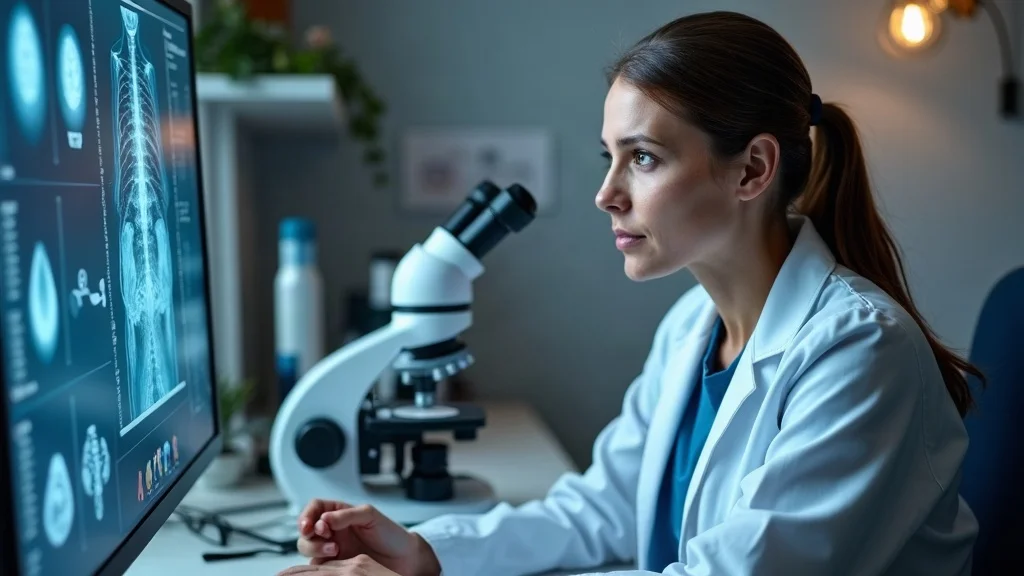
Under fluorescent lights in a bustling dermatology research lab, a cohort of scientists confers over high-resolution images of skin lesions. Algorithms sort through gigabytes of clinical data, producing results that some say equal what board-certified human specialists can achieve. The difference now is stark: computers not only assist, but sometimes guide the clinical process in real time. Dermatology research is changing, sometimes faster than the literature can keep up.
What You Will Learn from Dermatology Research on AI Skin Cancer Detection
How AI is currently used in dermatology research for skin cancer detection
Strengths and weaknesses of AI systems in clinical practice
Ethical and practical considerations unique to dermatology research
Future research trends and ongoing debates in the dermatology research field
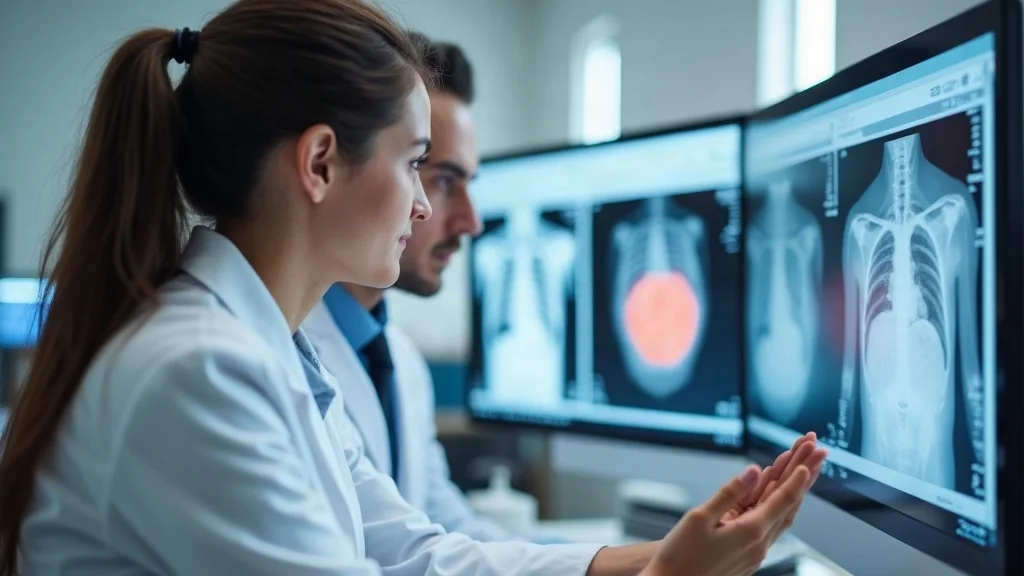
Dermatology research now occupies a central seat in the race toward early and accurate skin cancer diagnosis. Artificial intelligence tools, particularly those trained on vast image datasets, identify cancerous lesions and differentiate benign from malignant with growing precision. Research groups in the United States and abroad focus not just on whether these models outperform traditional diagnostics, but also on how well the systems generalize across clinics and skin types. This article reviews how these technologies shape current dermatology research on skin cancer detection, what evidence stands, and why careful review of study attributes—sample size, bias risk, and validation methods—remains essential.
Current Directions in Dermatology Research: AI for Skin Cancer Detection
Dermatology research involving AI has expanded substantially, with research teams publishing studies that compare machine learning performance to board-certified dermatologists. A typical current study combines convolutional neural networks trained on dermoscopic and clinical images with narrow clinical annotation. The result is a system that can scan, highlight, and categorize subtle skin changes in seconds. These findings have implications for early detection, especially when access to a specialist is limited.
Yet, research consensus recognizes that results depend heavily on input data—particularly its size and diversity—plus rigorous clinical validation. Many studies report confidence intervals to estimate sensitivity and specificity relative to human diagnosis. Findings suggest that while some AI tools meet researchers’ expectations, others need refinement. Problems with limited sample size, non-representative photos, and lack of diversity in training sets have surfaced. The present study environment still relies on randomized trials and practical feedback from clinical staff to reveal strengths and limits in real-world scenarios.
For those interested in the practical application of these findings, exploring how AI-driven diagnostic tools are being validated in real-world dermatology clinics can provide additional perspective. A detailed look at AI validation studies in clinical dermatology settings highlights the challenges and successes of integrating machine learning into everyday patient care.
Integration of Artificial Intelligence Algorithms in Dermatology Research

Most dermatology research groups working on skin cancer detection with AI use supervised deep learning models. These require large datasets of annotated digital images, typically stored in secure websites managed by official institutions or government organizations. Data is filtered to remove identifying information and labeled by clinical experts. Over time, the prevailing approach has evolved from using simple decision trees to sophisticated networks that "learn" from a wide range of skin pathology.
AI’s influence in dermatology research comes from its ability to digest a wide range of images across independent samples from different populations. This broad learning approach means the algorithms spot atypical lesions that a busy clinician might miss. But the official websites that aggregate this data must enforce privacy: researchers stress that all information only appears on official websites with appropriate legal disclaimers. In the United States and Europe, oversight agencies demand secure datasets and transparent validation. Today’s research aims for a final citable form that stands up in both peer review and at the point of care.
Strengths of Machine Learning Models in Identifying Skin Lesions
One positive effect of AI in dermatology research has been the quick analysis of large sample sizes that might otherwise overwhelm a human investigator. Machine learning algorithms show speed, consistency, and a certain objectivity when reviewing hundreds of digital lesions. Results from several present studies suggest that these systems can detect subtle features in pigmented lesions, which often escape initial clinical examination, raising sensitivity without long delays.
Another strength lies in their ability to flag confidence intervals for each diagnosis. This statistical measure helps gauge how much trust clinicians can place in a given result, especially when compared to human specialists whose judgment may vary with experience or fatigue. In published reviews, machine learning models achieve reported accuracy near that of leading clinicians; in some studies, results suggest the algorithms even exceed humans in sensitivity, though rarely in specificity. These strengths, regularly discussed in symposiums and expert panels, offer genuine potential for positive effect, assuming ongoing audit and data expansion.
Limitations Noted in Recent Dermatology Research Literature
Despite optimism, extensive dermatology research highlights critical weaknesses in current AI methods for skin cancer detection. Models trained on a narrow spectrum of patient data fail to generalize, with accuracy slipping when applied outside the sample population. Many studies cite limited group differences in skin tone and lesion type among the images used for training. Authors report that lower performance stems from models encountering real-world data that differs from their initial training set.
Research literature also raises the problem of overfitting, where an algorithm becomes too tailored to a specific dataset and loses reliability across independent samples. Lack of large, diverse, and curated training sets means algorithms cannot always identify rarer cancer types or presentations in non-dominant skin tones. Some studies, still in providing this early version of the workflow, show promising proof-of-concept but caution that more work is required before final citable form. Careful review of each report—its sample size, annotation method, and legal disclaimers that apply—helps prevent overinterpretation of early results.
Ethical and Practical Concerns in Dermatology Research on AI
Data Security and Patient Privacy in Dermatology Research

Digitized medical images present both opportunities and risks. Dermatology research teams must secure websites that store sensitive patient data, especially when datasets travel across institutional and national boundaries. In the United States, government organizations require all official websites to meet high standards for encryption and access controls. Researchers are obligated to share sensitive data only on official websites and ensure strict adherence to consent and privacy policies.
Recent literature stresses that the legal disclaimers that apply to clinical records extend to all copies and secondary data usage. Misuse or accidental sharing of information undermines patient trust and might violate both national and international law. As more independent samples contribute to the training and validation pipeline, protecting privacy remains a non-negotiable tenet. The success of AI in dermatology depends not just on model performance, but on robust security protocols across the entire data lifecycle.
Ensuring Diversity of Skin Types in AI Training Data
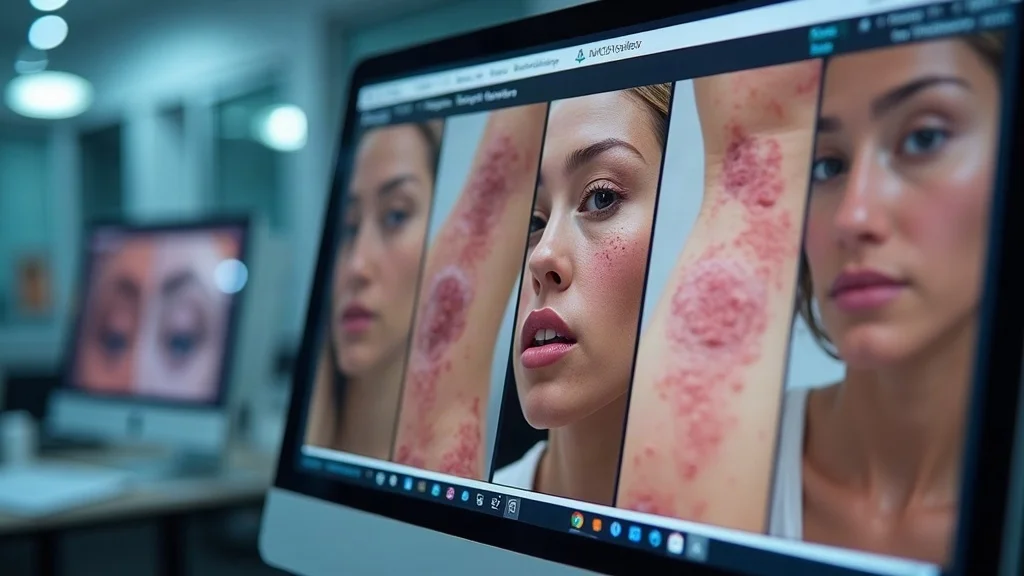
Bias in AI diagnosis originates when algorithms learn from non-diverse or incomplete datasets. A persistent concern in dermatology research is that common datasets are skewed toward lighter skin types and more prevalent cancer subtypes. This practice, whether intentional or not, means algorithms may fail to recognize subtle cancers in darker-skinned individuals or overlook rarer presentations.
Recent studies reinforce the value of incorporating a wide range of annotated images. The goal is to accurately reflect group differences in both lesion type and patient demographics, which helps algorithms adapt to real-world diversity. Regulatory agencies and academic groups now recommend minimum quotas for skin type representation. These reforms, still under active debate, push for AI models that do not systematically disadvantage any community. Ensuring diverse training data not only boosts algorithm accuracy, but also aligns dermatology research with goals of health equity.
Comparing AI Methods in Dermatology Research: Table

Algorithm Type |
Data Requirements |
Clinical Validation |
Reported Accuracy |
Limitations |
|---|---|---|---|---|
Convolutional Neural Networks (CNNs) |
Large, annotated digital image datasets |
Multiple independent samples with confidence intervals |
Matches or exceeds dermatologist sensitivity in some studies |
Risk of bias from non-diverse training sets; overfitting |
Ensemble Models |
Combination of datasets from official websites |
Tested across group differences and sample sizes |
Variable, with reported accuracy improving as sample diversity increases |
Resource intensive; dependent on high-quality annotation |
Traditional Machine Learning (e.g. Random Forests) |
Smaller datasets; feature extraction required |
Limited clinical trials, smaller sample size |
Lower than deep learning; useful for proof-of-concept or niche cases |
Poor generalizability; challenged by complex lesions |
Perspectives from Recent Dermatology Research Publications
"Artificial intelligence will not replace dermatologists, but it will change the way skin cancer is diagnosed and monitored. In clinical research, early results suggest that when AI tools are tested with robust, diverse datasets, their performance approaches expert-level accuracy—providing a positive effect for patient triage and follow-up care."
- Published in the Journal of Investigative Dermatology, 2023
Published research affirms that the combination of digital analysis and clinical expertise advances dermatology research outcomes. While some skepticism persists, most recent studies support cautious optimism. The present study environment emphasizes peer review, careful reporting of confidence intervals, and transparency about sample size and group differences. Independent samples drawn from multiple institutions—particularly in the United States—ensure results reflect a wider patient population. Ongoing collaboration between clinical dermatologists and data scientists fuels further innovation, as researchers seek to refine algorithms and clinical workflows in tandem.
Still, published authors point out that final citable form of these studies must clearly indicate all limitations and legal disclaimers that apply. A review of the resulting literature suggests that the integration of AI into dermatology research remains an ongoing project, never finished or "solved. " As one expert said, meaningful progress demands sustained investment in both clinical and technical expertise, along with continuing debate about practical and ethical constraints.
Editorial View: Where Dermatology Research on AI Skin Cancer Detection Should Go
Research Gaps and Priorities Moving Forward

Current research often describes AI's strength in detecting common skin cancers on clear, well-lit images. Less attention falls on rare conditions, lesions in pediatric or elderly patients, and real-world clinical settings where image quality is unpredictable. Priorities for future research must include: improving dataset diversity, validating tools on prospective patient groups, and sharing protocols in a citable form. Only then will the confidence interval for each diagnosis reliably support clinical care.
Another gap lies in patient-facing outcomes. Too few present studies report on whether AI recommendations change long-term results—whether, for instance, algorithm use reduces missed melanomas or prevents unnecessary biopsies. The present study format could benefit from follow-up research examining how integration affects clinical workflow, patient satisfaction, and overall care outcomes across diverse health systems.
Collaboration Between Dermatology Researchers and Technologists

Bridging the gap between increasingly technical AI techniques and the needs of clinical dermatology requires strong partnerships. Researchers from health sciences, informatics, and engineering must work together, not in silos. The best results appear in studies where computer scientists regularly consult with clinical dermatologists, refining models to answer specific research questions and address practical clinical challenges.
Continuous feedback between clinician and coder means algorithms remain clinically relevant, and nuanced group differences are captured early. Joint writing of research protocols, shared datasets, and cross-disciplinary education enhance mutual understanding. The present study environment, especially in the United States, supports these collaborations with targeted grants and multi-center initiatives. Integrating technical rigor and bedside realities will move future research toward more trustworthy, effective diagnostic systems.
People Also Ask: Insights on Dermatology Research
What are the latest research topics in dermatology?
Answer: Recent topics in dermatology research include AI-aided skin cancer diagnostics, analysis of rare skin disorders using deep learning, minimally invasive biomarker detection, genetic studies on melanoma susceptibility, and improving data annotation for diverse skin presentations.
What are the main areas of research in dermatology?
Answer: Main areas include skin cancer detection, inflammatory conditions (like psoriasis and eczema), cosmetic dermatology advances, wound healing, and infectious skin diseases, with AI growing in influence in all these domains.
What are 5 good research topics?
Answer: Skin cancer AI diagnosis accuracy, molecular profiling of melanoma, AI-based triage in teledermatology, the impact of environment on atopic dermatitis, and AI bias in dermatology datasets.
How much research do you need to get into dermatology?
Answer: Academic dermatology is competitive; successful applicants often have several peer-reviewed publications in dermatology research, clinical experiences, and participation in key research projects.
Frequently Asked Questions About Dermatology Research on AI Skin Cancer Detection
How accurate is AI compared to human specialists in dermatology research?
Answer: Most published studies report that advanced algorithms match or slightly exceed the sensitivity of experienced dermatologists, but concerns remain over specificity and generalizability.
What challenges does AI face in dermatology research for skin cancer detection?
Answer: Common challenges include limited diverse datasets, risk of algorithmic bias, and the need for consistent clinical validation in real-world settings.
Who regulates AI tools in dermatology research and clinical use?
Answer: In the US, the FDA regulates AI-based diagnostic tools; the European Union has similar oversight, with ongoing updates to reflect advances in dermatology research.
Key Takeaways from Dermatology Research on AI Skin Cancer Detection
AI is now integral to advancing skin cancer diagnostics in dermatology research
Careful curation of training datasets is necessary to ensure broad and equitable effectiveness
Ongoing studies aim to resolve biases and practical challenges in current dermatology research
Further Reading and Resources on Dermatology Research
List of curated peer-reviewed articles and organizations advancing AI in dermatology research
If you’re eager to expand your understanding of how artificial intelligence is transforming not just skin cancer detection but the entire field of dermatology, the Skin Science Report offers a wealth of in-depth articles and expert perspectives. From the latest breakthroughs in AI-powered diagnostics to comprehensive reviews of emerging research trends, this resource is designed to keep you at the forefront of dermatological innovation. Whether you’re a clinician, researcher, or simply passionate about skin health, exploring these broader insights can help you anticipate the next wave of advancements and apply them in practice. Dive deeper to discover how technology and clinical expertise are converging to shape the future of skin science.

Write A Comment