
If you have ever looked at the ingredients list on a skincare label, you know how quickly “chemical ingredients” and claims about safer chemical ingredients can become confusing. The terms retinol and retinoid show up often—on product bottles, on ingredient lists, and in dermatologist recommendations. Yet few consumers can easily explain the difference, or know how to pick safer chemical ingredients for skin. This article unpacks the facts simply with rules for reading the chemical ingredients list, what you should know about these active ingredients, and what matters most for safety and science-backed results.
What You Will Learn About Skincare Ingredients
How retinol and retinoid differ as active ingredients
Where retinol and retinoid fall on a chemical ingredients list
Ways to identify safer chemical ingredients for skin
Key points from dermatology experts on skincare ingredients use
Retinol vs Retinoid in Skincare Ingredients: Direct Answer
Retinol and retinoids are both vitamin A derivatives found in skincare. Retinol appears mostly in over-the-counter formulas and is milder. “Retinoid” refers to a broader chemical ingredients group that includes stronger prescription options like tretinoin or adapalene. Both are popular active ingredient picks for anti-aging, but they are not identical on an ingredients list or in expected results.
Quick Guide: Retinol and Retinoid as Chemical Ingredients
Retinol: A form of vitamin A found in over-the-counter products, often considered mild
Retinoid: A broader group of vitamin A derivatives, including prescription and OTC options
Both are common active ingredients for anti-aging
Decoding Chemical Ingredients in Skincare: Retinol and Retinoid
Chemical ingredients listed on product packaging can seem overwhelming, especially when comparing similar types. Retinol and retinoids rank among the most studied skincare ingredients due to their impact on aging and science-backed changes in skin texture. Both act as active ingredients but have distinctions in their chemical makeup and effects. Knowing how they are listed and identified helps people choose safer chemical ingredients for skin needs. Official safety programs and lists like the United States government Safer Chemical Ingredients List and independent dermatology recommendations assist shoppers in identifying green chemistry options and avoiding yellow triangle ingredients on packaging material.
Plant-based alternatives and brands promoting green circle practices have also emerged, though their scientific support can vary. Looking beyond buzzwords to see where retinol or prescription retinoids appear in a chemical ingredients list is a practical starting point. This helps separate marketing language from safety markers clients will find on a gov website or as part of program criteria for safer chemical ingredient identification.
For a deeper dive into how to interpret ingredient labels and spot the most effective actives, you might find our guide on decoding skincare labels and ingredient lists especially helpful. It breaks down common terminology and offers practical tips for making informed choices.
Retinol in Safer Chemical Ingredients Lists
Retinol is often featured high on the chemical ingredients list in anti-aging products because it targets fine lines, rough texture, and uneven skin tone as the main active ingredient. In the United States, this ingredient can be marked with a green circle or verified as safe by official sources like the Safer Chemical Ingredients List when the concentration and supporting formula meet safety criteria. Clinically proven studies verify that over-the-counter retinol is milder and less likely to trigger irritation or peeling than prescription retinoids, which makes it a fit for those with sensitive skin or anyone new to a vitamin A treatment.
When reading an ingredients list, look at the placement of retinol relative to water and other chemical ingredients. Retinol is usually midway or further down; the closer to the top, the higher the concentration. Safety factors also depend on supporting ingredients, such as plant-based emollients and green chemistry preservatives, which may appear gold-starred or with green circle notations. Retinol is sometimes paired with microbiome support ingredients to buffer possible irritation.
Retinoid Molecules in Chemical Ingredients List
Prescription retinoid molecules like tretinoin or adapalene are found in clinical-strength products or as a listed active ingredient by prescription. On a chemical ingredients list, these retinoids typically appear early in the labeling, followed by carriers and plant-based or green chemistry stabilizers. Stronger retinoids might not appear on the Safer Chemical Ingredients List but may meet safety standards for prescription use under dermatologist supervision.
Ingredient transparency is key: look for company news about formula changes, updates on official website ingredient sections, or visible adjustments to green circle and yellow triangle labeling. Dermatologist-tested formulas may carry program criteria from reputable safety websites, and some retinoid products now disclose more about their chemical ingredients list for consumers seeking early access to clear and safer chemical alternatives.
Assessing Safer Chemical Ingredients in Skincare Products
The rise of plant-based and green chemistry formulations has pushed brands to build trust through full chemical ingredients list disclosures. A safer chemical ingredients list includes not only the main active ingredient but supporting elements like emollients and microbiome support agents that help reduce side effects. Shoppers are encouraged to seek gov website verification, green circle indicators, or compliance with program criteria for their region. Sensitive information, such as the inclusion of parabens or phthalates, should trigger a second look. Industry practice encourages brands to offer early access to new products via company newsletters and access to new products announcements for those eager for safer chemical trends.
People who want to avoid irritation and match their personal safety preferences should check whether the formula has additional active ingredients, such as alpha hydroxy acids or fragrance, that may raise red flags for sensitive skin or allergies. Look for formulas that align with a safer chemical ingredients list, which is especially critical for those using retinol or retinoid for the first time or increasing their frequency of use.
How Retinol Works: An Active Ingredient in Skincare
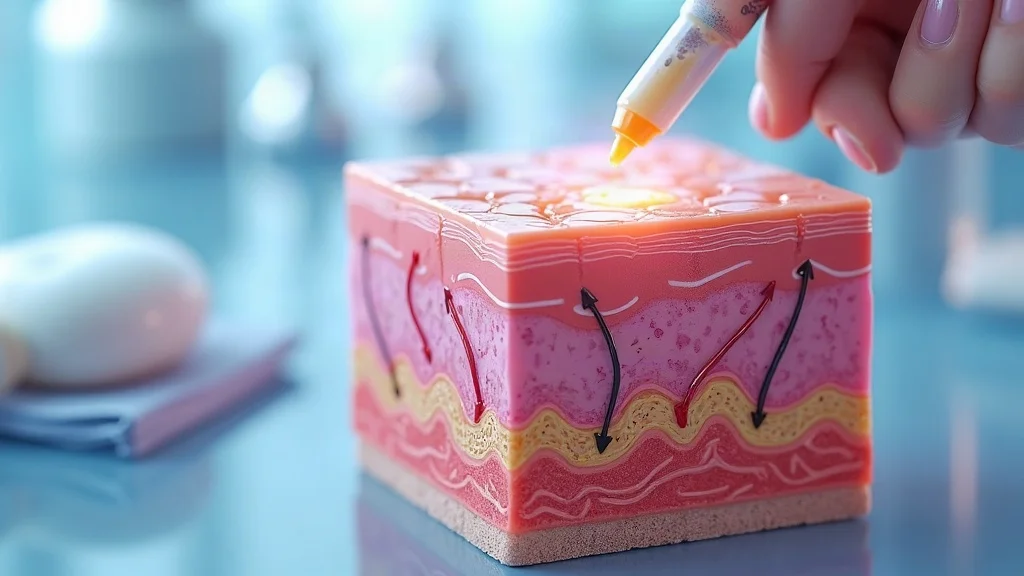
Retinol’s science-backed effects have been demonstrated in a range of gold-standard clinical studies. When applied topically as an active ingredient, retinol converts in the skin to retinoic acid. This process triggers cell turnover, which is credited for softening wrinkles and evening skin tone. In green chemistry formulas on the chemical ingredients list, retinol is often stabilized by supporting agents to reduce breakdown and deliver a safer chemical profile. Sensitive users and newcomers benefit from formulas that feature retinol lower on the ingredients list or pair it with microbiome support components. The early effects can include dryness, peeling, or mild redness, but gradual introduction helps the barrier adjust.
Mechanism of Action: Retinol as a Skincare Ingredient
Retinol operates on the skin by binding to receptors in the outer layers, directing cells to increase turnover and produce fresher skin. The ingredient’s effects differ depending on its concentration in the chemical ingredients list. Plant-based stabilizers in the solution can help buffer typical side effects, and green circle-rated formulas emphasize steady delivery rather than sudden, harsh activity. Many United States government agencies recommend checking ingredient transparency and placement when picking a safer chemical option. Formulas created in accordance with privacy policy standards may also disclose whether artificial stabilizers or fragrances are included, giving peace of mind to users with more sensitive information needs or regulatory awareness.
Effectiveness Compared With Other Chemical Ingredients
Studies have shown retinol can compete with prescription treatments in smoothing fine lines if used consistently over 12 weeks or more. Compared to other active ingredients found high on a chemical ingredients list—such as vitamin C, alpha hydroxy acids, or niacinamide—retinol acts slowly and is often considered more tolerable for those with moderate sensitivity. Safer chemical ingredients lists often highlight retinol for balancing science-backed results with a lower risk of irritation.
Dermatologists often compare retinol with other plant-based and chemical ingredients to create regimens that fit individual skin needs. The ingredient’s milder approach allows it to be introduced until the skin’s microbiome balances. Clinically proven secondary ingredients may be layered in as tolerance builds, with retinol providing a base for improvement in skin tone and fine lines over several months.
How Retinoid Functions as an Active Skincare Ingredient
Prescription retinoids—including tretinoin and adapalene—are classified higher up the chemical ingredients list in medical formulas for their strength. As active ingredients, retinoids work on the skin by converting directly into retinoic acid, resulting in faster, more visible changes compared to retinol. Dermatology company news frequently spotlights new retinoid formulas that seek to balance clinical effectiveness with safer chemical support agents. Access to new products often comes with clear privacy policy disclosures about ingredient changes, directly listed on official websites or in mailing lists for early access.
Retinoid use can result in dryness, increased sun sensitivity, or a temporary flare in skin roughness, which is why the United States government, green chemistry initiatives, and program criteria recommend a dermatologist-supervised introduction. Many green circle programs now include newer-generation retinoids in their safer chemical ingredients list if used with proven stabilizers and microbiome support additives.
Prescription Retinoid: Place in the Ingredients List
In regulated products, prescription retinoids are required to appear as active ingredients near the top of the chemical ingredients list. This visibility helps confirm both concentration and compliance with program criteria set by official safety authorities. Green chemistry companies will sometimes issue company news when formulas change, which can be checked on the official website for transparency and up-to-date information. New retinoids combined with plant-based or microbiome support elements are now included on safer chemical ingredients lists for dermatology practices.
Mailing list for early access updates or exclusive discounts can provide first notice of formula improvements. Always check that the retinoid is prescribed in accordance with its privacy policy and vetted for sensitive information when shared across company using your email address.
Retinoid vs Safer Chemical Ingredients: Benefits and Risks
Prescription retinoids deliver visible benefits faster than OTC retinol but can bring a higher risk of side effects. These include redness, dryness, and irritation that may persist beyond the early adjustment period. Dermatologists recommend selecting products featuring green circle markers or Safer Chemical Ingredients List inclusion when possible to mitigate risk. Prescribers should confirm the presence of microbiome support agents or plant-based emollients, which appear lower on the chemical ingredients list.
For users with sensitive skin or a preference for green chemistry, formulas aligned with Safer Chemical Ingredients List standards or verified through gov websites are preferred. Yellow triangle cautions on some packaging may signal allergy or irritation alerts, so reviewing ingredient transparency and company policy, and seeking official website ratification, can guide safer choices.
Comparing Skincare Ingredients: Retinol vs Retinoid
Ingredient |
Chemical Type |
Use Case |
Potency |
Safety Profile |
|---|---|---|---|---|
Retinol |
Vitamin A derivative (OTC) |
Anti-aging, texture smoothing, beginner formulas |
Mild to moderate |
Green circle eligible, less irritating, supports microbiome, Safer Chemical Ingredients List compliant when formulated properly |
Retinoid (Rx) |
Vitamin A derivative (prescription) |
Anti-aging, acne, advanced treatment |
High |
Yellow triangle for higher risk, requires dermatologist direction, less likely on Safer Chemical Ingredients List except in green chemistry blends |
Support Agents |
Plant-based emollients, green chemistry preservatives |
Irritation reduction, barrier support |
Low |
Generally green circle, supports Safer Chemical Ingredients List inclusion |
Safer Chemical Ingredients: Identifying Them in Skincare
Ingredient transparency creates trust for those shopping with safety in mind. Safer chemical ingredients are typically found on product labels supported by independent lists, green circle markers, or company policy detailing ingredient sourcing. Reviewing a chemical ingredients list allows customers to avoid yellow triangle allergens or known irritants and to confirm the presence of tested microbiome support or plant-based alternatives. Companies that meet United States government safety criteria or align with updates on green chemistry standards notify changes in their ingredient profile through company news, mailing list for early access, or exclusive discounts for green-conscious consumers.
All products must display a complete ingredients list, with active ingredients near the top and stabilizers, preservatives, and plant-based additives further down. This allows comparison with the Safer Chemical Ingredients List or a gov website for verification before making any switch, especially for anyone with allergies, a history of irritation, or preference for green chemistry.
Safer Chemical Ingredients List: Understanding Labels
Labels with green circle indicators, professional program criteria reference, and full chemical ingredients list placement are your signs of transparent formulation. Plant-based ingredients or those derived with green chemistry methods often receive special marking. Brands with transparent privacy policy commitments show exactly where sensitive information, such as allergens or controversial preservatives, is disclosed. This transparency makes opting for truly safer chemical ingredients much more accessible.
Chemical Ingredients List: What To Look For
Start at the top of the ingredients list, looking for active ingredients like retinol or prescription retinoid. Safe secondary components such as water, ceramides, hyaluronic acid, and verified plant-based preservatives should follow. Avoid products displaying known irritants or flagged with yellow triangle legends, and check if the company or official website indicates green circle program inclusion. Always verify mailing list for early access announcements or company news for formula changes and improvements. Trust formulas where ingredient sourcing is verified in accordance with its privacy policy and where the company using your email address is transparent about access to new products.
Expert Take: Quotes on Skincare Ingredients
"Many prescription retinoids deliver faster results but often come with higher irritation, which is why ingredient safety matters," said Dr. Jennifer Smith, board-certified dermatologist.
"Reading the full chemical ingredients list helps consumers select safer chemical ingredients that match their needs," said cosmetic chemist Alex Lee.
Common Skincare Ingredients: What You Need to Know
Retinol, retinoid, hyaluronic acid, vitamin C, alpha hydroxy acids, and niacinamide
Active ingredient versus inactive components on an ingredients list
How to verify safer chemical ingredients
People Also Ask: Skincare Ingredients
What are common skincare ingredients?
The most common skincare ingredients include retinol, retinoids, hyaluronic acid, vitamin C, glycerin, and ceramides. These are usually listed high on a chemical ingredients list and serve as active ingredients targeting dryness, uneven tone, or signs of aging. Products labeled as green circle or listed on the Safer Chemical Ingredients List prioritize both performance and safety.
What ingredients are in skin care products?
Skin care products include a combination of chemical ingredients such as emollients, emulsifiers, preservatives, and active components like retinol and retinoids. Always review the ingredients list for the specific order and percentage of each chemical ingredient. This allows you to check the product against a Safer Chemical Ingredients List or government program for ingredient safety before use.
What are the top 5 ingredients to avoid in skincare products?
Many dermatologists and green chemistry programs warn against parabens, phthalates, formaldehyde releasers, synthetic fragrance, and oxybenzone. These chemical ingredients may trigger yellow triangle warnings or fail to meet Safer Chemical Ingredients List inclusion. Choose products flagged as green circle where possible for reduced risk and transparent ingredient data.
What are the ingredients in my skincare?
Your skincare most likely contains water, moisturizers like glycerin, surfactants, preservatives, and several chemical ingredients, which could include retinoid or hyaluronic acid. Check the chemical ingredients list available on product boxes or official websites, making sure any sensitive information is disclosed and recipes are in line with safer chemical ingredient guidelines.
Answers: People Also Ask
Common skincare ingredients include retinol, retinoids, hyaluronic acid, vitamin C, glycerin, and ceramides, often listed as active ingredients for their science-backed effects.
Skin care products typically contain a mix of chemical ingredients such as emollients, emulsifiers, preservatives, and active components like retinol and retinoids. Ingredient lists reveal the full makeup.
Top ingredients to avoid often include parabens, phthalates, formaldehyde releasers, synthetic fragrances, and oxybenzone. Dermatologists recommend checking for safer chemical ingredients instead.
Your skincare probably contains water, emollients, surfactants, and chemical ingredients like retinoids or hyaluronic acid. Review the chemical ingredients list for each product to ensure safety.
Key Points on Skincare Ingredients: What Matters Most
Retinol and retinoid are both featured in active ingredient roles on most chemical ingredients lists
Check for safer chemical ingredients by reviewing trusted lists and brand transparency
Professional advice can guide ingredient choices for effective, safe skincare
FAQs About Skincare Ingredients
How do I find safer chemical ingredients in skincare?
Check the ingredients list for green circle icons, compare the product to an official Safer Chemical Ingredients List, and search for transparency on the company’s official website. Look for plant-based or clinically proven items and avoid products marked with yellow triangle warnings.
What is the difference between an active ingredient and a chemical ingredient?
An active ingredient directly delivers the intended skincare benefit, such as retinol or vitamin C. Chemical ingredients is a broader term covering everything in the product, including carrier agents, stabilizers, emollients, and actives.
Can retinol or retinoid be used with other active ingredients?
Yes, but skin may become sensitive with overuse. Dermatologists recommend introducing one new active ingredient at a time and pairing with microbiome support or clinically proven barrier agents for safer chemical layering.
Where do I look for the ingredients list on my product?
The ingredients list is usually printed on the outer box, bottle, or tube, often required by United States government labeling law. Some brands also provide this data on their official website or app for sensitive information disclosures.
Take the Next Step: Download Our Skincare Ingredients Guide
Ready for a safer chemical skincare routine? Download our easy-to-read Skincare Ingredients Guide to learn facts about every active ingredient and safer chemical ingredients list entries. Join the evolution toward ingredient transparency by signing up for early access, exclusive discounts, and the latest company news on green chemistry in skincare. Use your email address in accordance with our privacy policy and get first access to new products launched with green circle approval.
If you’re interested in expanding your understanding of how science shapes the world of skincare, don’t miss our comprehensive overview at Skin Science Report. There, you’ll discover in-depth articles on ingredient innovation, regulatory updates, and expert perspectives that go beyond the basics. Whether you’re a skincare enthusiast or a professional seeking advanced knowledge, our resources are designed to empower your next steps. Explore the latest trends, evidence-based recommendations, and actionable insights to elevate your skincare routine with confidence.



Write A Comment