
Opening your cabinet, you might see everything from a lightly scented face oil to a boldly labeled “all-natural” eye cream. Shoppers searching for skin care natural options are met with promises of simplicity and purity. Yet, without clear definitions or regulations, what really separates these products from conventional ones—and do those nature-based claims really matter for your skin health? Here’s what is known, based on available scientific evidence—not beauty brand slogans.
What you'll learn in this skin care natural explainer
How skin care natural differs from conventional products
The evidence behind major natural skincare ingredients
What organic skincare really means in the U.S.
How to build a natural skincare routine and what to avoid
Common uncertainties, risks and what we know for sure

When the term 'skin care natural' appears—what does it mean?
How natural skincare is defined and regulated
“Skin care natural” appears regularly on product labels and in online advice. In the United States, however, there is no universal, legal definition of what counts as natural skincare. The Food and Drug Administration (FDA) does not regulate the term “natural” on skincare products, which means brands can use it in marketing even when an item contains artificial preservatives or synthetic fragrances. In contrast, the European Union has more developed standards for cosmetics claiming to be natural, requiring a certain percentage of natural-origin ingredients. For American shoppers, the term mainly signals that a product contains a higher concentration of ingredients from plants, minerals or the natural world, but not necessarily that it is free from all synthetic components. Researchers and dermatologists note that this gap in regulation leads to uncertainty for anyone trying to make their purchase count towards their own natural skin health goals.
Without oversight, comparing natural skincare products involves researching ingredient lists and looking for products certified by outside organizations, like some major organic and vegan skincare labels. These certifiers may check for a minimum amount of organic content or restrict certain chemical additives, but their standards differ. Still, even certified organic skincare is not automatically safer (or more effective) for every skin type. Since there are few rules about what it takes to be called natural, serious shoppers must look past marketing and read the actual formulation details to protect the skin and avoid disappointment.
Organic skincare and how it fits with skin care natural
“Organic skincare” is a subset within the larger natural skincare discussion. To be labeled organic in the United States, cosmetic products must usually meet United States Department of Agriculture (USDA) standards, meaning the agricultural ingredients are grown without most synthetic pesticides or genetically engineered components. Not all natural skincare is organic, but most certified organic skincare products avoid fertilizers and harsh chemicals during ingredient cultivation—and many are also vegan. However, the organic standard covers how the ingredients are grown or produced, not what happens during processing or the final efficacy of the skincare product.
Some beauty brands go beyond claiming that their products are natural or organic by seeking third-party seals, which can offer additional verification. But in practice, this can be confusing, as one “certified organic” eye cream could differ significantly from another in terms of processing, preservation or even ingredient sources. While organic certification may be meaningful for those with specific values or allergies, dermatologists say the presence of the label does not guarantee a noticeably healthier or more youthful complexion. Instead, what matters is whether a particular face oil, moisturizer or cleanser is well-matched to your skin type, routine and sensitivity needs.
Natural skincare ingredients: Evidence, limits, and science
Plant extracts used in skin care natural
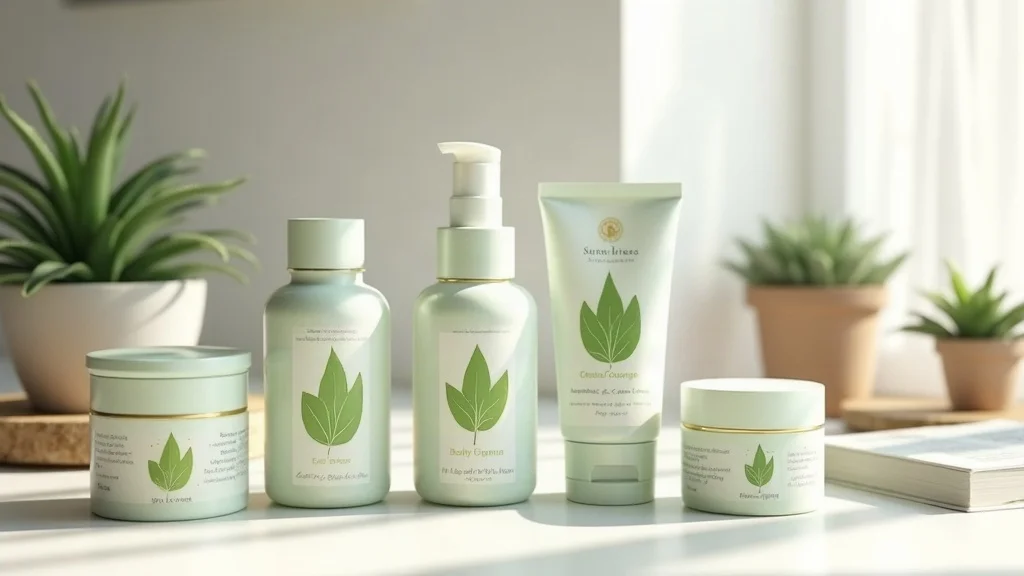
Plant-based ingredients are often central to the appeal of skin care natural products. Aloe vera, green tea extract, witch hazel and rosehip oil are frequent additions, promoted for their anti-inflammatory or antioxidant properties. Research has shown that certain botanical ingredients can help protect the skin barrier or offer mild calming effects. For example, aloe vera and chamomile extracts have been studied for soothing the skin after minor irritation, while green tea polyphenols have attracted attention for their antioxidant capacity on the surface of the skin. Still, most studies are small, and published results may not directly translate to the effectiveness of over-the-counter skincare products. Concentrations, delivery methods and product formulations all affect how well these natural actives work when applied topically.
Many brands now promote vegan skincare, formulating creams and oils without animal-derived ingredients in order to appeal to shoppers avoiding animal products or seeking certified organic alternatives. Plant oils such as jojoba, argan, or marula are common substitutes for synthetic or animal oils, but not all offer the same protection or pH balance. When shopping, look for published evidence on the specific plant extract in a product, and check whether the claimed results—like hydration, reduced redness, or a more even skin tone—are backed by more than a single study or brand-funded press release. The natural world provides a rich source of ingredients, but not every extract highlighted on a tinted face oil bottle is equally well supported by research.
For a deeper dive into how specific plant-based ingredients perform and which ones are best suited for sensitive or reactive skin, you may find it helpful to explore our comprehensive ingredient guides and evidence-based reviews at Skin Science Report. These resources can help you make more informed choices when evaluating natural skincare products for your routine.
Oils, minerals and other common ingredients
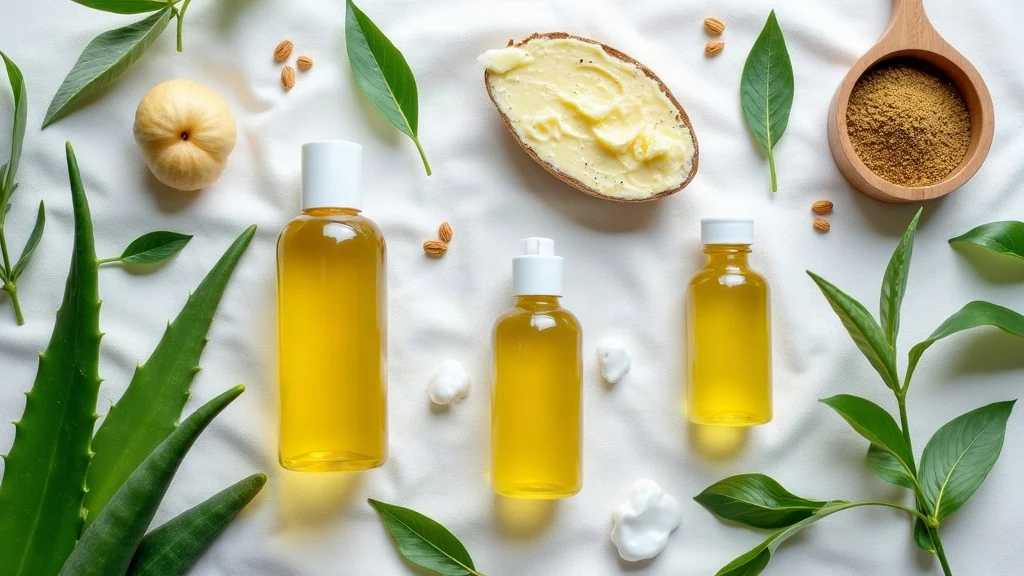
Natural skincare products often replace synthetic emollients with plant oils, such as coconut oil, olive oil and shea butter. Jojoba oil is popular because its structure resembles human sebum, so it may absorb well across skin types. Minerals like zinc oxide and clay are also not uncommon, showing up in sunscreens, face masks, or tinted face products promising broad spectrum protection without chemical UV filters. Some skincare routines involve layering several oils and botanical blends in place of a conventional moisturizer or serum; these routines can suit dry or mature skin, but they may be less effective or potentially pore-clogging for oily or acne-prone skin.
Other common additives include honey, oat (used as “colloidal oatmeal” to calm itching or irritation), and essential oils such as lavender or tea tree. The evidence supporting the use of such oils is mixed, especially in higher concentrations, and many essential oil ingredients can cause allergic reactions. While some fans of face oil and eye cream opt for natural and vegan versions, the presence of these ingredients in a product does not guarantee that the overall routine will be more effective or simpler than using a basic conventional moisturizer. Carefully review the full ingredient list and consider your skin’s individual needs when selecting oils and mineral-based options.
What is known about allergen risk with skin care natural
One assumption is that natural skincare products are always safer or gentler, especially for people with sensitive skin. In practice, a product’s source is only part of the story. Allergic reactions can and do occur with plant-based ingredients, sometimes more often than with synthetically-derived ingredients. Essential oils, for example, are well-known triggers for dermatitis (inflammation of the skin) in people with a history of allergies or eczema. Even certified organic or vegan skincare products may contain naturally derived fragrance compounds that are highly allergenic for a subset of users.
If you have sensitive skin, patch-testing new skincare products—especially those featuring trendy or less familiar botanicals—is recommended before applying them widely. Dermatologists have reported reactions to natural face oils and eye creams in both adults and children, particularly when these products contain concentrated extracts or are left on the skin for extended periods. Claims about “clean beauty” often overlook individual variation in how skin barriers react to new formulations, so no product is one-size-fits-all. The key is to identify which ingredients your skin tolerates best by reading labels closely and understanding the documented allergen risks for each component.
Comparing natural skincare to traditional skincare products
Comparing attributes: skin care natural vs conventional skincare products |
||
Attribute |
Skin Care Natural |
Conventional Skincare Products |
|---|---|---|
Main ingredients |
Plant oils, botanical extracts, minerals, minimal processing |
Synthetic chemicals, artificial fragrances, lab-made emollients |
Preservative usage |
Natural or reduced synthetic, may spoil faster |
Broad range, longer shelf life, often includes parabens |
Certifications |
May be certified organic or vegan |
Rarely certified organic; FDA regulates but does not define "natural" |
Allergen risk |
Higher with some plant-based ingredients |
Higher with synthetic fragrances, lower with known actives |
User appeal |
Promotes simplicity and “eco-friendly” identity |
Widely available, often lower cost, longer shelf life |
Formulation differences and how they affect skin
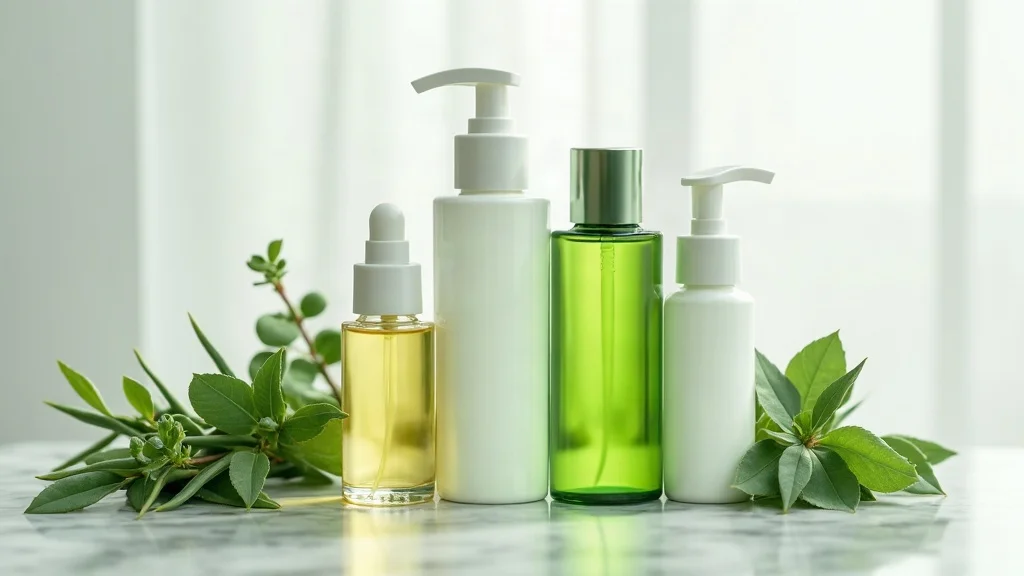
Natural skincare is generally formulated with fewer stabilizers and synthetic preservatives, which can shorten product shelf life but might appeal to consumers wishing to avoid certain chemicals. Traditional skincare products often feature more complex formulations with a consistent texture, scent, and color achieved through synthetic emulsifiers, fragrances, and colorants. While conventional skincare products can last longer and sometimes deliver more consistent results, they may include potential irritants such as parabens or synthetic fragrances that some users prefer to avoid.
Natural formulations rely on the protective and moisturizing effects of whole plant butters, unrefined oils or minimal processing, which may work well for some skin types but less so for others. The effect on skin health, whether using a vegan skin care product or a standard face oil, depends on ingredient compatibility, routine, and user habits. Some consumers opt for natural and organic face products on principle, while others prefer the product variety and often lower cost of conventional skincare products.
The science behind preservative use in skin care natural
One major difference between natural and conventional products is how shelf life and product integrity are maintained. Natural skincare often omits aggressive synthetic preservatives, instead using options like vitamin E, grapefruit seed extract or antimicrobial botanicals. These alternatives are sometimes less effective at preventing microbial contamination, leading to a higher risk of spoilage especially in jars or bottles exposed to air and moisture.
Conventional products typically use a combination of well-studied synthetic preservatives such as parabens or benzyl alcohol, supporting longer storage. Studies comparing preservative approaches show that while many plant-based systems work well for short-term use, they may fall short over weeks or months. This means consumers should pay attention to expiration dates on natural and organic skincare, store them out of direct sunlight, and watch for changes in texture, smell or appearance. A longer shelf life does not always mean safer or more effective, but a lack of adequate preservation can cause real risks as well.
Building a skin care natural routine: What does good practice look like?
Steps to assembling a balanced skincare routine
To build a routine around skin care natural products, start by identifying your core needs: cleansing, moisturizing, protection and targeted treatment. A basic routine for most skin types could include a gentle plant-based cleanser, followed by a moisturizer made with ingredients like jojoba oil, shea butter or aloe vera, and a physical sunscreen using zinc oxide if sun exposure is expected. If your skin is dry or prone to redness, adding a face oil or simple botanical serum before moisturizing may help reduce tightness or support a more even skin tone, according to some clinical evidence about natural emollients.
For those interested in vegan skincare, or products certified as organic, look for independently verified labels and avoid formulations with synthetic fragrance or dyes. Regardless of the routine, change products slowly—one step at a time—and patch-test before full use. This allows your skin barrier to adjust and helps you catch signs of allergy or irritation early, reducing the risk of an unwanted reaction. As always, routines should be simple and effective rather than filled with unproven or unnecessary steps.
How to avoid common mistakes with skin care natural routines
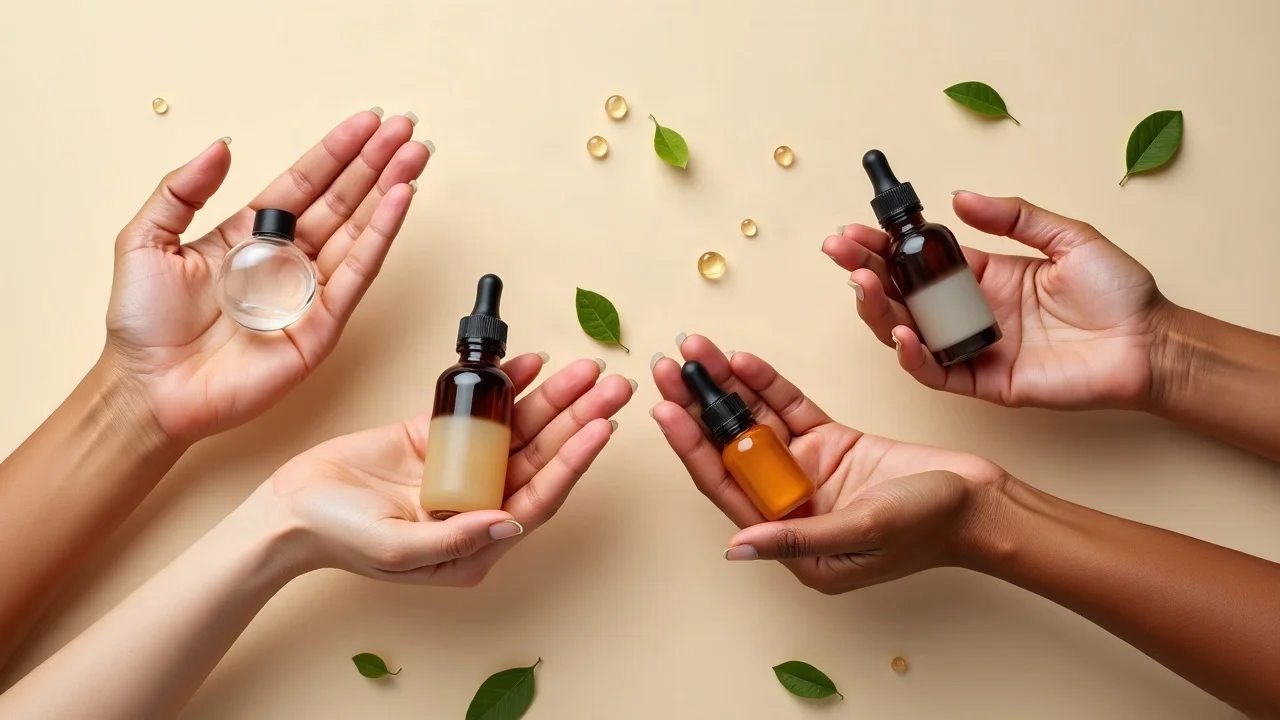
Some shoppers try to replace every step of their existing routine at once with new natural skincare products. Sudden switches make it harder to pinpoint what caused a bad reaction. Experts recommend introducing one new product at a time and waiting several days before adding another. Another mistake: assuming that “natural” means no potential for allergy or irritation—some botanical ingredients are much more likely to cause dermatitis than any drugstore moisturizer. Read each label carefully, especially if you have a history of eczema or allergic reactions.
Overuse of essential oils, frequent multi-masking, or layering too many face oils can disrupt a delicate skin barrier or clog pores. Some consumers also forget that product expiration dates are especially important for minimally preserved, natural or vegan skincare options, which may spoil faster than conventional picks. Keeping routines simple, effective and supported by known ingredient safety profiles—and confirming that your purchase counts towards your needs and values—makes for a smarter approach.
Paying attention to labels: The challenge of shopping for skin care natural
How to read natural skincare labels correctly
The words “natural,” “organic,” “clean,” and “vegan” appear on many beauty brand packages, but none are strictly regulated in the United States. Shoppers should pay attention to labels and ingredient lists, not just the front branding. The full ingredient list appears by law in descending order of concentration, so major ingredients come first. Look for certifications from groups that specialize in organic or vegan skincare. Watch for “fragrance” or “parfum” listed—these can hide dozens of undisclosed components, both natural and synthetic, and can be sources of skin irritation.
Consumers interested in a more straightforward skincare routine will want to focus on familiar, evidence-backed botanical ingredients. Scientific names are often shown after the common name, e. g. , “Aloe Barbadensis Leaf Juice” for aloe vera or “Camellia Sinensis Leaf Extract” for green tea. Shorter ingredient lists are often easier to interpret, but length alone does not guarantee safety. Patch-test any new purchase and consult a dermatologist for chronic, unresponsive skin issues.
Organic skincare certifications and what they mean
Products claiming to be “certified organic” in the U. S. must meet USDA standards for the percentage of organic agricultural content. However, the logistics of certification are complicated, and not every small brand pursues official certification even if most ingredients are organically sourced. “100% organic” means all ingredients (other than water and salt) are certified, while “organic” allows for at least 95 percent certified by weight. “Made with organic ingredients” means 70 percent or more is certified organic but allows for more additives.
Outside organizations such as Ecocert or NSF may also offer organic or “natural” certification seals for skin care products, but standards and restrictions differ. These labels can be helpful but are not always a guarantee of effective or superior ingredient quality. For those especially sensitive or with specific ethical needs, searching for both certified vegan and certified organic marks may offer extra reassurance. But ultimately, effectiveness depends on formulation, concentration, and your skin’s unique reactions.

What dermatology says: What we know and what we still don't
“Many natural skincare ingredients have promising effects in the lab, but those don’t always translate in real-world use,” said Dr. Angela Lamb, a board-certified dermatologist. “We see allergic reactions to both conventional and natural products, so the safest choice depends on the individual and the specific product. ” According to the American Academy of Dermatology, “the label ‘natural’ is not an automatic guarantee of safety, especially for sensitive skin. ”
“As consumers demand more transparency and eco-friendliness, the skincare industry has responded with a wave of natural and organic claims,” notes Dr. Mona Gohara. “Still, most natural products haven’t been through the same level of clinical testing as pharmaceutical agents or established actives, so expectations should be realistic, and patch-testing is essential. ”
People also ask about skin care natural
What are some good natural products for my skin?
Answer
Some widely used natural products for skin include aloe vera gel for moisturizing, jojoba oil for balancing oils in most skin types, and shea butter as a gentle body moisturizer. Green tea extract is included in some creams and serums to supply antioxidants. Witch hazel is sometimes used as a toner, but its astringency can be irritating for sensitive skin. Always patch-test and select products matched to your skin’s unique needs.
What did the Chinese use to prevent wrinkles?
Answer
Traditional Chinese skincare has used ingredients such as pearl powder, green tea, and ginseng to support skin health and reduce visible signs of aging. Ginseng root is noted in historical records for its use in facial masks, teas, and ointments. While these have a long history of cultural use, supporting evidence from modern clinical studies is still developing.
What is the 4-2-4 rule in skincare?
Answer
The 4-2-4 skincare rule refers to a facial cleansing method that involves four minutes of oil cleansing, two minutes of water-based cleansing, and four minutes of rinsing. This practice is said to promote a thorough yet gentle cleanse and is largely attributed to some K-beauty routines. There is no published evidence proving it is better than other cleansing routines, so results can vary by skin type.
What is the #1 skin care line in America?
Answer
Several brands claim the top spot depending on the measure—sales volume, dermatologist recommendations, or consumer surveys. Brand rankings often change each year. No single “#1” skin care line is recognized by all dermatologists or regulators. Shoppers should focus on choosing products that suit their skin’s needs and ingredient sensitivities.
Frequently asked questions about skin care natural
Does natural skincare always mean safer or better for sensitive skin?
No, natural ingredients can cause allergic reactions and are not guaranteed to be safer for sensitive skin. Anyone with allergies or eczema should patch-test new natural skincare products just as they would conventional ones.
How do you switch from conventional to natural skincare products?
Switch one product at a time and allow several days between changes. Monitor for irritation or allergy, especially with botanical extracts or essential oils. If skin becomes red, itchy or develops a rash, stop the new product.
Are preservatives always absent from skin care natural products?
No, many natural skincare products include preservatives, whether naturally derived or synthetic, to keep products safe from bacteria and mold. The type and amount of preservative used varies by formulation. Always check the ingredient list.
How can you check if a product is truly organic skincare?
Look for USDA organic or another reputable third-party certification on the label. Products labeled “100% organic” must use only certified organic ingredients, but terms like “organic” or “made with organic ingredients” mean lower percentages.
Lists: Common ingredients found in skin care natural routines
Aloe vera
Jojoba oil
Shea butter
Green tea extract
Rosehip oil
Witch hazel
Key points to remember with skin care natural
Skin care natural claims are not strictly regulated in the U.S.; results vary.
Evidence for some popular natural skincare ingredients is limited or mixed.
Product safety is not guaranteed just because an ingredient is natural.
What comes next in skin care natural research and regulation
Both dermatologists and researchers are calling for more standardized definitions and rigorous testing of skin care natural products. Clinical trials on popular ingredients and routine combinations could clarify which claims hold up in practice and which are mostly marketing. Regulation may tighten, especially if adverse reaction reports rise or shoppers demand clearer labeling in the future.
This article is for general information and is not medical advice. Talk with a qualified healthcare professional about your own skin.
If you’re ready to take your understanding of natural skincare to the next level, consider exploring broader trends and future innovations shaping the beauty industry. Our in-depth features at Skin Science Report offer expert perspectives on ingredient breakthroughs, evolving regulations, and the science behind tomorrow’s skincare solutions. Whether you’re curious about the latest research or want to refine your routine with advanced strategies, there’s always more to discover on your journey to healthier, more radiant skin.




Write A Comment