cropper
update
SKIN SCIENCE REPORT
update
  • Home
  • Categories
    • skin health
    • skincare
    • news
    • dermatology
    • anti aging
March 20.2025
3 Minutes Read

Is A Heavy, Thick Moisturizer Truly the Best for Dry Skin?

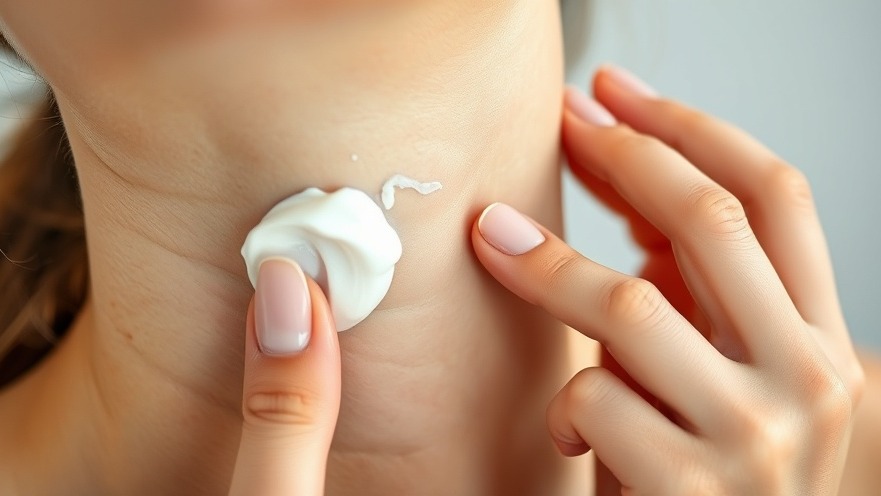
Close-up of a woman applying essential oil for skin repair on her neck.


The Myths and Realities of Moisturizers for Dry Skin

Is it possible that the prevalent belief in heavy emulsifiers as the antidote for dry skin is misplaced? Many people, especially those over 40, equate thick moisturizers with healing their skin's dryness, largely influenced by generational beauty practices. In truth, while these products can provide temporary relief, they often merely mask the symptoms rather than address the underlying issue of hydration. Moisturizers filled with occlusives can trap moisture but may not hydrate from within.

Understanding Skin Hydration

The essential function of any moisturizer is to hydrate the skin. But how does this work? The skin needs water to maintain elasticity and a youthful appearance. After cleansing, it's crucial to apply a toner that adds moisture back into the skin, ideally within 60 seconds to seal in hydration. Some practitioners recommend layering serums rich in hyaluronic acid—a humectant that attracts and retains moisture—before applying a cream moisturizer. This ensures that the skin remains plump and hydrated rather than relying solely on thick creams that may create a false sense of relief.

The Evolution of Moisturizers: A Historical Perspective

From early remedies that included natural substances like animal fat and plant oils to modern-day formulations enriched with complex ingredients—moisturizers have an illustrious history. Understanding this evolution helps us appreciate how our perspective on skincare has changed. Past generations swore by cold creams and oils, but as cosmetics science advanced, the innovation of water-based and hybrid products began reshaping industry standards. Today, the best moisturizers for dry skin feature a smarter combination of emollients and humectants that target hydration at multiple levels.

Oils vs. Water: The Great Skincare Debate

Despite the prevalence of thick, oil-laden moisturizers in the market, skincare experts emphasize the importance of water as a primary ingredient for any skin needs. Oils might provide a shiny glow and momentarily alleviate the tightness associated with dryness, but they fail to correct hydration levels at the cellular level. This misconception perpetuates the idea that dry skin can be effectively treated with just occlusives, which is misleading.

Essential Oils and Their Role in Skin Health

In addition to traditional moisturizers, integrating essential oils into your skincare routine can offer transformative benefits. Oils, such as lemon or peppermint, not only promote hydration but also possess properties that can enhance skin repair processes. For instance, lemon essential oil can brighten the skin while peppermint oil can invigorate and stimulate circulation. When used thoughtfully as part of a holistic approach, these oils can significantly improve skin texture, elasticity, and overall appearance—qualities that a thick cream alone may not provide.

Practical Tips for Choosing Moisturizers Wisely

1. **Look for Ingredients:** Prioritize moisturizers that include a combination of humectants—like glycerin and hyaluronic acid—along with occlusives if you enjoy that texture. This duo can provide both immediate relief and long-term hydration. 2. **Layering is Key:** Instead of relying solely on thick creams, experiment with layering products to maximize their benefits. Start with a hydration serum for moisture, followed by oils to trap that water in. 3. **Test for Sensitivities:** Essential oils can be potent; always patch-test new ingredients to avoid reactions. Certain oils might help with skin tags or rashes but could cause irritation in sensitive skin types.

Understanding how moisturizers affect your skin is vital for maintaining youthful and elastic skin. The path to effective skincare may be more about hydration and less about thickness. By adopting a holistic approach and integrating both modern science and natural remedies, practitioners can provide clients with more effective solutions for dry skin.

Take control of your skincare regime: Investigate the best essential oils for skin health, try out combinations that might work for you, and always remember that hydration is key.


skin health

2 Views

0 Comments

Write A Comment

*
*
Please complete the captcha to submit your comment.
Related Posts All Posts
11.13.2025

Your Esthetician’s Secret: Daily Care, Timeless Results

Did you know that inconsistent skincare routines can delay visible improvements by months or even years? Understanding the skincare consistency importance is the key to achieving radiant skin and lasting results that go beyond a momentary glow. Whether you're a skincare newbie or looking to refine your regimen, committing to regular care is what truly transforms your skin over time. In this article, we dive deep into why consistency matters, backed by expert advice from Alana Clopton of AuraPlus Beauty.What You'll LearnThe critical role of skincare consistency importance in achieving healthy skinHow to develop and maintain a consistent skincare routine tailored to your skin typeCommon myths about skincare and why consistency beats one-time treatmentsExpert advice from Alana of AuraPlus Beauty on building effective care regimensPractical tips to overcome challenges and stay committed to your skincare routineUnderstanding Skincare Consistency Importance: Definition and BenefitsWhat Does Skincare Consistency Mean?Skincare consistency importance refers to maintaining a regular, ongoing regimen of skincare practices tailored to your unique skin needs. It means not only applying products daily but doing so with patience, understanding, and care over weeks and months. Consistency ensures that your skin continually receives the nourishment and protection it needs to repair and rejuvenate properly.Without consistency, even the best products fail to deliver their full benefits. An irregular routine often leads to erratic improvements without lasting results. Committing to your regimen builds a foundation for skin health, making it possible to address concerns like sensitivity, dryness, or acne effectively.Benefits of a Consistent Skincare Routine for Skin Health and Radiant SkinEstablishing skincare consistency offers multiple benefits. Your skin’s natural renewal processes align better with regular care, reducing problematic signs such as dullness, fine lines, or uneven texture. Additionally, consistent routines help maintain the skin’s moisture barrier and promote a healthy, radiant complexion over time.Alana, of AuraPlus Beauty, explains, "Skincare is like fitness; you don't see results from just one session. Consistency is what truly transforms your skin over time." This comparison highlights that just as regular exercise yields long-term fitness benefits, repeated and steady skincare practices deliver significant and lasting improvements.The Science Behind Consistent Skincare: Skin Cells, Skin Types, and Care RegimensHow Skin Cells Respond to Regular CareYour skin is made up of living cells constantly regenerating. The epidermal renewal cycle typically lasts around 28 days, during which dead cells shed and fresh ones emerge. When you maintain a stable skincare routine, you support this natural cycle by providing the skin with essential hydration, antioxidants, and protective agents that promote cell turnover and repair.Ignoring your skin for periods interrupts this delicate balance, leading to buildup of dead skin cells, clogged pores, or dryness. Consistency in cleansing, moisturizing, and protecting your skin ensures optimal functioning of skin cells, which manifests in a fresher, more resilient appearance.Tailoring Your Care Routine to Your Skin TypeEvery skin type—dry, oily, combination, or sensitive—requires a customized approach. Understanding the unique needs of your skin type is fundamental to developing a consistent routine that delivers results. For example, dry skin benefits from richer hydrating products applied regularly, while oily skin often needs gentle balancing cleansers and mattifying agents.Alana emphasizes personalizing treatments: "I customize every facial by understanding my client's skin deeply, ensuring they leave feeling refreshed and confident." Customization is crucial because no two skins respond the same, and a one-size-fits-all regimen rarely yields consistent results.Common Skincare Myths That Undermine ConsistencyDebunking the Myth of One-Time Facials or TreatmentsA major misconception in skincare is that one facial or treatment will produce dramatic, lasting changes. Many expect immediate results after a single session and become discouraged when their skin doesn’t transform overnight. However, skincare, like all health practices, requires consistent effort and time.Alana addresses this myth clearly: "Many believe they have sensitive skin, but often it's about finding the right products. Consistent professional guidance is essential." Consistency and proper product selection go hand in hand—without both, expected improvements remain elusive.Why Not Everyone Has Sensitive Skin: The Role of Product SuitabilityMany attribute skin discomfort or reactions to sensitivity, but more often, it's a mismatch between skin and product ingredients. Using unsuitable products repeatedly can cause irritation, which some misinterpret as sensitive skin. Accurate product recommendations and sticking to a consistent routine help prevent such issues.Through education and routine adherence, professional estheticians like Alana help clients find products that suit their skin, dispelling myths and empowering clients to be confident in their skincare choices.Building and Maintaining a Consistent Skincare RoutineSteps to Create a Personalized Care RegimenStart by assessing your skin type and concerns with the help of a skincare specialist if possible. From there, select products designed for your needs—cleansers, moisturizers, treatments, and sunscreen. Introduce new products slowly, avoiding overloading your skin.Define a daily routine that fits your lifestyle: morning cleansing, treatment application, moisturizing, and sun protection, repeated nightly with cleansing and soothing care. Track your routine patiently, and keep notes on what works and any reactions you encounter to adjust accordingly.Incorporating Wellness Practices for Holistic Skin HealthHealthy skin goes beyond topical products. Nutrition, hydration, sleep, and stress management play essential roles in how your skin looks and feels. Drinking plenty of water and eating balanced meals rich in antioxidants support skin from within.Alana highlights the connection: "True skin health comes from both the inside and the outside. Taking care of yourself as a whole will always create a better, well, just a better self." Integrating mindfulness, adequate rest, and wellness practices magnifies the benefits of your skincare routine.Expert Insights & Best Practices from Alana of AuraPlus BeautyThe Importance of Communication and Education in Client CareEducation is a cornerstone in building lasting client relationships and ensuring skincare consistency. Alana points out how she debunks common myths directly and educates clients on realistic expectations, product use, and skin biology. Clear communication helps clients appreciate the gradual progress their skin will make.This educational approach builds trust, fosters adherence to routines, and ultimately leads to greater satisfaction and positive outcomes for clients.Customizing Treatments for Different Skin Types and ConcernsAlana customizes every facial based on an in-depth consultation that explores skin health, concerns, and goals. She ensures treatments match the client’s current condition, optimizing results and comfort.Her personalized philosophies revolve around effective care and rejuvenation, stating, "When clients leave, they feel refreshed and confident, not just after the session but as they continue a consistent pattern of care." This tailored approach exemplifies the true value of skincare consistency.Overcoming Challenges: Handling Unrealistic Expectations and Staying ConsistentHow to Manage Client Expectations About Results and TimeframesManaging client expectations requires honest discussions about the time skincare takes to show effects. Frequent reminders that skin transformation is gradual reinforce patience and consistency.Alana advises setting incremental goals and emphasizes the value of ongoing care: monthly visits, product adherence, and open feedback loops all reinforce a realistic outlook that helps clients stay motivated.Tips for Staying Committed to Your Skincare RoutineStaying consistent is challenging but manageable with strategies like setting reminders, tracking progress with photos, and celebrating small milestones. Engaging with professional support through follow-ups or social media communities also fosters accountability.Creating a calming, enjoyable skincare ritual can transform the routine into a positive daily moment of self-care rather than a chore, helping endurance and dedication.People Also AskHow important is consistency in skin care?Consistency is vital—it ensures that your skin continuously benefits from treatment and protection, leading to long-lasting health and glow. Sporadic use of products seldom produces visible improvements.What is the 4-2-4 rule in skincare?The 4-2-4 rule involves applying skincare products in a specific sequence and timing to maximize absorption and effectiveness: four layers of skincare products, followed by a two-minute wait, and four minutes of skin absorption time. This guides maintaining a consistent and effective routine.What happens if you are inconsistent with skincare?Inconsistent skincare can result in delayed or no improvements, recurring skin issues, and wasted product. Your skin may appear dull, irritated, or unstable due to the irregular support it receives.What is the 1% rule in skincare?The 1% rule suggests that skincare products generally work gradually and improvements accumulate by 1% over time, emphasizing the need for patience and consistent use to see meaningful results.Tables: Skincare Routine Examples by Skin TypeSkin TypeMorning RoutineEvening RoutineDry SkinGentle hydrating cleanser, moisturizing serum, rich moisturizer, sunscreen dailyGentle cleanser, nourishing night cream, hydrating mask twice weeklyOily SkinFoaming cleanser, oil-balancing serum, lightweight moisturizer, sunscreenFoaming cleanser, exfoliating toner, mattifying moisturizerCombination SkinBalancing cleanser, lightweight serum, moisturizer targeting dry or oily areas, sunscreenGentle cleanser, nourishing night serum, moisturizerSensitive SkinFragrance-free gentle cleanser, calming serum, soothing moisturizer, mineral sunscreenGentle cleanser, anti-redness cream, hydrating mask weeklyKey TakeawaysConsistency is the cornerstone of effective skincare and long-term radiant skin.Knowing your skin type and customizing your care regimen enhances results.Professional guidance helps debunk myths and tailor treatments effectively.Communication and education build trust and improve client outcomes.Skincare is a holistic practice that benefits from integrating wellness habits.ConclusionAlana concludes, "Skincare is an act of self-care that requires patience and commitment. When you stay consistent, you not only improve your skin but also your confidence and well-being."Commit today to your skin’s future by embracing steady care combined with mindful living.Call to ActionStart your consistent skincare journey today by consulting with a licensed esthetician.Commit to a personalized care routine and experience the transformative power of consistent skincare.Follow Alana @Auraplusbeauty on Instagram for the latest tips and trends in skincare consistency.

04.11.2025

Can You Get Rid of Rosacea Permanently? Here’s the Real Answer

If you’ve been dealing with rosacea, you know how stubborn and frustrating it can be. Redness, bumps, flare-ups, and facial discomfort can come and go—often at the worst possible times. You’ve probably wondered, “Can I get rid of rosacea for good?”Here’s the truth: rosacea has no permanent cure—but it can be controlled. With the right diagnosis, targeted treatments, lifestyle changes, and ongoing care, many people reduce their symptoms dramatically and enjoy long-lasting clear skin.Let’s explore how to do that.Understanding Rosacea: What It Is and Isn’tRosacea is a chronic skin condition that mainly affects the face. It causes visible redness, swelling, bumps that resemble acne, and sometimes eye irritation. The exact cause of rosacea isn’t fully known, but triggers like sunlight, spicy foods, alcohol, and stress often make it worse.There are four main types of rosacea:Erythematotelangiectatic rosacea (ETR) – redness and visible blood vesselsPapulopustular rosacea – redness with acne-like breakoutsPhymatous rosacea – thickening of the skin, often around the noseOcular rosacea – affects the eyes, causing irritation or drynessWhile it can’t be permanently erased, the right approach can lead to long stretches of clear, calm skin.Step One—Diagnosis: Getting the Right AnswerWhy Diagnosis MattersRosacea can be tricky to identify, especially in its early stages or in people with darker skin tones. Spider veins and facial flushing may not be as obvious on brown or Black skin. That’s why a professional diagnosis is essential.A dermatologist will:Examine your skinAsk about your symptoms and triggersPossibly refer you to an ophthalmologist if your eyes are affectedRule out similar conditions like psoriasis or lupusGetting a correct diagnosis is the first step toward managing and calming your skin.Step Two—Choose the Right Treatment for Your Rosacea TypeThere isn’t a one-size-fits-all rosacea treatment. What works for redness may not help bumps, and what soothes your skin may worsen someone else’s. Here’s what doctors recommend based on your symptoms.Topical Medications (Creams and Gels)These are applied directly to the skin and are best for mild to moderate rosacea.Brimonidine (Mirvaso) and Oxymetazoline (Rhofade): Reduce redness fast by narrowing blood vessels. Use sparingly—only when you really need it.Azelaic acid, Metronidazole, and Ivermectin: Help with bumps and pimples. These take a few weeks to work but offer longer-lasting results.⚠️ Tip: Using more than one topical treatment might give better results—but always follow your doctor’s advice.Oral MedicationsWhen rosacea is more severe or involves many breakouts, oral medications can help.Doxycycline: An antibiotic that reduces inflammationIsotretinoin: A powerful acne medicine reserved for serious cases that don’t respond to other treatments👉 Note: Isotretinoin must be avoided during pregnancy due to risk of birth defects.Step Three—Consider Laser Therapy for Long-Term ResultsLaser treatment isn’t a cure, but it can dramatically reduce redness and visible blood vessels.What to Expect from Laser TreatmentWorks best on fair to light skinSide effects may include redness or swelling for a few daysMay require multiple sessionsResults often last longer than topical treatmentsLaser therapy is sometimes considered cosmetic, so check your insurance. Some plans now cover it—ask in advance!⚠️ On darker skin, laser treatment could lead to changes in skin color, so discuss this thoroughly with your dermatologist.Step Four—Daily Habits That Prevent Flare-UpsYou can’t out-medicate bad skin habits. Here’s what you need to do every day to protect your face and reduce symptoms.Identify Your TriggersCommon triggers include:Spicy foodsAlcohol (especially red wine)Sun exposureHot showers or weatherStressKeep a diary and notice what seems to set off your symptoms. Avoiding triggers is one of the best ways to prevent flare-ups.Wear the Right SunscreenUse a broad-spectrum sunscreen with SPF 30 or higher, every single day.Look for:Mineral-based ingredients: titanium dioxide or zinc oxideSensitive formulas: fragrance-free, alcohol-freeAdded protection: like dimethicone or cyclomethicone for calming effectsApply it after your medication and before makeup.Cleanse and Moisturize GentlyUse a non-soap cleanser and moisturize twice daily. Avoid anything with:AlcoholCamphorUreaMentholFragranceInstead, choose products with:Azelaic acidNiacinamideCeramidesDicarboxylic acidGreen-tinted makeup can also help neutralize visible redness.Step Five—Explore Alternative and Complementary OptionsWhile not a substitute for medical treatment, certain lifestyle habits may complement your regimen.Gentle Facial MassageUse your fingers to gently massage your face in small circles. Start from the center and move outward. This may improve circulation and reduce swelling.Manage Your StressStress is a known trigger. Try:Deep breathingYogaJournalingPrayer or meditationEven 5–10 minutes a day can make a big difference.Step Six—Mental Health and Emotional SupportRosacea can affect more than your skin. It can impact your self-esteem and social confidence.Don’t Go Through It AloneTalk with a therapist or counselor if rosacea is affecting your mental healthJoin online or local rosacea support groupsShare your experience—it helps more than you thinkYou’re not alone, and your feelings are valid.What About a Permanent Cure?Here’s the honest answer: there is no permanent cure for rosacea—yet. But many people experience long periods of remission, where symptoms are mild or even invisible. This is possible with:Consistent skincare and sun protectionAvoidance of triggersPrescription treatments and laser optionsPatience and persistenceThink of rosacea like high blood pressure—it can be managed with lifestyle and medication, even though it doesn’t “go away.”Preparing for Your Dermatologist AppointmentMake the most of your time with your doctor by being prepared.What to BringA list of your symptomsTriggers you've noticedCurrent skincare products and makeupPhotos of flare-ups (especially if they come and go)Questions to AskWhat kind of rosacea do I have?What’s the best treatment for me?Can I combine treatments?What are the side effects?Will I need long-term medication?Should I consider laser therapy?And always ask if generic versions of prescriptions are available to reduce cost.Final Thoughts—You Can Get Clearer SkinRosacea may be a lifelong condition, but that doesn’t mean it has to control your life. With proper treatment, self-care, and support, your skin can look better—and feel better—than ever before.The Key TakeawaysRosacea is manageable, even if it isn’t curableThe right treatment plan is personalized to your symptomsSelf-care is non-negotiable—especially sunscreen and gentle productsYou don’t have to suffer in silence—support is out thereSo while there may not be a magic cure, there is hope. And it starts with action today.

03.27.2025

The Future of Healthy Skin: 3D Imaging Technology Revolutionizes Skin Cancer Screening

The Breakthrough in Skin Cancer ScreeningIn recent years, the landscape of skin cancer screening has witnessed a revolutionary shift with the introduction of 3D imaging technology. This cutting-edge method provides deeper insights into skin lesions, making early detection of skin cancer significantly more effective. For parents, understanding this technology is crucial, as skin cancer has become a widespread health concern, especially with rising UV exposure and the popularity of tanning.Why 3D Imaging Matters3D imaging technology allows dermatologists not just to see the skin’s surface, but to analyze its three-dimensional structure. According to recent studies, this technology can improve diagnostic accuracy, enabling dermatologists to differentiate between benign moles and malignant lesions more effectively. The depth of information collected can lead to earlier interventions, which are often critical in combating skin cancer.Historical Context: Evolution of Skin Cancer ScreeningHistorically, skin cancer screening relied heavily on 2D images and visual inspections. Many parents may recall visits to the dermatologist involving quick examinations. However, as skin cancer incidence rates climb, the methods have evolved. Previous techniques often led to misdiagnosis—benign moles being mistaken for cancerous ones and vice versa. The integration of 3D imaging represents an important step forward in patient safety and treatment efficacy.A New Perspective on Healthy SkinUnderstanding how to maintain healthy skin is important for all, especially parents who wish to model good habits for their children. A balanced diet rich in nutrients can significantly improve skin health. Foods high in antioxidants and healthy fats promote vibrant skin and may aid in skin repair. Incorporating healthy skin foods, such as spinach, fish, and avocados, can help bolster the skin's natural defenses against UV damage.The Role of Collagen in Skin HealthCollagen is often discussed in the context of skincare, but what role does it play in overall skin health? Collagen-rich foods, like bone broth and berries, not only aid in maintaining skin elasticity but also assist in repairing sun damage. Parents are encouraged to ask dermatologists about how to improve collagen levels in their skin, and whether supplements or dietary changes can assist in this effort. Understanding how collagen can be absorbed through the skin is a topic worth exploring as well.Future Predictions: The Next Steps for 3D ImagingLooking ahead, it's likely that 3D imaging will become the standard in dermatology practices worldwide. As technology improves, it may even become more accessible to home users via advanced devices. Parents should stay informed about these advancements, as they can play a vital role in their family’s wellbeing by advocating for regular skin screenings using the latest technologies.Empowering Yourself with KnowledgeKnowledge is power, especially when it comes to health. Parents should not hesitate to ask their dermatologists questions about new technologies and methods for skin screening. Questions to ask might include: 'How does 3D imaging work?' and 'What are the benefits of using this technology for my child's regular skin check?' It's crucial for parents to advocate for their family's skin health.Conclusion: Embracing Healthy Skin PracticesIn conclusion, embracing advancements in skin cancer screening can drastically change outcomes for families. Incorporating healthy practices, from monitoring skin changes to maintaining a diet rich in healthy skin foods and collagen, can enhance overall skin health. Parents are urged to adopt proactive approaches, ensuring that they and their children are protected against skin cancer. By staying informed and asking the right questions, families can navigate the complexities of skin health together.

Terms of Service

Privacy Policy

Core Modal Title

Sorry, no results found

You Might Find These Articles Interesting

T
Please Check Your Email
We Will Be Following Up Shortly
*
*
*