cropper
  SKIN SCIENCE REPORT
  • Home
  • Categories
    • Skin health
    • Skincare
    • News
    • Dermatology
    • Anti aging
    • Esthetician Spotlight
    • Skin Cancer and Sun Protection
    • Acne and Breakouts
    • Ingredients Explained
    • Eczema and Psoriasis
    • Hair and Scalp
    • Cosmetic Procedures
    • Pigmentation and Skin of Color
    • Kids and Teen Skin
    • Diet, Lifestyle and Skin
    • Skin Tech and Research
March 20.2025
3 Minutes Read

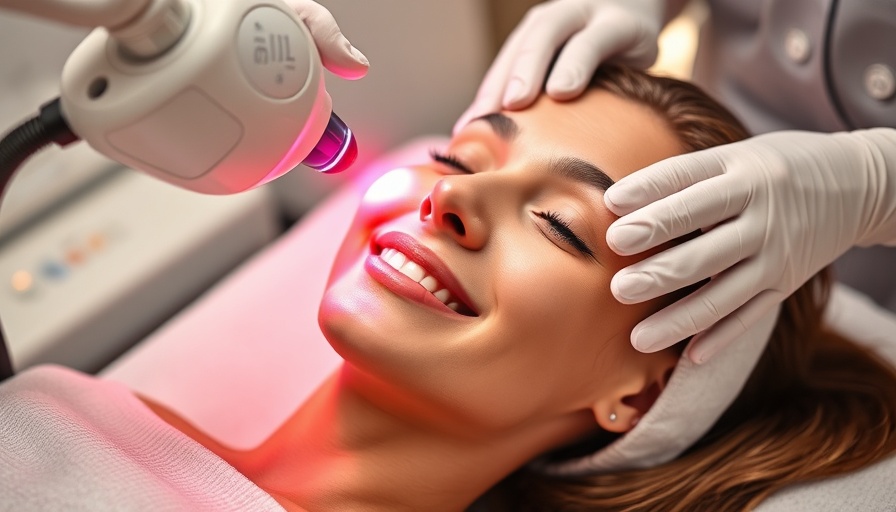
Discover the Best Laser Treatments and Natural Remedies for Glowing Skin

Woman getting a laser facial treatment for glowing skin

Unlock the Secrets to Glowing Skin

Beautiful skin is a universal desire, and with so many treatments available today, understanding the options is key to achieving that radiant glow. From the latest laser treatments to natural remedies, there’s a myriad of ways to enhance your skin’s health. Whether you’re battling wrinkles, acne scars, or just looking to enhance your natural beauty, knowledge is power in your skincare journey.

The Science Behind Laser Treatments

Modern technology has paved the way for advanced laser treatments, which offer quick and effective solutions for various skin problems. Popular techniques such as laser skin resurfacing and IPL (intense pulsed light) therapy can significantly improve skin texture and tone. These treatments work by targeting the deeper layers of the skin to stimulate collagen production, which is crucial for maintaining a youthful appearance.

Natural Alternatives for Clear Skin

For those who prefer a more natural route, home remedies can play a crucial role in achieving clear skin. Simple changes in your diet, such as incorporating nutrient-rich foods and staying hydrated, can lead to noticeable improvements. Consider adding juicing to your daily routine; certain fruits and vegetables, such as cucumbers and greens, are known for their skin-enhancing properties.

Emotional and Psychological Impact of Skin Health

Beautiful skin isn’t just about aesthetics; it can significantly affect your self-confidence and overall wellbeing. Many people link clear skin to higher self-esteem, leading to a more positive self-image. Understanding this emotional connection can motivate individuals to invest time and resources into their skincare routines, revealing the importance of holistic approaches to beauty.

Common Misconceptions in Skincare

With so much information available, it's essential to scrutinize popular beliefs in skincare. For instance, many think that using harsh scrubs will vastly improve skin issues like acne or pigmentation, but this is often counterproductive. Instead, gentle exfoliation combined with hydrating serums can promote a smoother texture without causing irritation.

Future Trends in Skincare

As we look ahead, the skincare industry will likely continue to evolve, focusing on personalization and natural ingredients. Consumers are increasingly interested in understanding what goes into their products and how these ingredients can benefit their specific skin types. Furthermore, advancements in technology, like AI-driven assessments and customized serums, are set to enhance how individuals approach their skincare.

Your Journey to Glowing Skin

Whether you opt for science-based treatments or natural remedies, your journey to glowing skin is a personal one filled with unique choices and reflections. The best approach is the one that resonates with you and caters to your lifestyle. Remember, healthy skin is a reflection of overall health, so embracing a balanced routine—both in your products and your diet—will help you achieve that desired glow.

Conclude with Action

If you’re ready to take the next step towards achieving flawless skin, explore the various treatments and home remedies that speak to you. Empower yourself with knowledge and don’t hesitate to consult a skincare professional for tailored advice. Your dream skin is just a few steps away!

Skincare Cosmetic Procedures

11 Views

0 Comments

Write A Comment

*
*
Please complete the captcha to submit your comment.
Related Posts All Posts
11.07.2026

Comparing Cosmetic Dermatology Procedures: Chemical Peel vs Microneedling Benefits & Trends

Two people look in the mirror, each with the same question: Will a professional cosmetic dermatology procedure give them the results they expect for smoother, firmer, brighter skin? Chemical peels and microneedling surface as two of the most requested treatments today, but how do they really compare? This guide gives you the plain evidence and expert input to help you choose with clarity.What You'll Learn About Cosmetic Dermatology ProceduresKey differences between chemical peels and microneedlingBenefits, risks and typical recovery timelines for each cosmetic dermatology procedureTrends and new advancements in cosmetic dermatology proceduresA ranked list of top cosmetic dermatology procedures for facial rejuvenationCosmetic Treatment Choices: How Chemical Peels and Microneedling WorkChemical peels and microneedling each provide targeted benefits for common skin conditions, but their techniques could not be more distinct. Chemical peels use specially chosen acids to exfoliate and peel away the upper layers of the skin. This triggers new cell growth and can help with pigmentation, texture and signs of aging. Microneedling, in contrast, uses a precise and highly controlled array of tiny needles to gently puncture the skin’s surface, stimulating collagen and elastin production for firmer, more even skin.Both methods are classified as minimally invasive cosmetic treatments. While chemical peels are often selected for people seeking treatment of pigmentation and texture irregularities, microneedling is gaining popularity for targeting acne scars, skin firmness and fine lines. The best choice for you depends on your skin’s history, existing conditions and your expectations for results. These cosmetic dermatology procedures are used by people of all ages and skin types, but a professional evaluation will help you select the option that fits your unique care system and health goals.For those interested in a deeper dive into the science and step-by-step process behind microneedling, you can explore a comprehensive breakdown of how microneedling works, its benefits, and what to expect during recovery. This resource can help clarify whether microneedling aligns with your specific skin goals and concerns.Chemical Peels in Cosmetic Dermatology ProceduresChemical peels remain a cornerstone of cosmetic dermatology. Dermatologists customize chemical solutions (using alpha hydroxy acids, beta hydroxy acids or trichloroacetic acid, among others) to address issues like sun damage, age spots and uneven skin tone. The intensity of the peel can range from superficial to deep. Light peels refresh dull skin with little downtime, while medium and deep peels reach lower layers, making a tremendous difference in treatment for deeper wrinkles, scars or severe discoloration.The main benefit of chemical peels lies in their versatility. With proper assessment, chemical peels can be personalized for patients with different skin tones and concerns. Risks of chemical peels include temporary redness, swelling and (rarely) pigment changes or scarring. Proper skin care and sun protection after the procedure support a safe recovery in the health care system. A schedule of repeat, lighter peels may be used to achieve gradual change, while single deep peels are reserved for more severe cases. Physicians take a careful approach, particularly for skin of color or histories of certain skin conditions.Microneedling as a Cosmetic Dermatology ProcedureMicroneedling has taken a leading place in cosmetic dermatology for treating scars, fine lines and pores. The procedure uses a device with fine, sterile needles to cause controlled micro-injuries on the skin. These punctures trigger the body’s natural healing process, spurring new collagen and elastin—both crucial for smooth, firm skin. Most patients report minimal discomfort and describe after-effects similar to slight sunburn.This cosmetic treatment is increasingly chosen for acne scars lasting months, early skin aging, and general firmness. Downtime from microneedling is usually brief, typically one to three days depending on depth and skin sensitivity. Results often appear after several treatments spaced four to six weeks apart. Risks are generally low, but infection, pigment changes or minor scarring can occur, especially without sterile technique or proper post-procedure care. The association is leading initiatives to create a more efficient and sustainable health system for delivering evidence-based cosmetic dermatology care, and microneedling plays an important role in that picture.Skin Cancer Considerations with Cosmetic DermatologyCosmetic dermatology procedures are important services, but any intervention that intentionally injures the skin surface must be weighed against the need for early detection of skin cancer. Dermatologists take precautions to ensure that procedures like chemical peels or microneedling do not mask signs of types of skin cancer or delay diagnosis. A full skin exam may be recommended before treatment, especially for those with a history of skin cancer or increased risk factors.Today, leaders in the health care system encourage open conversations about skin cancer risks and recommend monitoring for suspicious changes before and after cosmetic treatments. Initiatives to create more efficient and sustainable health care systems have called for improved skin cancer education. If you notice new or changing moles, spots or patches that do not heal, bring these up during your consultation. Early detection makes a tremendous difference in treatment outcomes.Top 7 Cosmetic Dermatology Procedures for Facial RejuvenationChemical peelsMicroneedlingDermal fillersLaser resurfacingBotox injectionsMicrodermabrasionPlatelet-rich plasma therapyComparing Cosmetic Dermatology: Key Benefits and DrawbacksEfficacy of Chemical Peels vs MicroneedlingChemical peels and microneedling both offer measurable upgrades for common skin conditions, but the mechanism and time to results are different. Chemical peels remove damaged surface layers, helping even out discoloration and roughness with results visible within a few days after recovery. Microneedling strengthens the lower layers by boosting collagen, and the effects accumulate gradually with each repeated session, sometimes producing more natural-looking changes over time, especially in acne scars or fine wrinkles.Neither procedure is universally better. The most appropriate method depends on your goal: For pigmentation and texture, chemical peels often provide faster initial results. For acne scars and firmness, microneedling’s deeper remodeling may offer a more sustained improvement. Both treatments are considered minimally invasive and can be repeated for enhanced or ongoing cosmetic results.Risks Associated with Chemical Peels and MicroneedlingAll cosmetic dermatology procedures come with potential side effects. Chemical peels can cause redness, swelling, flaking, and, far less commonly, pigment changes or scarring. This is why proper pre-procedure screening and post-care are essential. Microneedling usually carries fewer immediate risks, but poor technique or unclean devices can introduce infection, cause prolonged redness, or create minor scarring, especially in people with sensitive or darker skin.Skin cancer risk is not increased by either treatment, but masking or delaying the diagnosis of skin cancer remains a concern. If you use cosmetic procedures regularly, schedule regular skin checks. Cosmetic dermatology has advanced, but no health care system can prevent problems without active monitoring.Recovery Times for Cosmetic Dermatology ProceduresThe recovery timeline is a consideration for anyone integrating cosmetic treatment into their schedule. Most chemical peels require two to seven days for surface healing, with deeper peels extending downtime up to two weeks. Microneedling often leads to two to four days of redness and light flaking. There’s less swelling or peeling, and patients can usually resume light daily activities quickly. Both options typically involve some degree of sun sensitivity, so a strong daily sunscreen and supportive skin care are recommended directly afterward.Downtime length varies by individual healing and the strength of the treatment. A trained dermatologist will adapt the approach and provide advice to minimize discomfort and support a sustainable health recovery process.Long-term Outcomes: Cosmetic Treatment ResultsMost people are satisfied with the results of professional-grade chemical peels and microneedling when procedures are properly matched to their skin concerns. Maintenance treatments may be needed over the long term: lighter peels every few months or microneedling sessions yearly or semi-annually to preserve results. Choosing an experienced provider and following a consistent post-treatment care system—such as gentle cleansing, moisturizer and SPF—will help maintain improvements and reduce the risk of complications.Long-term results vary by skin condition, age and overall health. Laser and injectable procedures can sometimes give a more pronounced effect, but chemical peels and microneedling are favored for their safety, adaptability and the ability to refresh skin without significant downtime, which supports more efficient and sustainable health for the skin over time.List of Popular Cosmetic Dermatology Procedures and Emerging TrendsChemical peels for pigmentation and textureMicroneedling for acne scars and firmnessFractional lasers for skin resurfacingInjectables for dynamic wrinklesWhat Are the Different Types of Cosmetic Dermatology Procedures?Answer: Overview of Cosmetic Dermatology ProceduresCosmetic dermatology encompasses a wide group of procedures, including chemical peels, microneedling, dermal fillers, laser treatments, microdermabrasion, Botox and platelet-rich plasma therapy. Each technique is chosen for a specific outcome, such as reducing pigmentation, improving texture, restoring lost volume or minimizing lines.These services address common skin concerns for people of all ages and are delivered in a controlled, medically supervised environment to help ensure safety and optimal results. Consultation with a board-certified dermatologist remains the central recommendation to decide which cosmetic dermatology procedure suits individual needs and goals.What is the List of Procedures of Dermatology?Answer: Common Dermatology Procedures Used TodayDermatology procedures can be categorized as cosmetic (elective for appearance) or medical (addressing disease or discomfort). Common skin and cosmetic procedures include chemical peels, microneedling, hair removal (laser or waxing), cryotherapy, excision of moles or skin lesions, skin cancer checks and biopsies.Dermatologists continue to advance medical knowledge and patient care systems by integrating established methods with newer, more efficient treatments for sustainable health. The most effective plan combines medically necessary care with elective treatments for appearance and function.What is the Most Popular Cosmetic Procedure?Answer: Leading Cosmetic Dermatology Procedures in the USBotox injections, chemical peels and dermal fillers are consistently among the most popular cosmetic dermatology procedures in the United States. Chemical peels are chosen for resurfacing and brightening, fillers add natural volume and soften lines, while Botox manages dynamic wrinkles from repeated facial expression.These cosmetic treatments are minimally invasive, performed in the outpatient setting and can help meet patient expectations for smoother, more even skin texture with little recovery time. The care system prioritizes both results and safety for long-term, sustainable health improvements.What is the Newest Facial Procedure in Cosmetic Dermatology?Answer: Innovations in Cosmetic Dermatology ProceduresPlatelet-rich plasma therapy (PRP) and novel injectables represent the most recent additions to cosmetic dermatology for the face. PRP uses a small amount of the patient’s own blood, processed to enrich growth factors, and applied or injected to stimulate tissue repair and collagen synthesis. Early evidence shows promise for fine lines, texture and skin tone.Similarly, new fillers designed for specific facial areas, and “fractional” laser devices that target tiny columns of skin for precise treatment, are expanding the list of procedures. The association is leading initiatives to create more efficient ways to match emerging technology with predictable, natural results.Table: Chemical Peel vs Microneedling Features ComparisonFeatureChemical PeelMicroneedlingPrimary PurposeExfoliate and resurface skin; treat pigmentation and textureStimulate collagen for firmness; target acne scars, linesDowntime2 to 14 days (depends on intensity)1 to 4 days (typically minimal)RisksRedness, flaking, rare pigment changeRedness, possible infection, rare scarringMost Effective ForPigmentation, sun damage, surface roughnessScarring, fine lines, mild laxityNumber of Sessions1 (deep) to 3 (light/medium) per year3 to 6 sessions, spaced 4-6 weeksQuotes from Experts on Cosmetic Dermatology Procedures"Both chemical peels and microneedling are valuable options, but the key is tailoring the procedure to the patient’s specific skin type and goals," said a board-certified dermatologist involved in leading initiatives for efficient and sustainable health care systems. Another specialist in groove street clinical practice noted, "We screen for types of skin cancer before starting any cosmetic dermatology procedures. Early detection makes a tremendous difference in treatment and safety. "Key Takeaways for Choosing Cosmetic Dermatology ProceduresChemical peels work quickly for pigment and texture; microneedling builds collagen for firmness and scars.Consult a board-certified dermatologist for screening and a tailored strategy.Regular monitoring for skin changes supports early skin cancer detection and safe outcomes.Long-term results rely on professional technique, ongoing care, and personal skin health history.Frequently Asked Questions about Cosmetic Dermatology ProceduresWhat are the different types of cosmetic dermatology procedures? Chemical peels, microneedling, dermal fillers, laser resurfacing, Botox, microdermabrasion, and platelet-rich plasma therapy are some of the most common choices to refresh facial skin and address common skin concerns.What is the list of procedures of dermatology? Dermatology includes both medical and cosmetic procedures: chemical peels, microneedling, excision, biopsies, hair removal, laser, cryotherapy and more, depending on the patient’s needs.What is the most popular cosmetic procedure? Botox injections, chemical peels, and dermal fillers lead U. S. cosmetic treatment statistics, with chemical peels being one of the foundational options for facial rejuvenation.What is the newest facial procedure in cosmetic dermatology? Platelet-rich plasma (PRP) therapy and targeted fractional lasers are among the newest tools used in cosmetic dermatology to enhance skin tone and texture with less downtime.Choose the Right Cosmetic Dermatology Procedure for Your NeedsFine-tune your cosmetic treatment plan by consulting a certified provider. Discuss personal goals, medical history, and recovery preferences to select the cosmetic dermatology procedure aligned to your expectations for results you expect—and safe, sustainable health for your skin.If you’re eager to expand your understanding of the latest advancements and holistic strategies in skin health, the Skin Science Report offers in-depth articles and expert perspectives on cosmetic dermatology and beyond. Discover how emerging technologies, evidence-based care, and personalized approaches are shaping the future of skin rejuvenation. Whether you’re considering your first procedure or looking to optimize your ongoing regimen, exploring these resources can empower you to make informed, confident decisions for your skin’s long-term vitality.

11.07.2026

Struggling with Skin Care Products? Here’s the Fix Today

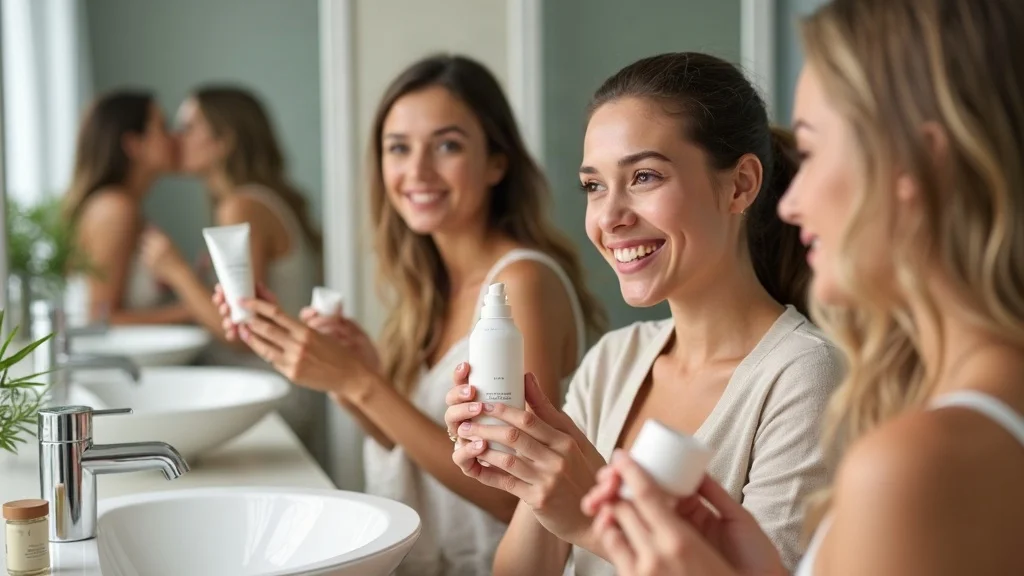
Opening the bathroom cabinet can feel overwhelming: dozens of bottles, tubs, and tubes all promising smoother, clearer, or younger skin. But most people find themselves frustrated, unsure if their skin care products are helping, or even suitable for their skin type. For anyone who feels lost among ingredient labels and care routines, understanding the basics can make all the difference. This guide lays out what matters in skin care, how to make choices that fit, and what happens when you try “recommended” solutions and still see no results. What you'll learn about skin care products Core categories of skin care products and how they work How skin care routines can be personalized The science guiding skin care product selection What to look for in dermatologist recommended skin care products Where to find further reading or advice on personal care A closer look at skin care products: Immediate observations Skin care in everyday life For many, skin care products are part of daily habits as automatic as brushing teeth or making coffee. The normal sequence — cleanse, moisturize, protect — is now joined by serums, eye creams, and specialty care tools. People scan ingredient lists for retinol, hyaluronic acid or antioxidants. Yet, even the basic steps can bring questions: is a single-step cleanser enough? Should sunscreen be daily or only for sunny days? Research shows routine is what counts, but the best care routine depends on both the person and the products. Choices about skin care products tie closely to individual skin type, age, sensitivities, and climate. There is no single “right” lineup for care products, and dermatologists often advise focusing on results that can be felt and seen over time. Establishing a care routine is not about chasing complex or trending products; instead, it’s about understanding what works for you and sticking with it consistently. This grounded approach helps cut through the busy product carousel and highlights what the skin genuinely needs each day. A scenario: Choosing between personal care products Suppose you’re standing in a store, comparing two similar bottles; both claim to reduce fine lines, both say “dermatologist recommended. ” One promises a “standard dose” of active ingredients, the other highlights “strength dose” results in clinical study language. The decision can feel like a puzzle. Most product pages sound persuasive, often pointing to buttons to navigate, code gifts or free shipping to entice a purchase. Yet, what matters for your skin? Stepping back and reviewing which ingredients have strong evidence, and considering your own sensitivity or history of skin problems, goes further than any marketing label. Consumer confusion is common not due to a lack of choice, but because the science and benefits are often lost in sales language. When evaluating which products to trust, it can be helpful to look at how ingredient lists and product claims are broken down in detail. For a practical guide on reading and understanding skincare ingredient labels, you’ll find step-by-step advice that can make your next purchase more informed and less overwhelming. Direct answer: How do skin care products help with daily care? Skin care products support daily care by enabling you to clean the skin, maintain hydration, protect against environmental hazards like UV rays, and address specific concerns such as signs of aging or sensitivity. Their effectiveness depends greatly on choosing suitable products for your skin type and using them as part of a consistent care routine. Dermatologist recommended options often focus on ingredients proven to lock in moisture, offer sun protection or improve visible skin texture over time. Summary: Key roles of skin care products by type Different types of skin care products have specific jobs. Cleansers remove dirt, excess oil and environmental pollutants. Moisturizers replace or seal in water to maintain softness and prevent dryness. Sunscreens limit the effect of UV rays, which can cause both immediate sunburn and long-term signs of aging such as fine lines. Products labeled for “fine lines” or “anti-aging” usually target elasticity and hydration using ingredients like hyaluronic acid or retinol. Care tools (such as brushes or silicone applicators) are designed to enhance the effects of these products or make the routine easier. Each plays a part, but the basic trio — cleanser, moisturizer and sunscreen — anchors most effective care routines among skin care products. Why skin care routines matter Research on skin health suggests routine is as important as product choice. Regular and proper use allows the skin to adapt and recover, especially when switching or adding new personal care products. Quick changes or overuse can cause sensitivity, irritation, or reduce benefits. Dermatologists often note that visible improvements from recommended skin care products require several weeks, which is why patience and consistency are often more valuable than frequent experimentation. Categories of skin care products Cleansers, moisturizers and sunscreens These three product categories form the backbone of most skin care routines. Cleansers gently remove dirt, oil, and leftover makeup without over-drying. For sensitive skin types, choosing a cleanser that avoids common irritants is key. Moisturizers come in creams, gels, or lotions that help lock in moisture and support the skin’s barrier function. Sunscreens, vital for all skin types, shield against UV rays and help slow the progression of fine lines and discoloration. Expert reviews and clinical studies often highlight these products, confirming their place in effective daily routines. When building a care routine, starting with these essentials simplifies decision-making amid a crowded personal care aisle. Some cleansers and moisturizers contain extra ingredients targeting dryness or oil control, but all should support the skin’s natural protective functions. Sunscreens are available in mineral and chemical formulas. Dermatologist recommended options validate sun protection claims with rigorous science and appropriate regulatory approval, which is why scanning for broad-spectrum and SPF ratings is suggested on any product page for details. Products targeting fine lines and aging Skin care products for aging skin tend to focus on hydration, cell turnover, and sun protection. These products may contain peptides, retinoids, antioxidants, and hyaluronic acid, working to minimize the look of fine lines and improve firmness. The science around these ingredients is grounded in clinical studies, where consistent use shows improvement in visible signs of aging. Product pages sometimes highlight clinical study findings or standard dose information to show credibility, but it’s always important to look out for dermatologist recommended status and peer-reviewed research backing their claims. Dermatologists often remind users that such products deliver subtle, gradual results, not instant changes. Sun protection remains central, even in products making anti-aging claims. For those comparing care tools, such as micro-needling devices or massage wands, there’s still limited consensus on their long-term effects compared to well-established creams and serums. Specialty care products and tools Beyond the basics, specialty skin care products target issues such as hyperpigmentation, breakouts, or extreme sensitivities. Spot treatments, exfoliants, masks, and personal care tools (such as cleansing brushes, silicone pads, or gua sha stones) are marketed as ways to fine-tune a care routine. While care tools can add variety or ritual to daily life, their effects usually depend on technician technique and individual skin tolerance. Peer-reviewed support for many of these is still emerging, and dermatologist recommended lists focus far more on proven ingredients rather than manual tools. There’s also a growing market for “dermatologist recommended” accessories, from high-frequency devices to cooling rollers. Most often, these are positioned in product carousels or as limited-time beauty gift bundles. Before adding a new tool, the best practice is to ensure it does not disrupt a routine already working for your skin type or introduce extra irritation. How to build a care routine using skin care products Personalizing your skin care routine Personalizing a care routine means matching products and steps to your own skin’s needs, not simply following trends or product page suggestions. Some people require regular deep cleansing due to oil production, while others prefer gentle formulations for sensitive skin. The aim is to avoid overloading with active ingredients or using tools that provide little benefit. Reading ingredient lists, understanding skin type, and tracking how your skin responds after changes will help you create a routine that is both sustainable and effective. Tracking changes may help clarify when a new product is ideal, or when existing choices are causing irritations. Skin type and environmental factors A major step in building an effective skin care routine lies in knowing your skin type: oily, dry, combination, or sensitive. Environmental factors such as humidity, air pollution, seasonal changes, and daily habits (for example, time outdoors or exposure to heated indoor air) all influence which skin care products perform best. A “one size fits all” approach rarely works, and dermatologist recommended advice usually starts with matching product type to skin sensitivity, climate, and habits for optimal effectiveness. For example, someone in a dry climate might double down on richer moisturizers, while someone in a humid environment could prioritize oil-controlling products plus lightweight sun protection. Tips for integrating new skin care products When adding a new personal care product to your routine, introduce only one at a time. This approach can help you monitor for unexpected reactions, such as irritation, increased sensitivity or redness. Patch testing, which involves applying a small amount to a limited skin area, can catch potential allergies before they become widespread problems. Following guidance on the product page for details about frequency and application order lets you get the most benefit without risking overuse or clashing ingredients. It’s easy to want instant changes, but building or adjusting a care routine is best done gradually, and it’s usually several weeks before any consistent difference appears. Table: Comparing common skin care products Type Main Purpose Common Ingredients Best For Dermatologist Recommended? Cleansers Remove dirt and oil Glycerin, mild surfactants All skin types Yes, gentle options favored Moisturizers Lock in moisture Hyaluronic acid, ceramides Dry/dehydrated skin Yes, wide evidence base Sunscreens Sun protection Zinc oxide, avobenzone All skin types Yes, SPF 30+ suggested Products for Fine Lines Address aging signs Retinol, peptides Aging or sun-exposed skin Sometimes, varies by ingredient Care Tools Aid application or exfoliation Silicone, soft bristles Routine enhancers Not usually, depends on type The science behind effective skin care products Ingredient focus: Why some products are dermatologist recommended Dermatologist recommended skin care products generally share two features: they include ingredients with research-backed claims, and they avoid well-known irritants. Ingredients like hyaluronic acid, ceramides, and certain forms of vitamin C have clear records in maintaining or improving skin health. Evaluating care products means looking for an evidence base, often found through peer-reviewed clinical study data. These studies report on benefits of various doses, frequencies, or combinations of ingredients. Skincare scientists and dermatologists rely on proof, not marketing, when recommending products. Claims such as “strength dose” or reference to clinical study results can indicate a product’s support in scientific literature. Review product labels for ingredient lists and, when available, look for explanations of how the product is tested and what its ratings mean. This is also why the term “dermatologist recommended” on a package holds weight only when it is connected to transparent evidence and not just branding. Evidence around sun protection in skin care products Sun protection remains the only universally agreed foundation in skin care science. The damaging effects of UV rays are supported by decades of epidemiological studies and dermatology consensus. Sunscreens that carry SPF ratings, particularly broad-spectrum coverage, reduce both immediate sunburn risk and the longer-term development of fine lines and pigment changes. Recent clinical studies focus on real-world use, measuring how consistently people apply products, rather than just ingredient lists. Dermal absorption and coverage are as important as what’s inside the tube, which is why using sunscreen as part of your daily care routine is strongly supported in scientific and medical literature. Research on products for fine lines and aging Treatments for fine lines and other signs of aging often rely on ingredients with proven cell renewal properties, such as retinoids and certain peptides. Double-blind, controlled clinical studies assess how these products affect skin over varying time periods and in different skin types. The majority of peer-reviewed findings suggest improvements are visible only after several weeks or longer. Products that make immediate-impact claims or imply overnight results are rarely aligned with published research. Dermatologist recommended care here involves minimum irritation and realistic timelines, stressing patience with new additions and awareness of personal tolerance levels. When to seek advice: Signs your skin care products may not suit you Irritation, sensitivity, or persistent skin problems Persistent redness, itching, burning, or changes such as sudden breakouts may signal that a skin care product is unsuitable for your skin type. Irritations can occur from strong active doses or inadvertent mixing of ingredients that should not be combined. Sensitive skin types, in particular, should introduce new personal care products cautiously and follow any standard dose instructions stated on the product page for details. Keeping a record of reactions can help you share experiences with a clinician, should future issues persist beyond over-the-counter solutions. When to ask about dermatologist recommended solutions If after several weeks of use your care routine is leading to ongoing issues, or if you show signs such as swelling, increased discoloration, or chronic discomfort, a consultation with a dermatologist is suggested. They can give advice suited to your skin’s history and needs, providing clarity around product labels and evidence-based care. For anyone unable to resolve problems with simple adjustments, seeking personalized advice is often more effective than self-experimentation or relying solely on product ratings and consumer reviews. Reviewing personal care products: Independent perspectives “Most skin care products require several weeks of consistent use for any changes to become noticeable,” said a board-certified dermatologist. Consumer and expert reviews on common care products Independent reviews from both users and dermatology experts shape public impressions of skin care products, often helping others avoid common pitfalls or wasted purchases. True consumer feedback frequently points out practical issues, such as texture, fragrance, application feel, or ease of use with other products in a care routine. Expert reviews tend to focus on safety, ingredient efficacy, and appropriateness for sensitive or complex skin types. Reading across sources — not just a single product page or carousel — helps set realistic expectations and understand what is backed by science versus personal preference. Realistic expectations and limits One of the most common mistakes in care routines is expecting changes too quickly or relying on marketing promises that are not supported by independent evidence. Even dermatologist recommended products emphasize gradual, long-term maintenance over immediate transformation. Understanding these limits and adopting a conservative, consistent approach will provide more meaningful, lasting changes for most people. Features such as free gifts, gift codes, or bundled beauty gift offerings should not outweigh scientific features or suitability for your own skin. People Also Ask: Which products are best for skin care? Best skin care products and how to choose them The best skin care products fit your skin type, respond to your needs, and are supported by an evidence base. Cleansers, moisturizers, and broad-spectrum sunscreens with clear SPF ratings are consistently highlighted in dermatology research. Choosing among them involves reviewing ingredient lists for effective doses, confirming the absence of known irritants, and considering guidance on the product page for details about their proven use. Answer: The best skin care products will depend on your skin type, goals and the products’ evidence base. Products with dermatologist recommended ingredients, such as sunscreens for sun protection and moisturizers for hydration, are widely accepted as key elements of an effective care routine. People Also Ask: What are the 5 basics of skin care with products? The five basics: A product-centric overview Most routines start simple: cleanse, hydrate, treat, protect, and occasionally exfoliate. Each stage has products designed to accomplish one clear task, with occasional overlap depending on skin type or condition. Cleansers and moisturizers work for all skin types, while targeted treatments like those for fine lines or pigmentation require greater caution. Sunscreens always anchor the “protect” phase, getting strong support from clinical study evidence on their importance for every age or environment. Exfoliants, whether physical tools or chemical agents, should be used based on skin tolerance and individual response. Answer: Most skin care routines center around five steps: cleansing, moisturizing, treating with active products (such as antioxidants or products for fine lines), sun protection, and gentle exfoliation. Each step can be supported by targeted skin care products suited to your needs. People Also Ask: What are the top 3 skincare products? Core product rankings from dermatologists Peer-reviewed clinical studies and dermatology surveys typically list three product types as essential: cleansers, moisturizers, and broad-spectrum sunscreens. These items provide a foundation while allowing customization with specialty treatments based on skin type or unique conditions. Most dermatologist recommended care routines begin here and advise caution before adding more complex or active products. Answer: The three products most often mentioned in basic skin care are cleansers, moisturizers and sunscreens, supported by clinical reviews and general dermatology practice. People Also Ask: What is the #1 skincare product? Leading products according to dermatologist recommendations Sunscreen is widely recognized as the most protective and beneficial product in any routine, regardless of skin type or specific concerns. Its role in limiting UV rays and preventing both acute and chronic damage is unmatched. Most dermatology associations base their guidance and recommendations around consistent, broad-spectrum sun protection — making sunscreen the one thing almost all experts agree on as the “must-have” in daily skin care. Answer: Many dermatologists say that sunscreen is the single most important skin care product for long-term skin health and sun damage prevention. How to select the right skin care products: Practical advice Understanding product ingredients and labels Deciphering the ingredient list is a practical approach to making sure a personal care product suits you. Focus on items contained in the main active ingredients — such as hyaluronic acid for hydration, ceramides for barrier support, or retinol for fine lines. Avoid being swayed by branding or vague promises. If the product claims “standard dose” or “strength dose,” try to find supporting evidence, such as references to published studies or a clear description of the ingredient’s concentration. Reading labels closely, especially when buying for sensitive skin or a specific condition, avoids unnecessary irritation and helps in personalizing your routine. Checking for dermatologist recommended and evidence-based ingredients Trust in products where ingredients are supported by real studies. Look for terms such as “backed by clinical study” or indications that the product has been reviewed by independent dermatologists. The inclusion of broad-spectrum sun protection, retinol, or peptides in a formula is only part of the equation — how the product is formulated and tested matters for safety and efficacy. When in doubt, consult neutral sources or ask a qualified professional, rather than relying solely on the product carousel or marketing language on a product page for details. Avoiding common irritants in personal care products Fragrances, alcohols, and certain preservatives can cause reactions, especially in sensitive skin types. For anyone with a record of reactions, check ingredients for known triggers and steer clear of products with unclear labels. Patch testing new products before incorporating them fully into your care routine reduces risk. Reputable products often include allergy information on packaging or within the detailed text alongside their standard dose and application instructions. Making the most of your personal care routine Tips for consistency and tracking changes with skin care products Consistency is what makes a care routine effective. Use new personal care products for several weeks before deciding whether they “work” for you. Documenting changes, such as improved hydration or reduced fine lines, allows you to track results and spot patterns. If a product causes discomfort, review ingredients and stop use, especially for sensitive skin types. Regular usage and evaluation are better than chasing every new free gift or rotating products based solely on trends. How to introduce new personal care products safely Replace or add only one product at a time, allowing the skin to adjust. Monitor your skin for increased redness, dryness, breakouts, or itchiness. Wait at least a week before adding a second new item. Details about layering order and waiting times are sometimes included on a product page for details and are worth reviewing before starting a new routine. Careful integration is more reliable than abrupt changes influenced by seasonal offers, code gifts, or gifts-with-purchase incentives. Adapting your routine as your skin changes Age, environment, and health all affect which products provide the greatest benefit. Skin that was once oily might become dry, or sensitivity can develop after illness. Adjust your routine based on what your skin shows you. Remove or adjust care products as needed, reassess every few months, and look for evidence-based guidance before following seasonal trends or advice found only on product carousels. Common mistakes with skin care products and how to avoid them Skipping sunscreen or doubling active ingredients Many people forget sunscreen, believing it’s only for summer or outdoor exposure. However, sun protection remains critical year-round for minimizing fine lines and pigment changes. Doubling up on similar active ingredients (such as two retinol products in the same routine) can also cause irritation, particularly for sensitive skin types. Mixing incompatible products Some ingredients, like retinoids and benzoyl peroxide, can clash and reduce each other’s effectiveness or increase the risk of irritation. Always check compatibility when adding something new, especially if already using products labeled as “active” or “exfoliating. ” Guidance about combinations can sometimes be found on reputable clinical study summaries or dermatologist recommended lists, but always test cautiously. Expecting results too quickly Manufacturers often promise rapid changes, but skin adapts slowly. Most evidence-based products show their full effects only after consistent use for weeks, not days. By tracking skin reactions and keeping realistic expectations, you avoid disappointment and reduce frustration. The best care routine is one that works for your lifestyle and can be maintained over the long term. Frequently asked questions about skin care products Is it safe to layer different skin care products? Layering is safe when products are designed to work together, but using too many actives or incompatible ingredients can cause irritation. Start with the simplest combinations: cleanser, moisturizer, sunscreen. Add extras only as needed, and watch for adverse reactions. Can personal care products cause allergic reactions? Yes. Individual ingredients or combinations can trigger allergic responses, ranging from mild redness to severe inflammation. Use patch tests on a small area of skin before applying any new care product widely, especially if you have a history of allergies or sensitive skin types. How often should you update your care routine? Consider reviewing your skin care routine every few months or whenever your skin’s needs, environment or health change. Continually adding new products is unlikely to help. Instead, only update your routine when you notice lack of results, worsening irritation, or lifestyle changes such as a new climate. Should skin care products be changed with the seasons? Sometimes yes; skin can become drier during colder months and may need richer moisturizers. In warmer, more humid weather, lighter products and renewed sun protection may suit better. Adjustments should be based on your skin’s actual response, not simply the calendar. Key facts to remember about skin care products Not all skin care products are suitable for every skin type. Focus on cleansers, moisturizers, and sun protection as the routine foundation. Research and evidence matter more than claims. Patch test new personal care products first. For further information: Where to learn more about personal care and skin care products Links to authoritative skin health sources For up-to-date, evidence-based information on skin care products, visit: – American Academy of Dermatology (AAD): Skin care basics – National Institutes of Health (NIH): Personalized approaches Suggestions for ongoing education Staying informed means following reputable publications, attending public webinars, and joining educational campaigns from medical organizations. If exploring new care products, look for recent peer-reviewed research or discussions led by licensed dermatologists. Avoid making decisions based only on social media, trending beauty gift bundles, or user testimonials lacking peer review. If you’re ready to take your understanding of skin care to the next level, consider exploring the broader science behind healthy skin and how lifestyle, nutrition, and environment all play a role. The Skin Science Report offers in-depth articles and expert insights that go beyond product selection, helping you build a holistic approach to personal care. Whether you’re curious about the latest research, want to refine your routine, or are seeking advanced strategies for long-term skin health, you’ll find resources designed to empower your decisions. Dive deeper and discover how evidence-based knowledge can transform your daily regimen into a truly effective self-care practice. This article is for general information and is not medical advice. Talk with a qualified healthcare professional about your own skin.

11.06.2026

Unveil the Secret of Top Skin Care Lines for Radiant Skin

Is the label on your favorite skin care product a true mark of quality, or just a bestseller badge? Choosing from the vast world of skin care products can be confusing. Some lines promise visible results, others tout clinical research, and many appear on lists of skincare bestsellers—but what actually sets the top skin care lines apart? This article will help you understand how experts define and evaluate leading brands, how to sort marketing from evidence, and what practical steps you can take to match any product to your own skin needs. Start with what matters in top skin care lines What you'll learn How experts define 'top skin care lines' The differences between top skin care lines, mass market and prescription products How to weigh claims of skincare bestsellers against the evidence Shoppers face a wall of options: cleansers, serums, moisturizers from drugstores, luxury boutiques, and online retailers. Some products offer clinical-sounding promises, while others become skincare bestsellers almost overnight because of word-of-mouth. What counts as a top skin care line? Experts don’t look at sales numbers alone. Instead, they ask which formulas have credible research backing, which products offer clear ingredient lists and data, and how effectively solutions for skin concerns are offered. Top-rated skin care lines typically stand out for their ingredient transparency and the quality of evidence behind their formulas. It’s also key to understand the differences between mass market, prescription, and so-called “prestige” brands. Some top skin care lines are only available by doctor recommendation, because they use stronger actives or targeted solutions for specific skin concerns. Many commercial care products are designed for broad use and may not have robust scientific backing, but might still land on a skincare bestseller list due to visibility. Balancing label claims with actual research is the first step toward finding care products that offer both safety and value for your needs. No skin care site can diagnose or treat, but learning what sets these brands apart will help you make informed choices. Features that set top skin care lines apart Common formulas and ingredients in top skin care lines Examples: retinol, ceramides, vitamin C, hyaluronic acid Top skin care lines often rely on ingredients that are both researched in published studies and widely recognized by dermatologists. Retinol, a form of vitamin A, is frequently cited for its potential to address visible signs of aging and mild sun damage. Ceramides help support the skin barrier, which is crucial for those who struggle with dryness and sensitivity. Vitamin C, often listed as ascorbic acid, is common in formulas for uneven skin tone or dullness because it may help protect against visible effects of sun exposure. Hyaluronic acid is another staple in many top lines; it can help attract and retain moisture, which is essential for comfortable, smooth-feeling skin. Each of these ingredients appears in a variety of product types, from serums and moisturizers to specialty care products designed for specific concerns. Still, an ingredient’s name alone does not guarantee its effectiveness. Concentration of actives, supporting ingredients, and the overall formulation all influence results. What top skin care lines offer is not just a checklist of buzzworthy ingredients, but combinations shown in studies to work together—and clear disclosure of what (and how much) you’re actually using. Being able to identify core ingredients and how they interact can help shoppers filter products beyond the marketing claims. For a deeper dive into how specific ingredients like retinol and vitamin C work within leading formulas, you might find it helpful to review ingredient-focused breakdowns and expert insights available on Skin Science Report. These resources can clarify how evidence-based actives contribute to the effectiveness of top skin care lines. Signs of quality in top skin care lines: evidence, transparency and manufacturing "What matters most is that the formula uses ingredients with evidence for the condition it claims to treat," said the AAD. A top skin care line does more than include trending ingredients. Quality stands out through a commitment to ingredient transparency—giving full lists, not hiding behind vague terms. Brands that invest in controlled studies (even small ones) and share details about their processes or third-party testing make it easier for you to judge the safety and usefulness of a product. Manufacturing quality matters; careless production can lead to contamination or less stable formulas, affecting results and even safety. The American Academy of Dermatology (AAD) and other expert groups often note that more published research, fuller ingredient disclosure, and responsive customer service signal a higher standard. Looking for brands that publish results or explain their sourcing is one way to compare beyond advertising. Transparency also means stating a formula’s limits—some ingredients work for fine lines or dryness, others target breakouts, but there’s rarely a one-size-fits-all answer for every skin concern. Evidence, openness, and safe manufacturing practices are the main pillars of trusted lines. How top skin care lines are chosen and ranked Criteria used in reviews of skincare bestsellers Research evidence: published clinical trials, sample size, participant diversity Brand transparency: ingredient lists, company history Limitations: reviewer bias, small studies, funding sources Many consumer-facing sites and professional publications create lists of “top skin care lines” or skincare bestsellers, but their methods vary. Some publish survey data from users, others collate dermatologist recommendations, and some rank based on published research. Clinical trials—where a product is tested in real people, with controls—are the gold standard for evidence. The number of participants in a study, their skin type diversity, and the duration of the test all impact the reliability of results. Lines that make it into top rankings usually cite at least some clinical data and share their ingredient sources openly. Brand transparency goes beyond an accurate ingredient list. Trusted brands will also publish their company history, explain where ingredients come from, and disclose their stance on issues like animal testing or environmental sustainability. When reading reviews, watch for limits like small sample sizes (which can make findings less reliable), potential bias if studies are funded by the brand, or if reviewers received payment or free products in exchange for ratings. Honest reporting of both strengths and weaknesses helps readers sort marketing from meaningful evidence in skin care products. Brand Core Ingredients Skin Type Suitability Notable Studies (if applicable) Brand 1 Retinol, hyaluronic acid Normal, dry, mature Double-blind study, 12 weeks, 100 adults Brand 2 Vitamin C, ceramides Combination, dullness Peer-reviewed journal, 60 subjects, mixed ethnicity Brand 3 Niacinamide, peptides Oily, congested Observational study, 6 months, 40 adults What are the top-rated skincare lines? Survey and review approaches to selecting top-rated skincare lines Attributes referenced in expert and consumer reviews Warnings and limitations: absence of long-term data, new products on the market The most mentioned top skin care lines often appear across several review platforms because of repeated positive feedback on both effectiveness for specific skin concerns and perceived safety. Trusted expert reviews cite ingredient quality, amount of research backing, and track records of minimizing irritation. Consumer-driven rankings, in contrast, may reference how pleasant a product feels, packaging convenience, or even how easily the site does not ship to your country or region, which can affect access. Expert and consumer reviews do not always agree. A newly released line can rocket to skincare bestseller status in some consumer reports, but may lack any long-term study results or safety record. Experts urge readers to watch for the absence of long-term outcome data—some ingredients and formulas take months or years to show their real effect or lack of side effects. As with all care products, choosing a top-rated line involves trade-offs, balancing current research with ongoing updates as more information becomes available. If a product claims to offer solutions for skin concerns, look for evidence of both short-term and ongoing benefit. What is the #1 skin care line? Challenges in declaring a single #1 skin care line "There isn't a single best for everyone, because results depend on the product and the user," dermatologist, via AAD advice. No skin care line is universally the best. Different people have different skin types—oily, dry, combination, sensitive—and unique concerns. A solution that helps one person with fine lines might irritate another with acne. Even among top skin care lines, what care products offer in terms of results can depend on consistent use, outside factors like sun exposure, and whether someone is using products meant for their particular needs. This is why experts and organizations like the AAD emphasize discussing concerns directly with a knowledgeable skin care professional. Marketing sometimes names a single product as "the #1 skin care line," but these rankings often reflect only short-term sales or limited survey populations. The most careful, evidence-based sources recommend considering the available research, your own skin needs, and input from a professional over focusing solely on rankings or awards. The best choice is almost always personal, and may even change over time as your skin or environment changes. What are the top 10 skin care brands? Range and characteristics of the top 10 skin care brands How these lines vary by active ingredients, formulation and audience The top 10 skin care brands often earn their place by offering consistent, evidence-backed results for a variety of users. Some focus on anti-aging with retinol and peptides, while others cater to sensitive skin types, using ceramides and minimal scents or preservatives. Their product ranges can include everything from cleansers and sunscreens to targeted serums. These brands also tend to innovate—in packaging, delivery systems, or by addressing new concerns as research develops. Across this group, differences emerge in how formulas are designed and who they serve. A line targeting people with acne-prone skin will likely highlight ingredients like salicylic acid or niacinamide. Brands known for luxury or prestige may focus on complex delivery systems, rare ingredients, or high-end packaging, while still needing to show evidence for safety and effectiveness. Not all top-10 brands have products available where you live, as distribution and shipping can be limited; some sites do not ship to your country. Thinking about your primary skin concerns and the ingredient focus of a brand can help match you to the right type of top skin care line. What are the top 10 most popular skincare brands? Popularity of top skin care lines: sales, visibility and consumer reports What makes a skincare bestseller? Factors that may not indicate effectiveness, but drive visibility Brands can become skincare bestsellers for reasons beyond clinical outcomes. Often, marketing, influencer mentions, and patterns in consumer use drive a brand’s visibility into bestseller territory. High accessibility—products available widely in stores and online—helps. Attractive packaging, a strong social media presence, and endorsements from celebrities or dermatologists in advertisements add to the sense that a brand is among the top skin care lines. Sales and popularity reports, however, rarely reflect long-term studies of safety or effectiveness for all skin types. Widely sold does not always mean widely suitable. Some of the top 10 most popular skincare brands have best-selling care products that offer a pleasant user experience, a fresh scent, or a novel texture rather than uniquely effective formulas. Expert sources advise looking beyond the bestseller label: check how long the product has been on the market, if third-party reviews mention lasting effects for specific skin concerns, and what evidence is available for long-term use. Popularity can be a sign of satisfaction or effective advertising; which reason matters most is a personal decision. FAQs about top skin care lines How often should I change my skincare brand if it is not working? If your current skin care products are not meeting your needs after consistent use for several weeks, some experts suggest considering other brands or products. Changes can depend on your skin’s reaction, evolving skin concerns, or seasonal shifts. Talk to a skincare professional before making frequent switches, as over-changing products can sometimes cause irritation. Are expensive top skin care lines better than drugstore lines? Price does not guarantee effectiveness. While some more expensive lines invest in research or higher-quality packaging, many drugstore lines use ingredients supported by studies, too. The best choice depends on ingredient evidence, how your skin responds, and personal preference—not just the price tag. How do I interpret a skincare bestseller label? "Bestseller" often signals that a product is selling quickly or is popular on a given site, not necessarily that it's the most effective or best for your concerns. Use these labels as a prompt to research further and look for evidence you can verify. Can a person with sensitive skin use top skin care lines safely? Many top skin care lines have products specifically designed for sensitive skin, using gentle surfactants and minimal fragrances. Always check full ingredient lists for potential triggers, and start with patch testing. For ongoing irritation, consult a dermatologist for tailored advice. Key facts about top skin care lines Top skin care lines are typically evaluated based on ingredient evidence and user experience No single product is proven best for every skin type Reviews and rankings may reflect popularity, not always evidence Discuss any skin concerns with a licensed skin care professional Health information notes This article is for general information and is not medical advice. Talk with a qualified healthcare professional about your own skin. Overview of what defines a top skin care line: ingredient science, product safety, and label reading tips. Animated and product visuals. Clean, editorial style. If you’re ready to move beyond the basics and want to truly understand the science behind your favorite products, exploring comprehensive resources like Skin Science Report can offer you a broader perspective on ingredient research, product safety, and evolving trends in skincare. Delving into these expert analyses empowers you to make more confident, personalized choices as new brands and formulations emerge. Whether you’re seeking advanced techniques for specific skin concerns or want to stay ahead of the latest innovations, continuing your journey with in-depth, evidence-based content will help you achieve your healthiest skin yet. Let your curiosity guide you to the next level of skincare knowledge and self-care.
Skin Science News

Because skin health is a cornerstone of overall well-being, it is a major factor in influencing physical appearance, immunity, and quality of life across all age groups. As the body’s largest organ and first line of defense, the skin protects against environmental stressors like UV radiation and pollution while also reflecting internal health factors such as nutrition and stress levels.

COMPANY

  • Privacy Policy
  • Terms of Use
  • Advertise
  • Contact Us
  • Menu 5
  • Menu 6

info@skinsciencereport.com

5850 Macklind, St. Louis, MO

© 2026 Rising Review LLC All Rights Reserved. 5850 Macklind Avenue, St. Louis, MO 63109 . Contact Us . Terms of Service . Privacy Policy

eyJjb21wYW55IjoiUmlzaW5nIFJldmlldyBMTEMiLCJhZGRyZXNzIjoiNTg1MCBNYWNrbGluZCBBdmVudWUiLCJjaXR5IjoiU3QuIExvdWlzIiwic3RhdGUiOiJNTyIsInppcCI6IjYzMTA5IiwiZW1haWwiOiJidXNpbmVzc0ByaXNpbmdyZXZpZXcuY29tIiwidG9zIjoiUEhBK1BITjBjbTl1Wno0OFpXMCtWMmhsYmlCNWIzVWdjMmxuYmkxcGJpQjNhWFJvSUhWekxDQjViM1VnWVhKbElHZHBkbWx1WnladVluTndPeUI1YjNWeUlIQmxjbTFwYzNOcGIyNGdZVzVrSUdOdmJuTmxiblFnZEc4Z2MyVnVaQ0I1YjNVZ1pXMWhhV3dnWVc1a0wyOXlJRk5OVXlCMFpYaDBJRzFsYzNOaFoyVnpMaUJDZVNCamFHVmphMmx1WnlCMGFHVWdWR1Z5YlhNZ1lXNWtJRU52Ym1ScGRHbHZibk1nWW05NElHRnVaQ0JpZVNCemFXZHVhVzVuSUdsdUlIbHZkU0JoZFhSdmJXRjBhV05oYkd4NUlHTnZibVpwY20wZ2RHaGhkQ0I1YjNVZ1lXTmpaWEIwSUdGc2JDQjBaWEp0Y3lCcGJpQjBhR2x6SUdGbmNtVmxiV1Z1ZEM0OEwyVnRQand2YzNSeWIyNW5Qand2Y0Q0S0NqeHdQanhoSUdoeVpXWTlJbWgwZEhBNkx5OTNkM2N1WjI5dloyeGxMbU52YlNJK2FIUjBjRG92TDNkM2R5NW5iMjluYkdVdVkyOXRQQzloUGp3dmNENEtDanh3UGladVluTndPend2Y0Q0S0NqeHdQanh6ZEhKdmJtYytVMFZTVmtsRFJUd3ZjM1J5YjI1blBqd3ZjRDRLQ2p4d1BsZGxJSEJ5YjNacFpHVWdZU0J6WlhKMmFXTmxJSFJvWVhRZ1kzVnljbVZ1ZEd4NUlHRnNiRzkzY3lCNWIzVWdkRzhnY21WalpXbDJaU0J5WlhGMVpYTjBjeUJtYjNJZ1ptVmxaR0poWTJzc0lHTnZiWEJoYm5rZ2FXNW1iM0p0WVhScGIyNHNJSEJ5YjIxdmRHbHZibUZzSUdsdVptOXliV0YwYVc5dUxDQmpiMjF3WVc1NUlHRnNaWEowY3l3Z1kyOTFjRzl1Y3l3Z1pHbHpZMjkxYm5SeklHRnVaQ0J2ZEdobGNpQnViM1JwWm1sallYUnBiMjV6SUhSdklIbHZkWElnWlcxaGFXd2dZV1JrY21WemN5QmhibVF2YjNJZ1kyVnNiSFZzWVhJZ2NHaHZibVVnYjNJZ1pHVjJhV05sTGlCWmIzVWdkVzVrWlhKemRHRnVaQ0JoYm1RZ1lXZHlaV1VnZEdoaGRDQjBhR1VnVTJWeWRtbGpaU0JwY3lCd2NtOTJhV1JsWkNBbWNYVnZkRHRCVXkxSlV5WnhkVzkwT3lCaGJtUWdkR2hoZENCM1pTQmhjM04xYldVZ2JtOGdjbVZ6Y0c5dWMybGlhV3hwZEhrZ1ptOXlJSFJvWlNCMGFXMWxiR2x1WlhOekxDQmtaV3hsZEdsdmJpd2diV2x6TFdSbGJHbDJaWEo1SUc5eUlHWmhhV3gxY21VZ2RHOGdjM1J2Y21VZ1lXNTVJSFZ6WlhJZ1kyOXRiWFZ1YVdOaGRHbHZibk1nYjNJZ2NHVnljMjl1WVd4cGVtRjBhVzl1SUhObGRIUnBibWR6TGp3dmNENEtDanh3UGxsdmRTQmhjbVVnY21WemNHOXVjMmxpYkdVZ1ptOXlJRzlpZEdGcGJtbHVaeUJoWTJObGMzTWdkRzhnZEdobElGTmxjblpwWTJVZ1lXNWtJSFJvWVhRZ1lXTmpaWE56SUcxaGVTQnBiblp2YkhabElIUm9hWEprSUhCaGNuUjVJR1psWlhNZ0tITjFZMmdnWVhNZ1UwMVRJSFJsZUhRZ2JXVnpjMkZuWlhNc0lFbHVkR1Z5Ym1WMElITmxjblpwWTJVZ2NISnZkbWxrWlhJZ2IzSWdZMlZzYkhWc1lYSWdZV2x5ZEdsdFpTQmphR0Z5WjJWektTNGdXVzkxSUdGeVpTQnlaWE53YjI1emFXSnNaU0JtYjNJZ2RHaHZjMlVnWm1WbGN5d2dhVzVqYkhWa2FXNW5JSFJvYjNObElHWmxaWE1nWVhOemIyTnBZWFJsWkNCM2FYUm9JSFJvWlNCa2FYTndiR0Y1SUc5eUlHUmxiR2wyWlhKNUlHOW1JR1ZoWTJnZ1UwMVRJSFJsZUhRZ2JXVnpjMkZuWlNCelpXNTBJSFJ2SUhsdmRTQmllU0IxY3k0Z1NXNGdZV1JrYVhScGIyNHNJSGx2ZFNCdGRYTjBJSEJ5YjNacFpHVWdZVzVrSUdGeVpTQnlaWE53YjI1emFXSnNaU0JtYjNJZ1lXeHNJR1Z4ZFdsd2JXVnVkQ0J1WldObGMzTmhjbmtnZEc4Z1lXTmpaWE56SUhSb1pTQlRaWEoyYVdObElHRnVaQ0J5WldObGFYWmxJSFJvWlNCVFRWTWdkR1Y0ZENCdFpYTnpZV2RsY3k0Z1YyVWdaRzhnYm05MElHTm9ZWEpuWlNCaGJua2dabVZsY3lCbWIzSWdaR1ZzYVhabGNua2diMllnWlcxaGFXd2diM0lnVTAxVExpQlVhR2x6SUdseklHRWdabkpsWlNCelpYSjJhV05sSUhCeWIzWnBaR1ZrSUdKNUlIVnpMaUJJYjNkbGRtVnlMQ0J3YkdWaGMyVWdZMmhsWTJzZ2QybDBhQ0I1YjNWeUlHbHVkR1Z5Ym1WMElITmxjblpwWTJVZ2NISnZkbWxrWlhJZ1lXNWtJR05sYkd4MWJHRnlJR05oY25KcFpYSWdabTl5SUdGdWVTQmphR0Z5WjJWeklIUm9ZWFFnYldGNUlHbHVZM1Z5SUdGeklHRWdjbVZ6ZFd4MElHWnliMjBnY21WalpXbDJhVzVuSUdWdFlXbHNJR0Z1WkNCVFRWTWdkR1Y0ZENCdFpYTnpZV2RsY3lCMGFHRjBJSGRsSUdSbGJHbDJaWElnZFhCdmJpQjViM1Z5SUc5d2RDMXBiaUJoYm1RZ2NtVm5hWE4wY21GMGFXOXVJSGRwZEdnZ2IzVnlJR1Z0WVdsc0lHRnVaQ0JUVFZNZ2MyVnlkbWxqWlhNdUlGbHZkU0JqWVc0Z1kyRnVZMlZzSUdGMElHRnVlU0IwYVcxbExpQktkWE4wSUhSbGVIUWdKbkYxYjNRN1UxUlBVQ1p4ZFc5ME95QjBieUE4YUdsbmFHeHBaMmgwSUdOc1lYTnpQU0pqYjIxd1lXNTVVR2h2Ym1WVmNHUmhkR1VpUGpNeE5DMDJNall0TURnNE56d3ZhR2xuYUd4cFoyaDBQaTRnUVdaMFpYSWdlVzkxSUhObGJtUWdkR2hsSUZOTlV5QnRaWE56WVdkbElDWnhkVzkwTzFOVVQxQW1jWFZ2ZERzZ2RHOGdkWE1zSUhkbElIZHBiR3dnYzJWdVpDQjViM1VnWVc0Z1UwMVRJRzFsYzNOaFoyVWdkRzhnWTI5dVptbHliU0IwYUdGMElIbHZkU0JvWVhabElHSmxaVzRnZFc1emRXSnpZM0pwWW1Wa0xpQkJablJsY2lCMGFHbHpMQ0I1YjNVZ2QybHNiQ0J1YnlCc2IyNW5aWElnY21WalpXbDJaU0JUVFZNZ2JXVnpjMkZuWlhNZ1puSnZiU0IxY3k0OEwzQStDZ284Y0Q0OGMzUnliMjVuUGxsUFZWSWdVa1ZIU1ZOVVVrRlVTVTlPSUU5Q1RFbEhRVlJKVDA1VFBDOXpkSEp2Ym1jK1BDOXdQZ29LUEhBK1NXNGdZMjl1YzJsa1pYSmhkR2x2YmlCdlppQjViM1Z5SUhWelpTQnZaaUIwYUdVZ1UyVnlkbWxqWlN3Z2VXOTFJR0ZuY21WbElIUnZPand2Y0Q0S0NqeHZiRDRLQ1R4c2FUNXdjbTkyYVdSbElIUnlkV1VzSUdGalkzVnlZWFJsTENCamRYSnlaVzUwSUdGdVpDQmpiMjF3YkdWMFpTQnBibVp2Y20xaGRHbHZiaUJoWW05MWRDQjViM1Z5YzJWc1ppQmhjeUJ3Y205dGNIUmxaQ0JpZVNCMGFHVWdVMlZ5ZG1salpTWWpNems3Y3lCeVpXZHBjM1J5WVhScGIyNGdabTl5YlNBb2MzVmphQ0JwYm1admNtMWhkR2x2YmlCaVpXbHVaeUIwYUdVZ0puRjFiM1E3VW1WbmFYTjBjbUYwYVc5dUlFUmhkR0VtY1hWdmREc3BJR0Z1WkR3dmJHaytDZ2s4YkdrK2JXRnBiblJoYVc0Z1lXNWtJSEJ5YjIxd2RHeDVJSFZ3WkdGMFpTQjBhR1VnVW1WbmFYTjBjbUYwYVc5dUlFUmhkR0VnZEc4Z2EyVmxjQ0JwZENCMGNuVmxMQ0JoWTJOMWNtRjBaU3dnWTNWeWNtVnVkQ0JoYm1RZ1kyOXRjR3hsZEdVdUlFbG1JSGx2ZFNCd2NtOTJhV1JsSUdGdWVTQnBibVp2Y20xaGRHbHZiaUIwYUdGMElHbHpJSFZ1ZEhKMVpTd2dhVzVoWTJOMWNtRjBaU3dnYm05MElHTjFjbkpsYm5RZ2IzSWdhVzVqYjIxd2JHVjBaU3dnYjNJZ2QyVWdhR0YyWlNCeVpXRnpiMjVoWW14bElHZHliM1Z1WkhNZ2RHOGdjM1Z6Y0dWamRDQjBhR0YwSUhOMVkyZ2dhVzVtYjNKdFlYUnBiMjRnYVhNZ2RXNTBjblZsTENCcGJtRmpZM1Z5WVhSbExDQnViM1FnWTNWeWNtVnVkQ0J2Y2lCcGJtTnZiWEJzWlhSbExDQjNaU0JvWVhabElIUm9aU0J5YVdkb2RDQjBieUJ6ZFhOd1pXNWtJRzl5SUR4emRISnZibWMrUEhOd1lXNGdjM1I1YkdVOUltTnZiRzl5T2lOR1JqQXdNREE3SWo1MFpYSnRhVzVoZEdVZ2VXOTFjaUJoWTJOdmRXNTBMM0J5YjJacGJHVWdZVzVrSUhKbFpuVnpaU0JoYm5rZ1lXNWtJR0ZzYkNCamRYSnlaVzUwSUc5eUlHWjFkSFZ5WlNCMWMyVWdiMllnZEdobElGTmxjblpwWTJVZ0tHOXlJR0Z1ZVNCd2IzSjBhVzl1SUhSb1pYSmxiMllwTGp3dmMzQmhiajQ4TDNOMGNtOXVaejQ4TDJ4cFBnbzhMMjlzUGdvS1BIQStKbTVpYzNBN1BDOXdQZ284YUdsbmFHeHBaMmgwSUdOc1lYTnpQU0pqYjIxd1lXNTVUbUZ0WlZWd1pHRjBaU0krVW1semFXNW5JRkpsZG1sbGR5Qk1URU04TDJocFoyaHNhV2RvZEQ0OFluSWdMejRLUEdocFoyaHNhV2RvZENCamJHRnpjejBpWTI5dGNHRnVlVUZrWkhKbGMzTlZjR1JoZEdVaVBqVTROVEFnVFdGamEyeHBibVFnUVhabGJuVmxMQ0JUZEM0Z1RHOTFhWE1zSUUxUElEWXpNVEE1UEM5b2FXZG9iR2xuYUhRK1BHSnlJQzgrQ2p4b2FXZG9iR2xuYUhRZ1kyeGhjM005SW1OdmJYQmhibmxRYUc5dVpWVndaR0YwWlNJK016RTBMVFl5Tmkwd09EZzNQQzlvYVdkb2JHbG5hSFErUEdKeUlDOCtDanhvYVdkb2JHbG5hSFFnWTJ4aGMzTTlJbU52YlhCaGJubEZiV0ZwYkZWd1pHRjBaU0krWW5WemFXNWxjM05BY21semFXNW5jbVYyYVdWM0xtTnZiVHd2YUdsbmFHeHBaMmgwUGc9PSIsInByaXZhY3kiOiJQSEErUEhOMGNtOXVaejVRVWtsV1FVTlpQQzl6ZEhKdmJtYytQQzl3UGdvS1BIQStQSE4wY205dVp6NVVhR1VnYVc1bWIzSnRZWFJwYjI0Z2NISnZkbWxrWldRZ1pIVnlhVzVuSUhSb2FYTWdjbVZuYVhOMGNtRjBhVzl1SUdseklHdGxjSFFnY0hKcGRtRjBaU0JoYm1RZ1kyOXVabWxrWlc1MGFXRnNMQ0JoYm1RZ2QybHNiQ0J1WlhabGNpQmlaU0JrYVhOMGNtbGlkWFJsWkN3Z1kyOXdhV1ZrTENCemIyeGtMQ0IwY21Ga1pXUWdiM0lnY0c5emRHVmtJR2x1SUdGdWVTQjNZWGtzSUhOb1lYQmxJRzl5SUdadmNtMHVJRlJvYVhNZ2FYTWdiM1Z5SUdkMVlYSmhiblJsWlM0OEwzTjBjbTl1Wno0OEwzQStDZ284Y0Q0OGMzUnliMjVuUGtsT1JFVk5Ua2xVV1R3dmMzUnliMjVuUGp3dmNENEtDanh3UGp4bGJUNVpiM1VnWVdkeVpXVWdkRzhnYVc1a1pXMXVhV1o1SUdGdVpDQm9iMnhrSUhWekxDNGdZVzVrSUdsMGN5QnpkV0p6YVdScFlYSnBaWE1zSUdGbVptbHNhV0YwWlhNc0lHOW1abWxqWlhKekxDQmhaMlZ1ZEhNc0lHTnZMV0p5WVc1a1pYSnpJRzl5SUc5MGFHVnlJSEJoY25SdVpYSnpMQ0JoYm1RZ1pXMXdiRzk1WldWekxDQm9ZWEp0YkdWemN5Qm1jbTl0SUdGdWVTQmpiR0ZwYlNCdmNpQmtaVzFoYm1Rc0lHbHVZMngxWkdsdVp5QnlaV0Z6YjI1aFlteGxJR0YwZEc5eWJtVjVjeVlqTXprN0lHWmxaWE1zSUcxaFpHVWdZbmtnWVc1NUlIUm9hWEprSUhCaGNuUjVJR1IxWlNCMGJ5QnZjaUJoY21semFXNW5JRzkxZENCdlppQkRiMjUwWlc1MElIbHZkU0J5WldObGFYWmxMQ0J6ZFdKdGFYUXNJSEpsY0d4NUxDQndiM04wTENCMGNtRnVjMjFwZENCdmNpQnRZV3RsSUdGMllXbHNZV0pzWlNCMGFISnZkV2RvSUhSb1pTQlRaWEoyYVdObExDQjViM1Z5SUhWelpTQnZaaUIwYUdVZ1UyVnlkbWxqWlN3Z2VXOTFjaUJqYjI1dVpXTjBhVzl1SUhSdklIUm9aU0JUWlhKMmFXTmxMQ0I1YjNWeUlIWnBiMnhoZEdsdmJpQnZaaUIwYUdVZ1ZFOVRMQ0J2Y2lCNWIzVnlJSFpwYjJ4aGRHbHZiaUJ2WmlCaGJua2djbWxuYUhSeklHOW1JR0Z1YjNSb1pYSXVQQzlsYlQ0OEwzQStDZ284Y0Q0OGMzUnliMjVuUGtSSlUwTk1RVWxOUlZJZ1QwWWdWMEZTVWtGT1ZFbEZVend2YzNSeWIyNW5Qand2Y0Q0S0NqeHdQanh6ZEhKdmJtYytXVTlWSUVWWVVGSkZVMU5NV1NCVlRrUkZVbE5VUVU1RUlFRk9SQ0JCUjFKRlJTQlVTRUZVT2p3dmMzUnliMjVuUGp3dmNENEtDanh2YkQ0S0NUeHNhVDVaVDFWU0lGVlRSU0JQUmlCVVNFVWdVMFZTVmtsRFJTQkpVeUJCVkNCWlQxVlNJRk5QVEVVZ1VrbFRTeTRnVkVoRklGTkZVbFpKUTBVZ1NWTWdVRkpQVmtsRVJVUWdUMDRnUVU0Z0puRjFiM1E3UVZNZ1NWTW1jWFZ2ZERzZ1FVNUVJQ1p4ZFc5ME8wRlRJRUZXUVVsTVFVSk1SU1p4ZFc5ME95QkNRVk5KVXk0Z0xDNGdRVTVFSUZWVExDQkpWQ1lqTXprN1V5QkRWVk5VVDAxRlVsTXNJRVZZVUZKRlUxTk1XU0JFU1ZORFRFRkpUVk1nUVV4TUlGZEJVbEpCVGxSSlJWTWdUMFlnUVU1WklFdEpUa1FzSUZkSVJWUklSVklnUlZoUVVrVlRVeUJQVWlCSlRWQk1TVVZFTENCSlRrTk1WVVJKVGtjc0lFSlZWQ0JPVDFRZ1RFbE5TVlJGUkNCVVR5QlVTRVVnU1UxUVRFbEZSQ0JYUVZKU1FVNVVTVVZUSUU5R0lFMUZVa05JUVU1VVFVSkpURWxVV1N3Z1JrbFVUa1ZUVXlCR1QxSWdRU0JRUVZKVVNVTlZURUZTSUZCVlVsQlBVMFVnUVU1RUlFNVBUaTFKVGtaU1NVNUhSVTFGVGxRdVBDOXNhVDRLQ1R4c2FUNU5RVXRGVXlCT1R5QlhRVkpTUVU1VVdTQlVTRUZVSUNocEtTQlVTRVVnVTBWU1ZrbERSU0JYU1V4TUlFMUZSVlFnV1U5VlVpQlNSVkZWU1ZKRlRVVk9WRk1zSUNocGFTa2dWRWhGSUZORlVsWkpRMFVnVjBsTVRDQkNSU0JWVGtsT1ZFVlNVbFZRVkVWRUxDQlVTVTFGVEZrc0lGTkZRMVZTUlN3Z1QxSWdSVkpTVDFJdFJsSkZSU3dnS0dscGFTa2dWRWhGSUZKRlUxVk1WRk1nVkVoQlZDQk5RVmtnUWtVZ1QwSlVRVWxPUlVRZ1JsSlBUU0JVU0VVZ1ZWTkZJRTlHSUZSSVJTQlRSVkpXU1VORklGZEpURXdnUWtVZ1FVTkRWVkpCVkVVZ1QxSWdVa1ZNU1VGQ1RFVXNJRUZPUkNBb2FYWXBJRUZPV1NCRlVsSlBVbE1nU1U0Z1ZFaEZJRk5QUmxSWFFWSkZJRmRKVEV3Z1FrVWdRMDlTVWtWRFZFVkVMand2YkdrK0NnazhiR2srUVU1WklFMUJWRVZTU1VGTUlFUlBWMDVNVDBGRVJVUWdUMUlnVDFSSVJWSlhTVk5GSUU5Q1ZFRkpUa1ZFSUZSSVVrOVZSMGdnVkVoRklGVlRSU0JQUmlCVVNFVWdVMFZTVmtsRFJTQkpVeUJFVDA1RklFRlVJRmxQVlZJZ1QxZE9JRVJKVTBOU1JWUkpUMDRnUVU1RUlGSkpVMHNnUVU1RUlGUklRVlFnV1U5VklGZEpURXdnUWtVZ1UwOU1SVXhaSUZKRlUxQlBUbE5KUWt4RklFWlBVaUJCVGxrZ1JFRk5RVWRGSUZSUElGbFBWVklnUTA5TlVGVlVSVklnVTFsVFZFVk5JRTlTSUV4UFUxTWdUMFlnUkVGVVFTQlVTRUZVSUZKRlUxVk1WRk1nUmxKUFRTQlVTRVVnUkU5WFRreFBRVVFnVDBZZ1FVNVpJRk5WUTBnZ1RVRlVSVkpKUVV3dVBDOXNhVDRLQ1R4c2FUNU9UeUJCUkZaSlEwVWdUMUlnU1U1R1QxSk5RVlJKVDA0c0lGZElSVlJJUlZJZ1QxSkJUQ0JQVWlCWFVrbFVWRVZPTENCUFFsUkJTVTVGUkNCQ1dTQlpUMVVnUmxKUFRTQlBVaUJVU0ZKUFZVZElJRTlTSUVaU1QwMGdWRWhGSUZORlVsWkpRMFVnVTBoQlRFd2dRMUpGUVZSRklFRk9XU0JYUVZKU1FVNVVXU0JPVDFRZ1JWaFFVa1ZUVTB4WklGTlVRVlJGUkNCSlRpQlVTRVVnVkU5VExqd3ZiR2srQ2p3dmIydytDZ284Y0Q0OGMzUnliMjVuUGt4SlRVbFVRVlJKVDA0Z1QwWWdURWxCUWtsTVNWUlpQQzl6ZEhKdmJtYytQQzl3UGdvS1BIQStXVTlWSUVWWVVGSkZVMU5NV1NCVlRrUkZVbE5VUVU1RUlFRk9SQ0JCUjFKRlJTQlVTRUZVSUVGT1JDQlRTRUZNVENCT1QxUWdRa1VnVEVsQlFreEZJRVpQVWlCQlRsa2dSRWxTUlVOVUxDQkpUa1JKVWtWRFZDd2dTVTVEU1VSRlRsUkJUQ3dnVTFCRlEwbEJUQ3dnUTA5T1UwVlJWVVZPVkVsQlRDQlBVaUJGV0VWTlVFeEJVbGtnUkVGTlFVZEZVeXdnU1U1RFRGVkVTVTVISUVKVlZDQk9UMVFnVEVsTlNWUkZSQ0JVVHl3Z1JFRk5RVWRGVXlCR1QxSWdURTlUVXlCUFJpQlFVazlHU1ZSVExDQkhUMDlFVjBsTVRDd2dWVk5GTENCRVFWUkJJRTlTSUU5VVNFVlNJRWxPVkVGT1IwbENURVVnVEU5VFUwVlRJQ2hGVmtWT0lFbEdJRWhCVXlCQ1JVVk9JRUZFVmtsVFJVUWdUMFlnVkVoRklGQlBVMU5KUWtsTVNWUlpJRTlHSUZOVlEwZ2dSRUZOUVVkRlV5a3NJRkpGVTFWTVZFbE9SeUJHVWs5Tk9qd3ZjRDRLQ2p4dmJENEtDVHhzYVQ1VVNFVWdWVk5GSUU5U0lGUklSU0JKVGtGQ1NVeEpWRmtnVkU4Z1ZWTkZJRlJJUlNCVFJWSldTVU5GT3p3dmJHaytDZ2s4YkdrK1ZFaEZJRU5QVTFRZ1QwWWdVRkpQUTFWU1JVMUZUbFFnVDBZZ1UxVkNVMVJKVkZWVVJTQkhUMDlFVXlCQlRrUWdVMFZTVmtsRFJWTWdVa1ZUVlV4VVNVNUhJRVpTVDAwZ1FVNVpJRWRQVDBSVExDQkVRVlJCTENCSlRrWlBVazFCVkVsUFRpQlBVaUJUUlZKV1NVTkZVeUJRVlZKRFNFRlRSVVFnVDFJZ1QwSlVRVWxPUlVRZ1QxSWdUVVZUVTBGSFJWTWdVa1ZEUlVsV1JVUWdUMUlnVkZKQlRsTkJRMVJKVDA1VElFVk9WRVZTUlVRZ1NVNVVUeUJVU0ZKUFZVZElJRTlTSUVaU1QwMGdWRWhGSUZORlVsWkpRMFU3UEM5c2FUNEtDVHhzYVQ1VlRrRlZWRWhQVWtsYVJVUWdRVU5EUlZOVElGUlBJRTlTSUVGTVZFVlNRVlJKVDA0Z1QwWWdXVTlWVWlCVVVrRk9VMDFKVTFOSlQwNVRJRTlTSUVSQlZFRTdQQzlzYVQ0S0NUeHNhVDVUVkVGVVJVMUZUbFJUSUU5U0lFTlBUa1JWUTFRZ1QwWWdRVTVaSUZSSVNWSkVJRkJCVWxSWklFOU9JRlJJUlNCVFJWSldTVU5GT3lCUFVqd3ZiR2srQ2drOGJHaytRVTVaSUU5VVNFVlNJRTFCVkZSRlVpQlNSVXhCVkVsT1J5QlVUeUJVU0VVZ1UwVlNWa2xEUlM0OEwyeHBQZ284TDI5c1Bnb0tQSEErUEhVK1Fua2djbVZuYVhOMFpYSnBibWNnWVc1a0lITjFZbk5qY21saWFXNW5JSFJ2SUc5MWNpQmxiV0ZwYkNCaGJtUWdVMDFUSUhObGNuWnBZMlVzSUdKNUlHOXdkQzFwYml3Z2IyNXNhVzVsSUhKbFoybHpkSEpoZEdsdmJpQnZjaUJpZVNCbWFXeHNhVzVuSUc5MWRDQmhJR05oY21Rc0lDWnhkVzkwTzNsdmRTQmhaM0psWlNCMGJ5QjBhR1Z6WlNCVVJWSk5VeUJQUmlCVFJWSldTVU5GSm5GMWIzUTdJR0Z1WkNCNWIzVWdZV05yYm05M2JHVmtaMlVnWVc1a0lIVnVaR1Z5YzNSaGJtUWdkR2hsSUdGaWIzWmxJSFJsY20xeklHOW1JSE5sY25acFkyVWdiM1YwYkdsdVpXUWdZVzVrSUdSbGRHRnBiR1ZrSUdadmNpQjViM1VnZEc5a1lYa3VQQzkxUGp3dmNENEtDanh3UGladVluTndPend2Y0Q0S1BHaHBaMmhzYVdkb2RDQmpiR0Z6Y3owaVkyOXRjR0Z1ZVU1aGJXVlZjR1JoZEdVaVBsSnBjMmx1WnlCU1pYWnBaWGNnVEV4RFBDOW9hV2RvYkdsbmFIUStQR0p5SUM4K0NqeG9hV2RvYkdsbmFIUWdZMnhoYzNNOUltTnZiWEJoYm5sQlpHUnlaWE56VlhCa1lYUmxJajQxT0RVd0lFMWhZMnRzYVc1a0lFRjJaVzUxWlN3Z1UzUXVJRXh2ZFdsekxDQk5UeUEyTXpFd09Ud3ZhR2xuYUd4cFoyaDBQanhpY2lBdlBnbzhhR2xuYUd4cFoyaDBJR05zWVhOelBTSmpiMjF3WVc1NVVHaHZibVZWY0dSaGRHVWlQak14TkMwMk1qWXRNRGc0Tnp3dmFHbG5hR3hwWjJoMFBqeGljaUF2UGdvOGFHbG5hR3hwWjJoMElHTnNZWE56UFNKamIyMXdZVzU1UlcxaGFXeFZjR1JoZEdVaVBtSjFjMmx1WlhOelFISnBjMmx1WjNKbGRtbGxkeTVqYjIwOEwyaHBaMmhzYVdkb2REND0ifQ==

Terms of Service

Privacy Policy

Core Modal Title

Sorry, no results found

You Might Find These Articles Interesting

T
Please Check Your Email
We Will Be Following Up Shortly
*
*
*