
cropper
  SKIN SCIENCE REPORT
  • Home
  • Categories
    • Skin health
    • Skincare
    • News
    • Dermatology
    • Anti aging
    • Esthetician Spotlight
    • Skin Cancer and Sun Protection
    • Acne and Breakouts
    • Ingredients Explained
    • Eczema and Psoriasis
    • Hair and Scalp
    • Cosmetic Procedures
    • Pigmentation and Skin of Color
    • Kids and Teen Skin
    • Diet, Lifestyle and Skin
    • Skin Tech and Research
November 07.2026
1 Minute Read

Comparing Cosmetic Dermatology Procedures: Chemical Peel vs Microneedling Benefits & Trends

Two people look in the mirror, each with the same question: Will a professional cosmetic dermatology procedure give them the results they expect for smoother, firmer, brighter skin? Chemical peels and microneedling surface as two of the most requested treatments today, but how do they really compare? This guide gives you the plain evidence and expert input to help you choose with clarity.

What You'll Learn About Cosmetic Dermatology Procedures

  • Key differences between chemical peels and microneedling

  • Benefits, risks and typical recovery timelines for each cosmetic dermatology procedure

  • Trends and new advancements in cosmetic dermatology procedures

  • A ranked list of top cosmetic dermatology procedures for facial rejuvenation

Cosmetic Treatment Choices: How Chemical Peels and Microneedling Work

Chemical peels and microneedling each provide targeted benefits for common skin conditions, but their techniques could not be more distinct. Chemical peels use specially chosen acids to exfoliate and peel away the upper layers of the skin. This triggers new cell growth and can help with pigmentation, texture and signs of aging. Microneedling, in contrast, uses a precise and highly controlled array of tiny needles to gently puncture the skin’s surface, stimulating collagen and elastin production for firmer, more even skin.

Both methods are classified as minimally invasive cosmetic treatments. While chemical peels are often selected for people seeking treatment of pigmentation and texture irregularities, microneedling is gaining popularity for targeting acne scars, skin firmness and fine lines. The best choice for you depends on your skin’s history, existing conditions and your expectations for results. These cosmetic dermatology procedures are used by people of all ages and skin types, but a professional evaluation will help you select the option that fits your unique care system and health goals.

For those interested in a deeper dive into the science and step-by-step process behind microneedling, you can explore a comprehensive breakdown of how microneedling works, its benefits, and what to expect during recovery. This resource can help clarify whether microneedling aligns with your specific skin goals and concerns.

Bright, inviting clinical dermatology suite featuring a professional dermatologist discussing cosmetic dermatology procedures with a patient

Chemical Peels in Cosmetic Dermatology Procedures

Chemical peels remain a cornerstone of cosmetic dermatology. Dermatologists customize chemical solutions (using alpha hydroxy acids, beta hydroxy acids or trichloroacetic acid, among others) to address issues like sun damage, age spots and uneven skin tone. The intensity of the peel can range from superficial to deep. Light peels refresh dull skin with little downtime, while medium and deep peels reach lower layers, making a tremendous difference in treatment for deeper wrinkles, scars or severe discoloration.

The main benefit of chemical peels lies in their versatility. With proper assessment, chemical peels can be personalized for patients with different skin tones and concerns. Risks of chemical peels include temporary redness, swelling and (rarely) pigment changes or scarring. Proper skin care and sun protection after the procedure support a safe recovery in the health care system. A schedule of repeat, lighter peels may be used to achieve gradual change, while single deep peels are reserved for more severe cases. Physicians take a careful approach, particularly for skin of color or histories of certain skin conditions.

Microneedling as a Cosmetic Dermatology Procedure

Microneedling has taken a leading place in cosmetic dermatology for treating scars, fine lines and pores. The procedure uses a device with fine, sterile needles to cause controlled micro-injuries on the skin. These punctures trigger the body’s natural healing process, spurring new collagen and elastin—both crucial for smooth, firm skin. Most patients report minimal discomfort and describe after-effects similar to slight sunburn.

This cosmetic treatment is increasingly chosen for acne scars lasting months, early skin aging, and general firmness. Downtime from microneedling is usually brief, typically one to three days depending on depth and skin sensitivity. Results often appear after several treatments spaced four to six weeks apart. Risks are generally low, but infection, pigment changes or minor scarring can occur, especially without sterile technique or proper post-procedure care. The association is leading initiatives to create a more efficient and sustainable health system for delivering evidence-based cosmetic dermatology care, and microneedling plays an important role in that picture.
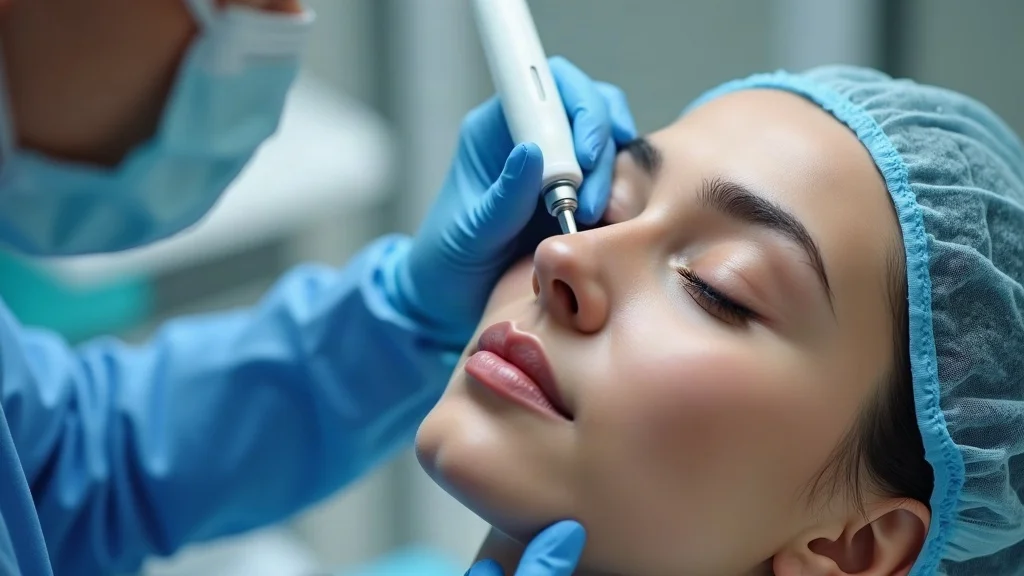
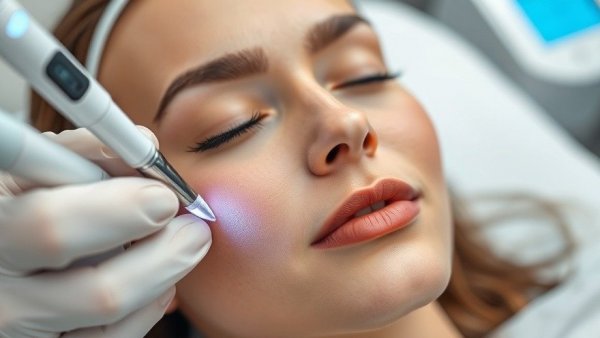
Close-up of microneedling procedure being performed to treat acne scars as part of cosmetic dermatology procedures

Skin Cancer Considerations with Cosmetic Dermatology

Cosmetic dermatology procedures are important services, but any intervention that intentionally injures the skin surface must be weighed against the need for early detection of skin cancer. Dermatologists take precautions to ensure that procedures like chemical peels or microneedling do not mask signs of types of skin cancer or delay diagnosis. A full skin exam may be recommended before treatment, especially for those with a history of skin cancer or increased risk factors.

Today, leaders in the health care system encourage open conversations about skin cancer risks and recommend monitoring for suspicious changes before and after cosmetic treatments. Initiatives to create more efficient and sustainable health care systems have called for improved skin cancer education. If you notice new or changing moles, spots or patches that do not heal, bring these up during your consultation. Early detection makes a tremendous difference in treatment outcomes.

Top 7 Cosmetic Dermatology Procedures for Facial Rejuvenation

  1. Chemical peels

  2. Microneedling

  3. Dermal fillers

  4. Laser resurfacing

  5. Botox injections

  6. Microdermabrasion

  7. Platelet-rich plasma therapy

Multiple patients receiving various facial cosmetic dermatology procedures for rejuvenation

Comparing Cosmetic Dermatology: Key Benefits and Drawbacks

Efficacy of Chemical Peels vs Microneedling

Chemical peels and microneedling both offer measurable upgrades for common skin conditions, but the mechanism and time to results are different. Chemical peels remove damaged surface layers, helping even out discoloration and roughness with results visible within a few days after recovery. Microneedling strengthens the lower layers by boosting collagen, and the effects accumulate gradually with each repeated session, sometimes producing more natural-looking changes over time, especially in acne scars or fine wrinkles.

Neither procedure is universally better. The most appropriate method depends on your goal: For pigmentation and texture, chemical peels often provide faster initial results. For acne scars and firmness, microneedling’s deeper remodeling may offer a more sustained improvement. Both treatments are considered minimally invasive and can be repeated for enhanced or ongoing cosmetic results.

Risks Associated with Chemical Peels and Microneedling

All cosmetic dermatology procedures come with potential side effects. Chemical peels can cause redness, swelling, flaking, and, far less commonly, pigment changes or scarring. This is why proper pre-procedure screening and post-care are essential. Microneedling usually carries fewer immediate risks, but poor technique or unclean devices can introduce infection, cause prolonged redness, or create minor scarring, especially in people with sensitive or darker skin.

Skin cancer risk is not increased by either treatment, but masking or delaying the diagnosis of skin cancer remains a concern. If you use cosmetic procedures regularly, schedule regular skin checks. Cosmetic dermatology has advanced, but no health care system can prevent problems without active monitoring.
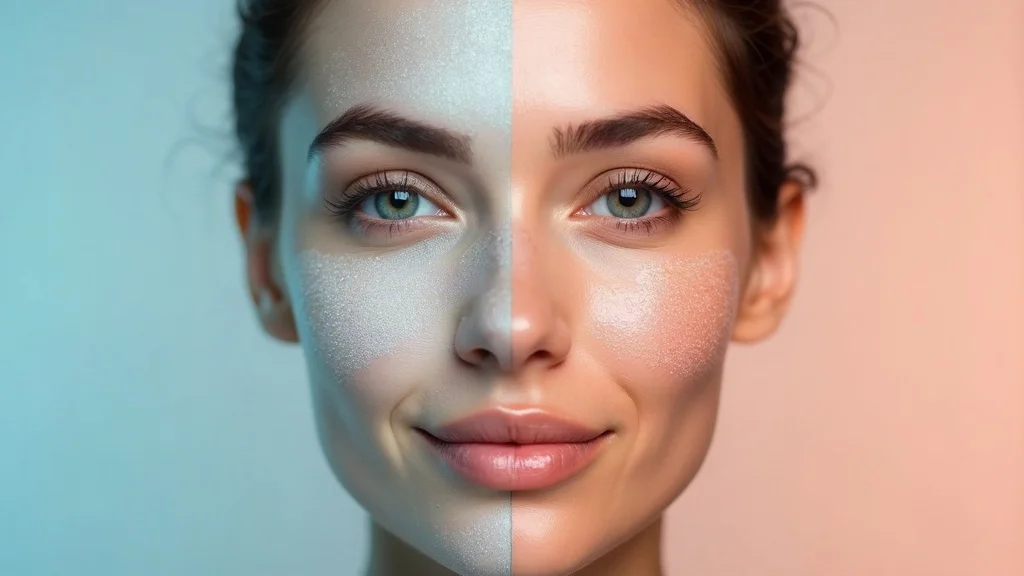
Split-face concept illustrating cosmetic results after chemical peel and microneedling

Recovery Times for Cosmetic Dermatology Procedures

The recovery timeline is a consideration for anyone integrating cosmetic treatment into their schedule. Most chemical peels require two to seven days for surface healing, with deeper peels extending downtime up to two weeks. Microneedling often leads to two to four days of redness and light flaking. There’s less swelling or peeling, and patients can usually resume light daily activities quickly. Both options typically involve some degree of sun sensitivity, so a strong daily sunscreen and supportive skin care are recommended directly afterward.

Downtime length varies by individual healing and the strength of the treatment. A trained dermatologist will adapt the approach and provide advice to minimize discomfort and support a sustainable health recovery process.

Long-term Outcomes: Cosmetic Treatment Results

Most people are satisfied with the results of professional-grade chemical peels and microneedling when procedures are properly matched to their skin concerns. Maintenance treatments may be needed over the long term: lighter peels every few months or microneedling sessions yearly or semi-annually to preserve results. Choosing an experienced provider and following a consistent post-treatment care system—such as gentle cleansing, moisturizer and SPF—will help maintain improvements and reduce the risk of complications.

Long-term results vary by skin condition, age and overall health. Laser and injectable procedures can sometimes give a more pronounced effect, but chemical peels and microneedling are favored for their safety, adaptability and the ability to refresh skin without significant downtime, which supports more efficient and sustainable health for the skin over time.

Group of people displaying confident, smooth faces after various cosmetic dermatology procedures

List of Popular Cosmetic Dermatology Procedures and Emerging Trends

  • Chemical peels for pigmentation and texture

  • Microneedling for acne scars and firmness

  • Fractional lasers for skin resurfacing

  • Injectables for dynamic wrinkles

What Are the Different Types of Cosmetic Dermatology Procedures?

Answer: Overview of Cosmetic Dermatology Procedures

Cosmetic dermatology encompasses a wide group of procedures, including chemical peels, microneedling, dermal fillers, laser treatments, microdermabrasion, Botox and platelet-rich plasma therapy. Each technique is chosen for a specific outcome, such as reducing pigmentation, improving texture, restoring lost volume or minimizing lines.

These services address common skin concerns for people of all ages and are delivered in a controlled, medically supervised environment to help ensure safety and optimal results. Consultation with a board-certified dermatologist remains the central recommendation to decide which cosmetic dermatology procedure suits individual needs and goals.

What is the List of Procedures of Dermatology?

Answer: Common Dermatology Procedures Used Today

Dermatology procedures can be categorized as cosmetic (elective for appearance) or medical (addressing disease or discomfort). Common skin and cosmetic procedures include chemical peels, microneedling, hair removal (laser or waxing), cryotherapy, excision of moles or skin lesions, skin cancer checks and biopsies.

Dermatologists continue to advance medical knowledge and patient care systems by integrating established methods with newer, more efficient treatments for sustainable health. The most effective plan combines medically necessary care with elective treatments for appearance and function.

What is the Most Popular Cosmetic Procedure?

Answer: Leading Cosmetic Dermatology Procedures in the US

Botox injections, chemical peels and dermal fillers are consistently among the most popular cosmetic dermatology procedures in the United States. Chemical peels are chosen for resurfacing and brightening, fillers add natural volume and soften lines, while Botox manages dynamic wrinkles from repeated facial expression.

These cosmetic treatments are minimally invasive, performed in the outpatient setting and can help meet patient expectations for smoother, more even skin texture with little recovery time. The care system prioritizes both results and safety for long-term, sustainable health improvements.

What is the Newest Facial Procedure in Cosmetic Dermatology?

Answer: Innovations in Cosmetic Dermatology Procedures

Platelet-rich plasma therapy (PRP) and novel injectables represent the most recent additions to cosmetic dermatology for the face. PRP uses a small amount of the patient’s own blood, processed to enrich growth factors, and applied or injected to stimulate tissue repair and collagen synthesis. Early evidence shows promise for fine lines, texture and skin tone.

Similarly, new fillers designed for specific facial areas, and “fractional” laser devices that target tiny columns of skin for precise treatment, are expanding the list of procedures. The association is leading initiatives to create more efficient ways to match emerging technology with predictable, natural results.

Table: Chemical Peel vs Microneedling Features Comparison

Feature

Chemical Peel

Microneedling

Primary Purpose

Exfoliate and resurface skin; treat pigmentation and texture

Stimulate collagen for firmness; target acne scars, lines

Downtime

2 to 14 days (depends on intensity)

1 to 4 days (typically minimal)

Risks

Redness, flaking, rare pigment change

Redness, possible infection, rare scarring

Most Effective For

Pigmentation, sun damage, surface roughness

Scarring, fine lines, mild laxity

Number of Sessions

1 (deep) to 3 (light/medium) per year

3 to 6 sessions, spaced 4-6 weeks

Quotes from Experts on Cosmetic Dermatology Procedures

"Both chemical peels and microneedling are valuable options, but the key is tailoring the procedure to the patient’s specific skin type and goals," said a board-certified dermatologist involved in leading initiatives for efficient and sustainable health care systems. Another specialist in groove street clinical practice noted, "We screen for types of skin cancer before starting any cosmetic dermatology procedures. Early detection makes a tremendous difference in treatment and safety. "

Key Takeaways for Choosing Cosmetic Dermatology Procedures

  • Chemical peels work quickly for pigment and texture; microneedling builds collagen for firmness and scars.

  • Consult a board-certified dermatologist for screening and a tailored strategy.

  • Regular monitoring for skin changes supports early skin cancer detection and safe outcomes.

  • Long-term results rely on professional technique, ongoing care, and personal skin health history.

Frequently Asked Questions about Cosmetic Dermatology Procedures

What are the different types of cosmetic dermatology procedures? Chemical peels, microneedling, dermal fillers, laser resurfacing, Botox, microdermabrasion, and platelet-rich plasma therapy are some of the most common choices to refresh facial skin and address common skin concerns.

What is the list of procedures of dermatology? Dermatology includes both medical and cosmetic procedures: chemical peels, microneedling, excision, biopsies, hair removal, laser, cryotherapy and more, depending on the patient’s needs.

What is the most popular cosmetic procedure? Botox injections, chemical peels, and dermal fillers lead U. S. cosmetic treatment statistics, with chemical peels being one of the foundational options for facial rejuvenation.

What is the newest facial procedure in cosmetic dermatology? Platelet-rich plasma (PRP) therapy and targeted fractional lasers are among the newest tools used in cosmetic dermatology to enhance skin tone and texture with less downtime.

Choose the Right Cosmetic Dermatology Procedure for Your Needs

Fine-tune your cosmetic treatment plan by consulting a certified provider. Discuss personal goals, medical history, and recovery preferences to select the cosmetic dermatology procedure aligned to your expectations for results you expect—and safe, sustainable health for your skin.

If you’re eager to expand your understanding of the latest advancements and holistic strategies in skin health, the Skin Science Report offers in-depth articles and expert perspectives on cosmetic dermatology and beyond. Discover how emerging technologies, evidence-based care, and personalized approaches are shaping the future of skin rejuvenation. Whether you’re considering your first procedure or looking to optimize your ongoing regimen, exploring these resources can empower you to make informed, confident decisions for your skin’s long-term vitality.
Cosmetic Procedures

0 Views

0 Comments

Write A Comment

*
*
Please complete the captcha to submit your comment.
Related Posts All Posts
03.21.2025

Discover the Benefits of MOXI Laser Treatment: Insights for Holistic Health Practitioners

What to Expect With MOXI Laser Treatment: An In-Depth ReviewThe landscape of skincare treatments is constantly evolving, with new technologies emerging to tackle age-old issues like sun damage and uneven skin tone. The MOXI® Laser has recently gained attention as a rapid, effective, and less invasive option for revitalizing the skin. This fractional laser not only corrects issues such as pigmentation but also aims to improve overall texture, making it an intriguing choice for many. In this article, we’ll explore the benefits of MOXI Laser treatment, share a firsthand account, and discuss how it fits into broader skincare practices.Understanding MOXI Laser TreatmentThe MOXI Laser is a non-ablative procedure designed to engage the skin’s natural healing processes and promote rejuvenation. By generating micro-coagulation zones, the laser effectively prompts the body to replace damaged cells with healthier, brighter ones. This technology’s quick treatment time—averaging between 8 to 10 minutes—ensures that it fits easily into a busy daytime schedule, a crucial selling point for holistic health practitioners and their clients alike.Benefits of MOXI: Why It Stands OutThe appeal of MOXI lies in its targeted approach to skin health. Unlike many traditional treatments that come with extensive downtime, MOXI allows individuals to return to their regular routines almost immediately. Minimal discomfort, especially when coupled with cooling mechanisms during treatment, ensures that patients can undergo the procedure with little worry. The primary benefits include:Prevents Aging Signs: MOXI is an excellent preventative treatment, combating early signs of aging and sun damage.Improves Skin Tone: Ideal for those looking to correct pigmentation issues, MOXI works effectively across various skin types.Quick Turnaround: The short duration of treatment combined with minimal recovery time makes it a fitting option for those with busy lifestyles.What a Typical Treatment Entails: A Personal ExperienceRenée’s experience with MOXI highlights its accessibility and effectiveness. Before beginning, numbing cream is typically applied, allowing for greater comfort during the process. However, Renée chose to forgo the cream, relying on her high tolerance for discomfort. The sensation during treatment can best be described as a warmth akin to spicy food on the skin, with a cooling fan often employed by practitioners to alleviate discomfort. This blend of heat and relief captures the essence of modern skincare technology, showing how even potentially uncomfortable treatments can be navigated effectively.Sessions and Personalized Treatment Plans: Key InsightsA reputable provider will generally recommend three to four sessions spaced roughly four to five weeks apart for optimal results. Personalization is fundamental here; based on individual goals and skin types, providers will assess whether additional sessions are necessary. This tailored approach resonates with holistic health principles, emphasizing that skincare should be specifically catered to each person's unique needs.Combining MOXI with Essential Oils: Optimal Skin CareAs holistic health practitioners often advocate for natural remedies, combining MOXI treatments with essential oils might enhance results. For instance, peppermint oil on skin can aid in soothing irritation, while the best essential oils for glowing skin such as lemon oil can contribute to overall skin brightness and health. Essential oil combinations for skin repair serve as a sustainable supporting act after treatment, promoting well-being through nature’s bounty.Common Misconceptions: Debunking MythsDespite its rising popularity, many misconceptions about MOXI persist. Some believe that laser treatments are exclusive to individuals with specific skin types or conditions. However, MOXI is designed to be safe for most skin tones, making it an inclusive option for diverse practitioners and their clientele. Additionally, the notion that laser treatments require extensive downtime is misleading, as MOXI offers a quicker recovery time than many traditional methods, reinforcing its appeal.The Future Landscape of Skin TreatmentsAs the skincare and beauty industries continue to evolve, technologies like MOXI Laser are indicative of a broader shift towards more effective, user-friendly options. Looking ahead, practitioners may find an increasing demand for treatments that appropriately merge technological advancement with holistic care.In summary, MOXI Laser Treatment represents a significant innovation in skincare, providing effective solutions while aligning with holistic principles. Combining these treatments with knowledge about essential oils can amplify benefits, paving the way for an improved aesthetic experience. If you're considering rejuvenating your skin while maintaining a holistic approach, exploring a MOXI treatment paired with the right essential oils may be the ideal avenue for you.Take Action: If you're ready to elevate your skincare game, consider consulting with a qualified practitioner to discuss if MOXI Laser Treatment is right for you. Empower yourself with knowledge and invest in your skin’s future!

03.21.2025

Rethinking Laser Treatment Aftercare: Can You Use Vitamin C?

Why Skincare Protocols Matter After Laser TreatmentsWhen undergoing laser skin treatments, strict post-care protocols are essential for optimal recovery. A typical regimen includes avoiding retinol, exfoliating acids, and vitamin C for a specified period, as well as committing to daily sunscreen. Ignoring these recommendations can lead to compromised skin barrier repair, resulting in irritation or prolonged redness.Reevaluating the Vitamin C RuleDespite conventional wisdom, many skincare professionals are beginning to rethink the restriction on vitamin C application after laser procedures. The rationale behind avoiding vitamin C, particularly L-ascorbic acid, stems from its low pH, which can exacerbate skin irritation. However, there’s an emerging narrative in the skincare community that sheds light on the healing properties of antioxidants post-treatment.Trusting Innovative FormulationsThe case of using Renée Rouleau’s Vitamin C + E Treatment is an exemplary demonstration of how innovative formulations are reshaping recovery protocols. With THD Ascorbate— a stable form of vitamin C that doesn't irritate the skin— practitioners and patients alike may begin to see beyond traditional limitations. This new 'gold standard' not only allows for effective healing but also enhances antioxidant support needed after such skin trauma.Supplementing for Speedy RecoveryIn addition to topical treatments, internal supplements can significantly accelerate recovery after laser treatments. By consuming oral antioxidant supplements, like vitamin C, you can support your body’s innate healing processes. As shared by individuals with firsthand experiences, this holistic approach yields tangible benefits. The connection between internal support and external skin health cannot be overstated.The Science Behind Antioxidants Post-Laser TreatmentUnderstanding the role of antioxidants—both applied topically and taken internally—reveals their power in skin repair, particularly after procedures that increase free radical activity. Antioxidants help neutralize the oxidative stress caused by laser treatments and speed up the healing process. This evidence-based perspective is changing how practitioners advise clients on post-care regimens.Actionable Insights for Health PractitionersAs holistic health practitioners, it is crucial to remain updated on the evolving guidelines surrounding laser treatment aftercare. Integrating novel findings into practice not only enhances patient outcomes but also empowers clients with knowledge that can improve their skincare regimens. Explore the use of alternative vitamin C formulations and the potential benefits of internal supplementation as essential practices.Embracing Change for Better OutcomesThe experience shared about successfully using vitamin C after laser treatment challenges long-held beliefs and urges professionals to rethink rigid protocols. As the industry adopts more flexible, evidence-informed practices, the dialogue should open up possibilities for better patient care techniques and customized skincare solutions.As you consider your post-laser treatment recommendations, think about how you can tap into the benefits of innovative skincare products and holistic supplementation. For those in the field, exploring new treatments and patient education can bridge the gap between traditional practices and emerging skincare science.

03.20.2025

Discover the Best Laser Treatments and Natural Remedies for Glowing Skin

Update Unlock the Secrets to Glowing SkinBeautiful skin is a universal desire, and with so many treatments available today, understanding the options is key to achieving that radiant glow. From the latest laser treatments to natural remedies, there’s a myriad of ways to enhance your skin’s health. Whether you’re battling wrinkles, acne scars, or just looking to enhance your natural beauty, knowledge is power in your skincare journey.The Science Behind Laser TreatmentsModern technology has paved the way for advanced laser treatments, which offer quick and effective solutions for various skin problems. Popular techniques such as laser skin resurfacing and IPL (intense pulsed light) therapy can significantly improve skin texture and tone. These treatments work by targeting the deeper layers of the skin to stimulate collagen production, which is crucial for maintaining a youthful appearance.Natural Alternatives for Clear SkinFor those who prefer a more natural route, home remedies can play a crucial role in achieving clear skin. Simple changes in your diet, such as incorporating nutrient-rich foods and staying hydrated, can lead to noticeable improvements. Consider adding juicing to your daily routine; certain fruits and vegetables, such as cucumbers and greens, are known for their skin-enhancing properties.Emotional and Psychological Impact of Skin HealthBeautiful skin isn’t just about aesthetics; it can significantly affect your self-confidence and overall wellbeing. Many people link clear skin to higher self-esteem, leading to a more positive self-image. Understanding this emotional connection can motivate individuals to invest time and resources into their skincare routines, revealing the importance of holistic approaches to beauty.Common Misconceptions in SkincareWith so much information available, it's essential to scrutinize popular beliefs in skincare. For instance, many think that using harsh scrubs will vastly improve skin issues like acne or pigmentation, but this is often counterproductive. Instead, gentle exfoliation combined with hydrating serums can promote a smoother texture without causing irritation.Future Trends in SkincareAs we look ahead, the skincare industry will likely continue to evolve, focusing on personalization and natural ingredients. Consumers are increasingly interested in understanding what goes into their products and how these ingredients can benefit their specific skin types. Furthermore, advancements in technology, like AI-driven assessments and customized serums, are set to enhance how individuals approach their skincare.Your Journey to Glowing SkinWhether you opt for science-based treatments or natural remedies, your journey to glowing skin is a personal one filled with unique choices and reflections. The best approach is the one that resonates with you and caters to your lifestyle. Remember, healthy skin is a reflection of overall health, so embracing a balanced routine—both in your products and your diet—will help you achieve that desired glow.Conclude with ActionIf you’re ready to take the next step towards achieving flawless skin, explore the various treatments and home remedies that speak to you. Empower yourself with knowledge and don’t hesitate to consult a skincare professional for tailored advice. Your dream skin is just a few steps away!

Skin Science News

Because skin health is a cornerstone of overall well-being, it is a major factor in influencing physical appearance, immunity, and quality of life across all age groups. As the body’s largest organ and first line of defense, the skin protects against environmental stressors like UV radiation and pollution while also reflecting internal health factors such as nutrition and stress levels.

COMPANY

  • Privacy Policy
  • Terms of Use
  • Advertise
  • Contact Us
  • Menu 5
  • Menu 6

info@skinsciencereport.com

5850 Macklind, St. Louis, MO

© 2026 Rising Review LLC All Rights Reserved. 5850 Macklind Avenue, St. Louis, MO 63109 . Contact Us . Terms of Service . Privacy Policy

eyJjb21wYW55IjoiUmlzaW5nIFJldmlldyBMTEMiLCJhZGRyZXNzIjoiNTg1MCBNYWNrbGluZCBBdmVudWUiLCJjaXR5IjoiU3QuIExvdWlzIiwic3RhdGUiOiJNTyIsInppcCI6IjYzMTA5IiwiZW1haWwiOiJidXNpbmVzc0ByaXNpbmdyZXZpZXcuY29tIiwidG9zIjoiUEhBK1BITjBjbTl1Wno0OFpXMCtWMmhsYmlCNWIzVWdjMmxuYmkxcGJpQjNhWFJvSUhWekxDQjViM1VnWVhKbElHZHBkbWx1WnladVluTndPeUI1YjNWeUlIQmxjbTFwYzNOcGIyNGdZVzVrSUdOdmJuTmxiblFnZEc4Z2MyVnVaQ0I1YjNVZ1pXMWhhV3dnWVc1a0wyOXlJRk5OVXlCMFpYaDBJRzFsYzNOaFoyVnpMaUJDZVNCamFHVmphMmx1WnlCMGFHVWdWR1Z5YlhNZ1lXNWtJRU52Ym1ScGRHbHZibk1nWW05NElHRnVaQ0JpZVNCemFXZHVhVzVuSUdsdUlIbHZkU0JoZFhSdmJXRjBhV05oYkd4NUlHTnZibVpwY20wZ2RHaGhkQ0I1YjNVZ1lXTmpaWEIwSUdGc2JDQjBaWEp0Y3lCcGJpQjBhR2x6SUdGbmNtVmxiV1Z1ZEM0OEwyVnRQand2YzNSeWIyNW5Qand2Y0Q0S0NqeHdQanhoSUdoeVpXWTlJbWgwZEhBNkx5OTNkM2N1WjI5dloyeGxMbU52YlNJK2FIUjBjRG92TDNkM2R5NW5iMjluYkdVdVkyOXRQQzloUGp3dmNENEtDanh3UGladVluTndPend2Y0Q0S0NqeHdQanh6ZEhKdmJtYytVMFZTVmtsRFJUd3ZjM1J5YjI1blBqd3ZjRDRLQ2p4d1BsZGxJSEJ5YjNacFpHVWdZU0J6WlhKMmFXTmxJSFJvWVhRZ1kzVnljbVZ1ZEd4NUlHRnNiRzkzY3lCNWIzVWdkRzhnY21WalpXbDJaU0J5WlhGMVpYTjBjeUJtYjNJZ1ptVmxaR0poWTJzc0lHTnZiWEJoYm5rZ2FXNW1iM0p0WVhScGIyNHNJSEJ5YjIxdmRHbHZibUZzSUdsdVptOXliV0YwYVc5dUxDQmpiMjF3WVc1NUlHRnNaWEowY3l3Z1kyOTFjRzl1Y3l3Z1pHbHpZMjkxYm5SeklHRnVaQ0J2ZEdobGNpQnViM1JwWm1sallYUnBiMjV6SUhSdklIbHZkWElnWlcxaGFXd2dZV1JrY21WemN5QmhibVF2YjNJZ1kyVnNiSFZzWVhJZ2NHaHZibVVnYjNJZ1pHVjJhV05sTGlCWmIzVWdkVzVrWlhKemRHRnVaQ0JoYm1RZ1lXZHlaV1VnZEdoaGRDQjBhR1VnVTJWeWRtbGpaU0JwY3lCd2NtOTJhV1JsWkNBbWNYVnZkRHRCVXkxSlV5WnhkVzkwT3lCaGJtUWdkR2hoZENCM1pTQmhjM04xYldVZ2JtOGdjbVZ6Y0c5dWMybGlhV3hwZEhrZ1ptOXlJSFJvWlNCMGFXMWxiR2x1WlhOekxDQmtaV3hsZEdsdmJpd2diV2x6TFdSbGJHbDJaWEo1SUc5eUlHWmhhV3gxY21VZ2RHOGdjM1J2Y21VZ1lXNTVJSFZ6WlhJZ1kyOXRiWFZ1YVdOaGRHbHZibk1nYjNJZ2NHVnljMjl1WVd4cGVtRjBhVzl1SUhObGRIUnBibWR6TGp3dmNENEtDanh3UGxsdmRTQmhjbVVnY21WemNHOXVjMmxpYkdVZ1ptOXlJRzlpZEdGcGJtbHVaeUJoWTJObGMzTWdkRzhnZEdobElGTmxjblpwWTJVZ1lXNWtJSFJvWVhRZ1lXTmpaWE56SUcxaGVTQnBiblp2YkhabElIUm9hWEprSUhCaGNuUjVJR1psWlhNZ0tITjFZMmdnWVhNZ1UwMVRJSFJsZUhRZ2JXVnpjMkZuWlhNc0lFbHVkR1Z5Ym1WMElITmxjblpwWTJVZ2NISnZkbWxrWlhJZ2IzSWdZMlZzYkhWc1lYSWdZV2x5ZEdsdFpTQmphR0Z5WjJWektTNGdXVzkxSUdGeVpTQnlaWE53YjI1emFXSnNaU0JtYjNJZ2RHaHZjMlVnWm1WbGN5d2dhVzVqYkhWa2FXNW5JSFJvYjNObElHWmxaWE1nWVhOemIyTnBZWFJsWkNCM2FYUm9JSFJvWlNCa2FYTndiR0Y1SUc5eUlHUmxiR2wyWlhKNUlHOW1JR1ZoWTJnZ1UwMVRJSFJsZUhRZ2JXVnpjMkZuWlNCelpXNTBJSFJ2SUhsdmRTQmllU0IxY3k0Z1NXNGdZV1JrYVhScGIyNHNJSGx2ZFNCdGRYTjBJSEJ5YjNacFpHVWdZVzVrSUdGeVpTQnlaWE53YjI1emFXSnNaU0JtYjNJZ1lXeHNJR1Z4ZFdsd2JXVnVkQ0J1WldObGMzTmhjbmtnZEc4Z1lXTmpaWE56SUhSb1pTQlRaWEoyYVdObElHRnVaQ0J5WldObGFYWmxJSFJvWlNCVFRWTWdkR1Y0ZENCdFpYTnpZV2RsY3k0Z1YyVWdaRzhnYm05MElHTm9ZWEpuWlNCaGJua2dabVZsY3lCbWIzSWdaR1ZzYVhabGNua2diMllnWlcxaGFXd2diM0lnVTAxVExpQlVhR2x6SUdseklHRWdabkpsWlNCelpYSjJhV05sSUhCeWIzWnBaR1ZrSUdKNUlIVnpMaUJJYjNkbGRtVnlMQ0J3YkdWaGMyVWdZMmhsWTJzZ2QybDBhQ0I1YjNWeUlHbHVkR1Z5Ym1WMElITmxjblpwWTJVZ2NISnZkbWxrWlhJZ1lXNWtJR05sYkd4MWJHRnlJR05oY25KcFpYSWdabTl5SUdGdWVTQmphR0Z5WjJWeklIUm9ZWFFnYldGNUlHbHVZM1Z5SUdGeklHRWdjbVZ6ZFd4MElHWnliMjBnY21WalpXbDJhVzVuSUdWdFlXbHNJR0Z1WkNCVFRWTWdkR1Y0ZENCdFpYTnpZV2RsY3lCMGFHRjBJSGRsSUdSbGJHbDJaWElnZFhCdmJpQjViM1Z5SUc5d2RDMXBiaUJoYm1RZ2NtVm5hWE4wY21GMGFXOXVJSGRwZEdnZ2IzVnlJR1Z0WVdsc0lHRnVaQ0JUVFZNZ2MyVnlkbWxqWlhNdUlGbHZkU0JqWVc0Z1kyRnVZMlZzSUdGMElHRnVlU0IwYVcxbExpQktkWE4wSUhSbGVIUWdKbkYxYjNRN1UxUlBVQ1p4ZFc5ME95QjBieUE4YUdsbmFHeHBaMmgwSUdOc1lYTnpQU0pqYjIxd1lXNTVVR2h2Ym1WVmNHUmhkR1VpUGpNeE5DMDJNall0TURnNE56d3ZhR2xuYUd4cFoyaDBQaTRnUVdaMFpYSWdlVzkxSUhObGJtUWdkR2hsSUZOTlV5QnRaWE56WVdkbElDWnhkVzkwTzFOVVQxQW1jWFZ2ZERzZ2RHOGdkWE1zSUhkbElIZHBiR3dnYzJWdVpDQjViM1VnWVc0Z1UwMVRJRzFsYzNOaFoyVWdkRzhnWTI5dVptbHliU0IwYUdGMElIbHZkU0JvWVhabElHSmxaVzRnZFc1emRXSnpZM0pwWW1Wa0xpQkJablJsY2lCMGFHbHpMQ0I1YjNVZ2QybHNiQ0J1YnlCc2IyNW5aWElnY21WalpXbDJaU0JUVFZNZ2JXVnpjMkZuWlhNZ1puSnZiU0IxY3k0OEwzQStDZ284Y0Q0OGMzUnliMjVuUGxsUFZWSWdVa1ZIU1ZOVVVrRlVTVTlPSUU5Q1RFbEhRVlJKVDA1VFBDOXpkSEp2Ym1jK1BDOXdQZ29LUEhBK1NXNGdZMjl1YzJsa1pYSmhkR2x2YmlCdlppQjViM1Z5SUhWelpTQnZaaUIwYUdVZ1UyVnlkbWxqWlN3Z2VXOTFJR0ZuY21WbElIUnZPand2Y0Q0S0NqeHZiRDRLQ1R4c2FUNXdjbTkyYVdSbElIUnlkV1VzSUdGalkzVnlZWFJsTENCamRYSnlaVzUwSUdGdVpDQmpiMjF3YkdWMFpTQnBibVp2Y20xaGRHbHZiaUJoWW05MWRDQjViM1Z5YzJWc1ppQmhjeUJ3Y205dGNIUmxaQ0JpZVNCMGFHVWdVMlZ5ZG1salpTWWpNems3Y3lCeVpXZHBjM1J5WVhScGIyNGdabTl5YlNBb2MzVmphQ0JwYm1admNtMWhkR2x2YmlCaVpXbHVaeUIwYUdVZ0puRjFiM1E3VW1WbmFYTjBjbUYwYVc5dUlFUmhkR0VtY1hWdmREc3BJR0Z1WkR3dmJHaytDZ2s4YkdrK2JXRnBiblJoYVc0Z1lXNWtJSEJ5YjIxd2RHeDVJSFZ3WkdGMFpTQjBhR1VnVW1WbmFYTjBjbUYwYVc5dUlFUmhkR0VnZEc4Z2EyVmxjQ0JwZENCMGNuVmxMQ0JoWTJOMWNtRjBaU3dnWTNWeWNtVnVkQ0JoYm1RZ1kyOXRjR3hsZEdVdUlFbG1JSGx2ZFNCd2NtOTJhV1JsSUdGdWVTQnBibVp2Y20xaGRHbHZiaUIwYUdGMElHbHpJSFZ1ZEhKMVpTd2dhVzVoWTJOMWNtRjBaU3dnYm05MElHTjFjbkpsYm5RZ2IzSWdhVzVqYjIxd2JHVjBaU3dnYjNJZ2QyVWdhR0YyWlNCeVpXRnpiMjVoWW14bElHZHliM1Z1WkhNZ2RHOGdjM1Z6Y0dWamRDQjBhR0YwSUhOMVkyZ2dhVzVtYjNKdFlYUnBiMjRnYVhNZ2RXNTBjblZsTENCcGJtRmpZM1Z5WVhSbExDQnViM1FnWTNWeWNtVnVkQ0J2Y2lCcGJtTnZiWEJzWlhSbExDQjNaU0JvWVhabElIUm9aU0J5YVdkb2RDQjBieUJ6ZFhOd1pXNWtJRzl5SUR4emRISnZibWMrUEhOd1lXNGdjM1I1YkdVOUltTnZiRzl5T2lOR1JqQXdNREE3SWo1MFpYSnRhVzVoZEdVZ2VXOTFjaUJoWTJOdmRXNTBMM0J5YjJacGJHVWdZVzVrSUhKbFpuVnpaU0JoYm5rZ1lXNWtJR0ZzYkNCamRYSnlaVzUwSUc5eUlHWjFkSFZ5WlNCMWMyVWdiMllnZEdobElGTmxjblpwWTJVZ0tHOXlJR0Z1ZVNCd2IzSjBhVzl1SUhSb1pYSmxiMllwTGp3dmMzQmhiajQ4TDNOMGNtOXVaejQ4TDJ4cFBnbzhMMjlzUGdvS1BIQStKbTVpYzNBN1BDOXdQZ284YUdsbmFHeHBaMmgwSUdOc1lYTnpQU0pqYjIxd1lXNTVUbUZ0WlZWd1pHRjBaU0krVW1semFXNW5JRkpsZG1sbGR5Qk1URU04TDJocFoyaHNhV2RvZEQ0OFluSWdMejRLUEdocFoyaHNhV2RvZENCamJHRnpjejBpWTI5dGNHRnVlVUZrWkhKbGMzTlZjR1JoZEdVaVBqVTROVEFnVFdGamEyeHBibVFnUVhabGJuVmxMQ0JUZEM0Z1RHOTFhWE1zSUUxUElEWXpNVEE1UEM5b2FXZG9iR2xuYUhRK1BHSnlJQzgrQ2p4b2FXZG9iR2xuYUhRZ1kyeGhjM005SW1OdmJYQmhibmxRYUc5dVpWVndaR0YwWlNJK016RTBMVFl5Tmkwd09EZzNQQzlvYVdkb2JHbG5hSFErUEdKeUlDOCtDanhvYVdkb2JHbG5hSFFnWTJ4aGMzTTlJbU52YlhCaGJubEZiV0ZwYkZWd1pHRjBaU0krWW5WemFXNWxjM05BY21semFXNW5jbVYyYVdWM0xtTnZiVHd2YUdsbmFHeHBaMmgwUGc9PSIsInByaXZhY3kiOiJQSEErUEhOMGNtOXVaejVRVWtsV1FVTlpQQzl6ZEhKdmJtYytQQzl3UGdvS1BIQStQSE4wY205dVp6NVVhR1VnYVc1bWIzSnRZWFJwYjI0Z2NISnZkbWxrWldRZ1pIVnlhVzVuSUhSb2FYTWdjbVZuYVhOMGNtRjBhVzl1SUdseklHdGxjSFFnY0hKcGRtRjBaU0JoYm1RZ1kyOXVabWxrWlc1MGFXRnNMQ0JoYm1RZ2QybHNiQ0J1WlhabGNpQmlaU0JrYVhOMGNtbGlkWFJsWkN3Z1kyOXdhV1ZrTENCemIyeGtMQ0IwY21Ga1pXUWdiM0lnY0c5emRHVmtJR2x1SUdGdWVTQjNZWGtzSUhOb1lYQmxJRzl5SUdadmNtMHVJRlJvYVhNZ2FYTWdiM1Z5SUdkMVlYSmhiblJsWlM0OEwzTjBjbTl1Wno0OEwzQStDZ284Y0Q0OGMzUnliMjVuUGtsT1JFVk5Ua2xVV1R3dmMzUnliMjVuUGp3dmNENEtDanh3UGp4bGJUNVpiM1VnWVdkeVpXVWdkRzhnYVc1a1pXMXVhV1o1SUdGdVpDQm9iMnhrSUhWekxDNGdZVzVrSUdsMGN5QnpkV0p6YVdScFlYSnBaWE1zSUdGbVptbHNhV0YwWlhNc0lHOW1abWxqWlhKekxDQmhaMlZ1ZEhNc0lHTnZMV0p5WVc1a1pYSnpJRzl5SUc5MGFHVnlJSEJoY25SdVpYSnpMQ0JoYm1RZ1pXMXdiRzk1WldWekxDQm9ZWEp0YkdWemN5Qm1jbTl0SUdGdWVTQmpiR0ZwYlNCdmNpQmtaVzFoYm1Rc0lHbHVZMngxWkdsdVp5QnlaV0Z6YjI1aFlteGxJR0YwZEc5eWJtVjVjeVlqTXprN0lHWmxaWE1zSUcxaFpHVWdZbmtnWVc1NUlIUm9hWEprSUhCaGNuUjVJR1IxWlNCMGJ5QnZjaUJoY21semFXNW5JRzkxZENCdlppQkRiMjUwWlc1MElIbHZkU0J5WldObGFYWmxMQ0J6ZFdKdGFYUXNJSEpsY0d4NUxDQndiM04wTENCMGNtRnVjMjFwZENCdmNpQnRZV3RsSUdGMllXbHNZV0pzWlNCMGFISnZkV2RvSUhSb1pTQlRaWEoyYVdObExDQjViM1Z5SUhWelpTQnZaaUIwYUdVZ1UyVnlkbWxqWlN3Z2VXOTFjaUJqYjI1dVpXTjBhVzl1SUhSdklIUm9aU0JUWlhKMmFXTmxMQ0I1YjNWeUlIWnBiMnhoZEdsdmJpQnZaaUIwYUdVZ1ZFOVRMQ0J2Y2lCNWIzVnlJSFpwYjJ4aGRHbHZiaUJ2WmlCaGJua2djbWxuYUhSeklHOW1JR0Z1YjNSb1pYSXVQQzlsYlQ0OEwzQStDZ284Y0Q0OGMzUnliMjVuUGtSSlUwTk1RVWxOUlZJZ1QwWWdWMEZTVWtGT1ZFbEZVend2YzNSeWIyNW5Qand2Y0Q0S0NqeHdQanh6ZEhKdmJtYytXVTlWSUVWWVVGSkZVMU5NV1NCVlRrUkZVbE5VUVU1RUlFRk9SQ0JCUjFKRlJTQlVTRUZVT2p3dmMzUnliMjVuUGp3dmNENEtDanh2YkQ0S0NUeHNhVDVaVDFWU0lGVlRSU0JQUmlCVVNFVWdVMFZTVmtsRFJTQkpVeUJCVkNCWlQxVlNJRk5QVEVVZ1VrbFRTeTRnVkVoRklGTkZVbFpKUTBVZ1NWTWdVRkpQVmtsRVJVUWdUMDRnUVU0Z0puRjFiM1E3UVZNZ1NWTW1jWFZ2ZERzZ1FVNUVJQ1p4ZFc5ME8wRlRJRUZXUVVsTVFVSk1SU1p4ZFc5ME95QkNRVk5KVXk0Z0xDNGdRVTVFSUZWVExDQkpWQ1lqTXprN1V5QkRWVk5VVDAxRlVsTXNJRVZZVUZKRlUxTk1XU0JFU1ZORFRFRkpUVk1nUVV4TUlGZEJVbEpCVGxSSlJWTWdUMFlnUVU1WklFdEpUa1FzSUZkSVJWUklSVklnUlZoUVVrVlRVeUJQVWlCSlRWQk1TVVZFTENCSlRrTk1WVVJKVGtjc0lFSlZWQ0JPVDFRZ1RFbE5TVlJGUkNCVVR5QlVTRVVnU1UxUVRFbEZSQ0JYUVZKU1FVNVVTVVZUSUU5R0lFMUZVa05JUVU1VVFVSkpURWxVV1N3Z1JrbFVUa1ZUVXlCR1QxSWdRU0JRUVZKVVNVTlZURUZTSUZCVlVsQlBVMFVnUVU1RUlFNVBUaTFKVGtaU1NVNUhSVTFGVGxRdVBDOXNhVDRLQ1R4c2FUNU5RVXRGVXlCT1R5QlhRVkpTUVU1VVdTQlVTRUZVSUNocEtTQlVTRVVnVTBWU1ZrbERSU0JYU1V4TUlFMUZSVlFnV1U5VlVpQlNSVkZWU1ZKRlRVVk9WRk1zSUNocGFTa2dWRWhGSUZORlVsWkpRMFVnVjBsTVRDQkNSU0JWVGtsT1ZFVlNVbFZRVkVWRUxDQlVTVTFGVEZrc0lGTkZRMVZTUlN3Z1QxSWdSVkpTVDFJdFJsSkZSU3dnS0dscGFTa2dWRWhGSUZKRlUxVk1WRk1nVkVoQlZDQk5RVmtnUWtVZ1QwSlVRVWxPUlVRZ1JsSlBUU0JVU0VVZ1ZWTkZJRTlHSUZSSVJTQlRSVkpXU1VORklGZEpURXdnUWtVZ1FVTkRWVkpCVkVVZ1QxSWdVa1ZNU1VGQ1RFVXNJRUZPUkNBb2FYWXBJRUZPV1NCRlVsSlBVbE1nU1U0Z1ZFaEZJRk5QUmxSWFFWSkZJRmRKVEV3Z1FrVWdRMDlTVWtWRFZFVkVMand2YkdrK0NnazhiR2srUVU1WklFMUJWRVZTU1VGTUlFUlBWMDVNVDBGRVJVUWdUMUlnVDFSSVJWSlhTVk5GSUU5Q1ZFRkpUa1ZFSUZSSVVrOVZSMGdnVkVoRklGVlRSU0JQUmlCVVNFVWdVMFZTVmtsRFJTQkpVeUJFVDA1RklFRlVJRmxQVlZJZ1QxZE9JRVJKVTBOU1JWUkpUMDRnUVU1RUlGSkpVMHNnUVU1RUlGUklRVlFnV1U5VklGZEpURXdnUWtVZ1UwOU1SVXhaSUZKRlUxQlBUbE5KUWt4RklFWlBVaUJCVGxrZ1JFRk5RVWRGSUZSUElGbFBWVklnUTA5TlVGVlVSVklnVTFsVFZFVk5JRTlTSUV4UFUxTWdUMFlnUkVGVVFTQlVTRUZVSUZKRlUxVk1WRk1nUmxKUFRTQlVTRVVnUkU5WFRreFBRVVFnVDBZZ1FVNVpJRk5WUTBnZ1RVRlVSVkpKUVV3dVBDOXNhVDRLQ1R4c2FUNU9UeUJCUkZaSlEwVWdUMUlnU1U1R1QxSk5RVlJKVDA0c0lGZElSVlJJUlZJZ1QxSkJUQ0JQVWlCWFVrbFVWRVZPTENCUFFsUkJTVTVGUkNCQ1dTQlpUMVVnUmxKUFRTQlBVaUJVU0ZKUFZVZElJRTlTSUVaU1QwMGdWRWhGSUZORlVsWkpRMFVnVTBoQlRFd2dRMUpGUVZSRklFRk9XU0JYUVZKU1FVNVVXU0JPVDFRZ1JWaFFVa1ZUVTB4WklGTlVRVlJGUkNCSlRpQlVTRVVnVkU5VExqd3ZiR2srQ2p3dmIydytDZ284Y0Q0OGMzUnliMjVuUGt4SlRVbFVRVlJKVDA0Z1QwWWdURWxCUWtsTVNWUlpQQzl6ZEhKdmJtYytQQzl3UGdvS1BIQStXVTlWSUVWWVVGSkZVMU5NV1NCVlRrUkZVbE5VUVU1RUlFRk9SQ0JCUjFKRlJTQlVTRUZVSUVGT1JDQlRTRUZNVENCT1QxUWdRa1VnVEVsQlFreEZJRVpQVWlCQlRsa2dSRWxTUlVOVUxDQkpUa1JKVWtWRFZDd2dTVTVEU1VSRlRsUkJUQ3dnVTFCRlEwbEJUQ3dnUTA5T1UwVlJWVVZPVkVsQlRDQlBVaUJGV0VWTlVFeEJVbGtnUkVGTlFVZEZVeXdnU1U1RFRGVkVTVTVISUVKVlZDQk9UMVFnVEVsTlNWUkZSQ0JVVHl3Z1JFRk5RVWRGVXlCR1QxSWdURTlUVXlCUFJpQlFVazlHU1ZSVExDQkhUMDlFVjBsTVRDd2dWVk5GTENCRVFWUkJJRTlTSUU5VVNFVlNJRWxPVkVGT1IwbENURVVnVEU5VFUwVlRJQ2hGVmtWT0lFbEdJRWhCVXlCQ1JVVk9JRUZFVmtsVFJVUWdUMFlnVkVoRklGQlBVMU5KUWtsTVNWUlpJRTlHSUZOVlEwZ2dSRUZOUVVkRlV5a3NJRkpGVTFWTVZFbE9SeUJHVWs5Tk9qd3ZjRDRLQ2p4dmJENEtDVHhzYVQ1VVNFVWdWVk5GSUU5U0lGUklSU0JKVGtGQ1NVeEpWRmtnVkU4Z1ZWTkZJRlJJUlNCVFJWSldTVU5GT3p3dmJHaytDZ2s4YkdrK1ZFaEZJRU5QVTFRZ1QwWWdVRkpQUTFWU1JVMUZUbFFnVDBZZ1UxVkNVMVJKVkZWVVJTQkhUMDlFVXlCQlRrUWdVMFZTVmtsRFJWTWdVa1ZUVlV4VVNVNUhJRVpTVDAwZ1FVNVpJRWRQVDBSVExDQkVRVlJCTENCSlRrWlBVazFCVkVsUFRpQlBVaUJUUlZKV1NVTkZVeUJRVlZKRFNFRlRSVVFnVDFJZ1QwSlVRVWxPUlVRZ1QxSWdUVVZUVTBGSFJWTWdVa1ZEUlVsV1JVUWdUMUlnVkZKQlRsTkJRMVJKVDA1VElFVk9WRVZTUlVRZ1NVNVVUeUJVU0ZKUFZVZElJRTlTSUVaU1QwMGdWRWhGSUZORlVsWkpRMFU3UEM5c2FUNEtDVHhzYVQ1VlRrRlZWRWhQVWtsYVJVUWdRVU5EUlZOVElGUlBJRTlTSUVGTVZFVlNRVlJKVDA0Z1QwWWdXVTlWVWlCVVVrRk9VMDFKVTFOSlQwNVRJRTlTSUVSQlZFRTdQQzlzYVQ0S0NUeHNhVDVUVkVGVVJVMUZUbFJUSUU5U0lFTlBUa1JWUTFRZ1QwWWdRVTVaSUZSSVNWSkVJRkJCVWxSWklFOU9JRlJJUlNCVFJWSldTVU5GT3lCUFVqd3ZiR2srQ2drOGJHaytRVTVaSUU5VVNFVlNJRTFCVkZSRlVpQlNSVXhCVkVsT1J5QlVUeUJVU0VVZ1UwVlNWa2xEUlM0OEwyeHBQZ284TDI5c1Bnb0tQSEErUEhVK1Fua2djbVZuYVhOMFpYSnBibWNnWVc1a0lITjFZbk5qY21saWFXNW5JSFJ2SUc5MWNpQmxiV0ZwYkNCaGJtUWdVMDFUSUhObGNuWnBZMlVzSUdKNUlHOXdkQzFwYml3Z2IyNXNhVzVsSUhKbFoybHpkSEpoZEdsdmJpQnZjaUJpZVNCbWFXeHNhVzVuSUc5MWRDQmhJR05oY21Rc0lDWnhkVzkwTzNsdmRTQmhaM0psWlNCMGJ5QjBhR1Z6WlNCVVJWSk5VeUJQUmlCVFJWSldTVU5GSm5GMWIzUTdJR0Z1WkNCNWIzVWdZV05yYm05M2JHVmtaMlVnWVc1a0lIVnVaR1Z5YzNSaGJtUWdkR2hsSUdGaWIzWmxJSFJsY20xeklHOW1JSE5sY25acFkyVWdiM1YwYkdsdVpXUWdZVzVrSUdSbGRHRnBiR1ZrSUdadmNpQjViM1VnZEc5a1lYa3VQQzkxUGp3dmNENEtDanh3UGladVluTndPend2Y0Q0S1BHaHBaMmhzYVdkb2RDQmpiR0Z6Y3owaVkyOXRjR0Z1ZVU1aGJXVlZjR1JoZEdVaVBsSnBjMmx1WnlCU1pYWnBaWGNnVEV4RFBDOW9hV2RvYkdsbmFIUStQR0p5SUM4K0NqeG9hV2RvYkdsbmFIUWdZMnhoYzNNOUltTnZiWEJoYm5sQlpHUnlaWE56VlhCa1lYUmxJajQxT0RVd0lFMWhZMnRzYVc1a0lFRjJaVzUxWlN3Z1UzUXVJRXh2ZFdsekxDQk5UeUEyTXpFd09Ud3ZhR2xuYUd4cFoyaDBQanhpY2lBdlBnbzhhR2xuYUd4cFoyaDBJR05zWVhOelBTSmpiMjF3WVc1NVVHaHZibVZWY0dSaGRHVWlQak14TkMwMk1qWXRNRGc0Tnp3dmFHbG5hR3hwWjJoMFBqeGljaUF2UGdvOGFHbG5hR3hwWjJoMElHTnNZWE56UFNKamIyMXdZVzU1UlcxaGFXeFZjR1JoZEdVaVBtSjFjMmx1WlhOelFISnBjMmx1WjNKbGRtbGxkeTVqYjIwOEwyaHBaMmhzYVdkb2REND0ifQ==

Terms of Service

Privacy Policy

Core Modal Title

Sorry, no results found

You Might Find These Articles Interesting

T
Please Check Your Email
We Will Be Following Up Shortly
*
*
*