
cropper
  SKIN SCIENCE REPORT
  • Home
  • Categories
    • Skin health
    • Skincare
    • News
    • Dermatology
    • Anti aging
    • Esthetician Spotlight
    • Skin Cancer and Sun Protection
    • Acne and Breakouts
    • Ingredients Explained
    • Eczema and Psoriasis
    • Hair and Scalp
    • Cosmetic Procedures
    • Pigmentation and Skin of Color
    • Kids and Teen Skin
    • Diet, Lifestyle and Skin
    • Skin Tech and Research
November 08.2026
1 Minute Read

Diet and Skin Health: Understanding How Sugar and Nutrition Impact Your Skin

A morning glance in the mirror can spark questions about why skin breaks out or stays clear. The foods on the breakfast table — from sweet pastries to fresh fruit — might be part of the story. Research into diet and skin health has grown, with special focus on the links between sugar, dietary choices, and persistent skin conditions like acne. This article shares what current science shows, how nutrients and habits play a part, and what experts recommend for healthier skin.

What You Will Learn About Diet and Skin Health

  • The science on sugar and acne

  • How dietary choices affect skin health

  • The role of fatty acids and dietary pattern in skin condition

  • Expert perspectives and recent research findings

  • When dietary changes make sense for skin care

Introduction: Diet and Skin Health in Focus

Everyday choices and what they mean for your skin condition

Daily eating habits have a lasting effect on the body. Dietary choices such as eating processed foods, high-glycemic meals, or foods rich in certain fatty acids can shape both short-term and long-term skin health. For people who notice changes in their skin — more clogged pores, dryness, or irritated patches — it may not be a coincidence. Foods that spike blood sugar quickly, for example, may change the way skin reacts and repairs itself. While no meal can transform skin overnight, certain patterns repeat in research, reinforcing that what happens in the kitchen ends up visible on the surface of the skin.

young adult seated at breakfast table with wholesome foods, clear skin, photorealistic kitchen; main keyword diet and skin health as context

What the evidence says about sugar and acne today

Current evidence does not confirm that sugar directly causes acne for everyone. Studies suggest some people see more breakouts with a diet high in sugar or foods with a high glycemic index, while others do not experience skin changes at all. The glycemic response to food can affect hormones and inflammation, which, in turn, may influence how oil glands and skin cells function. Scientists observe that skin conditions like acne often correlate with dietary patterns, but pinpointing sugar as a sole culprit is less clear. Most research indicates a complex picture, with many factors such as genetics, environment, and hormonal activity all involved.

Direct Answer: Does Sugar Cause Acne in the Context of Diet and Skin Health?

Plain explanation from current evidence

Most research does not prove that sugar alone causes acne. Large studies and reviews report a possible association between high-sugar or high-glycemic diets and increased risk of breakouts, but the link is not consistent for every person. Several trial results suggest that reducing high-glycemic foods can lead to some improvement in acne severity for certain people. Still, the real pattern involves more than just sugar; other lifestyle factors and genetics matter as well. Dietary fat and specific fatty acids found in some processed foods may also interact with the immune system and skin barrier, making each case a little different.

two plates of food, one with sugary desserts, one with whole foods, main keyword diet and skin health comparison visual

How skin health and diet connect

Skin reflects what’s happening inside the body. Food choices influence the supply of nutrients, antioxidants, and fatty acids, which are essential for building and protecting the skin barrier. Consistent patterns emerge in research, showing that higher intakes of omega-3 fatty acids and lower consumption of processed foods link to fewer signs of skin inflammation or certain skin disorders. On the other hand, spikes in blood glucose after sugary meals can trigger hormonal shifts that may aggravate acne in some people. Foods rich in phytonutrients show protective effects, suggesting that a balanced meal plan — not one focused on eliminating a single food — contributes to optimal skin health.

For those interested in the practical side of dietary adjustments, exploring the relationship between specific nutrients and skin conditions can offer actionable insights. You can find a detailed breakdown of how different food groups and nutrients impact skin health in the Skin Science Report, which covers evidence-based strategies for supporting clearer, healthier skin through nutrition.

The Mechanisms Linking Diet and Skin Health

Glycemic index, dietary pattern and skin condition

The glycemic index (GI) measures how quickly food raises blood sugar. Diets high in GI content — including many sweetened and highly processed foods — have been tested in connection with skin condition, especially acne. Research found that rapidly rising blood sugar after meals can trigger insulin spikes, which may lead to increased oil production and blocked pores. People following lower-GI diets sometimes experience fewer skin eruptions and overall improved skin texture. However, not every study finds this effect.
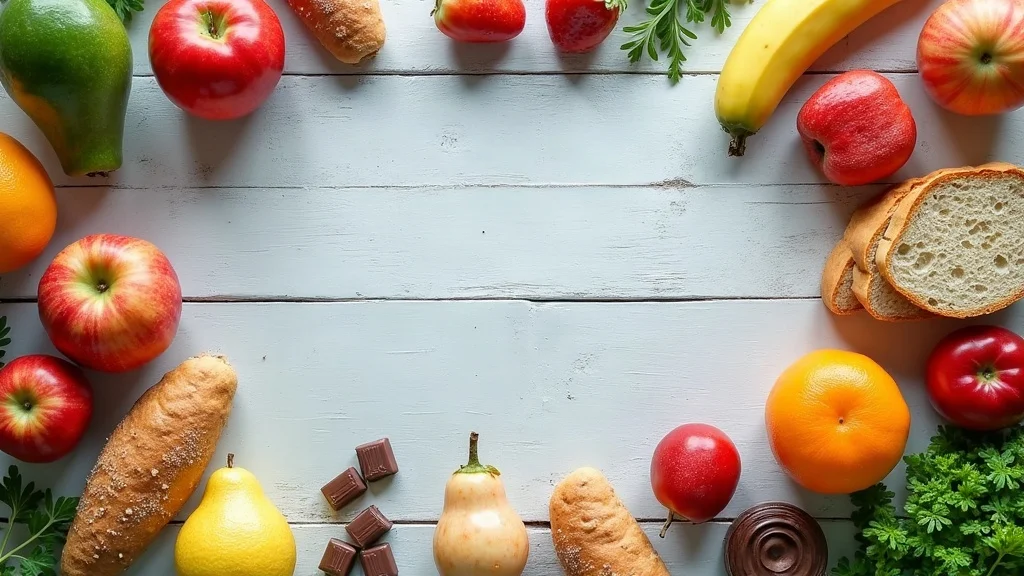
detailed flatlay of foods labeled by glycemic index, glycemic load and skin health

Beyond single ingredients, whole dietary patterns may influence the risk of skin conditions. Diets high in fruit, leafy greens, and healthy fats support skin care and the balance of fatty acids in the skin barrier. A diet dominated by refined grains, sugar and low in fiber may foster worse outcomes for oily and combination skin types. Still, evidence supports patterns over single rules: the balance of the weekly menu shapes outcomes more than an occasional sugary snack.

Hormonal response and inflammation after eating sugar

Sugary foods can prompt a cascade of hormonal changes. As the blood glucose level climbs, the pancreas releases insulin, which can boost the activity of hormones such as androgens. These hormones sometimes amplify oil (sebum) production, and extra oil can create the right climate for pores to clog or get inflamed. Chronic consumption of high-glycemic foods may intensify local skin inflammation, which researchers cite as a driver of persistent breakouts.

The immune system also gets involved. High sugar intake can lead to more oxidative stress, meaning more free radicals and cellular damage. Inflammatory signals increase, sometimes tipping the balance toward acne and away from calm, healthy skin. Researchers note, however, that many people with flawless skin also eat sugar regularly; genetic resistance or other dietary factors may buffer the impact. Ongoing research aims to clarify who may be most sensitive to these shifts.

Role of fatty acid metabolism in skin health

Fatty acids from food are key building blocks in the skin’s protective barrier. Both omega-3 and omega-6 acids influence how the skin holds moisture, resists environmental damage, and reacts to stress. When the balance tips toward overconsumption of saturated fats and low intake of omega-3s, research shows that the skin barrier can become more vulnerable, with increased risk of irritation and longer healing times.

cross section skin illustration with nutrients and fatty acids for skin barrier nourishment, role of dietary fat and diet and skin health

Dietary fat also modulates inflammation inside the skin. Foods rich in salmon, walnuts, flaxseed oil, and certain seeds support an anti-inflammatory environment, which protects against both acne and other skin disorders. Saturated fats and some trans-fats found in processed foods may have the opposite effect, promoting inflammatory pathways. This interaction demonstrates that fatty acids are not just fuel but active agents in maintaining healthier skin and managing common skin conditions.

The skin barrier and nutrient intake

A healthy skin barrier keeps out irritants, locks in moisture, and supports resilience in the face of everyday stressors. Nutrients gained from diverse dietary choices — including vitamins from vegetables and essential fatty acids from nuts or cold-water fish — support the structure and function of the skin barrier. Deficiencies in key nutrients like vitamin A, vitamin D, zinc, or essential fatty acids have been linked to various skin disorders and rough, dry skin. Some studies find that improving dietary balance, rather than focusing on single nutrients or restrictive elimination diets, leads to the strongest gains in skin health.

Research into phytonutrients, found in berries and leafy greens, adds another layer of understanding. These compounds may shield the skin from oxidative stress caused by ultraviolet rays or urban pollution. While no all-purpose superfood exists, a steady stream of varied, nutrient-rich foods helps maintain the skin’s defenses and encourages long-term improvements in skin condition.

What Does Research Show: Dietary Choices and Skin Health

Studies on dietary pattern and acne risk

Multiple studies explore how different dietary patterns relate to the risk and severity of acne. Some research shows that diets high in dairy, fast food, and high-glycemic foods correlate with a greater incidence of breakouts, while whole-food diets including vegetables, whole grains, and healthy fats tend to report fewer or milder symptoms. For example, participants following a low-glycemic index diet for several weeks showed reduced inflammation and fewer active blemishes compared to those eating typical Western diets. Many factors, including genetic susceptibility, medication, age, stress, and hygiene, also play a part.

researchers analyzing diet and skin health data on tablets in a modern lab; research on dietary pattern, skin condition, acne

Not all studies agree on the impact of a specific food group or nutrient. Some show only mild effects, and a few find no link at all. This suggests that broad patterns — not individual foods — shape the skin’s response. The most consistent benefit appears when unhealthy patterns are replaced with fiber-rich meals and more omega-3 fatty acids.

Fatty acids, skin condition and glycemic load

Glycemic load measures not just the type of carbohydrate in a food, but the amount consumed and its effect on blood sugar. Meals that pile up high glycemic loads, such as sweetened cereals or pastries, can increase the risk of skin inflammation for certain people, particularly if their overall fat intake favors saturated or trans fats over unsaturated omega-3 and omega-6 sources. Balance is the takeaway; diets that integrate healthy fatty acids with lower glycemic load often see fewer inflammatory signals on the skin.

Fatty acids help maintain the skin’s elasticity and repair microdamage. Clinical trials compare groups on high-omega-3 diets against control groups, measuring skin hydration, elastic recovery, and inflammation markers. While not universally dramatic, improvements in chronic skin conditions such as eczema and atopic dermatitis have been noted in several controlled studies, highlighting the synergy between dietary pattern, glycemic load, and skin condition.

Nutrient deficiencies, skin care, and dietary choices

Missing out on vitamins, minerals, or healthy fats can leave the skin vulnerable. In cases of vitamin A or zinc shortage, skin barrier repair may lag, inviting irritation, rough texture, or even flare-ups of skin diseases like atopic dermatitis. For some, focusing solely on sugar reduction while neglecting these building blocks means missing the real cause of their skin issues.

Dietary patterns that incorporate fish, nuts, seeds, colorful produce, and fortified grains can deliver what the skin needs to heal and fend off damage. On the other hand, strict elimination diets and sudden changes may create unintended deficiencies and new problems, underscoring how the goal of optimal skin health often depends on variety and balance rather than exclusion of a single nutrient group.

What is not yet known about diet and skin health

Researchers acknowledge many uncertainties. It remains unclear why some people see immediate changes in their skin after dietary adjustments, while others do not. The interaction between hormones, immune response, and food is highly individual. Studies rarely isolate the effect of dietary patterns without confounding by medication, stress, or genetic background. Furthermore, long-term research in diverse populations is still ongoing, leaving some questions unresolved about the best dietary recommendations for different age groups or skin disorders.

young adult examines face in mirror, thoughtful about diet and skin condition, uncertainty in research

No universal rule explains all acne, and the evidence supporting strict limits on a single category such as sugar is limited. More large-scale, controlled trials are needed before changing dietary guidelines or recommending blanket elimination diets for skin care.

Expert Insights: Foods, Fatty Acids, and Skin Condition

"Sugar alone does not cause acne, but diets consistently high in sugar and low in beneficial fatty acids can set the stage for more frequent skin problems. We encourage patients to focus less on eliminating a single food and more on building balanced, diverse meals rich in fiber and healthy fats. " — Board-certified dermatologist

Fatty acids in the diet and their impact on the skin barrier

Omega-3 and omega-6 fatty acids from foods like salmon, walnuts, and flaxseeds form part of the structure of the skin barrier. Their presence helps reduce water loss and keeps out irritants. Studies suggest that people who increase dietary intake of these fats may see a more resilient, smoother skin surface and faster recovery if suffering from eczema or other chronic conditions. On the other hand, consistently eating foods high in saturated fats appears to make the barrier less effective.
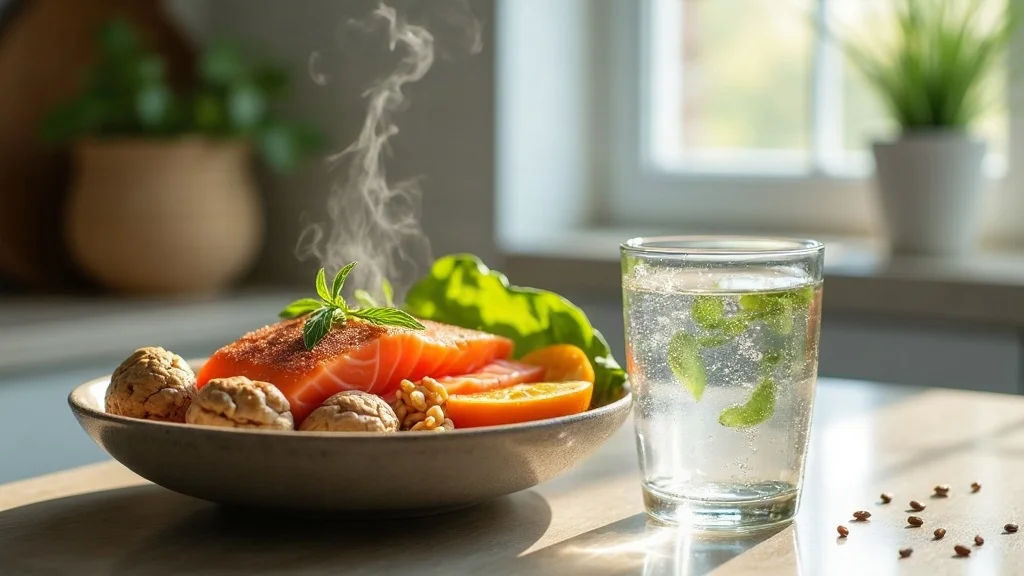
omega-3 rich foods like salmon, walnuts, flaxseeds in bowl, skin barrier support, diet and skin health visual

Healthy fats also modulate inflammation, protecting against some causes of skin aging and reducing the risk of flare-ups in disorders like atopic dermatitis and psoriasis. Expert consensus continues to recommend a mix of omega-3-rich foods rather than supplementation alone, allowing the skin to benefit from additional nutrients found in whole foods.

Foods linked to skin conditions including atopic dermatitis and alopecia areata

Atopic dermatitis and alopecia areata have shown possible links with irregular fatty acid intake as well as certain dietary triggers. Studies note increased prevalence of atopic dermatitis in children and adults who eat high-sugar, low-nutrient diets. Conversely, populations who include more vegetables, fish, and seeds in their dietary pattern display lower rates or less severe symptoms.

Emerging research explores the potential for anti-inflammatory dietary plans in helping manage chronic skin conditions. For alopecia areata, there is some evidence that reducing oxidative stress through antioxidants and balancing dietary fat may offer modest benefits, though results are still inconclusive. Medical advice remains tailored: changes to diet should accompany professional guidance, as each immune-based disorder responds differently.

Is there a connection between dietary pattern and skin cancer?

Links between dietary pattern and skin cancer risk are under investigation. High intake of fruits, vegetables, and foods rich in antioxidants may offer some protective effects against cellular damage. At the same time, diets heavy in processed meats and saturated fats have been tentatively associated with increased risk, though the correlation is less direct than with other cancers. Sun exposure remains the primary risk factor for skin cancer, but a diet that supports the skin barrier and immune system may contribute to repairs following UV damage and provide long-term support.

adult shopping for fresh produce, linking colorful vegetables to diet and skin health, skin cancer prevention visual

So far, most recommendations focus on moderation. No research supports a single food that can prevent skin cancer, but whole-diet adjustments, antioxidant intake, and reduced consumption of processed foods may help lower risk over time.

Comparing Diet and Skin Health: Table of Food Types and Effects

Food Group

Glycemic Index

Fatty Acids

Associated Skin Effects

Refined grains/sugar

High

Low (mostly)

Potential to increase breakouts, especially in some acne-prone skin

Leafy greens/vegetables

Low

Low

Support clear skin and barrier repair, high in antioxidants

Oily fish, walnuts, seeds

Low

High (omega-3)

May reduce inflammation, support barrier function

Processed/fried foods

Moderate to High

High (saturated/trans fats)

Associated with increased inflammation and delayed skin healing

Fruits (varied)

Varies (mostly low to moderate)

Low

Antioxidant effects, minor glycemic rise, help overall skin condition

Dairy

Low to moderate

Varies

Possible increased risk of acne in sensitive individuals

People Also Ask: What Are the Worst Foods to Avoid for Aging Skin?

How dietary choices and glycemic load relate to skin health

Foods heavy in sugar and refined grains — like white bread, candy, and sweetened beverages — deliver a high glycemic load. They can promote oxidative stress and speed up signs of skin aging over time by damaging collagen and elastic tissues. Fried foods and highly processed snacks add saturated and trans fats, which may harm the skin barrier and increase inflammation. Many experts advise limiting these alongside fast food and high-sodium snacks for better long-term skin care and appearance.

junk food vs healthy food split, glycemic load, dietary choices and skin health visual

Consuming antioxidant-rich foods such as fresh berries, nuts, and leafy greens as regular dietary choices supports the fight against oxidative stress and wrinkles, while balancing the skin barrier’s need for healthy fats. Moderation, not avoidance of all treats, shapes the most sustainable and beneficial diet for lasting skin health.

People Also Ask: What Organ Affects Your Skin the Most?

The gut, liver, and their role in skin condition

While the skin is the body’s largest organ, other organs — notably the gut and liver — shape how nutrients are absorbed and toxins are filtered before reaching skin cells. Gut health influences inflammation and the immune system. People with chronic gut disturbances, such as irritable bowel syndrome or food intolerance, often report changing skin health at the same time. A balanced, fiber-rich diet supports the microbial environment and may lower inflammation.

The liver breaks down and removes waste products and environmental toxins. Overwork or underlying liver conditions can show as skin rashes, yellowing, or a dull appearance. That said, the link between diet, these organs, and skin condition remains an active field of research. Eating a range of fresh, minimally processed foods supports both gut and liver function, which may lead to clearer and more resilient skin.

People Also Ask: What Three Foods Fight Wrinkles?

Fatty acids, antioxidants and skin care in everyday foods

Regularly eating foods rich in omega-3 fatty acids (like salmon and flaxseeds), antioxidants (such as blueberries and spinach), and vitamin E (found in almonds) helps to reduce the appearance of wrinkles and support the skin barrier. These nutrients aid in fighting oxidative stress from environmental exposure and internal metabolic processes, slowing the breakdown of collagen and elastin fibers.
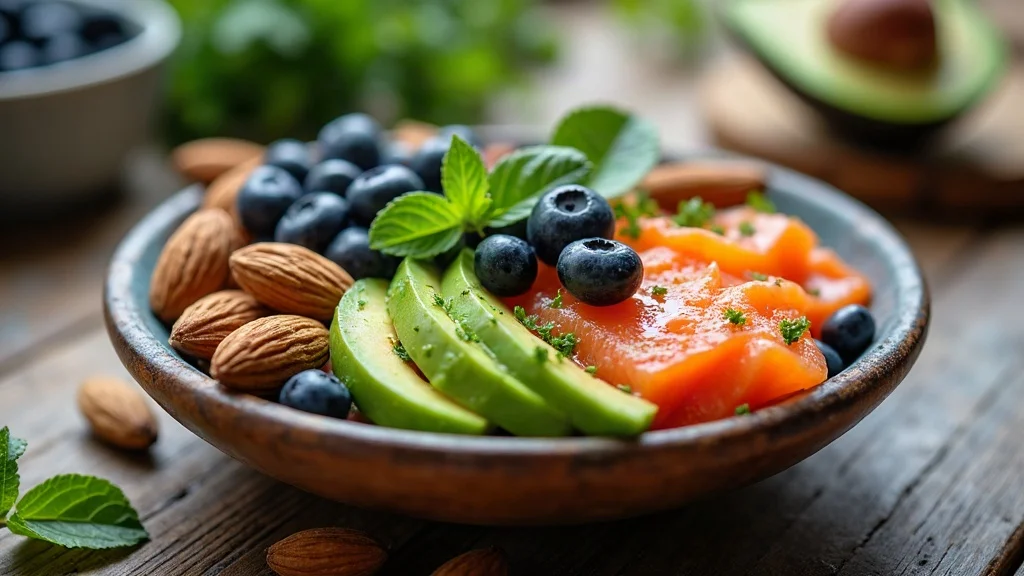
bowl of blueberries, avocado, almonds and salmon for antioxidants, fatty acids, and diet and skin health

The combination of healthy fats, antioxidant compounds, and micronutrients supports skin repair and may smooth the appearance of fine lines with consistent, long-term dietary patterns. Hydration from water-rich foods and adequate fluid intake also plays a helpful role in supporting skin health as the years go by.

People Also Ask: Does Your Diet Actually Affect Your Skin?

Summary of evidence connecting diet and skin health

Most research confirms that diet can affect skin health, although the exact impact varies from person to person. Eating a balanced mixture of nutrients — including healthy fats, lean protein, fresh fruits, and vegetables — delivers building blocks for skin cell repair, antioxidant protection, and barrier maintenance. On the other hand, diets routinely high in sugar, refined grains, or processed foods have been associated with greater risk of breakouts and signs of premature aging.

While genetics and outside factors like sunburn ultimately shape the skin’s appearance, consistent evidence supports the common sense view: your plate can influence how your skin feels, heals, and looks over time.

Frequently Asked Questions About Diet and Skin Health

  • Does cutting sugar always improve acne for everyone?
    No. For some people, reducing sugar and refined carb intake leads to fewer breakouts, but not all see a difference. Genetics, other health issues, and full dietary pattern all play a part.

  • How much do fatty acids matter in the diet for skin care?
    Fatty acids, especially omega-3s, support the integrity of the skin barrier and decrease inflammation. While not a cure-all, a diet richer in these fats often leads to noticeable improvements in skin feel and resilience.

  • Is the link between dairy and acne stronger than sugar?
    Some research suggests dairy has a mild impact on acne for certain people, especially during adolescence. The link is not consistent or stronger than the association with high-glycemic foods for most individuals.

  • What skin condition might improve first with a dietary pattern change?
    For many, mild to moderate acne and atopic dermatitis react most quickly to positive changes in dietary pattern, such as eating more fruits, vegetables, fiber, and omega-3-rich foods.

Key Takeaways on Diet and Skin Health

  • Current evidence does not prove sugar causes acne in everyone

  • Dietary pattern may affect fatty acids in the skin barrier

  • Supportive skin care starts with balanced dietary choices

  • More research is needed on diet and skin health

When to See a Dermatologist for Skin Condition Changes

Red flags that should not be missed

Sudden, severe breakouts, skin rashes that spread, persistent new spots, unexplained dryness or scaling, or any wound or lesion that does not heal over several weeks should prompt a visit to a healthcare professional. Skin changes accompanied by fever, severe pain, or rapid swelling demand urgent medical attention. A dermatologist can evaluate for hidden medical causes or reactions beyond dietary triggers.

What a dermatologist might ask about diet and skin health

A dermatologist will likely explore recent changes in your diet, new supplements, weight shifts, and chronic conditions. Expect questions about family history, skincare products, and how quickly symptoms appeared. Food journals or photos documenting symptoms may help guide the conversation and any recommended dietary, lifestyle, or clinical changes.

Further Reading and References on Diet and Skin Health

For readers ready to examine more, look for published reviews in respected nutrition and dermatology journals, or visit major gov websites such as the United States National Library of Medicine or official dietary guidelines agencies. Resources that lay out the evidence are most helpful for those evaluating dietary changes or seeking tailored therapeutic options for their personal skin health needs.

Explore more evidence-based answers on diet and skin health: Subscribe for updates.

If you’re eager to deepen your understanding of how nutrition shapes your skin’s health, there’s a wealth of science-backed guidance available. The Skin Science Report offers comprehensive resources that go beyond the basics, exploring advanced strategies for optimizing your diet and skincare routine. Whether you’re managing persistent skin concerns or simply want to support a radiant complexion, exploring broader research and expert perspectives can help you make informed, sustainable choices. Take the next step in your skin health journey by discovering the latest insights and practical tips from leading dermatology and nutrition experts.


Diet, Lifestyle and Skin

0 Views

0 Comments

Write A Comment

*
*
Please complete the captcha to submit your comment.
Related Posts All Posts
03.27.2025

Understanding Anemia and Iron Deficiency in Hidradenitis Suppurativa: Key Insights for Women

A Closer Look at Anemia and Its Impact on Hidradenitis SuppurativaAnemia, a condition marked by insufficient healthy red blood cells (RBCs) to deliver oxygen to tissues, often presents a significant challenge for those suffering from Hidradenitis Suppurativa (HS). This chronic skin disorder is typified by painful abscesses and chronic inflammation that can lead not only to physical discomfort but also to feelings of fatigue and weak health. Understanding the interplay between HS and anemia is paramount for enhancing the quality of life for affected individuals.Types of Anemia in Hidradenitis SuppurativaPatients dealing with HS frequently experience two key types of anemia:Iron Deficiency Anemia (IDA): This type occurs when the body lacks sufficient iron needed to produce hemoglobin. Commonly, IDA arises from poor absorption of iron or due to blood loss from skin lesions associated with HS.Anemia of Chronic Disease (ACD): ACD is primarily attributed to long-standing inflammation. Inflammatory processes disrupt the body's capacity to utilize and store iron, thereby leading to anemia.The Crucial Role of Hepcidin in Iron ManagementOne of the central hormones in managing anemia and iron levels is hepcidin. Its regulatory function is critical, especially in a chronic inflammatory state like HS.Hepcidin and Iron Absorption: Chronic inflammation from HS raises hepcidin levels, which paradoxically reduces iron absorption and overall utilization in the body, directly contributing to ACD.Impact on IDA: In cases of IDA, hepcidin levels typically drop, reflecting the body's efforts to absorb extra iron to compensate for its deficiency.Iron Sequestration: In the context of an infection, like that caused by Staphylococcus aureus (Staph A), elevated hepcidin levels sequester iron, restricting its availability for red blood cell production.Staphylococcus Aureus and Its Role in Exacerbating AnemiaChronic infections, particularly those caused by Staphylococcus aureus, are prevalent among individuals with HS. Such infections can severely contribute to the manifestation of anemia through multiple pathways:Bone Marrow Suppression: Recurrent infections can lead to decreased production of red blood cells as pro-inflammatory cytokines inhibit the functionality of the bone marrow.Functional Iron Deficiency: The body’s response to infection includes a rise in hepcidin, which prompts iron to be stored rather than utilized, resulting in a deficiency where iron is present but not accessible for RBC production.Red Blood Cell Destruction: Persistent inflammation and oxidative stress from infections can lead to the destruction of red blood cells, compounding the anemia issue.Importance of Addressing Anemia in HS PatientsUnderstanding anemia’s linkage with HS is essential not just for managing symptoms, but also for improving the overall quality of life. Fatigue and weakness can diminish productivity among health-conscious career women battling HS—a demographic that often prioritizes vibrant health, both internally and externally.Integrating a clear skin diet that includes iron-rich foods, such as spinach, lentils, and lean meats, can help alleviate the symptoms of anemia and support skin health. Moreover, specific herbs known for their benefits to skin, such as nettle and spirulina, may also fortify the body’s defenses and improve iron absorption.Practical Steps to Boost Skin and Iron HealthFor those seeking beautiful skin alongside effective anemia management, consider the following actionable insights:Herbs for Clear Skin: Explore utilizing herbs such as aloe vera and chamomile in skin care routines.Healthy Lifestyle Choices: Implement a consistent exercise regimen that can boost blood circulation and overall health.Hydration: Regular hydration aids in maintaining skin elasticity and supports the body's functions in iron transportation.Conclusion: Taking Charge of Health in Hidradenitis SuppurativaIt is vital for individuals with Hidradenitis Suppurativa to remain proactive and informed about the potential challenges posed by anemia. With the proper management strategies, including dietary improvements and awareness of chronic health interactions, women can reclaim their health and enhance their quality of life. Understanding your body is the first step towards achieving the vibrant, clear skin you desire. Take action today by consulting with a healthcare provider to strategize a tailored health plan that includes monitoring for anemia.

03.27.2025

How Coffee and Tea Can Impact Your Iron Levels and Skin Health

Update Understanding the Role of Beverages in Nutrient Absorption Coffee and tea are ubiquitous beverages that many people cherish for their rich flavors and stimulating effects. However, their impact on nutrient absorption, particularly iron, can be profound. For health-conscious career women striving to maintain both energy levels and skin health, understanding how these drinks interfere with iron intake is essential. How Coffee Impacts Iron Absorption The polyphenols and tannins found in coffee are fundamentally responsible for its ability to inhibit iron absorption. Chlorogenic acid, a prominent polyphenol in coffee, binds to non-heme iron, creating insoluble complexes that can't be easily absorbed by the body. Iron is crucial for producing healthy red blood cells; thus, hindering its absorption can have long-term health implications. Strategies to Minimize Impact For those taking iron supplements, timing is key. Research indicates that consuming coffee either one hour before or two hours after taking iron supplements can significantly enhance absorption. Despite theorems proposing that taking iron on an empty stomach can amplify absorption, it's crucial to balance this with potential gastrointestinal discomfort. The Relationship Between Tea and Iron Similar to coffee, tea is rich in polyphenols that bind to iron, particularly catechins in green tea and thearubigins in black tea. Women who enjoy tea should also be mindful of its consumption timing. Drinking tea alongside meals, especially ones rich in iron, can similarly diminish iron uptake. This is concerning for those with iron deficiency anemia, as it limits the effectiveness of iron-rich foods and supplements. Choosing Wisely: Tips for the Health-Conscious Women seeking to boost their iron levels and promote beautiful, clear skin should consider adhering to specific dietary strategies. Consuming vitamin C-rich foods alongside iron supplements, for instance, can enhance iron absorption significantly. Foods like bell peppers, strawberries, and citrus fruits are excellent companions to iron-rich meals. Broader Implications: Nutrition and Skin Health Your dietary choices affect not only your iron levels but also your skin health. For beautiful skin, a balanced intake of nutrients is vital. Herbs known for their skin benefits, such as chamomile and calendula, can offer soothing properties and complement your daily diet. Incorporating these herbal remedies in a skincare routine or diet can support clear skin and reduce problems like skin itching. Conclusion: Actionable Insights for Better Health To manage iron deficiency effectively while enjoying your favorite beverages, be strategic about consumption. Adjusting your coffee and tea intake around the timing of iron-rich meals and supplements can lead to better health outcomes. As a careerwoman concerned with both nutrition and skin health, take charge of your dietary practices today. Regular monitoring of your health through blood tests can provide insights into the effectiveness of your iron intake strategies. By being well-informed and proactive about the interactions between everyday beverages and nutrient absorption, you can cultivate both improved health and vibrant skin. For those eager to enhance their skin health, explore options like a clear skin diet rich in iron and paired with beneficial herbs. Don't forget to consider what teas are good for skin health when making your beverage choices, as some options might surprise you with their positive effects.

03.21.2025

New Study Challenges the Health Benefits of Red Wine Over White Wine

Update The Great Wine Debate: Red vs. White The idea of sipping a glass of red wine for its purported health benefits has long been popular. For many parents seeking ways to improve their health while enjoying their downtime, red wine has often been seen as a guilt-free indulgence. However, recent studies have thrown a wrench in the traditional belief that red wine is healthier than white wine. What the Study Found The latest research suggests that the health benefits attributed to red wine, particularly its antioxidants, might not be as significant as previously thought. Many have deemed resveratrol, found in red wine, to carry protective health properties, especially regarding heart health and inflammation. This study questions that narrative, suggesting similar or equal benefits from white wine. For parents, especially those conscious about their diets and overall health, this news could change how they view occasional wine consumption. The study challenges the notion that opting for red wine is the best choice for a healthier lifestyle, urging individuals to consider white wine as a viable alternative. Understanding the Health Benefits Red and white wines both contain beneficial compounds, though in different amounts. Red wine is often touted for higher levels of antioxidants like flavonoids and tannins, which may offer various health benefits. These compounds have been linked to skin health and aging, providing potential advantages such as improved cardiovascular health and enhanced skin vitality. However, it's important to note that too much of any alcoholic beverage can lead to negative health effects. Moderation is key, along with an understanding that a balanced diet filled with healthy skin foods—such as fruits, vegetables, and omega-3 fatty acids—can aid skin health and overall well-being. Parallel Example: Alcohol Intolerances and Cultural Practices In many cultures, the perception of wine varies immensely. In some societies, wine drinking is a social norm, while in others, it might be stigmatized due to various factors. For instance, regions where people have high sugar consumption may influence how wine is accepted. Additionally, some individuals may be intolerant to alcohol, making wine consumption less beneficial due to adverse reactions. For parents, acknowledging these differences can provide an opportunity for discussions about health in different cultural contexts and the importance of moderation and informed choices. Future Insights: What Lies Ahead for Wine Consumption? As science continues to evolve, further studies may uncover more about the nutritional profiles of both red and white wines. Parents might find it beneficial to stay informed about ongoing research, looking for findings that help shape responsible choices regarding alcohol intake.  Incorporating a diet rich in collagen and antioxidants could enhance skin health significantly. Collagen-rich foods—such as bone broth, fish, and avocados—along with daily healthy smoothies can help maintain skin's elasticity and hydration. It’s crucial to educate oneself on how to complement occasional wine intake with these health-conscious decisions. Common Misconceptions: Myths About Red Wine One common misconception is that red wine is always the healthier option. This recent study sheds light on the idea that both wine types offer unique benefits and potential drawbacks. It’s essential for parents to recognize that preferences and health conditions can play a significant role in choosing what to drink. Understanding ingredients in wines, such as sulfites and other preservatives can be beneficial, allowing parents to choose options that maintain their skin and overall health, while still having the occasional drink. This presents an opportunity to have deeper conversations about making conscious decisions regarding alcohol. Take Action: Why Knowledge is Power Ultimately, parents should feel empowered to direct their health choices. Knowing the comparative health benefits of red and white wine encourages informed selections alongside healthy practices. Maintaining healthy skin through diet, staying hydrated, and being selective about alcohol can significantly improve both immediate and long-term wellness. So, the next time you're contemplating a glass of wine, remember the importance of balanced choices. Why not consider incorporating more healthy skin foods and hydration strategies alongside it? If you're curious about enhancing your health further, consider exploring healthy smoothies for glowing skin. In conclusion, while red wine may have its perks, it's prudent to rethink our habitual choices. Both red and white wines can be enjoyed responsibly within a balanced lifestyle that prioritizes health and well-being.

Skin Science News

Because skin health is a cornerstone of overall well-being, it is a major factor in influencing physical appearance, immunity, and quality of life across all age groups. As the body’s largest organ and first line of defense, the skin protects against environmental stressors like UV radiation and pollution while also reflecting internal health factors such as nutrition and stress levels.

COMPANY

  • Privacy Policy
  • Terms of Use
  • Advertise
  • Contact Us
  • Menu 5
  • Menu 6

info@skinsciencereport.com

5850 Macklind, St. Louis, MO

© 2026 Rising Review LLC All Rights Reserved. 5850 Macklind Avenue, St. Louis, MO 63109 . Contact Us . Terms of Service . Privacy Policy

eyJjb21wYW55IjoiUmlzaW5nIFJldmlldyBMTEMiLCJhZGRyZXNzIjoiNTg1MCBNYWNrbGluZCBBdmVudWUiLCJjaXR5IjoiU3QuIExvdWlzIiwic3RhdGUiOiJNTyIsInppcCI6IjYzMTA5IiwiZW1haWwiOiJidXNpbmVzc0ByaXNpbmdyZXZpZXcuY29tIiwidG9zIjoiUEhBK1BITjBjbTl1Wno0OFpXMCtWMmhsYmlCNWIzVWdjMmxuYmkxcGJpQjNhWFJvSUhWekxDQjViM1VnWVhKbElHZHBkbWx1WnladVluTndPeUI1YjNWeUlIQmxjbTFwYzNOcGIyNGdZVzVrSUdOdmJuTmxiblFnZEc4Z2MyVnVaQ0I1YjNVZ1pXMWhhV3dnWVc1a0wyOXlJRk5OVXlCMFpYaDBJRzFsYzNOaFoyVnpMaUJDZVNCamFHVmphMmx1WnlCMGFHVWdWR1Z5YlhNZ1lXNWtJRU52Ym1ScGRHbHZibk1nWW05NElHRnVaQ0JpZVNCemFXZHVhVzVuSUdsdUlIbHZkU0JoZFhSdmJXRjBhV05oYkd4NUlHTnZibVpwY20wZ2RHaGhkQ0I1YjNVZ1lXTmpaWEIwSUdGc2JDQjBaWEp0Y3lCcGJpQjBhR2x6SUdGbmNtVmxiV1Z1ZEM0OEwyVnRQand2YzNSeWIyNW5Qand2Y0Q0S0NqeHdQanhoSUdoeVpXWTlJbWgwZEhBNkx5OTNkM2N1WjI5dloyeGxMbU52YlNJK2FIUjBjRG92TDNkM2R5NW5iMjluYkdVdVkyOXRQQzloUGp3dmNENEtDanh3UGladVluTndPend2Y0Q0S0NqeHdQanh6ZEhKdmJtYytVMFZTVmtsRFJUd3ZjM1J5YjI1blBqd3ZjRDRLQ2p4d1BsZGxJSEJ5YjNacFpHVWdZU0J6WlhKMmFXTmxJSFJvWVhRZ1kzVnljbVZ1ZEd4NUlHRnNiRzkzY3lCNWIzVWdkRzhnY21WalpXbDJaU0J5WlhGMVpYTjBjeUJtYjNJZ1ptVmxaR0poWTJzc0lHTnZiWEJoYm5rZ2FXNW1iM0p0WVhScGIyNHNJSEJ5YjIxdmRHbHZibUZzSUdsdVptOXliV0YwYVc5dUxDQmpiMjF3WVc1NUlHRnNaWEowY3l3Z1kyOTFjRzl1Y3l3Z1pHbHpZMjkxYm5SeklHRnVaQ0J2ZEdobGNpQnViM1JwWm1sallYUnBiMjV6SUhSdklIbHZkWElnWlcxaGFXd2dZV1JrY21WemN5QmhibVF2YjNJZ1kyVnNiSFZzWVhJZ2NHaHZibVVnYjNJZ1pHVjJhV05sTGlCWmIzVWdkVzVrWlhKemRHRnVaQ0JoYm1RZ1lXZHlaV1VnZEdoaGRDQjBhR1VnVTJWeWRtbGpaU0JwY3lCd2NtOTJhV1JsWkNBbWNYVnZkRHRCVXkxSlV5WnhkVzkwT3lCaGJtUWdkR2hoZENCM1pTQmhjM04xYldVZ2JtOGdjbVZ6Y0c5dWMybGlhV3hwZEhrZ1ptOXlJSFJvWlNCMGFXMWxiR2x1WlhOekxDQmtaV3hsZEdsdmJpd2diV2x6TFdSbGJHbDJaWEo1SUc5eUlHWmhhV3gxY21VZ2RHOGdjM1J2Y21VZ1lXNTVJSFZ6WlhJZ1kyOXRiWFZ1YVdOaGRHbHZibk1nYjNJZ2NHVnljMjl1WVd4cGVtRjBhVzl1SUhObGRIUnBibWR6TGp3dmNENEtDanh3UGxsdmRTQmhjbVVnY21WemNHOXVjMmxpYkdVZ1ptOXlJRzlpZEdGcGJtbHVaeUJoWTJObGMzTWdkRzhnZEdobElGTmxjblpwWTJVZ1lXNWtJSFJvWVhRZ1lXTmpaWE56SUcxaGVTQnBiblp2YkhabElIUm9hWEprSUhCaGNuUjVJR1psWlhNZ0tITjFZMmdnWVhNZ1UwMVRJSFJsZUhRZ2JXVnpjMkZuWlhNc0lFbHVkR1Z5Ym1WMElITmxjblpwWTJVZ2NISnZkbWxrWlhJZ2IzSWdZMlZzYkhWc1lYSWdZV2x5ZEdsdFpTQmphR0Z5WjJWektTNGdXVzkxSUdGeVpTQnlaWE53YjI1emFXSnNaU0JtYjNJZ2RHaHZjMlVnWm1WbGN5d2dhVzVqYkhWa2FXNW5JSFJvYjNObElHWmxaWE1nWVhOemIyTnBZWFJsWkNCM2FYUm9JSFJvWlNCa2FYTndiR0Y1SUc5eUlHUmxiR2wyWlhKNUlHOW1JR1ZoWTJnZ1UwMVRJSFJsZUhRZ2JXVnpjMkZuWlNCelpXNTBJSFJ2SUhsdmRTQmllU0IxY3k0Z1NXNGdZV1JrYVhScGIyNHNJSGx2ZFNCdGRYTjBJSEJ5YjNacFpHVWdZVzVrSUdGeVpTQnlaWE53YjI1emFXSnNaU0JtYjNJZ1lXeHNJR1Z4ZFdsd2JXVnVkQ0J1WldObGMzTmhjbmtnZEc4Z1lXTmpaWE56SUhSb1pTQlRaWEoyYVdObElHRnVaQ0J5WldObGFYWmxJSFJvWlNCVFRWTWdkR1Y0ZENCdFpYTnpZV2RsY3k0Z1YyVWdaRzhnYm05MElHTm9ZWEpuWlNCaGJua2dabVZsY3lCbWIzSWdaR1ZzYVhabGNua2diMllnWlcxaGFXd2diM0lnVTAxVExpQlVhR2x6SUdseklHRWdabkpsWlNCelpYSjJhV05sSUhCeWIzWnBaR1ZrSUdKNUlIVnpMaUJJYjNkbGRtVnlMQ0J3YkdWaGMyVWdZMmhsWTJzZ2QybDBhQ0I1YjNWeUlHbHVkR1Z5Ym1WMElITmxjblpwWTJVZ2NISnZkbWxrWlhJZ1lXNWtJR05sYkd4MWJHRnlJR05oY25KcFpYSWdabTl5SUdGdWVTQmphR0Z5WjJWeklIUm9ZWFFnYldGNUlHbHVZM1Z5SUdGeklHRWdjbVZ6ZFd4MElHWnliMjBnY21WalpXbDJhVzVuSUdWdFlXbHNJR0Z1WkNCVFRWTWdkR1Y0ZENCdFpYTnpZV2RsY3lCMGFHRjBJSGRsSUdSbGJHbDJaWElnZFhCdmJpQjViM1Z5SUc5d2RDMXBiaUJoYm1RZ2NtVm5hWE4wY21GMGFXOXVJSGRwZEdnZ2IzVnlJR1Z0WVdsc0lHRnVaQ0JUVFZNZ2MyVnlkbWxqWlhNdUlGbHZkU0JqWVc0Z1kyRnVZMlZzSUdGMElHRnVlU0IwYVcxbExpQktkWE4wSUhSbGVIUWdKbkYxYjNRN1UxUlBVQ1p4ZFc5ME95QjBieUE4YUdsbmFHeHBaMmgwSUdOc1lYTnpQU0pqYjIxd1lXNTVVR2h2Ym1WVmNHUmhkR1VpUGpNeE5DMDJNall0TURnNE56d3ZhR2xuYUd4cFoyaDBQaTRnUVdaMFpYSWdlVzkxSUhObGJtUWdkR2hsSUZOTlV5QnRaWE56WVdkbElDWnhkVzkwTzFOVVQxQW1jWFZ2ZERzZ2RHOGdkWE1zSUhkbElIZHBiR3dnYzJWdVpDQjViM1VnWVc0Z1UwMVRJRzFsYzNOaFoyVWdkRzhnWTI5dVptbHliU0IwYUdGMElIbHZkU0JvWVhabElHSmxaVzRnZFc1emRXSnpZM0pwWW1Wa0xpQkJablJsY2lCMGFHbHpMQ0I1YjNVZ2QybHNiQ0J1YnlCc2IyNW5aWElnY21WalpXbDJaU0JUVFZNZ2JXVnpjMkZuWlhNZ1puSnZiU0IxY3k0OEwzQStDZ284Y0Q0OGMzUnliMjVuUGxsUFZWSWdVa1ZIU1ZOVVVrRlVTVTlPSUU5Q1RFbEhRVlJKVDA1VFBDOXpkSEp2Ym1jK1BDOXdQZ29LUEhBK1NXNGdZMjl1YzJsa1pYSmhkR2x2YmlCdlppQjViM1Z5SUhWelpTQnZaaUIwYUdVZ1UyVnlkbWxqWlN3Z2VXOTFJR0ZuY21WbElIUnZPand2Y0Q0S0NqeHZiRDRLQ1R4c2FUNXdjbTkyYVdSbElIUnlkV1VzSUdGalkzVnlZWFJsTENCamRYSnlaVzUwSUdGdVpDQmpiMjF3YkdWMFpTQnBibVp2Y20xaGRHbHZiaUJoWW05MWRDQjViM1Z5YzJWc1ppQmhjeUJ3Y205dGNIUmxaQ0JpZVNCMGFHVWdVMlZ5ZG1salpTWWpNems3Y3lCeVpXZHBjM1J5WVhScGIyNGdabTl5YlNBb2MzVmphQ0JwYm1admNtMWhkR2x2YmlCaVpXbHVaeUIwYUdVZ0puRjFiM1E3VW1WbmFYTjBjbUYwYVc5dUlFUmhkR0VtY1hWdmREc3BJR0Z1WkR3dmJHaytDZ2s4YkdrK2JXRnBiblJoYVc0Z1lXNWtJSEJ5YjIxd2RHeDVJSFZ3WkdGMFpTQjBhR1VnVW1WbmFYTjBjbUYwYVc5dUlFUmhkR0VnZEc4Z2EyVmxjQ0JwZENCMGNuVmxMQ0JoWTJOMWNtRjBaU3dnWTNWeWNtVnVkQ0JoYm1RZ1kyOXRjR3hsZEdVdUlFbG1JSGx2ZFNCd2NtOTJhV1JsSUdGdWVTQnBibVp2Y20xaGRHbHZiaUIwYUdGMElHbHpJSFZ1ZEhKMVpTd2dhVzVoWTJOMWNtRjBaU3dnYm05MElHTjFjbkpsYm5RZ2IzSWdhVzVqYjIxd2JHVjBaU3dnYjNJZ2QyVWdhR0YyWlNCeVpXRnpiMjVoWW14bElHZHliM1Z1WkhNZ2RHOGdjM1Z6Y0dWamRDQjBhR0YwSUhOMVkyZ2dhVzVtYjNKdFlYUnBiMjRnYVhNZ2RXNTBjblZsTENCcGJtRmpZM1Z5WVhSbExDQnViM1FnWTNWeWNtVnVkQ0J2Y2lCcGJtTnZiWEJzWlhSbExDQjNaU0JvWVhabElIUm9aU0J5YVdkb2RDQjBieUJ6ZFhOd1pXNWtJRzl5SUR4emRISnZibWMrUEhOd1lXNGdjM1I1YkdVOUltTnZiRzl5T2lOR1JqQXdNREE3SWo1MFpYSnRhVzVoZEdVZ2VXOTFjaUJoWTJOdmRXNTBMM0J5YjJacGJHVWdZVzVrSUhKbFpuVnpaU0JoYm5rZ1lXNWtJR0ZzYkNCamRYSnlaVzUwSUc5eUlHWjFkSFZ5WlNCMWMyVWdiMllnZEdobElGTmxjblpwWTJVZ0tHOXlJR0Z1ZVNCd2IzSjBhVzl1SUhSb1pYSmxiMllwTGp3dmMzQmhiajQ4TDNOMGNtOXVaejQ4TDJ4cFBnbzhMMjlzUGdvS1BIQStKbTVpYzNBN1BDOXdQZ284YUdsbmFHeHBaMmgwSUdOc1lYTnpQU0pqYjIxd1lXNTVUbUZ0WlZWd1pHRjBaU0krVW1semFXNW5JRkpsZG1sbGR5Qk1URU04TDJocFoyaHNhV2RvZEQ0OFluSWdMejRLUEdocFoyaHNhV2RvZENCamJHRnpjejBpWTI5dGNHRnVlVUZrWkhKbGMzTlZjR1JoZEdVaVBqVTROVEFnVFdGamEyeHBibVFnUVhabGJuVmxMQ0JUZEM0Z1RHOTFhWE1zSUUxUElEWXpNVEE1UEM5b2FXZG9iR2xuYUhRK1BHSnlJQzgrQ2p4b2FXZG9iR2xuYUhRZ1kyeGhjM005SW1OdmJYQmhibmxRYUc5dVpWVndaR0YwWlNJK016RTBMVFl5Tmkwd09EZzNQQzlvYVdkb2JHbG5hSFErUEdKeUlDOCtDanhvYVdkb2JHbG5hSFFnWTJ4aGMzTTlJbU52YlhCaGJubEZiV0ZwYkZWd1pHRjBaU0krWW5WemFXNWxjM05BY21semFXNW5jbVYyYVdWM0xtTnZiVHd2YUdsbmFHeHBaMmgwUGc9PSIsInByaXZhY3kiOiJQSEErUEhOMGNtOXVaejVRVWtsV1FVTlpQQzl6ZEhKdmJtYytQQzl3UGdvS1BIQStQSE4wY205dVp6NVVhR1VnYVc1bWIzSnRZWFJwYjI0Z2NISnZkbWxrWldRZ1pIVnlhVzVuSUhSb2FYTWdjbVZuYVhOMGNtRjBhVzl1SUdseklHdGxjSFFnY0hKcGRtRjBaU0JoYm1RZ1kyOXVabWxrWlc1MGFXRnNMQ0JoYm1RZ2QybHNiQ0J1WlhabGNpQmlaU0JrYVhOMGNtbGlkWFJsWkN3Z1kyOXdhV1ZrTENCemIyeGtMQ0IwY21Ga1pXUWdiM0lnY0c5emRHVmtJR2x1SUdGdWVTQjNZWGtzSUhOb1lYQmxJRzl5SUdadmNtMHVJRlJvYVhNZ2FYTWdiM1Z5SUdkMVlYSmhiblJsWlM0OEwzTjBjbTl1Wno0OEwzQStDZ284Y0Q0OGMzUnliMjVuUGtsT1JFVk5Ua2xVV1R3dmMzUnliMjVuUGp3dmNENEtDanh3UGp4bGJUNVpiM1VnWVdkeVpXVWdkRzhnYVc1a1pXMXVhV1o1SUdGdVpDQm9iMnhrSUhWekxDNGdZVzVrSUdsMGN5QnpkV0p6YVdScFlYSnBaWE1zSUdGbVptbHNhV0YwWlhNc0lHOW1abWxqWlhKekxDQmhaMlZ1ZEhNc0lHTnZMV0p5WVc1a1pYSnpJRzl5SUc5MGFHVnlJSEJoY25SdVpYSnpMQ0JoYm1RZ1pXMXdiRzk1WldWekxDQm9ZWEp0YkdWemN5Qm1jbTl0SUdGdWVTQmpiR0ZwYlNCdmNpQmtaVzFoYm1Rc0lHbHVZMngxWkdsdVp5QnlaV0Z6YjI1aFlteGxJR0YwZEc5eWJtVjVjeVlqTXprN0lHWmxaWE1zSUcxaFpHVWdZbmtnWVc1NUlIUm9hWEprSUhCaGNuUjVJR1IxWlNCMGJ5QnZjaUJoY21semFXNW5JRzkxZENCdlppQkRiMjUwWlc1MElIbHZkU0J5WldObGFYWmxMQ0J6ZFdKdGFYUXNJSEpsY0d4NUxDQndiM04wTENCMGNtRnVjMjFwZENCdmNpQnRZV3RsSUdGMllXbHNZV0pzWlNCMGFISnZkV2RvSUhSb1pTQlRaWEoyYVdObExDQjViM1Z5SUhWelpTQnZaaUIwYUdVZ1UyVnlkbWxqWlN3Z2VXOTFjaUJqYjI1dVpXTjBhVzl1SUhSdklIUm9aU0JUWlhKMmFXTmxMQ0I1YjNWeUlIWnBiMnhoZEdsdmJpQnZaaUIwYUdVZ1ZFOVRMQ0J2Y2lCNWIzVnlJSFpwYjJ4aGRHbHZiaUJ2WmlCaGJua2djbWxuYUhSeklHOW1JR0Z1YjNSb1pYSXVQQzlsYlQ0OEwzQStDZ284Y0Q0OGMzUnliMjVuUGtSSlUwTk1RVWxOUlZJZ1QwWWdWMEZTVWtGT1ZFbEZVend2YzNSeWIyNW5Qand2Y0Q0S0NqeHdQanh6ZEhKdmJtYytXVTlWSUVWWVVGSkZVMU5NV1NCVlRrUkZVbE5VUVU1RUlFRk9SQ0JCUjFKRlJTQlVTRUZVT2p3dmMzUnliMjVuUGp3dmNENEtDanh2YkQ0S0NUeHNhVDVaVDFWU0lGVlRSU0JQUmlCVVNFVWdVMFZTVmtsRFJTQkpVeUJCVkNCWlQxVlNJRk5QVEVVZ1VrbFRTeTRnVkVoRklGTkZVbFpKUTBVZ1NWTWdVRkpQVmtsRVJVUWdUMDRnUVU0Z0puRjFiM1E3UVZNZ1NWTW1jWFZ2ZERzZ1FVNUVJQ1p4ZFc5ME8wRlRJRUZXUVVsTVFVSk1SU1p4ZFc5ME95QkNRVk5KVXk0Z0xDNGdRVTVFSUZWVExDQkpWQ1lqTXprN1V5QkRWVk5VVDAxRlVsTXNJRVZZVUZKRlUxTk1XU0JFU1ZORFRFRkpUVk1nUVV4TUlGZEJVbEpCVGxSSlJWTWdUMFlnUVU1WklFdEpUa1FzSUZkSVJWUklSVklnUlZoUVVrVlRVeUJQVWlCSlRWQk1TVVZFTENCSlRrTk1WVVJKVGtjc0lFSlZWQ0JPVDFRZ1RFbE5TVlJGUkNCVVR5QlVTRVVnU1UxUVRFbEZSQ0JYUVZKU1FVNVVTVVZUSUU5R0lFMUZVa05JUVU1VVFVSkpURWxVV1N3Z1JrbFVUa1ZUVXlCR1QxSWdRU0JRUVZKVVNVTlZURUZTSUZCVlVsQlBVMFVnUVU1RUlFNVBUaTFKVGtaU1NVNUhSVTFGVGxRdVBDOXNhVDRLQ1R4c2FUNU5RVXRGVXlCT1R5QlhRVkpTUVU1VVdTQlVTRUZVSUNocEtTQlVTRVVnVTBWU1ZrbERSU0JYU1V4TUlFMUZSVlFnV1U5VlVpQlNSVkZWU1ZKRlRVVk9WRk1zSUNocGFTa2dWRWhGSUZORlVsWkpRMFVnVjBsTVRDQkNSU0JWVGtsT1ZFVlNVbFZRVkVWRUxDQlVTVTFGVEZrc0lGTkZRMVZTUlN3Z1QxSWdSVkpTVDFJdFJsSkZSU3dnS0dscGFTa2dWRWhGSUZKRlUxVk1WRk1nVkVoQlZDQk5RVmtnUWtVZ1QwSlVRVWxPUlVRZ1JsSlBUU0JVU0VVZ1ZWTkZJRTlHSUZSSVJTQlRSVkpXU1VORklGZEpURXdnUWtVZ1FVTkRWVkpCVkVVZ1QxSWdVa1ZNU1VGQ1RFVXNJRUZPUkNBb2FYWXBJRUZPV1NCRlVsSlBVbE1nU1U0Z1ZFaEZJRk5QUmxSWFFWSkZJRmRKVEV3Z1FrVWdRMDlTVWtWRFZFVkVMand2YkdrK0NnazhiR2srUVU1WklFMUJWRVZTU1VGTUlFUlBWMDVNVDBGRVJVUWdUMUlnVDFSSVJWSlhTVk5GSUU5Q1ZFRkpUa1ZFSUZSSVVrOVZSMGdnVkVoRklGVlRSU0JQUmlCVVNFVWdVMFZTVmtsRFJTQkpVeUJFVDA1RklFRlVJRmxQVlZJZ1QxZE9JRVJKVTBOU1JWUkpUMDRnUVU1RUlGSkpVMHNnUVU1RUlGUklRVlFnV1U5VklGZEpURXdnUWtVZ1UwOU1SVXhaSUZKRlUxQlBUbE5KUWt4RklFWlBVaUJCVGxrZ1JFRk5RVWRGSUZSUElGbFBWVklnUTA5TlVGVlVSVklnVTFsVFZFVk5JRTlTSUV4UFUxTWdUMFlnUkVGVVFTQlVTRUZVSUZKRlUxVk1WRk1nUmxKUFRTQlVTRVVnUkU5WFRreFBRVVFnVDBZZ1FVNVpJRk5WUTBnZ1RVRlVSVkpKUVV3dVBDOXNhVDRLQ1R4c2FUNU9UeUJCUkZaSlEwVWdUMUlnU1U1R1QxSk5RVlJKVDA0c0lGZElSVlJJUlZJZ1QxSkJUQ0JQVWlCWFVrbFVWRVZPTENCUFFsUkJTVTVGUkNCQ1dTQlpUMVVnUmxKUFRTQlBVaUJVU0ZKUFZVZElJRTlTSUVaU1QwMGdWRWhGSUZORlVsWkpRMFVnVTBoQlRFd2dRMUpGUVZSRklFRk9XU0JYUVZKU1FVNVVXU0JPVDFRZ1JWaFFVa1ZUVTB4WklGTlVRVlJGUkNCSlRpQlVTRVVnVkU5VExqd3ZiR2srQ2p3dmIydytDZ284Y0Q0OGMzUnliMjVuUGt4SlRVbFVRVlJKVDA0Z1QwWWdURWxCUWtsTVNWUlpQQzl6ZEhKdmJtYytQQzl3UGdvS1BIQStXVTlWSUVWWVVGSkZVMU5NV1NCVlRrUkZVbE5VUVU1RUlFRk9SQ0JCUjFKRlJTQlVTRUZVSUVGT1JDQlRTRUZNVENCT1QxUWdRa1VnVEVsQlFreEZJRVpQVWlCQlRsa2dSRWxTUlVOVUxDQkpUa1JKVWtWRFZDd2dTVTVEU1VSRlRsUkJUQ3dnVTFCRlEwbEJUQ3dnUTA5T1UwVlJWVVZPVkVsQlRDQlBVaUJGV0VWTlVFeEJVbGtnUkVGTlFVZEZVeXdnU1U1RFRGVkVTVTVISUVKVlZDQk9UMVFnVEVsTlNWUkZSQ0JVVHl3Z1JFRk5RVWRGVXlCR1QxSWdURTlUVXlCUFJpQlFVazlHU1ZSVExDQkhUMDlFVjBsTVRDd2dWVk5GTENCRVFWUkJJRTlTSUU5VVNFVlNJRWxPVkVGT1IwbENURVVnVEU5VFUwVlRJQ2hGVmtWT0lFbEdJRWhCVXlCQ1JVVk9JRUZFVmtsVFJVUWdUMFlnVkVoRklGQlBVMU5KUWtsTVNWUlpJRTlHSUZOVlEwZ2dSRUZOUVVkRlV5a3NJRkpGVTFWTVZFbE9SeUJHVWs5Tk9qd3ZjRDRLQ2p4dmJENEtDVHhzYVQ1VVNFVWdWVk5GSUU5U0lGUklSU0JKVGtGQ1NVeEpWRmtnVkU4Z1ZWTkZJRlJJUlNCVFJWSldTVU5GT3p3dmJHaytDZ2s4YkdrK1ZFaEZJRU5QVTFRZ1QwWWdVRkpQUTFWU1JVMUZUbFFnVDBZZ1UxVkNVMVJKVkZWVVJTQkhUMDlFVXlCQlRrUWdVMFZTVmtsRFJWTWdVa1ZUVlV4VVNVNUhJRVpTVDAwZ1FVNVpJRWRQVDBSVExDQkVRVlJCTENCSlRrWlBVazFCVkVsUFRpQlBVaUJUUlZKV1NVTkZVeUJRVlZKRFNFRlRSVVFnVDFJZ1QwSlVRVWxPUlVRZ1QxSWdUVVZUVTBGSFJWTWdVa1ZEUlVsV1JVUWdUMUlnVkZKQlRsTkJRMVJKVDA1VElFVk9WRVZTUlVRZ1NVNVVUeUJVU0ZKUFZVZElJRTlTSUVaU1QwMGdWRWhGSUZORlVsWkpRMFU3UEM5c2FUNEtDVHhzYVQ1VlRrRlZWRWhQVWtsYVJVUWdRVU5EUlZOVElGUlBJRTlTSUVGTVZFVlNRVlJKVDA0Z1QwWWdXVTlWVWlCVVVrRk9VMDFKVTFOSlQwNVRJRTlTSUVSQlZFRTdQQzlzYVQ0S0NUeHNhVDVUVkVGVVJVMUZUbFJUSUU5U0lFTlBUa1JWUTFRZ1QwWWdRVTVaSUZSSVNWSkVJRkJCVWxSWklFOU9JRlJJUlNCVFJWSldTVU5GT3lCUFVqd3ZiR2srQ2drOGJHaytRVTVaSUU5VVNFVlNJRTFCVkZSRlVpQlNSVXhCVkVsT1J5QlVUeUJVU0VVZ1UwVlNWa2xEUlM0OEwyeHBQZ284TDI5c1Bnb0tQSEErUEhVK1Fua2djbVZuYVhOMFpYSnBibWNnWVc1a0lITjFZbk5qY21saWFXNW5JSFJ2SUc5MWNpQmxiV0ZwYkNCaGJtUWdVMDFUSUhObGNuWnBZMlVzSUdKNUlHOXdkQzFwYml3Z2IyNXNhVzVsSUhKbFoybHpkSEpoZEdsdmJpQnZjaUJpZVNCbWFXeHNhVzVuSUc5MWRDQmhJR05oY21Rc0lDWnhkVzkwTzNsdmRTQmhaM0psWlNCMGJ5QjBhR1Z6WlNCVVJWSk5VeUJQUmlCVFJWSldTVU5GSm5GMWIzUTdJR0Z1WkNCNWIzVWdZV05yYm05M2JHVmtaMlVnWVc1a0lIVnVaR1Z5YzNSaGJtUWdkR2hsSUdGaWIzWmxJSFJsY20xeklHOW1JSE5sY25acFkyVWdiM1YwYkdsdVpXUWdZVzVrSUdSbGRHRnBiR1ZrSUdadmNpQjViM1VnZEc5a1lYa3VQQzkxUGp3dmNENEtDanh3UGladVluTndPend2Y0Q0S1BHaHBaMmhzYVdkb2RDQmpiR0Z6Y3owaVkyOXRjR0Z1ZVU1aGJXVlZjR1JoZEdVaVBsSnBjMmx1WnlCU1pYWnBaWGNnVEV4RFBDOW9hV2RvYkdsbmFIUStQR0p5SUM4K0NqeG9hV2RvYkdsbmFIUWdZMnhoYzNNOUltTnZiWEJoYm5sQlpHUnlaWE56VlhCa1lYUmxJajQxT0RVd0lFMWhZMnRzYVc1a0lFRjJaVzUxWlN3Z1UzUXVJRXh2ZFdsekxDQk5UeUEyTXpFd09Ud3ZhR2xuYUd4cFoyaDBQanhpY2lBdlBnbzhhR2xuYUd4cFoyaDBJR05zWVhOelBTSmpiMjF3WVc1NVVHaHZibVZWY0dSaGRHVWlQak14TkMwMk1qWXRNRGc0Tnp3dmFHbG5hR3hwWjJoMFBqeGljaUF2UGdvOGFHbG5hR3hwWjJoMElHTnNZWE56UFNKamIyMXdZVzU1UlcxaGFXeFZjR1JoZEdVaVBtSjFjMmx1WlhOelFISnBjMmx1WjNKbGRtbGxkeTVqYjIwOEwyaHBaMmhzYVdkb2REND0ifQ==

Terms of Service

Privacy Policy

Core Modal Title

Sorry, no results found

You Might Find These Articles Interesting

T
Please Check Your Email
We Will Be Following Up Shortly
*
*
*