cropper
  SKIN SCIENCE REPORT
  • Home
  • Categories
    • Skin health
    • Skincare
    • News
    • Dermatology
    • Anti aging
    • Esthetician Spotlight
    • Skin Cancer and Sun Protection
    • Acne and Breakouts
    • Ingredients Explained
    • Eczema and Psoriasis
    • Hair and Scalp
    • Cosmetic Procedures
    • Pigmentation and Skin of Color
    • Kids and Teen Skin
    • Diet, Lifestyle and Skin
    • Skin Tech and Research
March 26.2025
3 Minutes Read

How Coffee and Tea Can Impact Your Iron Levels and Skin Health

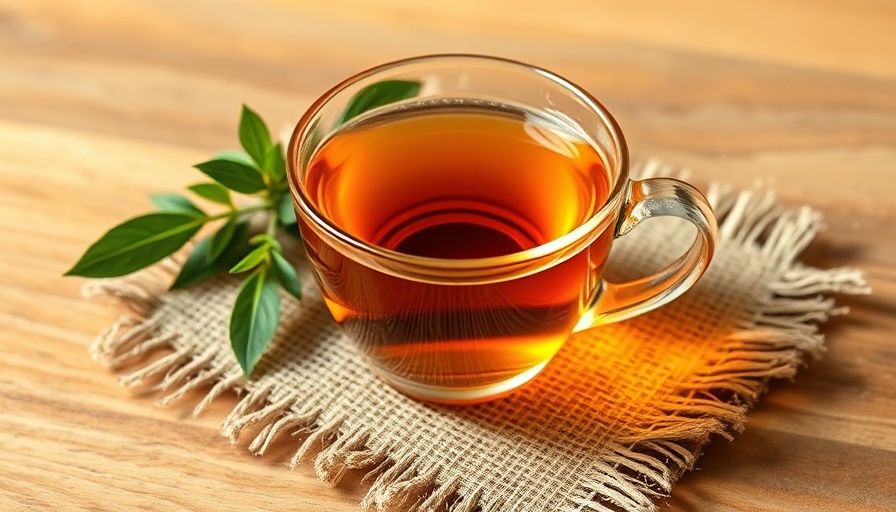
Herbal tea in glass cup highlighting impact of coffee and tea on iron absorption.

Understanding the Role of Beverages in Nutrient Absorption

Coffee and tea are ubiquitous beverages that many people cherish for their rich flavors and stimulating effects. However, their impact on nutrient absorption, particularly iron, can be profound. For health-conscious career women striving to maintain both energy levels and skin health, understanding how these drinks interfere with iron intake is essential.

How Coffee Impacts Iron Absorption

The polyphenols and tannins found in coffee are fundamentally responsible for its ability to inhibit iron absorption. Chlorogenic acid, a prominent polyphenol in coffee, binds to non-heme iron, creating insoluble complexes that can't be easily absorbed by the body. Iron is crucial for producing healthy red blood cells; thus, hindering its absorption can have long-term health implications.

Strategies to Minimize Impact

For those taking iron supplements, timing is key. Research indicates that consuming coffee either one hour before or two hours after taking iron supplements can significantly enhance absorption. Despite theorems proposing that taking iron on an empty stomach can amplify absorption, it's crucial to balance this with potential gastrointestinal discomfort.

The Relationship Between Tea and Iron

Similar to coffee, tea is rich in polyphenols that bind to iron, particularly catechins in green tea and thearubigins in black tea. Women who enjoy tea should also be mindful of its consumption timing. Drinking tea alongside meals, especially ones rich in iron, can similarly diminish iron uptake. This is concerning for those with iron deficiency anemia, as it limits the effectiveness of iron-rich foods and supplements.

Choosing Wisely: Tips for the Health-Conscious

Women seeking to boost their iron levels and promote beautiful, clear skin should consider adhering to specific dietary strategies. Consuming vitamin C-rich foods alongside iron supplements, for instance, can enhance iron absorption significantly. Foods like bell peppers, strawberries, and citrus fruits are excellent companions to iron-rich meals.

Broader Implications: Nutrition and Skin Health

Your dietary choices affect not only your iron levels but also your skin health. For beautiful skin, a balanced intake of nutrients is vital. Herbs known for their skin benefits, such as chamomile and calendula, can offer soothing properties and complement your daily diet. Incorporating these herbal remedies in a skincare routine or diet can support clear skin and reduce problems like skin itching.

Conclusion: Actionable Insights for Better Health

To manage iron deficiency effectively while enjoying your favorite beverages, be strategic about consumption. Adjusting your coffee and tea intake around the timing of iron-rich meals and supplements can lead to better health outcomes. As a careerwoman concerned with both nutrition and skin health, take charge of your dietary practices today. Regular monitoring of your health through blood tests can provide insights into the effectiveness of your iron intake strategies.

By being well-informed and proactive about the interactions between everyday beverages and nutrient absorption, you can cultivate both improved health and vibrant skin.

For those eager to enhance their skin health, explore options like a clear skin diet rich in iron and paired with beneficial herbs. Don't forget to consider what teas are good for skin health when making your beverage choices, as some options might surprise you with their positive effects.

Skin health Diet, Lifestyle and Skin

32 Views

0 Comments

Write A Comment

*
*
Please complete the captcha to submit your comment.
Related Posts All Posts
09.07.2026

Skincare, Age by Age: 2026's Freshest Trends for Every Stage of Life

Skincare has never been one-size-fits-all — and in 2026, it's more personal (and more fun) than ever. Forget the 10-step routines and the "more product, more results" mindset of years past. This year's biggest shift is skin longevity replacing anti-aging as the name of the game, and every generation — from tweens picking out their first cleanser to women navigating menopause — is rewriting what it means to age well. Understanding how skincare trends shift with age isn't just a beauty flex; it's the key to confidently embracing your own skin story, whatever chapter you're in.Whether you're a teen discovering the joy (and overwhelm) of the skincare aisle, a thirty- or forty-something dialing in a "prejuvenation" routine, or someone easing into the glow-forward era of mature skin, there's a 2026 trend with your name on it. Here's what's actually worth your attention this year — and what's finally, blessedly, falling out of favor.Why Age-Specific Skincare Isn't a Trend — It's ScienceChasing "skincare trends by age" isn't about keeping up with whatever's viral this week. It's about honoring the fact that skin is a living, shifting organ. Elasticity, moisture retention, and cell turnover look wildly different at 16 than they do at 60, and 2026's defining skincare conversation — the move from reactive "anti-aging" to proactive skin longevity — is built entirely on that truth.Younger skin is thriving on hydration, prevention, and restraint (yes, restraint is officially trendy now). Mature skin, meanwhile, is having a moment with repair-focused, regenerative formulas backed by real clinical science rather than miracle-ingredient marketing. This awareness is exactly why estheticians are ditching cookie-cutter facials in favor of personalized "skin blueprints" that meet clients exactly where their skin is — and anticipate where it's headed next.What's Glowing at Every AgeTeens & tweens: The biggest teen trend of 2026 isn't a product — it's restraint. After years of viral "skin cocktailing" and 12-step bathroom-counter routines, teens are trading the drama for a simple, barrier-first lineup: gentle cleanser, lightweight ceramide moisturizer, daily SPF. Retinols and acids stay on the shelf until skin (and a dermatologist) says it's time.20s & 30s: Say goodbye to "anti-aging," hello to "slow aging." This crowd is all-in on prejuvenation — daily antioxidants, peptides, and SPF that prevent damage instead of chasing it after the fact — plus the dewy, just-back-from-vacation "glow skin" finish dominating everything from Instagram to the drugstore aisle.40s & perimenopause: Menopause skincare has officially gone mainstream, and it's about time. Hormone-aware formulas targeting collagen support, barrier repair, and hydration are having a breakout year, alongside a very 2026 instinct to simplify — fewer products, chosen with more intention.Mature skin: Regenerative is the word of the year. Think biostimulating peptides, next-gen barrier repair, and gentle, repair-focused treatments that work with skin's biology rather than against it — plus a growing appetite for facials that feel as restorative as they look.Across every age, the common thread is unmistakable: people want fewer, smarter products; ingredients that are clinically proven rather than just trending; and results that feel less like chasing youth and more like investing in long-term skin health. It's about meeting skin where it is today — and giving it exactly what it needs for tomorrow.Middle-Aged Adults: The Art of Doing Less, BetterBy the time fine lines and moisture dips start making their presence known, adults in their 30s and 40s aren't reaching for more product — they're reaching for the right product. 2026's skinimalism movement is practically tailor-made for this crowd: a tight lineup of clinically proven, peptide- and antioxidant-rich staples, used consistently, beats a crowded shelf every time. The goal isn't an overnight fix — it's steady, science-backed maintenance, often paired with in-office regenerative treatments that do the heavy lifting so the daily routine can stay refreshingly simple.This demographic has little patience for hype and a lot of respect for what actually works. According to Alana Clopton of Aura Plus Beauty LLC, "The older group wants to stick to things that work and not overwhelm their routine with too many products. They prioritize consistency and ingredients that support skin repair and maintenance." It's skincare wisdom earned the hard way — equal parts hands-on experience and expert-backed science, all in service of skin built to last.Seniors (60+): Skincare as Self-CarePast 60, skincare stops being a race against the clock and becomes something far more restorative: ritual. The 2026 mood for this generation isn't about chasing corrective results — it's comfort, calm, and a full-sensory kind of wellness. A facial becomes less about output and more about the experience itself: soft lighting, gentle touch, unhurried pacing, skincare as self-care in its purest form.Alana describes her approach: "For seniors, the focus is more on relaxation. I create a full sensory experience during facials with calming music, soft lighting, and gentle touch to help them feel cared for inside and out." It's proof that great skincare isn't only measured in fine lines softened — it's measured in how cared for someone feels walking out the door, at every age and every stage.And she explains, "I customize all my facials based on a thorough understanding of each client's skin condition and goals. This personalized approach ensures effective results and client comfort." This expert perspective captures the heart of every great age-specific skincare strategy in 2026: skin isn't a trend to follow. It's a story to listen to.Red Light Therapy: 2026's Quiet PowerhouseIf there's one treatment that's gone from wellness-influencer gadget to genuine skincare staple in 2026, it's red and near-infrared light. The science is refreshingly simple: specific wavelengths reach the mitochondria in skin cells, giving collagen- and elastin-producing fibroblasts a jolt of energy to work with. No needles, no downtime, no "controlled injury" required — just a steady, cumulative glow-up. That's part of why it's landed in treatment rooms and living rooms alike this year, with professional LED facials and sleek at-home masks working the same biology from different angles.What makes it such a standout across generations is its range. Younger clients lean on it for circulation and prevention; midlife and mature clients use it to support the collagen production that naturally slows with age. Layered into a facial or paired with the right serum, it's become one of 2026's favorite "synergy" treatments — technology and touch, working together.And, Alana has seen the shift firsthand: "Treatments like red light therapy help clients see real changes, aligning with their personalized skin goals."Korean Beauty, Reworked for 2026Forget everything you think you know about ten-step K-beauty routines — they're officially retiring. In their place: "intentional maximalism," a leaner lineup of four or five multitasking steps built on biotech-driven actives that do far more heavy lifting per product. PDRN (yes, the salmon-DNA-derived ingredient making headlines), fermented extracts, and calming Centella asiatica are the names to know — all prized for barrier support and genuine cellular repair rather than trend-chasing hype.Younger skin still gets to enjoy the playful side of K-beauty — glass-skin serums, jelly masks, glow-boosting ampoules. Mature skin, meanwhile, is quietly benefiting from the same innovation pipeline, as regenerative ingredients that were clinic-only just a few years ago move into everyday consumer formulas. It's proof that Korean beauty isn't just a younger-generation trend; it's a philosophy that scales with skin's changing needs.The Consultation Is Half the TreatmentLong before a single product touches skin, the real work happens in conversation. A thorough consultation — skin history, sensitivities, lifestyle, stress, sun exposure, even sleep — is what separates a genuinely personalized facial from a one-size-fits-all menu item. It's slower, and it's worth it: clients who understand why a treatment was chosen for them are far more likely to stick with the routine that follows.Debunking Skincare's Biggest Myth: "I Just Have Sensitive Skin"Here's a myth Alana hears constantly: that sensitive skin is a fixed, permanent trait rather than a signal. In reality, most "sensitivity" is skin waving a red flag at an ingredient it doesn't agree with — not proof that skin is inherently fragile.Alana puts it plainly: "Many people believe they have sensitive skin when, in reality, they haven't found the right products. Skin reactions often stem from unsuitable ingredients rather than true sensitivity."The other myth worth retiring? That one facial should deliver a total transformation. Real skin change, like fitness, is a function of consistency, not a single dramatic session.Skincare as Confidence, Not Just ComplexionThe best skincare does more than change how skin looks — it changes how someone feels walking through the world. Facials offer a rare pocket of stillness in an overscheduled life, and that mental reset is as real a benefit as any serum. Before-and-after photos matter here too, not as vanity metrics but as proof: this is what showing up for yourself, consistently, actually looks like over time.How to Adapt Your Skincare Routine as You AgeAge GroupSkincare FocusPopular TreatmentsKey TipsTeens & 20sPrevention & restraintLightweight K-beauty layers, gentle at-home LEDKeep it simple; prioritize SPF and hydration over actives30s & 40sMaintenance & RepairRed light therapy, peptide and PDRN serums, intentional-maximalism routinesConsistency over quantity; let regenerative treatments do the heavy lifting50s & 60s+Comfort, wellness & gentle regenerationSensory-forward facials, barrier-repair treatments, soothing LEDPrioritize hydration, gentle touch, and routines that feel as good as they workNo matter the age group, hydration and sun protection remain the non-negotiables underneath every routine. Everything else is a matter of listening to what skin is asking for, right now.Alana sums up her holistic philosophy simply: "True skin health comes from both the inside and the outside. Taking care of yourself as a whole creates a better self."People Also AskWhat is the skincare trend in 2026? 2026 skincare is defined by "skin longevity" over anti-aging, biotech-backed actives like PDRN and peptides, red and near-infrared light therapy going mainstream both at home and in treatment rooms, and pared-down, intentionally chosen routines over crowded, ten-step lineups. Menopause-specific skincare has also become a mainstream category rather than a niche one.What is the 4-2-4 rule in skincare? The 4-2-4 rule is a Korean-beauty-inspired double-cleansing ritual, not a seconds-based shortcut: four minutes massaging in an oil-based cleanser to dissolve makeup, SPF, and sebum, two minutes with a water-based cleanser, and four minutes rinsing thoroughly. The extra time helps skin absorb everything applied afterward.What are the current trends in skincare? Alongside longevity-focused routines and light therapy, 2026 is seeing a real shift toward clinically substantiated ingredients over "clean beauty" marketing claims, a move away from invasive treatments toward gentler regenerative options, and a growing focus on debunking skincare myths so people stop over-treating skin that was never actually the problem.At what age does your skin change the most? Collagen production and cell turnover both slow noticeably through the 30s and 40s, but perimenopause and menopause — typically in the 40s and 50s — bring some of the most significant shifts of all, which is exactly why menopause-specific skincare has become such a fast-growing category. Skin's needs keep evolving well beyond that, too; there's no single age where care stops mattering.Conclusion: Embrace Your Unique Skincare JourneySkin isn't static, and neither is good skincare. The goal isn't to fight every change or chase every trend — it's to adapt thoughtfully, stay consistent, and lean on expert guidance when it's time to shift gears. Whatever stage your skin is in right now, there's a version of "working" that fits it. Find that, and the rest takes care of itself.Discover personalized care with Alana today at Aura Plus Beauty LLC and start your tailored skincare journey.SourcesTop Skincare Trends For 2026—And Those Losing Their Sizzle — Beauty IndependentBeauty Trends Forecast 2026 — Dr Rachel HoTikTok Skincare Trends Teens Are Trying, and What Dermatologists Recommend Instead — West DermatologyBest Skincare for Teens: A Dermatologist-Backed Guide (2026) — Sincerely Yours8 Skincare Trends to Look Out for in 2026 — Optima DermatologySkincare Trends to Watch in 2026 — LavelierHow Menopause and Longevity Are Reshaping the Industry — BeautyMatterU.S. Menopause Skin Care Market Size & Forecast, 2026–2033 — Coherent Market InsightsLongevity Beauty in 2026: The Future of Anti-Aging Skincare — ForbesLED Light Therapy Facials: Benefits for Every Skin Type in 2026 — Skin Spa New YorkBrightening Trends Estheticians Need to Know for 2026 — Les Nouvelles Esthétiques & Spa2026 K-Beauty Forecast: Top 7 Data-Backed Trends — BeautyMatterThe 4-2-4 Rule Is the 10-Minute Skincare Secret That Experts Say Can Transform Your Complexion — Grazia USA

06.25.2026

Skincare Myths Your Esthetician Wants You to Know

Uncover the truth behind common skincare myths and facts with insights from a licensed esthetician. Learn how to distinguish popular myths from real, expert-backed advice for healthy skin.

04.11.2025

Can You Get Rid of Rosacea Permanently? Here’s the Real Answer

If you’ve been dealing with rosacea, you know how stubborn and frustrating it can be. Redness, bumps, flare-ups, and facial discomfort can come and go—often at the worst possible times. You’ve probably wondered, “Can I get rid of rosacea for good?”Here’s the truth: rosacea has no permanent cure—but it can be controlled. With the right diagnosis, targeted treatments, lifestyle changes, and ongoing care, many people reduce their symptoms dramatically and enjoy long-lasting clear skin.Let’s explore how to do that.Understanding Rosacea: What It Is and Isn’tRosacea is a chronic skin condition that mainly affects the face. It causes visible redness, swelling, bumps that resemble acne, and sometimes eye irritation. The exact cause of rosacea isn’t fully known, but triggers like sunlight, spicy foods, alcohol, and stress often make it worse.There are four main types of rosacea:Erythematotelangiectatic rosacea (ETR) – redness and visible blood vesselsPapulopustular rosacea – redness with acne-like breakoutsPhymatous rosacea – thickening of the skin, often around the noseOcular rosacea – affects the eyes, causing irritation or drynessWhile it can’t be permanently erased, the right approach can lead to long stretches of clear, calm skin.Step One—Diagnosis: Getting the Right AnswerWhy Diagnosis MattersRosacea can be tricky to identify, especially in its early stages or in people with darker skin tones. Spider veins and facial flushing may not be as obvious on brown or Black skin. That’s why a professional diagnosis is essential.A dermatologist will:Examine your skinAsk about your symptoms and triggersPossibly refer you to an ophthalmologist if your eyes are affectedRule out similar conditions like psoriasis or lupusGetting a correct diagnosis is the first step toward managing and calming your skin.Step Two—Choose the Right Treatment for Your Rosacea TypeThere isn’t a one-size-fits-all rosacea treatment. What works for redness may not help bumps, and what soothes your skin may worsen someone else’s. Here’s what doctors recommend based on your symptoms.Topical Medications (Creams and Gels)These are applied directly to the skin and are best for mild to moderate rosacea.Brimonidine (Mirvaso) and Oxymetazoline (Rhofade): Reduce redness fast by narrowing blood vessels. Use sparingly—only when you really need it.Azelaic acid, Metronidazole, and Ivermectin: Help with bumps and pimples. These take a few weeks to work but offer longer-lasting results.⚠️ Tip: Using more than one topical treatment might give better results—but always follow your doctor’s advice.Oral MedicationsWhen rosacea is more severe or involves many breakouts, oral medications can help.Doxycycline: An antibiotic that reduces inflammationIsotretinoin: A powerful acne medicine reserved for serious cases that don’t respond to other treatments👉 Note: Isotretinoin must be avoided during pregnancy due to risk of birth defects.Step Three—Consider Laser Therapy for Long-Term ResultsLaser treatment isn’t a cure, but it can dramatically reduce redness and visible blood vessels.What to Expect from Laser TreatmentWorks best on fair to light skinSide effects may include redness or swelling for a few daysMay require multiple sessionsResults often last longer than topical treatmentsLaser therapy is sometimes considered cosmetic, so check your insurance. Some plans now cover it—ask in advance!⚠️ On darker skin, laser treatment could lead to changes in skin color, so discuss this thoroughly with your dermatologist.Step Four—Daily Habits That Prevent Flare-UpsYou can’t out-medicate bad skin habits. Here’s what you need to do every day to protect your face and reduce symptoms.Identify Your TriggersCommon triggers include:Spicy foodsAlcohol (especially red wine)Sun exposureHot showers or weatherStressKeep a diary and notice what seems to set off your symptoms. Avoiding triggers is one of the best ways to prevent flare-ups.Wear the Right SunscreenUse a broad-spectrum sunscreen with SPF 30 or higher, every single day.Look for:Mineral-based ingredients: titanium dioxide or zinc oxideSensitive formulas: fragrance-free, alcohol-freeAdded protection: like dimethicone or cyclomethicone for calming effectsApply it after your medication and before makeup.Cleanse and Moisturize GentlyUse a non-soap cleanser and moisturize twice daily. Avoid anything with:AlcoholCamphorUreaMentholFragranceInstead, choose products with:Azelaic acidNiacinamideCeramidesDicarboxylic acidGreen-tinted makeup can also help neutralize visible redness.Step Five—Explore Alternative and Complementary OptionsWhile not a substitute for medical treatment, certain lifestyle habits may complement your regimen.Gentle Facial MassageUse your fingers to gently massage your face in small circles. Start from the center and move outward. This may improve circulation and reduce swelling.Manage Your StressStress is a known trigger. Try:Deep breathingYogaJournalingPrayer or meditationEven 5–10 minutes a day can make a big difference.Step Six—Mental Health and Emotional SupportRosacea can affect more than your skin. It can impact your self-esteem and social confidence.Don’t Go Through It AloneTalk with a therapist or counselor if rosacea is affecting your mental healthJoin online or local rosacea support groupsShare your experience—it helps more than you thinkYou’re not alone, and your feelings are valid.What About a Permanent Cure?Here’s the honest answer: there is no permanent cure for rosacea—yet. But many people experience long periods of remission, where symptoms are mild or even invisible. This is possible with:Consistent skincare and sun protectionAvoidance of triggersPrescription treatments and laser optionsPatience and persistenceThink of rosacea like high blood pressure—it can be managed with lifestyle and medication, even though it doesn’t “go away.”Preparing for Your Dermatologist AppointmentMake the most of your time with your doctor by being prepared.What to BringA list of your symptomsTriggers you've noticedCurrent skincare products and makeupPhotos of flare-ups (especially if they come and go)Questions to AskWhat kind of rosacea do I have?What’s the best treatment for me?Can I combine treatments?What are the side effects?Will I need long-term medication?Should I consider laser therapy?And always ask if generic versions of prescriptions are available to reduce cost.Final Thoughts—You Can Get Clearer SkinRosacea may be a lifelong condition, but that doesn’t mean it has to control your life. With proper treatment, self-care, and support, your skin can look better—and feel better—than ever before.The Key TakeawaysRosacea is manageable, even if it isn’t curableThe right treatment plan is personalized to your symptomsSelf-care is non-negotiable—especially sunscreen and gentle productsYou don’t have to suffer in silence—support is out thereSo while there may not be a magic cure, there is hope. And it starts with action today.

Skin Science News

Because skin health is a cornerstone of overall well-being, it is a major factor in influencing physical appearance, immunity, and quality of life across all age groups. As the body’s largest organ and first line of defense, the skin protects against environmental stressors like UV radiation and pollution while also reflecting internal health factors such as nutrition and stress levels.

COMPANY

  • Privacy Policy
  • Terms of Use
  • Advertise
  • Contact Us
  • Menu 5
  • Menu 6

info@skinsciencereport.com

5850 Macklind, St. Louis, MO

© 2026 Rising Review LLC All Rights Reserved. 5850 Macklind Avenue, St. Louis, MO 63109 . Contact Us . Terms of Service . Privacy Policy

eyJjb21wYW55IjoiUmlzaW5nIFJldmlldyBMTEMiLCJhZGRyZXNzIjoiNTg1MCBNYWNrbGluZCBBdmVudWUiLCJjaXR5IjoiU3QuIExvdWlzIiwic3RhdGUiOiJNTyIsInppcCI6IjYzMTA5IiwiZW1haWwiOiJidXNpbmVzc0ByaXNpbmdyZXZpZXcuY29tIiwidG9zIjoiUEhBK1BITjBjbTl1Wno0OFpXMCtWMmhsYmlCNWIzVWdjMmxuYmkxcGJpQjNhWFJvSUhWekxDQjViM1VnWVhKbElHZHBkbWx1WnladVluTndPeUI1YjNWeUlIQmxjbTFwYzNOcGIyNGdZVzVrSUdOdmJuTmxiblFnZEc4Z2MyVnVaQ0I1YjNVZ1pXMWhhV3dnWVc1a0wyOXlJRk5OVXlCMFpYaDBJRzFsYzNOaFoyVnpMaUJDZVNCamFHVmphMmx1WnlCMGFHVWdWR1Z5YlhNZ1lXNWtJRU52Ym1ScGRHbHZibk1nWW05NElHRnVaQ0JpZVNCemFXZHVhVzVuSUdsdUlIbHZkU0JoZFhSdmJXRjBhV05oYkd4NUlHTnZibVpwY20wZ2RHaGhkQ0I1YjNVZ1lXTmpaWEIwSUdGc2JDQjBaWEp0Y3lCcGJpQjBhR2x6SUdGbmNtVmxiV1Z1ZEM0OEwyVnRQand2YzNSeWIyNW5Qand2Y0Q0S0NqeHdQanhoSUdoeVpXWTlJbWgwZEhBNkx5OTNkM2N1WjI5dloyeGxMbU52YlNJK2FIUjBjRG92TDNkM2R5NW5iMjluYkdVdVkyOXRQQzloUGp3dmNENEtDanh3UGladVluTndPend2Y0Q0S0NqeHdQanh6ZEhKdmJtYytVMFZTVmtsRFJUd3ZjM1J5YjI1blBqd3ZjRDRLQ2p4d1BsZGxJSEJ5YjNacFpHVWdZU0J6WlhKMmFXTmxJSFJvWVhRZ1kzVnljbVZ1ZEd4NUlHRnNiRzkzY3lCNWIzVWdkRzhnY21WalpXbDJaU0J5WlhGMVpYTjBjeUJtYjNJZ1ptVmxaR0poWTJzc0lHTnZiWEJoYm5rZ2FXNW1iM0p0WVhScGIyNHNJSEJ5YjIxdmRHbHZibUZzSUdsdVptOXliV0YwYVc5dUxDQmpiMjF3WVc1NUlHRnNaWEowY3l3Z1kyOTFjRzl1Y3l3Z1pHbHpZMjkxYm5SeklHRnVaQ0J2ZEdobGNpQnViM1JwWm1sallYUnBiMjV6SUhSdklIbHZkWElnWlcxaGFXd2dZV1JrY21WemN5QmhibVF2YjNJZ1kyVnNiSFZzWVhJZ2NHaHZibVVnYjNJZ1pHVjJhV05sTGlCWmIzVWdkVzVrWlhKemRHRnVaQ0JoYm1RZ1lXZHlaV1VnZEdoaGRDQjBhR1VnVTJWeWRtbGpaU0JwY3lCd2NtOTJhV1JsWkNBbWNYVnZkRHRCVXkxSlV5WnhkVzkwT3lCaGJtUWdkR2hoZENCM1pTQmhjM04xYldVZ2JtOGdjbVZ6Y0c5dWMybGlhV3hwZEhrZ1ptOXlJSFJvWlNCMGFXMWxiR2x1WlhOekxDQmtaV3hsZEdsdmJpd2diV2x6TFdSbGJHbDJaWEo1SUc5eUlHWmhhV3gxY21VZ2RHOGdjM1J2Y21VZ1lXNTVJSFZ6WlhJZ1kyOXRiWFZ1YVdOaGRHbHZibk1nYjNJZ2NHVnljMjl1WVd4cGVtRjBhVzl1SUhObGRIUnBibWR6TGp3dmNENEtDanh3UGxsdmRTQmhjbVVnY21WemNHOXVjMmxpYkdVZ1ptOXlJRzlpZEdGcGJtbHVaeUJoWTJObGMzTWdkRzhnZEdobElGTmxjblpwWTJVZ1lXNWtJSFJvWVhRZ1lXTmpaWE56SUcxaGVTQnBiblp2YkhabElIUm9hWEprSUhCaGNuUjVJR1psWlhNZ0tITjFZMmdnWVhNZ1UwMVRJSFJsZUhRZ2JXVnpjMkZuWlhNc0lFbHVkR1Z5Ym1WMElITmxjblpwWTJVZ2NISnZkbWxrWlhJZ2IzSWdZMlZzYkhWc1lYSWdZV2x5ZEdsdFpTQmphR0Z5WjJWektTNGdXVzkxSUdGeVpTQnlaWE53YjI1emFXSnNaU0JtYjNJZ2RHaHZjMlVnWm1WbGN5d2dhVzVqYkhWa2FXNW5JSFJvYjNObElHWmxaWE1nWVhOemIyTnBZWFJsWkNCM2FYUm9JSFJvWlNCa2FYTndiR0Y1SUc5eUlHUmxiR2wyWlhKNUlHOW1JR1ZoWTJnZ1UwMVRJSFJsZUhRZ2JXVnpjMkZuWlNCelpXNTBJSFJ2SUhsdmRTQmllU0IxY3k0Z1NXNGdZV1JrYVhScGIyNHNJSGx2ZFNCdGRYTjBJSEJ5YjNacFpHVWdZVzVrSUdGeVpTQnlaWE53YjI1emFXSnNaU0JtYjNJZ1lXeHNJR1Z4ZFdsd2JXVnVkQ0J1WldObGMzTmhjbmtnZEc4Z1lXTmpaWE56SUhSb1pTQlRaWEoyYVdObElHRnVaQ0J5WldObGFYWmxJSFJvWlNCVFRWTWdkR1Y0ZENCdFpYTnpZV2RsY3k0Z1YyVWdaRzhnYm05MElHTm9ZWEpuWlNCaGJua2dabVZsY3lCbWIzSWdaR1ZzYVhabGNua2diMllnWlcxaGFXd2diM0lnVTAxVExpQlVhR2x6SUdseklHRWdabkpsWlNCelpYSjJhV05sSUhCeWIzWnBaR1ZrSUdKNUlIVnpMaUJJYjNkbGRtVnlMQ0J3YkdWaGMyVWdZMmhsWTJzZ2QybDBhQ0I1YjNWeUlHbHVkR1Z5Ym1WMElITmxjblpwWTJVZ2NISnZkbWxrWlhJZ1lXNWtJR05sYkd4MWJHRnlJR05oY25KcFpYSWdabTl5SUdGdWVTQmphR0Z5WjJWeklIUm9ZWFFnYldGNUlHbHVZM1Z5SUdGeklHRWdjbVZ6ZFd4MElHWnliMjBnY21WalpXbDJhVzVuSUdWdFlXbHNJR0Z1WkNCVFRWTWdkR1Y0ZENCdFpYTnpZV2RsY3lCMGFHRjBJSGRsSUdSbGJHbDJaWElnZFhCdmJpQjViM1Z5SUc5d2RDMXBiaUJoYm1RZ2NtVm5hWE4wY21GMGFXOXVJSGRwZEdnZ2IzVnlJR1Z0WVdsc0lHRnVaQ0JUVFZNZ2MyVnlkbWxqWlhNdUlGbHZkU0JqWVc0Z1kyRnVZMlZzSUdGMElHRnVlU0IwYVcxbExpQktkWE4wSUhSbGVIUWdKbkYxYjNRN1UxUlBVQ1p4ZFc5ME95QjBieUE4YUdsbmFHeHBaMmgwSUdOc1lYTnpQU0pqYjIxd1lXNTVVR2h2Ym1WVmNHUmhkR1VpUGpNeE5DMDJNall0TURnNE56d3ZhR2xuYUd4cFoyaDBQaTRnUVdaMFpYSWdlVzkxSUhObGJtUWdkR2hsSUZOTlV5QnRaWE56WVdkbElDWnhkVzkwTzFOVVQxQW1jWFZ2ZERzZ2RHOGdkWE1zSUhkbElIZHBiR3dnYzJWdVpDQjViM1VnWVc0Z1UwMVRJRzFsYzNOaFoyVWdkRzhnWTI5dVptbHliU0IwYUdGMElIbHZkU0JvWVhabElHSmxaVzRnZFc1emRXSnpZM0pwWW1Wa0xpQkJablJsY2lCMGFHbHpMQ0I1YjNVZ2QybHNiQ0J1YnlCc2IyNW5aWElnY21WalpXbDJaU0JUVFZNZ2JXVnpjMkZuWlhNZ1puSnZiU0IxY3k0OEwzQStDZ284Y0Q0OGMzUnliMjVuUGxsUFZWSWdVa1ZIU1ZOVVVrRlVTVTlPSUU5Q1RFbEhRVlJKVDA1VFBDOXpkSEp2Ym1jK1BDOXdQZ29LUEhBK1NXNGdZMjl1YzJsa1pYSmhkR2x2YmlCdlppQjViM1Z5SUhWelpTQnZaaUIwYUdVZ1UyVnlkbWxqWlN3Z2VXOTFJR0ZuY21WbElIUnZPand2Y0Q0S0NqeHZiRDRLQ1R4c2FUNXdjbTkyYVdSbElIUnlkV1VzSUdGalkzVnlZWFJsTENCamRYSnlaVzUwSUdGdVpDQmpiMjF3YkdWMFpTQnBibVp2Y20xaGRHbHZiaUJoWW05MWRDQjViM1Z5YzJWc1ppQmhjeUJ3Y205dGNIUmxaQ0JpZVNCMGFHVWdVMlZ5ZG1salpTWWpNems3Y3lCeVpXZHBjM1J5WVhScGIyNGdabTl5YlNBb2MzVmphQ0JwYm1admNtMWhkR2x2YmlCaVpXbHVaeUIwYUdVZ0puRjFiM1E3VW1WbmFYTjBjbUYwYVc5dUlFUmhkR0VtY1hWdmREc3BJR0Z1WkR3dmJHaytDZ2s4YkdrK2JXRnBiblJoYVc0Z1lXNWtJSEJ5YjIxd2RHeDVJSFZ3WkdGMFpTQjBhR1VnVW1WbmFYTjBjbUYwYVc5dUlFUmhkR0VnZEc4Z2EyVmxjQ0JwZENCMGNuVmxMQ0JoWTJOMWNtRjBaU3dnWTNWeWNtVnVkQ0JoYm1RZ1kyOXRjR3hsZEdVdUlFbG1JSGx2ZFNCd2NtOTJhV1JsSUdGdWVTQnBibVp2Y20xaGRHbHZiaUIwYUdGMElHbHpJSFZ1ZEhKMVpTd2dhVzVoWTJOMWNtRjBaU3dnYm05MElHTjFjbkpsYm5RZ2IzSWdhVzVqYjIxd2JHVjBaU3dnYjNJZ2QyVWdhR0YyWlNCeVpXRnpiMjVoWW14bElHZHliM1Z1WkhNZ2RHOGdjM1Z6Y0dWamRDQjBhR0YwSUhOMVkyZ2dhVzVtYjNKdFlYUnBiMjRnYVhNZ2RXNTBjblZsTENCcGJtRmpZM1Z5WVhSbExDQnViM1FnWTNWeWNtVnVkQ0J2Y2lCcGJtTnZiWEJzWlhSbExDQjNaU0JvWVhabElIUm9aU0J5YVdkb2RDQjBieUJ6ZFhOd1pXNWtJRzl5SUR4emRISnZibWMrUEhOd1lXNGdjM1I1YkdVOUltTnZiRzl5T2lOR1JqQXdNREE3SWo1MFpYSnRhVzVoZEdVZ2VXOTFjaUJoWTJOdmRXNTBMM0J5YjJacGJHVWdZVzVrSUhKbFpuVnpaU0JoYm5rZ1lXNWtJR0ZzYkNCamRYSnlaVzUwSUc5eUlHWjFkSFZ5WlNCMWMyVWdiMllnZEdobElGTmxjblpwWTJVZ0tHOXlJR0Z1ZVNCd2IzSjBhVzl1SUhSb1pYSmxiMllwTGp3dmMzQmhiajQ4TDNOMGNtOXVaejQ4TDJ4cFBnbzhMMjlzUGdvS1BIQStKbTVpYzNBN1BDOXdQZ284YUdsbmFHeHBaMmgwSUdOc1lYTnpQU0pqYjIxd1lXNTVUbUZ0WlZWd1pHRjBaU0krVW1semFXNW5JRkpsZG1sbGR5Qk1URU04TDJocFoyaHNhV2RvZEQ0OFluSWdMejRLUEdocFoyaHNhV2RvZENCamJHRnpjejBpWTI5dGNHRnVlVUZrWkhKbGMzTlZjR1JoZEdVaVBqVTROVEFnVFdGamEyeHBibVFnUVhabGJuVmxMQ0JUZEM0Z1RHOTFhWE1zSUUxUElEWXpNVEE1UEM5b2FXZG9iR2xuYUhRK1BHSnlJQzgrQ2p4b2FXZG9iR2xuYUhRZ1kyeGhjM005SW1OdmJYQmhibmxRYUc5dVpWVndaR0YwWlNJK016RTBMVFl5Tmkwd09EZzNQQzlvYVdkb2JHbG5hSFErUEdKeUlDOCtDanhvYVdkb2JHbG5hSFFnWTJ4aGMzTTlJbU52YlhCaGJubEZiV0ZwYkZWd1pHRjBaU0krWW5WemFXNWxjM05BY21semFXNW5jbVYyYVdWM0xtTnZiVHd2YUdsbmFHeHBaMmgwUGc9PSIsInByaXZhY3kiOiJQSEErUEhOMGNtOXVaejVRVWtsV1FVTlpQQzl6ZEhKdmJtYytQQzl3UGdvS1BIQStQSE4wY205dVp6NVVhR1VnYVc1bWIzSnRZWFJwYjI0Z2NISnZkbWxrWldRZ1pIVnlhVzVuSUhSb2FYTWdjbVZuYVhOMGNtRjBhVzl1SUdseklHdGxjSFFnY0hKcGRtRjBaU0JoYm1RZ1kyOXVabWxrWlc1MGFXRnNMQ0JoYm1RZ2QybHNiQ0J1WlhabGNpQmlaU0JrYVhOMGNtbGlkWFJsWkN3Z1kyOXdhV1ZrTENCemIyeGtMQ0IwY21Ga1pXUWdiM0lnY0c5emRHVmtJR2x1SUdGdWVTQjNZWGtzSUhOb1lYQmxJRzl5SUdadmNtMHVJRlJvYVhNZ2FYTWdiM1Z5SUdkMVlYSmhiblJsWlM0OEwzTjBjbTl1Wno0OEwzQStDZ284Y0Q0OGMzUnliMjVuUGtsT1JFVk5Ua2xVV1R3dmMzUnliMjVuUGp3dmNENEtDanh3UGp4bGJUNVpiM1VnWVdkeVpXVWdkRzhnYVc1a1pXMXVhV1o1SUdGdVpDQm9iMnhrSUhWekxDNGdZVzVrSUdsMGN5QnpkV0p6YVdScFlYSnBaWE1zSUdGbVptbHNhV0YwWlhNc0lHOW1abWxqWlhKekxDQmhaMlZ1ZEhNc0lHTnZMV0p5WVc1a1pYSnpJRzl5SUc5MGFHVnlJSEJoY25SdVpYSnpMQ0JoYm1RZ1pXMXdiRzk1WldWekxDQm9ZWEp0YkdWemN5Qm1jbTl0SUdGdWVTQmpiR0ZwYlNCdmNpQmtaVzFoYm1Rc0lHbHVZMngxWkdsdVp5QnlaV0Z6YjI1aFlteGxJR0YwZEc5eWJtVjVjeVlqTXprN0lHWmxaWE1zSUcxaFpHVWdZbmtnWVc1NUlIUm9hWEprSUhCaGNuUjVJR1IxWlNCMGJ5QnZjaUJoY21semFXNW5JRzkxZENCdlppQkRiMjUwWlc1MElIbHZkU0J5WldObGFYWmxMQ0J6ZFdKdGFYUXNJSEpsY0d4NUxDQndiM04wTENCMGNtRnVjMjFwZENCdmNpQnRZV3RsSUdGMllXbHNZV0pzWlNCMGFISnZkV2RvSUhSb1pTQlRaWEoyYVdObExDQjViM1Z5SUhWelpTQnZaaUIwYUdVZ1UyVnlkbWxqWlN3Z2VXOTFjaUJqYjI1dVpXTjBhVzl1SUhSdklIUm9aU0JUWlhKMmFXTmxMQ0I1YjNWeUlIWnBiMnhoZEdsdmJpQnZaaUIwYUdVZ1ZFOVRMQ0J2Y2lCNWIzVnlJSFpwYjJ4aGRHbHZiaUJ2WmlCaGJua2djbWxuYUhSeklHOW1JR0Z1YjNSb1pYSXVQQzlsYlQ0OEwzQStDZ284Y0Q0OGMzUnliMjVuUGtSSlUwTk1RVWxOUlZJZ1QwWWdWMEZTVWtGT1ZFbEZVend2YzNSeWIyNW5Qand2Y0Q0S0NqeHdQanh6ZEhKdmJtYytXVTlWSUVWWVVGSkZVMU5NV1NCVlRrUkZVbE5VUVU1RUlFRk9SQ0JCUjFKRlJTQlVTRUZVT2p3dmMzUnliMjVuUGp3dmNENEtDanh2YkQ0S0NUeHNhVDVaVDFWU0lGVlRSU0JQUmlCVVNFVWdVMFZTVmtsRFJTQkpVeUJCVkNCWlQxVlNJRk5QVEVVZ1VrbFRTeTRnVkVoRklGTkZVbFpKUTBVZ1NWTWdVRkpQVmtsRVJVUWdUMDRnUVU0Z0puRjFiM1E3UVZNZ1NWTW1jWFZ2ZERzZ1FVNUVJQ1p4ZFc5ME8wRlRJRUZXUVVsTVFVSk1SU1p4ZFc5ME95QkNRVk5KVXk0Z0xDNGdRVTVFSUZWVExDQkpWQ1lqTXprN1V5QkRWVk5VVDAxRlVsTXNJRVZZVUZKRlUxTk1XU0JFU1ZORFRFRkpUVk1nUVV4TUlGZEJVbEpCVGxSSlJWTWdUMFlnUVU1WklFdEpUa1FzSUZkSVJWUklSVklnUlZoUVVrVlRVeUJQVWlCSlRWQk1TVVZFTENCSlRrTk1WVVJKVGtjc0lFSlZWQ0JPVDFRZ1RFbE5TVlJGUkNCVVR5QlVTRVVnU1UxUVRFbEZSQ0JYUVZKU1FVNVVTVVZUSUU5R0lFMUZVa05JUVU1VVFVSkpURWxVV1N3Z1JrbFVUa1ZUVXlCR1QxSWdRU0JRUVZKVVNVTlZURUZTSUZCVlVsQlBVMFVnUVU1RUlFNVBUaTFKVGtaU1NVNUhSVTFGVGxRdVBDOXNhVDRLQ1R4c2FUNU5RVXRGVXlCT1R5QlhRVkpTUVU1VVdTQlVTRUZVSUNocEtTQlVTRVVnVTBWU1ZrbERSU0JYU1V4TUlFMUZSVlFnV1U5VlVpQlNSVkZWU1ZKRlRVVk9WRk1zSUNocGFTa2dWRWhGSUZORlVsWkpRMFVnVjBsTVRDQkNSU0JWVGtsT1ZFVlNVbFZRVkVWRUxDQlVTVTFGVEZrc0lGTkZRMVZTUlN3Z1QxSWdSVkpTVDFJdFJsSkZSU3dnS0dscGFTa2dWRWhGSUZKRlUxVk1WRk1nVkVoQlZDQk5RVmtnUWtVZ1QwSlVRVWxPUlVRZ1JsSlBUU0JVU0VVZ1ZWTkZJRTlHSUZSSVJTQlRSVkpXU1VORklGZEpURXdnUWtVZ1FVTkRWVkpCVkVVZ1QxSWdVa1ZNU1VGQ1RFVXNJRUZPUkNBb2FYWXBJRUZPV1NCRlVsSlBVbE1nU1U0Z1ZFaEZJRk5QUmxSWFFWSkZJRmRKVEV3Z1FrVWdRMDlTVWtWRFZFVkVMand2YkdrK0NnazhiR2srUVU1WklFMUJWRVZTU1VGTUlFUlBWMDVNVDBGRVJVUWdUMUlnVDFSSVJWSlhTVk5GSUU5Q1ZFRkpUa1ZFSUZSSVVrOVZSMGdnVkVoRklGVlRSU0JQUmlCVVNFVWdVMFZTVmtsRFJTQkpVeUJFVDA1RklFRlVJRmxQVlZJZ1QxZE9JRVJKVTBOU1JWUkpUMDRnUVU1RUlGSkpVMHNnUVU1RUlGUklRVlFnV1U5VklGZEpURXdnUWtVZ1UwOU1SVXhaSUZKRlUxQlBUbE5KUWt4RklFWlBVaUJCVGxrZ1JFRk5RVWRGSUZSUElGbFBWVklnUTA5TlVGVlVSVklnVTFsVFZFVk5JRTlTSUV4UFUxTWdUMFlnUkVGVVFTQlVTRUZVSUZKRlUxVk1WRk1nUmxKUFRTQlVTRVVnUkU5WFRreFBRVVFnVDBZZ1FVNVpJRk5WUTBnZ1RVRlVSVkpKUVV3dVBDOXNhVDRLQ1R4c2FUNU9UeUJCUkZaSlEwVWdUMUlnU1U1R1QxSk5RVlJKVDA0c0lGZElSVlJJUlZJZ1QxSkJUQ0JQVWlCWFVrbFVWRVZPTENCUFFsUkJTVTVGUkNCQ1dTQlpUMVVnUmxKUFRTQlBVaUJVU0ZKUFZVZElJRTlTSUVaU1QwMGdWRWhGSUZORlVsWkpRMFVnVTBoQlRFd2dRMUpGUVZSRklFRk9XU0JYUVZKU1FVNVVXU0JPVDFRZ1JWaFFVa1ZUVTB4WklGTlVRVlJGUkNCSlRpQlVTRVVnVkU5VExqd3ZiR2srQ2p3dmIydytDZ284Y0Q0OGMzUnliMjVuUGt4SlRVbFVRVlJKVDA0Z1QwWWdURWxCUWtsTVNWUlpQQzl6ZEhKdmJtYytQQzl3UGdvS1BIQStXVTlWSUVWWVVGSkZVMU5NV1NCVlRrUkZVbE5VUVU1RUlFRk9SQ0JCUjFKRlJTQlVTRUZVSUVGT1JDQlRTRUZNVENCT1QxUWdRa1VnVEVsQlFreEZJRVpQVWlCQlRsa2dSRWxTUlVOVUxDQkpUa1JKVWtWRFZDd2dTVTVEU1VSRlRsUkJUQ3dnVTFCRlEwbEJUQ3dnUTA5T1UwVlJWVVZPVkVsQlRDQlBVaUJGV0VWTlVFeEJVbGtnUkVGTlFVZEZVeXdnU1U1RFRGVkVTVTVISUVKVlZDQk9UMVFnVEVsTlNWUkZSQ0JVVHl3Z1JFRk5RVWRGVXlCR1QxSWdURTlUVXlCUFJpQlFVazlHU1ZSVExDQkhUMDlFVjBsTVRDd2dWVk5GTENCRVFWUkJJRTlTSUU5VVNFVlNJRWxPVkVGT1IwbENURVVnVEU5VFUwVlRJQ2hGVmtWT0lFbEdJRWhCVXlCQ1JVVk9JRUZFVmtsVFJVUWdUMFlnVkVoRklGQlBVMU5KUWtsTVNWUlpJRTlHSUZOVlEwZ2dSRUZOUVVkRlV5a3NJRkpGVTFWTVZFbE9SeUJHVWs5Tk9qd3ZjRDRLQ2p4dmJENEtDVHhzYVQ1VVNFVWdWVk5GSUU5U0lGUklSU0JKVGtGQ1NVeEpWRmtnVkU4Z1ZWTkZJRlJJUlNCVFJWSldTVU5GT3p3dmJHaytDZ2s4YkdrK1ZFaEZJRU5QVTFRZ1QwWWdVRkpQUTFWU1JVMUZUbFFnVDBZZ1UxVkNVMVJKVkZWVVJTQkhUMDlFVXlCQlRrUWdVMFZTVmtsRFJWTWdVa1ZUVlV4VVNVNUhJRVpTVDAwZ1FVNVpJRWRQVDBSVExDQkVRVlJCTENCSlRrWlBVazFCVkVsUFRpQlBVaUJUUlZKV1NVTkZVeUJRVlZKRFNFRlRSVVFnVDFJZ1QwSlVRVWxPUlVRZ1QxSWdUVVZUVTBGSFJWTWdVa1ZEUlVsV1JVUWdUMUlnVkZKQlRsTkJRMVJKVDA1VElFVk9WRVZTUlVRZ1NVNVVUeUJVU0ZKUFZVZElJRTlTSUVaU1QwMGdWRWhGSUZORlVsWkpRMFU3UEM5c2FUNEtDVHhzYVQ1VlRrRlZWRWhQVWtsYVJVUWdRVU5EUlZOVElGUlBJRTlTSUVGTVZFVlNRVlJKVDA0Z1QwWWdXVTlWVWlCVVVrRk9VMDFKVTFOSlQwNVRJRTlTSUVSQlZFRTdQQzlzYVQ0S0NUeHNhVDVUVkVGVVJVMUZUbFJUSUU5U0lFTlBUa1JWUTFRZ1QwWWdRVTVaSUZSSVNWSkVJRkJCVWxSWklFOU9JRlJJUlNCVFJWSldTVU5GT3lCUFVqd3ZiR2srQ2drOGJHaytRVTVaSUU5VVNFVlNJRTFCVkZSRlVpQlNSVXhCVkVsT1J5QlVUeUJVU0VVZ1UwVlNWa2xEUlM0OEwyeHBQZ284TDI5c1Bnb0tQSEErUEhVK1Fua2djbVZuYVhOMFpYSnBibWNnWVc1a0lITjFZbk5qY21saWFXNW5JSFJ2SUc5MWNpQmxiV0ZwYkNCaGJtUWdVMDFUSUhObGNuWnBZMlVzSUdKNUlHOXdkQzFwYml3Z2IyNXNhVzVsSUhKbFoybHpkSEpoZEdsdmJpQnZjaUJpZVNCbWFXeHNhVzVuSUc5MWRDQmhJR05oY21Rc0lDWnhkVzkwTzNsdmRTQmhaM0psWlNCMGJ5QjBhR1Z6WlNCVVJWSk5VeUJQUmlCVFJWSldTVU5GSm5GMWIzUTdJR0Z1WkNCNWIzVWdZV05yYm05M2JHVmtaMlVnWVc1a0lIVnVaR1Z5YzNSaGJtUWdkR2hsSUdGaWIzWmxJSFJsY20xeklHOW1JSE5sY25acFkyVWdiM1YwYkdsdVpXUWdZVzVrSUdSbGRHRnBiR1ZrSUdadmNpQjViM1VnZEc5a1lYa3VQQzkxUGp3dmNENEtDanh3UGladVluTndPend2Y0Q0S1BHaHBaMmhzYVdkb2RDQmpiR0Z6Y3owaVkyOXRjR0Z1ZVU1aGJXVlZjR1JoZEdVaVBsSnBjMmx1WnlCU1pYWnBaWGNnVEV4RFBDOW9hV2RvYkdsbmFIUStQR0p5SUM4K0NqeG9hV2RvYkdsbmFIUWdZMnhoYzNNOUltTnZiWEJoYm5sQlpHUnlaWE56VlhCa1lYUmxJajQxT0RVd0lFMWhZMnRzYVc1a0lFRjJaVzUxWlN3Z1UzUXVJRXh2ZFdsekxDQk5UeUEyTXpFd09Ud3ZhR2xuYUd4cFoyaDBQanhpY2lBdlBnbzhhR2xuYUd4cFoyaDBJR05zWVhOelBTSmpiMjF3WVc1NVVHaHZibVZWY0dSaGRHVWlQak14TkMwMk1qWXRNRGc0Tnp3dmFHbG5hR3hwWjJoMFBqeGljaUF2UGdvOGFHbG5hR3hwWjJoMElHTnNZWE56UFNKamIyMXdZVzU1UlcxaGFXeFZjR1JoZEdVaVBtSjFjMmx1WlhOelFISnBjMmx1WjNKbGRtbGxkeTVqYjIwOEwyaHBaMmhzYVdkb2REND0ifQ==

Terms of Service

Privacy Policy

Core Modal Title

Sorry, no results found

You Might Find These Articles Interesting

T
Please Check Your Email
We Will Be Following Up Shortly
*
*
*