cropper
  SKIN SCIENCE REPORT
  • Home
  • Categories
    • Skin health
    • Skincare
    • News
    • Dermatology
    • Anti aging
    • Esthetician Spotlight
    • Skin Cancer and Sun Protection
    • Acne and Breakouts
    • Ingredients Explained
    • Eczema and Psoriasis
    • Hair and Scalp
    • Cosmetic Procedures
    • Pigmentation and Skin of Color
    • Kids and Teen Skin
    • Diet, Lifestyle and Skin
    • Skin Tech and Research
March 26.2025
3 Minutes Read

Psoriasis Awareness: The Key to Embracing Clear Skin and Compassion

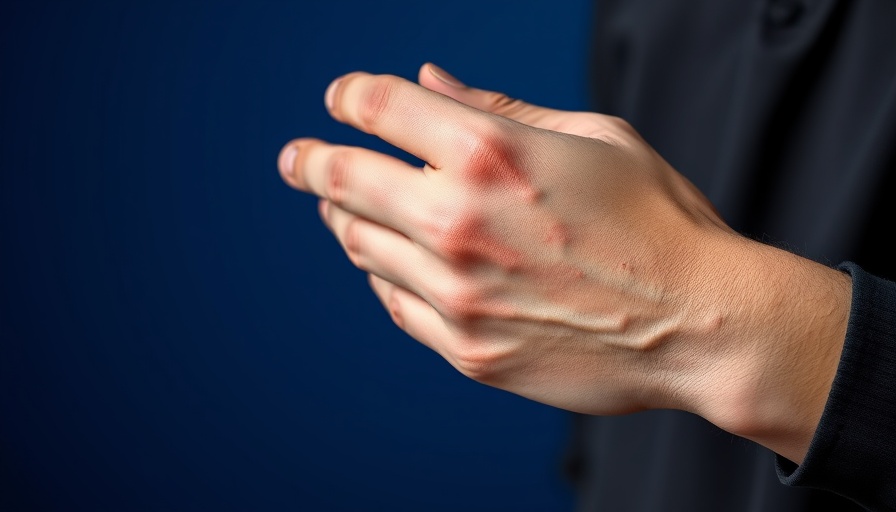
Impact of Psoriasis Awareness: Close-up of arm with psoriasis.

Understanding Psoriasis: More Than Just a Skin Condition

Psoriasis is not merely a skin ailment; it is a chronic autoimmune disorder that affects millions globally. This condition, characterized by red, itchy, scaly patches, often emerges on the elbows, knees, scalp, and lower back. The rapid skin cell production seen in psoriasis is due to an immune system malfunction that mistakenly targets healthy skin cells. Various types exist, including plaque psoriasis, guttate psoriasis, inverse psoriasis, pustular psoriasis, and erythrodermic psoriasis, each presenting unique challenges for sufferers. The fact that many health-conscious career women might overlook the psychological impacts of this condition is alarming, as research indicates that individuals with psoriasis can experience heightened risks of depression, anxiety, and other comorbidities.

The Silent Emotional Toll of Psoriasis

Living with psoriasis transcends the physical manifestations of the disease; it encompasses significant emotional and social challenges. The visible nature of psoriasis can lead to stigma and discrimination, impacting social interactions, job prospects, and overall life satisfaction. It reinforces the need for increased understanding around the condition, particularly among professional circles where appearance may influence perceptions of competence and capability. There is an undeniable emotional weight carried by those living with the disease, which can hinder their pursuit of beautiful skin and career aspirations alike.

Why Psoriasis Awareness Should Matter to All

Packing information into Psoriasis Awareness Month, we see an opportunity to dismantle myths surrounding the condition. Understanding what psoriasis truly entails helps to generate empathy and compassion, crucial elements for reducing stigma. Healthcare professionals, employers, and even peers must educate themselves to foster environments supportive of those affected. Additionally, heightened awareness can lead to crucial funding for research initiatives, ultimately translating into more effective treatments and support systems.

Empowering Those Affected by Psoriasis

Awareness initiatives serve as platforms for connection, enabling individuals with psoriasis to share their experiences and find community support. Organizations like the National Psoriasis Foundation offer resources for those seeking information, treatment options, and emotional support. Engaging in these campaigns not only helps those directly affected but also builds a sense of camaraderie and understanding among larger communities, comprising both patients and advocates.

Actively Contributing to Psoriasis Awareness

Getting involved during Psoriasis Awareness Month can take multiple forms. Educating oneself about this autoimmune condition is essential—doing so allows health-conscious individuals to share and promote reliable information within their networks. Supporting research is another impactful way to make a difference. Donations to relevant organizations can significantly bolster their efforts to advance treatment solutions. Simple acts, such as discussing dietary impacts—like incorporating a clear skin diet with herbs tailored for skin health—can create ripples of awareness and support.

Concluding Thoughts: Join the Movement

The conversation about psoriasis shouldn’t just happen in August; it requires ongoing discussion year-round. The desire for beautiful skin drives many individuals to explore various skin care solutions, but understanding the underlying issues related to psoriasis can illuminate a more empathetic approach. By educating ourselves about this condition, we empower ourselves and others to move past stigma and isolation towards a supportive environment. And remember, your contribution—whether it’s sharing knowledge, volunteering, or donating—can make a lasting impact. Let’s join together in the fight against misinformation and advocate for those who endure psoriasis daily.

Skin health Eczema and Psoriasis

22 Views

0 Comments

Write A Comment

*
*
Please complete the captcha to submit your comment.
Related Posts All Posts
11.06.2026

Effective Eczema Treatment: Managing Flare Triggers and Caring for Hands and Fingers

For many people with eczema, the impact of everyday routines is clear. After washing hands or using a new soap, the skin may sting or itch, sometimes hours later. Recognizing these triggers is the first step toward more effective eczema treatment and long-term relief.What You'll Learn About Eczema TreatmentEczema treatment strategies for managing flare-upsCommon hand eczema and dyshidrotic eczema flare triggersHow to use topical steroids and wet wrapsSteps for people with eczema to reduce irritationWhen medical treatment or a health system approach is neededEczema Treatment: Direct Answer for Flare TriggersWhat triggers an eczema flare-up?Irritants such as soaps, detergents and fragrancesAllergens including pollen, pet dander and dust mitesDry skin caused by climate or frequent hand washingStress or changes in routineInfections in the skinMany people with eczema notice that flare triggers are linked to the loss of the skin barrier and exposure to new sources of irritation. Hand eczema and dyshidrotic eczema are often set off by regular contact with water, harsh cleansers or sudden changes in humidity. Keeping track of what makes eczema symptoms worse can help shape an effective eczema treatment plan.The Science Behind Eczema Flare Triggers and Eczema TreatmentRole of the Skin Barrier in Hand Eczema and Dyshidrotic EczemaThe skin barrier acts as a shield. In healthy skin, the outermost layer holds moisture and blocks out irritants. In people with eczema, especially hand eczema and dyshidrotic eczema, this barrier is weakened. Water loss happens more easily, and everyday substances like soap or sweat can penetrate through the layers of skin, starting an inflammatory response and skin inflammation. This is why even gentle tasks, like a quick shower or handling household items, can worsen eczema symptoms. Repairing and protecting the skin barrier is a key goal in treatments for eczema and hand eczema in particular.Treatment often starts by preventing dryness and reducing exposure to triggers. Creams and ointments, especially those with the National Eczema Association Seal of Acceptance, are recommended as daily emollients. Moisturizers help rebuild the layer of skin and can provide some relief when applied after using lukewarm water or following a shower or bath. Keeping the hands and affected areas hydrated is particularly important for people with dyshidrotic eczema or those whose flare-ups focus on the hands and feet. These approaches are supported by the American Academy of Dermatology and the National Eczema Association.Environmental and Lifestyle Factors Impacting Eczema TreatmentBeyond genetics and skin biology, daily habits and surroundings shape eczema treatment outcomes. Fragrance in household products, humidity levels, sweating and certain metals (such as nickel found in jewelry or coins) can trigger or extend eczema flares. Many people with eczema find that stress or routine changes, such as travel or starting a new personal care product, also play a part in skin inflammation. Even seasonal climate changes can worsen dry skin and lead to more frequent flare-ups.Long sleeves and cotton gloves can block contact with common irritants, and switching to fragrance-free, gentle cleansers for both body and home is widely recommended. For those with hand eczema, frequent hand washing and dishes in hot water strip away protective oils. Using a barrier cream or a thick emollient right after washing helps restore the skin barrier and is considered a standard step in most treatment plans. The health system approach usually stresses these details in patient education, while also highlighting the role of good skin care routines in the long term.For a deeper dive into how environmental factors and daily routines can influence eczema symptoms, you may find it helpful to explore additional research and practical tips on Skin Science Report, which covers the latest findings on skin barrier health and eczema management.Common Eczema Triggers: Irritants and Allergens in Eczema TreatmentHand Eczema: Chemicals, Soaps and Physical IrritantsHand eczema is a common type of eczema, especially for people who wash their hands often, use cleaning products or handle foods and chemicals daily. Many soaps, detergents and surface cleaners are major triggers. These products remove natural oils and disrupt the skin barrier, leaving skin dry and more vulnerable to inflammation. Some creams and ointments may not be enough if the environment still exposes hands to strong cleaning agents. Wearing gloves when cleaning or using harsh substances can reduce the risk of new flares, but it is also important to choose gloves without latex or other potentially irritating materials. For people with allergies, exposure to hidden ingredients in hand lotions may also provoke a reaction. Identifying and removing specific irritants is essential for effective eczema treatment for the hands.The Academy of Dermatology and National Eczema Association suggest gentle, fragrance-free cleansers and moisturizing directly after washing hands. Even everyday activities, like gardening or prepping food, can trigger hand eczema for sensitive skin. Each exposure may not seem significant but accumulates to break down the skin barrier over time. Protective measures, prompt moisturizing and careful ingredient selection help manage ongoing hand eczema symptoms.Dyshidrotic Eczema: Sweat, Metal Allergies and Heat ExposureDyshidrotic eczema often appears as small, itchy blisters on the palms, sides of the fingers or the soles of the feet. This type of eczema tends to flare up with heat, humidity and sweat. Sweat trapped against the skin, especially under gloves for extended periods, may cause rapid irritation and worsen symptoms. Metals such as nickel or cobalt, common in coins, jewelry and keys, are frequent triggers for dyshidrotic eczema. Repeated contact or even brief exposure may start new blisters, itching and peeling. Managing dyshidrotic eczema relies on reducing heat exposure, drying hands thoroughly and identifying any metal allergies with support from a care provider or dermatologist.The combination of sweat and common hand allergens makes dyshidrotic eczema difficult to treat without specific trigger avoidance. Wet wrap therapy or cool compresses can provide some relief during severe flares. Patients are also encouraged to choose shoes, gloves and work materials that are breathable and non-allergenic. Regularly reviewing personal care products and home environment can guide better long-term eczema treatment for these types of eczema.People With Eczema: Personal Care, Prevention and Health System SupportDaily Skincare for People With EczemaPeople with eczema benefit from a consistent and gentle skin care routine focused on prevention and barrier repair. Using a fragrance-free emollient several times a day keeps moisture in and reduces the risk of dry skin and related eczema flares. Applying moisturizer immediately after bathing or showering, sometimes called the three-minute rule, helps trap hydration and restore the barrier. Short, warm showers using a mild soap are preferable, and patting the skin dry with a soft towel is less irritating than rubbing. Keeping nails trimmed reduces the chance of infection from scratching during itchy periods.For hand eczema, after each time you wash your hands, applying a rich cream or ointment is a useful habit. Cotton gloves or silicone-based barrier creams may be needed for those whose work exposes their hands to water, food or chemicals often. Long-term, the right personal care steps can reduce dependence on prescription products and lessen the number of eczema flares seen over weeks and months.Seeking Care Within a Health SystemWhen self-care does not provide relief, or when flares become frequent or severe, support from a health system is needed. Dermatologists specialize in diagnosing different types of eczema, such as hand eczema or dyshidrotic eczema, and may recommend advanced therapies if over the counter creams and lifestyle changes fall short. Topical steroids, prescription emollients and, in some cases, immune modulators or light therapy, are chosen based on the person’s needs. The health system approach includes teaching patients how to manage triggers, adjust their treatment plan and recognize when complications, such as skin infections, require urgent input.The National Eczema Association and American Academy of Dermatology encourage scheduled check-ins for anyone with stubborn or extensive eczema symptoms. This collaborative process, involving both the person with eczema and their care provider, supports long-term skin health and builds strategies to better manage future triggers and flares.Treatment Approaches: Topical Steroids, Wet Wraps and Other Therapy OptionsHow to Use Topical Steroids Safely in Eczema TreatmentTopical steroids are among the most prescribed treatments for eczema flare-ups. These medications, applied directly to inflamed skin, reduce redness, swelling and itching. Safe use means applying the medication only to affected areas, for the shortest period necessary, and always as directed by a health professional. Overuse can lead to side effects like thinning skin, especially in high-risk areas such as the hands and face. For children and sensitive adults, milder steroids and close supervision are highly recommended. Topical steroids should never be mixed with other creams unless instructed by a dermatologist. Using a moisturizer first or after the steroid can help restore the skin barrier more quickly.The National Eczema Association and other groups recommend discussing all topical treatments with a care provider. If symptoms do not improve after a few days, or seem to worsen, a medical review is needed to adjust your treatment plan. This approach helps ensure the eczema treatment remains both safe and effective in the long term.Wet Wrap Techniques in Eczema TreatmentWet wrap therapy is a specialized method that helps calm severe eczema flares, especially on the hands, feet and thickened patches of skin. The technique involves soaking the affected area in lukewarm water, gently patting it dry, applying a thick moisturizer or prescribed topical treatment, and then covering it with a layer of damp cloth or gauze, followed by a dry outer layer. The wraps are left in place for several hours, sometimes overnight. This method traps moisture against the skin, enhances the absorption of creams and ointments and creates a protective barrier to reduce scratching and infection risk.Healthcare professionals may recommend wet wrap therapy for people with moderate to severe eczema that does not respond to other options. While very effective when used correctly, there is a small risk of infection if the wraps are left on too long or not changed as needed. Always follow a dermatologist’s instructions and seek advice if redness or discharge develops under the wraps. Wet wraps are one of the few home therapies proven in clinical settings to help treat eczema flares and promote healing of the skin barrier.Table: Comparing Eczema Treatment OptionsTreatment OptionUse CaseStrengthsPotential RisksWhen to UseTopical SteroidsFlare reductionRapid reliefThinning skin with overuseShort flaresWet WrapsHydration and healingSupports skin recoveryInfection risk if not changedSevere flaresEmollientsMaintenancePrevents drynessLowDailyImmune ModulatorsPersistent casesNon-steroid optionCost, burningChronic casesWhat Is the Best Way to Treat Eczema?Answer:Regular use of gentle emollients and avoidance of triggersJudicious use of topical steroids for acute flaresProfessional guidance for long-term managementWhat Is the Most Effective Way to Treat Eczema?Answer:No single method suits all; combining trigger avoidance, skincare and prescribed treatments suits most people with eczema.What Is the 3 Minute Rule for Eczema?Answer:Apply moisturizer or prescribed topical treatment within three minutes after bathing for best absorption and barrier repair.Reducing Eczema Flare Triggers: Actionable Advice for People With EczemaIdentify personal irritants and avoid as much as possibleUse fragrance-free, gentle cleansers and emollientsWear gloves for wet work and around known irritantsMaintain short, clean nailsManage stress using preferred relaxation techniquesWhen to Seek Professional Care for Eczema TreatmentWarning Signs That Need a Dermatologist's InputInfection signs: yellow crust, oozing, spreading rednessLack of improvement despite home eczema treatmentWidespread, severe or rapidly worsening eczemaExpert Insights on Eczema Treatment and Flare Management"Prompt attention to minor flares, careful use of topical steroids and supportive skincare can often prevent larger setbacks," said Dr. Angela Green, dermatologist.FAQs on Eczema Treatment and FlaresCan foods cause eczema flares?Some people with eczema find that certain foods may make symptoms worse. While food allergies can trigger skin inflammation in sensitive individuals, most eczema flares relate to contact with irritants or allergens, not food. Discuss food testing with a healthcare provider if you suspect a link.Is eczema contagious?Eczema is not contagious. You cannot catch eczema from another person, no matter how close the contact. Eczema is a chronic skin condition resulting from a combination of genetics, skin barrier issues and environmental factors.Do topical steroids cure eczema?Topical steroids reduce inflammation and provide short-term relief during eczema flares. They do not cure eczema. Long-term management includes daily moisturizers, avoiding triggers, and sometimes other prescribed treatments supervised by your dermatologist.How quickly does wet wrap therapy work for eczema?Wet wrap therapy can provide visible improvement in eczema symptoms within one or two days for many people. Severe cases may require repeated treatments under the guidance of a healthcare provider to achieve the best results.Key Takeaways for Eczema Treatment and Flare PreventionEczema treatment plans are personal and responsiveTrigger management is as critical as medical therapyHands and feet require special care due to frequent exposureLong-term relief depends on daily care and supportLearn More About Personalized Eczema Treatment PlansConsult a dermatologist or healthcare provider to build a treatment plan right for your skin. Personalized guidance makes it easier to manage flares and protect your skin barrier for the long term.If you’re interested in expanding your understanding of skin health beyond eczema, consider exploring the broader science of skin care and barrier function. The Skin Science Report offers in-depth articles and expert insights that can help you make informed decisions about your daily routine and long-term skin wellness. Whether you’re seeking advanced strategies for chronic conditions or simply want to optimize your skin’s resilience, these resources provide valuable next steps for anyone committed to healthier skin.How to Apply Wet Wraps for Eczema: Step-by-step demonstration by a healthcare professional showing wet wrap therapy on an eczema patient’s forearm, in a supportive clinic setting.See a demonstration of how to correctly apply topical steroids, when to use them, and how to combine them with daily skin care for best results.

09.07.2026

Skincare, Age by Age: 2026's Freshest Trends for Every Stage of Life

Skincare has never been one-size-fits-all — and in 2026, it's more personal (and more fun) than ever. Forget the 10-step routines and the "more product, more results" mindset of years past. This year's biggest shift is skin longevity replacing anti-aging as the name of the game, and every generation — from tweens picking out their first cleanser to women navigating menopause — is rewriting what it means to age well. Understanding how skincare trends shift with age isn't just a beauty flex; it's the key to confidently embracing your own skin story, whatever chapter you're in.Whether you're a teen discovering the joy (and overwhelm) of the skincare aisle, a thirty- or forty-something dialing in a "prejuvenation" routine, or someone easing into the glow-forward era of mature skin, there's a 2026 trend with your name on it. Here's what's actually worth your attention this year — and what's finally, blessedly, falling out of favor.Why Age-Specific Skincare Isn't a Trend — It's ScienceChasing "skincare trends by age" isn't about keeping up with whatever's viral this week. It's about honoring the fact that skin is a living, shifting organ. Elasticity, moisture retention, and cell turnover look wildly different at 16 than they do at 60, and 2026's defining skincare conversation — the move from reactive "anti-aging" to proactive skin longevity — is built entirely on that truth.Younger skin is thriving on hydration, prevention, and restraint (yes, restraint is officially trendy now). Mature skin, meanwhile, is having a moment with repair-focused, regenerative formulas backed by real clinical science rather than miracle-ingredient marketing. This awareness is exactly why estheticians are ditching cookie-cutter facials in favor of personalized "skin blueprints" that meet clients exactly where their skin is — and anticipate where it's headed next.What's Glowing at Every AgeTeens & tweens: The biggest teen trend of 2026 isn't a product — it's restraint. After years of viral "skin cocktailing" and 12-step bathroom-counter routines, teens are trading the drama for a simple, barrier-first lineup: gentle cleanser, lightweight ceramide moisturizer, daily SPF. Retinols and acids stay on the shelf until skin (and a dermatologist) says it's time.20s & 30s: Say goodbye to "anti-aging," hello to "slow aging." This crowd is all-in on prejuvenation — daily antioxidants, peptides, and SPF that prevent damage instead of chasing it after the fact — plus the dewy, just-back-from-vacation "glow skin" finish dominating everything from Instagram to the drugstore aisle.40s & perimenopause: Menopause skincare has officially gone mainstream, and it's about time. Hormone-aware formulas targeting collagen support, barrier repair, and hydration are having a breakout year, alongside a very 2026 instinct to simplify — fewer products, chosen with more intention.Mature skin: Regenerative is the word of the year. Think biostimulating peptides, next-gen barrier repair, and gentle, repair-focused treatments that work with skin's biology rather than against it — plus a growing appetite for facials that feel as restorative as they look.Across every age, the common thread is unmistakable: people want fewer, smarter products; ingredients that are clinically proven rather than just trending; and results that feel less like chasing youth and more like investing in long-term skin health. It's about meeting skin where it is today — and giving it exactly what it needs for tomorrow.Middle-Aged Adults: The Art of Doing Less, BetterBy the time fine lines and moisture dips start making their presence known, adults in their 30s and 40s aren't reaching for more product — they're reaching for the right product. 2026's skinimalism movement is practically tailor-made for this crowd: a tight lineup of clinically proven, peptide- and antioxidant-rich staples, used consistently, beats a crowded shelf every time. The goal isn't an overnight fix — it's steady, science-backed maintenance, often paired with in-office regenerative treatments that do the heavy lifting so the daily routine can stay refreshingly simple.This demographic has little patience for hype and a lot of respect for what actually works. According to Alana Clopton of Aura Plus Beauty LLC, "The older group wants to stick to things that work and not overwhelm their routine with too many products. They prioritize consistency and ingredients that support skin repair and maintenance." It's skincare wisdom earned the hard way — equal parts hands-on experience and expert-backed science, all in service of skin built to last.Seniors (60+): Skincare as Self-CarePast 60, skincare stops being a race against the clock and becomes something far more restorative: ritual. The 2026 mood for this generation isn't about chasing corrective results — it's comfort, calm, and a full-sensory kind of wellness. A facial becomes less about output and more about the experience itself: soft lighting, gentle touch, unhurried pacing, skincare as self-care in its purest form.Alana describes her approach: "For seniors, the focus is more on relaxation. I create a full sensory experience during facials with calming music, soft lighting, and gentle touch to help them feel cared for inside and out." It's proof that great skincare isn't only measured in fine lines softened — it's measured in how cared for someone feels walking out the door, at every age and every stage.And she explains, "I customize all my facials based on a thorough understanding of each client's skin condition and goals. This personalized approach ensures effective results and client comfort." This expert perspective captures the heart of every great age-specific skincare strategy in 2026: skin isn't a trend to follow. It's a story to listen to.Red Light Therapy: 2026's Quiet PowerhouseIf there's one treatment that's gone from wellness-influencer gadget to genuine skincare staple in 2026, it's red and near-infrared light. The science is refreshingly simple: specific wavelengths reach the mitochondria in skin cells, giving collagen- and elastin-producing fibroblasts a jolt of energy to work with. No needles, no downtime, no "controlled injury" required — just a steady, cumulative glow-up. That's part of why it's landed in treatment rooms and living rooms alike this year, with professional LED facials and sleek at-home masks working the same biology from different angles.What makes it such a standout across generations is its range. Younger clients lean on it for circulation and prevention; midlife and mature clients use it to support the collagen production that naturally slows with age. Layered into a facial or paired with the right serum, it's become one of 2026's favorite "synergy" treatments — technology and touch, working together.And, Alana has seen the shift firsthand: "Treatments like red light therapy help clients see real changes, aligning with their personalized skin goals."Korean Beauty, Reworked for 2026Forget everything you think you know about ten-step K-beauty routines — they're officially retiring. In their place: "intentional maximalism," a leaner lineup of four or five multitasking steps built on biotech-driven actives that do far more heavy lifting per product. PDRN (yes, the salmon-DNA-derived ingredient making headlines), fermented extracts, and calming Centella asiatica are the names to know — all prized for barrier support and genuine cellular repair rather than trend-chasing hype.Younger skin still gets to enjoy the playful side of K-beauty — glass-skin serums, jelly masks, glow-boosting ampoules. Mature skin, meanwhile, is quietly benefiting from the same innovation pipeline, as regenerative ingredients that were clinic-only just a few years ago move into everyday consumer formulas. It's proof that Korean beauty isn't just a younger-generation trend; it's a philosophy that scales with skin's changing needs.The Consultation Is Half the TreatmentLong before a single product touches skin, the real work happens in conversation. A thorough consultation — skin history, sensitivities, lifestyle, stress, sun exposure, even sleep — is what separates a genuinely personalized facial from a one-size-fits-all menu item. It's slower, and it's worth it: clients who understand why a treatment was chosen for them are far more likely to stick with the routine that follows.Debunking Skincare's Biggest Myth: "I Just Have Sensitive Skin"Here's a myth Alana hears constantly: that sensitive skin is a fixed, permanent trait rather than a signal. In reality, most "sensitivity" is skin waving a red flag at an ingredient it doesn't agree with — not proof that skin is inherently fragile.Alana puts it plainly: "Many people believe they have sensitive skin when, in reality, they haven't found the right products. Skin reactions often stem from unsuitable ingredients rather than true sensitivity."The other myth worth retiring? That one facial should deliver a total transformation. Real skin change, like fitness, is a function of consistency, not a single dramatic session.Skincare as Confidence, Not Just ComplexionThe best skincare does more than change how skin looks — it changes how someone feels walking through the world. Facials offer a rare pocket of stillness in an overscheduled life, and that mental reset is as real a benefit as any serum. Before-and-after photos matter here too, not as vanity metrics but as proof: this is what showing up for yourself, consistently, actually looks like over time.How to Adapt Your Skincare Routine as You AgeAge GroupSkincare FocusPopular TreatmentsKey TipsTeens & 20sPrevention & restraintLightweight K-beauty layers, gentle at-home LEDKeep it simple; prioritize SPF and hydration over actives30s & 40sMaintenance & RepairRed light therapy, peptide and PDRN serums, intentional-maximalism routinesConsistency over quantity; let regenerative treatments do the heavy lifting50s & 60s+Comfort, wellness & gentle regenerationSensory-forward facials, barrier-repair treatments, soothing LEDPrioritize hydration, gentle touch, and routines that feel as good as they workNo matter the age group, hydration and sun protection remain the non-negotiables underneath every routine. Everything else is a matter of listening to what skin is asking for, right now.Alana sums up her holistic philosophy simply: "True skin health comes from both the inside and the outside. Taking care of yourself as a whole creates a better self."People Also AskWhat is the skincare trend in 2026? 2026 skincare is defined by "skin longevity" over anti-aging, biotech-backed actives like PDRN and peptides, red and near-infrared light therapy going mainstream both at home and in treatment rooms, and pared-down, intentionally chosen routines over crowded, ten-step lineups. Menopause-specific skincare has also become a mainstream category rather than a niche one.What is the 4-2-4 rule in skincare? The 4-2-4 rule is a Korean-beauty-inspired double-cleansing ritual, not a seconds-based shortcut: four minutes massaging in an oil-based cleanser to dissolve makeup, SPF, and sebum, two minutes with a water-based cleanser, and four minutes rinsing thoroughly. The extra time helps skin absorb everything applied afterward.What are the current trends in skincare? Alongside longevity-focused routines and light therapy, 2026 is seeing a real shift toward clinically substantiated ingredients over "clean beauty" marketing claims, a move away from invasive treatments toward gentler regenerative options, and a growing focus on debunking skincare myths so people stop over-treating skin that was never actually the problem.At what age does your skin change the most? Collagen production and cell turnover both slow noticeably through the 30s and 40s, but perimenopause and menopause — typically in the 40s and 50s — bring some of the most significant shifts of all, which is exactly why menopause-specific skincare has become such a fast-growing category. Skin's needs keep evolving well beyond that, too; there's no single age where care stops mattering.Conclusion: Embrace Your Unique Skincare JourneySkin isn't static, and neither is good skincare. The goal isn't to fight every change or chase every trend — it's to adapt thoughtfully, stay consistent, and lean on expert guidance when it's time to shift gears. Whatever stage your skin is in right now, there's a version of "working" that fits it. Find that, and the rest takes care of itself.Discover personalized care with Alana today at Aura Plus Beauty LLC and start your tailored skincare journey.SourcesTop Skincare Trends For 2026—And Those Losing Their Sizzle — Beauty IndependentBeauty Trends Forecast 2026 — Dr Rachel HoTikTok Skincare Trends Teens Are Trying, and What Dermatologists Recommend Instead — West DermatologyBest Skincare for Teens: A Dermatologist-Backed Guide (2026) — Sincerely Yours8 Skincare Trends to Look Out for in 2026 — Optima DermatologySkincare Trends to Watch in 2026 — LavelierHow Menopause and Longevity Are Reshaping the Industry — BeautyMatterU.S. Menopause Skin Care Market Size & Forecast, 2026–2033 — Coherent Market InsightsLongevity Beauty in 2026: The Future of Anti-Aging Skincare — ForbesLED Light Therapy Facials: Benefits for Every Skin Type in 2026 — Skin Spa New YorkBrightening Trends Estheticians Need to Know for 2026 — Les Nouvelles Esthétiques & Spa2026 K-Beauty Forecast: Top 7 Data-Backed Trends — BeautyMatterThe 4-2-4 Rule Is the 10-Minute Skincare Secret That Experts Say Can Transform Your Complexion — Grazia USA

06.25.2026

Skincare Myths Your Esthetician Wants You to Know

Uncover the truth behind common skincare myths and facts with insights from a licensed esthetician. Learn how to distinguish popular myths from real, expert-backed advice for healthy skin.

Skin Science News

Because skin health is a cornerstone of overall well-being, it is a major factor in influencing physical appearance, immunity, and quality of life across all age groups. As the body’s largest organ and first line of defense, the skin protects against environmental stressors like UV radiation and pollution while also reflecting internal health factors such as nutrition and stress levels.

COMPANY

  • Privacy Policy
  • Terms of Use
  • Advertise
  • Contact Us
  • Menu 5
  • Menu 6

info@skinsciencereport.com

5850 Macklind, St. Louis, MO

© 2026 Rising Review LLC All Rights Reserved. 5850 Macklind Avenue, St. Louis, MO 63109 . Contact Us . Terms of Service . Privacy Policy

eyJjb21wYW55IjoiUmlzaW5nIFJldmlldyBMTEMiLCJhZGRyZXNzIjoiNTg1MCBNYWNrbGluZCBBdmVudWUiLCJjaXR5IjoiU3QuIExvdWlzIiwic3RhdGUiOiJNTyIsInppcCI6IjYzMTA5IiwiZW1haWwiOiJidXNpbmVzc0ByaXNpbmdyZXZpZXcuY29tIiwidG9zIjoiUEhBK1BITjBjbTl1Wno0OFpXMCtWMmhsYmlCNWIzVWdjMmxuYmkxcGJpQjNhWFJvSUhWekxDQjViM1VnWVhKbElHZHBkbWx1WnladVluTndPeUI1YjNWeUlIQmxjbTFwYzNOcGIyNGdZVzVrSUdOdmJuTmxiblFnZEc4Z2MyVnVaQ0I1YjNVZ1pXMWhhV3dnWVc1a0wyOXlJRk5OVXlCMFpYaDBJRzFsYzNOaFoyVnpMaUJDZVNCamFHVmphMmx1WnlCMGFHVWdWR1Z5YlhNZ1lXNWtJRU52Ym1ScGRHbHZibk1nWW05NElHRnVaQ0JpZVNCemFXZHVhVzVuSUdsdUlIbHZkU0JoZFhSdmJXRjBhV05oYkd4NUlHTnZibVpwY20wZ2RHaGhkQ0I1YjNVZ1lXTmpaWEIwSUdGc2JDQjBaWEp0Y3lCcGJpQjBhR2x6SUdGbmNtVmxiV1Z1ZEM0OEwyVnRQand2YzNSeWIyNW5Qand2Y0Q0S0NqeHdQanhoSUdoeVpXWTlJbWgwZEhBNkx5OTNkM2N1WjI5dloyeGxMbU52YlNJK2FIUjBjRG92TDNkM2R5NW5iMjluYkdVdVkyOXRQQzloUGp3dmNENEtDanh3UGladVluTndPend2Y0Q0S0NqeHdQanh6ZEhKdmJtYytVMFZTVmtsRFJUd3ZjM1J5YjI1blBqd3ZjRDRLQ2p4d1BsZGxJSEJ5YjNacFpHVWdZU0J6WlhKMmFXTmxJSFJvWVhRZ1kzVnljbVZ1ZEd4NUlHRnNiRzkzY3lCNWIzVWdkRzhnY21WalpXbDJaU0J5WlhGMVpYTjBjeUJtYjNJZ1ptVmxaR0poWTJzc0lHTnZiWEJoYm5rZ2FXNW1iM0p0WVhScGIyNHNJSEJ5YjIxdmRHbHZibUZzSUdsdVptOXliV0YwYVc5dUxDQmpiMjF3WVc1NUlHRnNaWEowY3l3Z1kyOTFjRzl1Y3l3Z1pHbHpZMjkxYm5SeklHRnVaQ0J2ZEdobGNpQnViM1JwWm1sallYUnBiMjV6SUhSdklIbHZkWElnWlcxaGFXd2dZV1JrY21WemN5QmhibVF2YjNJZ1kyVnNiSFZzWVhJZ2NHaHZibVVnYjNJZ1pHVjJhV05sTGlCWmIzVWdkVzVrWlhKemRHRnVaQ0JoYm1RZ1lXZHlaV1VnZEdoaGRDQjBhR1VnVTJWeWRtbGpaU0JwY3lCd2NtOTJhV1JsWkNBbWNYVnZkRHRCVXkxSlV5WnhkVzkwT3lCaGJtUWdkR2hoZENCM1pTQmhjM04xYldVZ2JtOGdjbVZ6Y0c5dWMybGlhV3hwZEhrZ1ptOXlJSFJvWlNCMGFXMWxiR2x1WlhOekxDQmtaV3hsZEdsdmJpd2diV2x6TFdSbGJHbDJaWEo1SUc5eUlHWmhhV3gxY21VZ2RHOGdjM1J2Y21VZ1lXNTVJSFZ6WlhJZ1kyOXRiWFZ1YVdOaGRHbHZibk1nYjNJZ2NHVnljMjl1WVd4cGVtRjBhVzl1SUhObGRIUnBibWR6TGp3dmNENEtDanh3UGxsdmRTQmhjbVVnY21WemNHOXVjMmxpYkdVZ1ptOXlJRzlpZEdGcGJtbHVaeUJoWTJObGMzTWdkRzhnZEdobElGTmxjblpwWTJVZ1lXNWtJSFJvWVhRZ1lXTmpaWE56SUcxaGVTQnBiblp2YkhabElIUm9hWEprSUhCaGNuUjVJR1psWlhNZ0tITjFZMmdnWVhNZ1UwMVRJSFJsZUhRZ2JXVnpjMkZuWlhNc0lFbHVkR1Z5Ym1WMElITmxjblpwWTJVZ2NISnZkbWxrWlhJZ2IzSWdZMlZzYkhWc1lYSWdZV2x5ZEdsdFpTQmphR0Z5WjJWektTNGdXVzkxSUdGeVpTQnlaWE53YjI1emFXSnNaU0JtYjNJZ2RHaHZjMlVnWm1WbGN5d2dhVzVqYkhWa2FXNW5JSFJvYjNObElHWmxaWE1nWVhOemIyTnBZWFJsWkNCM2FYUm9JSFJvWlNCa2FYTndiR0Y1SUc5eUlHUmxiR2wyWlhKNUlHOW1JR1ZoWTJnZ1UwMVRJSFJsZUhRZ2JXVnpjMkZuWlNCelpXNTBJSFJ2SUhsdmRTQmllU0IxY3k0Z1NXNGdZV1JrYVhScGIyNHNJSGx2ZFNCdGRYTjBJSEJ5YjNacFpHVWdZVzVrSUdGeVpTQnlaWE53YjI1emFXSnNaU0JtYjNJZ1lXeHNJR1Z4ZFdsd2JXVnVkQ0J1WldObGMzTmhjbmtnZEc4Z1lXTmpaWE56SUhSb1pTQlRaWEoyYVdObElHRnVaQ0J5WldObGFYWmxJSFJvWlNCVFRWTWdkR1Y0ZENCdFpYTnpZV2RsY3k0Z1YyVWdaRzhnYm05MElHTm9ZWEpuWlNCaGJua2dabVZsY3lCbWIzSWdaR1ZzYVhabGNua2diMllnWlcxaGFXd2diM0lnVTAxVExpQlVhR2x6SUdseklHRWdabkpsWlNCelpYSjJhV05sSUhCeWIzWnBaR1ZrSUdKNUlIVnpMaUJJYjNkbGRtVnlMQ0J3YkdWaGMyVWdZMmhsWTJzZ2QybDBhQ0I1YjNWeUlHbHVkR1Z5Ym1WMElITmxjblpwWTJVZ2NISnZkbWxrWlhJZ1lXNWtJR05sYkd4MWJHRnlJR05oY25KcFpYSWdabTl5SUdGdWVTQmphR0Z5WjJWeklIUm9ZWFFnYldGNUlHbHVZM1Z5SUdGeklHRWdjbVZ6ZFd4MElHWnliMjBnY21WalpXbDJhVzVuSUdWdFlXbHNJR0Z1WkNCVFRWTWdkR1Y0ZENCdFpYTnpZV2RsY3lCMGFHRjBJSGRsSUdSbGJHbDJaWElnZFhCdmJpQjViM1Z5SUc5d2RDMXBiaUJoYm1RZ2NtVm5hWE4wY21GMGFXOXVJSGRwZEdnZ2IzVnlJR1Z0WVdsc0lHRnVaQ0JUVFZNZ2MyVnlkbWxqWlhNdUlGbHZkU0JqWVc0Z1kyRnVZMlZzSUdGMElHRnVlU0IwYVcxbExpQktkWE4wSUhSbGVIUWdKbkYxYjNRN1UxUlBVQ1p4ZFc5ME95QjBieUE4YUdsbmFHeHBaMmgwSUdOc1lYTnpQU0pqYjIxd1lXNTVVR2h2Ym1WVmNHUmhkR1VpUGpNeE5DMDJNall0TURnNE56d3ZhR2xuYUd4cFoyaDBQaTRnUVdaMFpYSWdlVzkxSUhObGJtUWdkR2hsSUZOTlV5QnRaWE56WVdkbElDWnhkVzkwTzFOVVQxQW1jWFZ2ZERzZ2RHOGdkWE1zSUhkbElIZHBiR3dnYzJWdVpDQjViM1VnWVc0Z1UwMVRJRzFsYzNOaFoyVWdkRzhnWTI5dVptbHliU0IwYUdGMElIbHZkU0JvWVhabElHSmxaVzRnZFc1emRXSnpZM0pwWW1Wa0xpQkJablJsY2lCMGFHbHpMQ0I1YjNVZ2QybHNiQ0J1YnlCc2IyNW5aWElnY21WalpXbDJaU0JUVFZNZ2JXVnpjMkZuWlhNZ1puSnZiU0IxY3k0OEwzQStDZ284Y0Q0OGMzUnliMjVuUGxsUFZWSWdVa1ZIU1ZOVVVrRlVTVTlPSUU5Q1RFbEhRVlJKVDA1VFBDOXpkSEp2Ym1jK1BDOXdQZ29LUEhBK1NXNGdZMjl1YzJsa1pYSmhkR2x2YmlCdlppQjViM1Z5SUhWelpTQnZaaUIwYUdVZ1UyVnlkbWxqWlN3Z2VXOTFJR0ZuY21WbElIUnZPand2Y0Q0S0NqeHZiRDRLQ1R4c2FUNXdjbTkyYVdSbElIUnlkV1VzSUdGalkzVnlZWFJsTENCamRYSnlaVzUwSUdGdVpDQmpiMjF3YkdWMFpTQnBibVp2Y20xaGRHbHZiaUJoWW05MWRDQjViM1Z5YzJWc1ppQmhjeUJ3Y205dGNIUmxaQ0JpZVNCMGFHVWdVMlZ5ZG1salpTWWpNems3Y3lCeVpXZHBjM1J5WVhScGIyNGdabTl5YlNBb2MzVmphQ0JwYm1admNtMWhkR2x2YmlCaVpXbHVaeUIwYUdVZ0puRjFiM1E3VW1WbmFYTjBjbUYwYVc5dUlFUmhkR0VtY1hWdmREc3BJR0Z1WkR3dmJHaytDZ2s4YkdrK2JXRnBiblJoYVc0Z1lXNWtJSEJ5YjIxd2RHeDVJSFZ3WkdGMFpTQjBhR1VnVW1WbmFYTjBjbUYwYVc5dUlFUmhkR0VnZEc4Z2EyVmxjQ0JwZENCMGNuVmxMQ0JoWTJOMWNtRjBaU3dnWTNWeWNtVnVkQ0JoYm1RZ1kyOXRjR3hsZEdVdUlFbG1JSGx2ZFNCd2NtOTJhV1JsSUdGdWVTQnBibVp2Y20xaGRHbHZiaUIwYUdGMElHbHpJSFZ1ZEhKMVpTd2dhVzVoWTJOMWNtRjBaU3dnYm05MElHTjFjbkpsYm5RZ2IzSWdhVzVqYjIxd2JHVjBaU3dnYjNJZ2QyVWdhR0YyWlNCeVpXRnpiMjVoWW14bElHZHliM1Z1WkhNZ2RHOGdjM1Z6Y0dWamRDQjBhR0YwSUhOMVkyZ2dhVzVtYjNKdFlYUnBiMjRnYVhNZ2RXNTBjblZsTENCcGJtRmpZM1Z5WVhSbExDQnViM1FnWTNWeWNtVnVkQ0J2Y2lCcGJtTnZiWEJzWlhSbExDQjNaU0JvWVhabElIUm9aU0J5YVdkb2RDQjBieUJ6ZFhOd1pXNWtJRzl5SUR4emRISnZibWMrUEhOd1lXNGdjM1I1YkdVOUltTnZiRzl5T2lOR1JqQXdNREE3SWo1MFpYSnRhVzVoZEdVZ2VXOTFjaUJoWTJOdmRXNTBMM0J5YjJacGJHVWdZVzVrSUhKbFpuVnpaU0JoYm5rZ1lXNWtJR0ZzYkNCamRYSnlaVzUwSUc5eUlHWjFkSFZ5WlNCMWMyVWdiMllnZEdobElGTmxjblpwWTJVZ0tHOXlJR0Z1ZVNCd2IzSjBhVzl1SUhSb1pYSmxiMllwTGp3dmMzQmhiajQ4TDNOMGNtOXVaejQ4TDJ4cFBnbzhMMjlzUGdvS1BIQStKbTVpYzNBN1BDOXdQZ284YUdsbmFHeHBaMmgwSUdOc1lYTnpQU0pqYjIxd1lXNTVUbUZ0WlZWd1pHRjBaU0krVW1semFXNW5JRkpsZG1sbGR5Qk1URU04TDJocFoyaHNhV2RvZEQ0OFluSWdMejRLUEdocFoyaHNhV2RvZENCamJHRnpjejBpWTI5dGNHRnVlVUZrWkhKbGMzTlZjR1JoZEdVaVBqVTROVEFnVFdGamEyeHBibVFnUVhabGJuVmxMQ0JUZEM0Z1RHOTFhWE1zSUUxUElEWXpNVEE1UEM5b2FXZG9iR2xuYUhRK1BHSnlJQzgrQ2p4b2FXZG9iR2xuYUhRZ1kyeGhjM005SW1OdmJYQmhibmxRYUc5dVpWVndaR0YwWlNJK016RTBMVFl5Tmkwd09EZzNQQzlvYVdkb2JHbG5hSFErUEdKeUlDOCtDanhvYVdkb2JHbG5hSFFnWTJ4aGMzTTlJbU52YlhCaGJubEZiV0ZwYkZWd1pHRjBaU0krWW5WemFXNWxjM05BY21semFXNW5jbVYyYVdWM0xtTnZiVHd2YUdsbmFHeHBaMmgwUGc9PSIsInByaXZhY3kiOiJQSEErUEhOMGNtOXVaejVRVWtsV1FVTlpQQzl6ZEhKdmJtYytQQzl3UGdvS1BIQStQSE4wY205dVp6NVVhR1VnYVc1bWIzSnRZWFJwYjI0Z2NISnZkbWxrWldRZ1pIVnlhVzVuSUhSb2FYTWdjbVZuYVhOMGNtRjBhVzl1SUdseklHdGxjSFFnY0hKcGRtRjBaU0JoYm1RZ1kyOXVabWxrWlc1MGFXRnNMQ0JoYm1RZ2QybHNiQ0J1WlhabGNpQmlaU0JrYVhOMGNtbGlkWFJsWkN3Z1kyOXdhV1ZrTENCemIyeGtMQ0IwY21Ga1pXUWdiM0lnY0c5emRHVmtJR2x1SUdGdWVTQjNZWGtzSUhOb1lYQmxJRzl5SUdadmNtMHVJRlJvYVhNZ2FYTWdiM1Z5SUdkMVlYSmhiblJsWlM0OEwzTjBjbTl1Wno0OEwzQStDZ284Y0Q0OGMzUnliMjVuUGtsT1JFVk5Ua2xVV1R3dmMzUnliMjVuUGp3dmNENEtDanh3UGp4bGJUNVpiM1VnWVdkeVpXVWdkRzhnYVc1a1pXMXVhV1o1SUdGdVpDQm9iMnhrSUhWekxDNGdZVzVrSUdsMGN5QnpkV0p6YVdScFlYSnBaWE1zSUdGbVptbHNhV0YwWlhNc0lHOW1abWxqWlhKekxDQmhaMlZ1ZEhNc0lHTnZMV0p5WVc1a1pYSnpJRzl5SUc5MGFHVnlJSEJoY25SdVpYSnpMQ0JoYm1RZ1pXMXdiRzk1WldWekxDQm9ZWEp0YkdWemN5Qm1jbTl0SUdGdWVTQmpiR0ZwYlNCdmNpQmtaVzFoYm1Rc0lHbHVZMngxWkdsdVp5QnlaV0Z6YjI1aFlteGxJR0YwZEc5eWJtVjVjeVlqTXprN0lHWmxaWE1zSUcxaFpHVWdZbmtnWVc1NUlIUm9hWEprSUhCaGNuUjVJR1IxWlNCMGJ5QnZjaUJoY21semFXNW5JRzkxZENCdlppQkRiMjUwWlc1MElIbHZkU0J5WldObGFYWmxMQ0J6ZFdKdGFYUXNJSEpsY0d4NUxDQndiM04wTENCMGNtRnVjMjFwZENCdmNpQnRZV3RsSUdGMllXbHNZV0pzWlNCMGFISnZkV2RvSUhSb1pTQlRaWEoyYVdObExDQjViM1Z5SUhWelpTQnZaaUIwYUdVZ1UyVnlkbWxqWlN3Z2VXOTFjaUJqYjI1dVpXTjBhVzl1SUhSdklIUm9aU0JUWlhKMmFXTmxMQ0I1YjNWeUlIWnBiMnhoZEdsdmJpQnZaaUIwYUdVZ1ZFOVRMQ0J2Y2lCNWIzVnlJSFpwYjJ4aGRHbHZiaUJ2WmlCaGJua2djbWxuYUhSeklHOW1JR0Z1YjNSb1pYSXVQQzlsYlQ0OEwzQStDZ284Y0Q0OGMzUnliMjVuUGtSSlUwTk1RVWxOUlZJZ1QwWWdWMEZTVWtGT1ZFbEZVend2YzNSeWIyNW5Qand2Y0Q0S0NqeHdQanh6ZEhKdmJtYytXVTlWSUVWWVVGSkZVMU5NV1NCVlRrUkZVbE5VUVU1RUlFRk9SQ0JCUjFKRlJTQlVTRUZVT2p3dmMzUnliMjVuUGp3dmNENEtDanh2YkQ0S0NUeHNhVDVaVDFWU0lGVlRSU0JQUmlCVVNFVWdVMFZTVmtsRFJTQkpVeUJCVkNCWlQxVlNJRk5QVEVVZ1VrbFRTeTRnVkVoRklGTkZVbFpKUTBVZ1NWTWdVRkpQVmtsRVJVUWdUMDRnUVU0Z0puRjFiM1E3UVZNZ1NWTW1jWFZ2ZERzZ1FVNUVJQ1p4ZFc5ME8wRlRJRUZXUVVsTVFVSk1SU1p4ZFc5ME95QkNRVk5KVXk0Z0xDNGdRVTVFSUZWVExDQkpWQ1lqTXprN1V5QkRWVk5VVDAxRlVsTXNJRVZZVUZKRlUxTk1XU0JFU1ZORFRFRkpUVk1nUVV4TUlGZEJVbEpCVGxSSlJWTWdUMFlnUVU1WklFdEpUa1FzSUZkSVJWUklSVklnUlZoUVVrVlRVeUJQVWlCSlRWQk1TVVZFTENCSlRrTk1WVVJKVGtjc0lFSlZWQ0JPVDFRZ1RFbE5TVlJGUkNCVVR5QlVTRVVnU1UxUVRFbEZSQ0JYUVZKU1FVNVVTVVZUSUU5R0lFMUZVa05JUVU1VVFVSkpURWxVV1N3Z1JrbFVUa1ZUVXlCR1QxSWdRU0JRUVZKVVNVTlZURUZTSUZCVlVsQlBVMFVnUVU1RUlFNVBUaTFKVGtaU1NVNUhSVTFGVGxRdVBDOXNhVDRLQ1R4c2FUNU5RVXRGVXlCT1R5QlhRVkpTUVU1VVdTQlVTRUZVSUNocEtTQlVTRVVnVTBWU1ZrbERSU0JYU1V4TUlFMUZSVlFnV1U5VlVpQlNSVkZWU1ZKRlRVVk9WRk1zSUNocGFTa2dWRWhGSUZORlVsWkpRMFVnVjBsTVRDQkNSU0JWVGtsT1ZFVlNVbFZRVkVWRUxDQlVTVTFGVEZrc0lGTkZRMVZTUlN3Z1QxSWdSVkpTVDFJdFJsSkZSU3dnS0dscGFTa2dWRWhGSUZKRlUxVk1WRk1nVkVoQlZDQk5RVmtnUWtVZ1QwSlVRVWxPUlVRZ1JsSlBUU0JVU0VVZ1ZWTkZJRTlHSUZSSVJTQlRSVkpXU1VORklGZEpURXdnUWtVZ1FVTkRWVkpCVkVVZ1QxSWdVa1ZNU1VGQ1RFVXNJRUZPUkNBb2FYWXBJRUZPV1NCRlVsSlBVbE1nU1U0Z1ZFaEZJRk5QUmxSWFFWSkZJRmRKVEV3Z1FrVWdRMDlTVWtWRFZFVkVMand2YkdrK0NnazhiR2srUVU1WklFMUJWRVZTU1VGTUlFUlBWMDVNVDBGRVJVUWdUMUlnVDFSSVJWSlhTVk5GSUU5Q1ZFRkpUa1ZFSUZSSVVrOVZSMGdnVkVoRklGVlRSU0JQUmlCVVNFVWdVMFZTVmtsRFJTQkpVeUJFVDA1RklFRlVJRmxQVlZJZ1QxZE9JRVJKVTBOU1JWUkpUMDRnUVU1RUlGSkpVMHNnUVU1RUlGUklRVlFnV1U5VklGZEpURXdnUWtVZ1UwOU1SVXhaSUZKRlUxQlBUbE5KUWt4RklFWlBVaUJCVGxrZ1JFRk5RVWRGSUZSUElGbFBWVklnUTA5TlVGVlVSVklnVTFsVFZFVk5JRTlTSUV4UFUxTWdUMFlnUkVGVVFTQlVTRUZVSUZKRlUxVk1WRk1nUmxKUFRTQlVTRVVnUkU5WFRreFBRVVFnVDBZZ1FVNVpJRk5WUTBnZ1RVRlVSVkpKUVV3dVBDOXNhVDRLQ1R4c2FUNU9UeUJCUkZaSlEwVWdUMUlnU1U1R1QxSk5RVlJKVDA0c0lGZElSVlJJUlZJZ1QxSkJUQ0JQVWlCWFVrbFVWRVZPTENCUFFsUkJTVTVGUkNCQ1dTQlpUMVVnUmxKUFRTQlBVaUJVU0ZKUFZVZElJRTlTSUVaU1QwMGdWRWhGSUZORlVsWkpRMFVnVTBoQlRFd2dRMUpGUVZSRklFRk9XU0JYUVZKU1FVNVVXU0JPVDFRZ1JWaFFVa1ZUVTB4WklGTlVRVlJGUkNCSlRpQlVTRVVnVkU5VExqd3ZiR2srQ2p3dmIydytDZ284Y0Q0OGMzUnliMjVuUGt4SlRVbFVRVlJKVDA0Z1QwWWdURWxCUWtsTVNWUlpQQzl6ZEhKdmJtYytQQzl3UGdvS1BIQStXVTlWSUVWWVVGSkZVMU5NV1NCVlRrUkZVbE5VUVU1RUlFRk9SQ0JCUjFKRlJTQlVTRUZVSUVGT1JDQlRTRUZNVENCT1QxUWdRa1VnVEVsQlFreEZJRVpQVWlCQlRsa2dSRWxTUlVOVUxDQkpUa1JKVWtWRFZDd2dTVTVEU1VSRlRsUkJUQ3dnVTFCRlEwbEJUQ3dnUTA5T1UwVlJWVVZPVkVsQlRDQlBVaUJGV0VWTlVFeEJVbGtnUkVGTlFVZEZVeXdnU1U1RFRGVkVTVTVISUVKVlZDQk9UMVFnVEVsTlNWUkZSQ0JVVHl3Z1JFRk5RVWRGVXlCR1QxSWdURTlUVXlCUFJpQlFVazlHU1ZSVExDQkhUMDlFVjBsTVRDd2dWVk5GTENCRVFWUkJJRTlTSUU5VVNFVlNJRWxPVkVGT1IwbENURVVnVEU5VFUwVlRJQ2hGVmtWT0lFbEdJRWhCVXlCQ1JVVk9JRUZFVmtsVFJVUWdUMFlnVkVoRklGQlBVMU5KUWtsTVNWUlpJRTlHSUZOVlEwZ2dSRUZOUVVkRlV5a3NJRkpGVTFWTVZFbE9SeUJHVWs5Tk9qd3ZjRDRLQ2p4dmJENEtDVHhzYVQ1VVNFVWdWVk5GSUU5U0lGUklSU0JKVGtGQ1NVeEpWRmtnVkU4Z1ZWTkZJRlJJUlNCVFJWSldTVU5GT3p3dmJHaytDZ2s4YkdrK1ZFaEZJRU5QVTFRZ1QwWWdVRkpQUTFWU1JVMUZUbFFnVDBZZ1UxVkNVMVJKVkZWVVJTQkhUMDlFVXlCQlRrUWdVMFZTVmtsRFJWTWdVa1ZUVlV4VVNVNUhJRVpTVDAwZ1FVNVpJRWRQVDBSVExDQkVRVlJCTENCSlRrWlBVazFCVkVsUFRpQlBVaUJUUlZKV1NVTkZVeUJRVlZKRFNFRlRSVVFnVDFJZ1QwSlVRVWxPUlVRZ1QxSWdUVVZUVTBGSFJWTWdVa1ZEUlVsV1JVUWdUMUlnVkZKQlRsTkJRMVJKVDA1VElFVk9WRVZTUlVRZ1NVNVVUeUJVU0ZKUFZVZElJRTlTSUVaU1QwMGdWRWhGSUZORlVsWkpRMFU3UEM5c2FUNEtDVHhzYVQ1VlRrRlZWRWhQVWtsYVJVUWdRVU5EUlZOVElGUlBJRTlTSUVGTVZFVlNRVlJKVDA0Z1QwWWdXVTlWVWlCVVVrRk9VMDFKVTFOSlQwNVRJRTlTSUVSQlZFRTdQQzlzYVQ0S0NUeHNhVDVUVkVGVVJVMUZUbFJUSUU5U0lFTlBUa1JWUTFRZ1QwWWdRVTVaSUZSSVNWSkVJRkJCVWxSWklFOU9JRlJJUlNCVFJWSldTVU5GT3lCUFVqd3ZiR2srQ2drOGJHaytRVTVaSUU5VVNFVlNJRTFCVkZSRlVpQlNSVXhCVkVsT1J5QlVUeUJVU0VVZ1UwVlNWa2xEUlM0OEwyeHBQZ284TDI5c1Bnb0tQSEErUEhVK1Fua2djbVZuYVhOMFpYSnBibWNnWVc1a0lITjFZbk5qY21saWFXNW5JSFJ2SUc5MWNpQmxiV0ZwYkNCaGJtUWdVMDFUSUhObGNuWnBZMlVzSUdKNUlHOXdkQzFwYml3Z2IyNXNhVzVsSUhKbFoybHpkSEpoZEdsdmJpQnZjaUJpZVNCbWFXeHNhVzVuSUc5MWRDQmhJR05oY21Rc0lDWnhkVzkwTzNsdmRTQmhaM0psWlNCMGJ5QjBhR1Z6WlNCVVJWSk5VeUJQUmlCVFJWSldTVU5GSm5GMWIzUTdJR0Z1WkNCNWIzVWdZV05yYm05M2JHVmtaMlVnWVc1a0lIVnVaR1Z5YzNSaGJtUWdkR2hsSUdGaWIzWmxJSFJsY20xeklHOW1JSE5sY25acFkyVWdiM1YwYkdsdVpXUWdZVzVrSUdSbGRHRnBiR1ZrSUdadmNpQjViM1VnZEc5a1lYa3VQQzkxUGp3dmNENEtDanh3UGladVluTndPend2Y0Q0S1BHaHBaMmhzYVdkb2RDQmpiR0Z6Y3owaVkyOXRjR0Z1ZVU1aGJXVlZjR1JoZEdVaVBsSnBjMmx1WnlCU1pYWnBaWGNnVEV4RFBDOW9hV2RvYkdsbmFIUStQR0p5SUM4K0NqeG9hV2RvYkdsbmFIUWdZMnhoYzNNOUltTnZiWEJoYm5sQlpHUnlaWE56VlhCa1lYUmxJajQxT0RVd0lFMWhZMnRzYVc1a0lFRjJaVzUxWlN3Z1UzUXVJRXh2ZFdsekxDQk5UeUEyTXpFd09Ud3ZhR2xuYUd4cFoyaDBQanhpY2lBdlBnbzhhR2xuYUd4cFoyaDBJR05zWVhOelBTSmpiMjF3WVc1NVVHaHZibVZWY0dSaGRHVWlQak14TkMwMk1qWXRNRGc0Tnp3dmFHbG5hR3hwWjJoMFBqeGljaUF2UGdvOGFHbG5hR3hwWjJoMElHTnNZWE56UFNKamIyMXdZVzU1UlcxaGFXeFZjR1JoZEdVaVBtSjFjMmx1WlhOelFISnBjMmx1WjNKbGRtbGxkeTVqYjIwOEwyaHBaMmhzYVdkb2REND0ifQ==

Terms of Service

Privacy Policy

Core Modal Title

Sorry, no results found

You Might Find These Articles Interesting

T
Please Check Your Email
We Will Be Following Up Shortly
*
*
*