
cropper
update
SKIN SCIENCE REPORT
update
  • Home
  • Categories
    • skin health
    • skincare
    • news
    • dermatology
    • anti aging
March 20.2025
3 Minutes Read

New Hope for Psoriasis Treatment Through SSAT Enzyme Targeting

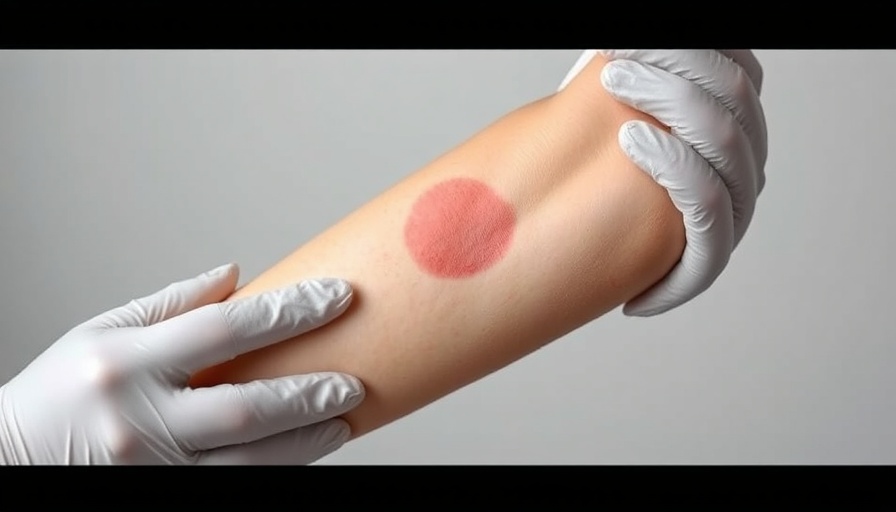
Psoriasis patch examination for targeting SSAT enzyme treatment.

Understanding Psoriasis: A Common Skin Condition

Psoriasis is a chronic autoimmune condition that speeds up the life cycle of skin cells, leading to an accumulation of cells on the skin's surface. This overproduction results in the characteristic itchy, red patches often covered with thick, silvery scales. It affects not just the skin but can also have systemic effects on other body systems, including the joints.

Breakthrough Discovery: Targeting the SSAT Enzyme

Recent research has highlighted the role of the SSAT (spermine/spermidine acetyltransferase) enzyme in psoriasis. This enzyme is involved in polyamine metabolism, which influences skin cell proliferation and differentiation. By targeting SSAT, scientists believe they can reduce the excessive skin cell growth seen in psoriasis, potentially leading to new therapeutic options for patients.

The Science Behind the Treatment: How Does It Work?

The mechanism is based on the observation that inhibiting this enzyme may improve skin health by reducing inflammation and allowing for better skin cell management. This insight opens doors to developing drugs that can specifically modify SSAT activity, enhancing current treatment regimens that often rely on immunosuppressants or anti-inflammatory medications.

Impact of Gut Health on Psoriasis

Moreover, studies suggest that gut health plays a significant role in skin conditions, including psoriasis. A healthy digestive tract may help mitigate the severity of skin symptoms. For parents dealing with children suffering from psoriasis, a diet rich in fiber, probiotics, and skin-friendly nutrients can support overall skin health.

Nutrition's Role in Managing Psoriasis

Incorporating collagen-rich foods into your family's diet may further improve skin conditions. Foods like fish, chicken, eggs, and bone broth can help enhance skin elasticity and reduce aging signs. Additionally, pairing these with healthy smoothies for clear skin, which might include spinach, berries, and nut-based milks, can ensure that your family receives a wealth of vitamins and minerals essential for vibrant skin.

Practical Tips for Parents Managing Psoriasis

  • Hydration is Key: Encourage kids to drink plenty of water, as hydration is vital for skin health.
  • Consult Your Dermatologist: Regular check-ups with a dermatologist can keep treatments effective and tailored.
  • Monitor Diet: Keep a food diary to spot any potential triggers. Note how certain foods affect skin conditions.
  • Healthy Skin Foods: Include a variety of fruits and vegetables that promote collagen production and skin repair.

What Lies Ahead: Future Research Directions

Looking ahead, the potential for SSAT-targeting therapies could reshape how we approach psoriasis treatment. Researchers are optimistic that primary care providers will soon have more effective tools to help patients manage their skin conditions. For families navigating psoriasis, staying informed and engaged in research can make a significant difference.

Concluding Thoughts: How to Support Your Family

Providing support for a family member dealing with psoriasis involves understanding the condition, recognizing dietary influences, and fostering regular contact with healthcare professionals. As research continues to uncover the complexities of skin health, parents can play a vital role in their children’s well-being by encouraging healthy habits and ensuring they get the required medical support.

To make positive impacts on skin health, consider integrating more healthy skin food options into your family's daily meals. Collaborative efforts around meals can build family bonds while improving skin health dramatically.

skincare

4 Views

0 Comments

Write A Comment

*
*
Please complete the captcha to submit your comment.
Related Posts All Posts
03.30.2025

How Terahertz Imaging Can Transform Your Child's Hearing Health

Breakthrough in Cochlear Imaging: A Deep DiveRecent advancements in terahertz imaging technology have proven to be a game-changer in the study of cochlear structures in our ears. This exciting development not only paves the way for improved auditory health solutions but also offers parents insights into how to maintain healthy hearing for their children. Understanding these intricate structures can have profound implications on diagnosing and treating hearing-related issues, often stemming from conditions that affect children.The Importance of Early InterventionWhen it comes to children's health, early intervention is critical—especially in the realms of hearing and speech. Problems in the cochlea can lead to significant delays in language acquisition and social development. With terahertz imaging's high-resolution capabilities, healthcare professionals can now assess cochlear structures with remarkable precision. This could lead to earlier diagnoses and personalized treatments that could help prevent future complications.What is Terahertz Imaging?Terahertz imaging is a non-invasive technique that utilizes terahertz radiation to create detailed images of the structures within the cochlea, the part of the inner ear responsible for converting sound into neural signals. This method allows for viewing soft tissue with previously unattainable clarity. For parents, understanding these advances can empower them to ask informed questions about their children’s hearing health during medical visits.How This Technology Affects Family HealthMaintaining healthy hearing is an important aspect of overall wellness. With the rise of new technologies, parents can better advocate for their children's health care. Parents might wonder what to ask during their next visit to the audiologist. Questions like, “How can we monitor my child’s cochlear health as they grow?” or “What lifestyle choices can support better hearing?” can foster meaningful dialogues.The Link Between Diet and Hearing HealthWhile we dive into the technological marvels of imaging, it's also essential to remember that diet plays a significant role in our overall wellness, including hearing. Foods rich in antioxidants, such as fruits and vegetables, help combat inflammation, protecting cochlear health. Incorporating healthy skin foods into your family's diet can result in benefits beyond just skin health, potentially contributing to clearer hearing as well. Foods rich in collagen, for example, are known for their skin-tightening properties but may also benefit other connective tissues, including those in the inner ear.Incorporating Healthy Choices for Skin and HearingMany parents are interested in how diet influences both skin health and sensory functions like hearing. Smoothies made from berries, spinach, and nut milk serve dual purposes: they promote clear skin while being rich in vitamins that support overall health. By making healthy smoothies for clear skin part of the daily routine, parents can ensure their children receive the essential nutrients needed for both skin and hearing health.Looking Ahead: Future Directions in Cochlear HealthAs technology continues to evolve, the future of cochlear health appears promising. Terahertz imaging could lead to more personalized health care based on individual assessments of cochlear structure. By keeping an eye on emerging technologies and ensuring families are informed, parents can play a critical role in their children’s auditory health well into the future.In conclusion, the development of terahertz imaging technology has opened doors to better understanding and treating ear health, allowing for earlier diagnoses and improved care. Taking proactive steps in dietary choices—like integrating collagen-rich foods—and fostering open communication with healthcare providers are essential strategies for parents aiming to preserve their children’s hearing health. Embracing this knowledge could truly make a difference.For more insights on parenting and how to support your child's health actively, continue exploring credible health resources and consult your healthcare providers.

03.26.2025

Unlocking Glucose's Role in Cell Differentiation: A Guide for Parents

Update How Glucose Shapes Cell Behavior In an intriguing new Stanford study, researchers have discovered that glucose plays a surprising role not only as an energy source but also in influencing the development and differentiation of cells. This significant finding opens new avenues for understanding cellular mechanisms and potential applications in medicine and nutrition. The Connection between Glucose and Cell Differentiation Traditionally recognized for its role in energy production, glucose now emerges as a critical player in how stem cells decide their fate—whether to become muscle, fat, or blood cells. Understanding this process can significantly affect fields like regenerative medicine, where guiding the differentiation of cells is essential. The study suggests that alterations in glucose levels can change the way cells grow and transform, highlighting a complex relationship that goes beyond basic biochemistry. Implications for Healthy Skin and Diet Parents often seek ways to enhance their children's health, and the new insights about glucose can guide nutritional choices. Foods high in glucose may be more beneficial than previously thought when it comes to cell health and differentiation. This is particularly relevant for skin health. Studies have shown that glucose impacts the behavior of skin cells, potentially leading to better skin regeneration and repair, which is crucial for maintaining healthy skin as we age. Exploring the Role of Glucose in Skincare Incorporating glucose-rich foods into one’s diet isn't just about energy; it might also involve skincare benefits. Foods that promote glucose balance can contribute to healthy skin by enhancing cell turnover and repair mechanisms. For parents looking to support their children's growth, including foods like whole grains and fruits can foster better health outcomes. How Can Parents Use This Information? Understanding the connection between glucose and cell differentiation empowers parents to make more informed dietary decisions for themselves and their children. Consider integrating collagen-rich foods into meals, such as fish with skin, chicken, and leafy greens, which enhance skin and overall health. Healthy smoothies can also provide nutrients that facilitate healthy cell function, emphasizing a holistic approach to health. Potential Risks of Excessive Glucose While glucose has its benefits, excessive intake may lead to adverse health effects, especially concerning skin and metabolic health. Parents should monitor their children's sugar consumption and focus on providing complex carbohydrates that release glucose slowly into the bloodstream. This will not only benefit energy levels but also skin health, preventing issues like acne or premature aging. Questions to Ask a Dermatologist Given the link between nutrition and skin health, parents should feel empowered to engage with dermatologists about the best practices for skin care. Questions might include: What are the best collagen-rich foods for my child? How can diet contribute to clearer skin? Understanding these aspects can help tackle skin issues effectively and promote well-being. Conclusion The findings from the Stanford study underline the intricate role that glucose plays not just in providing energy but in directing cellular functions, emphasizing the importance of healthy nutrition for skin health. Adopting a balanced diet rich in essential nutrients can lead to both improved health and vibrant skin for the family. To learn more about skin health and diet, explore healthy smoothies and foods that can benefit your family's nutrition, ensuring healthy, glowing skin now and in the future.

03.21.2025

Revolutionary Diagnostic Platform Reveals Life-Threatening Skin Disease: What Parents Must Know

Update Revolutionary Diagnostic Breakthrough: Uncovering a Life-Threatening Skin Disease In a groundbreaking development, an innovative diagnostic platform has recently identified a previously unknown life-threatening skin disease. This unforeseen condition poses significant risks, particularly for children and adolescents, and underscores the importance of continual advancements in dermatological diagnostics. Understanding the New Disease: Symptoms and Risks The newly identified skin disease presents symptoms that can resemble those of more common conditions, leading to potential misdiagnosis in young patients. Parents should be vigilant for signs such as severe skin irritation, persistent rashes, or unusual changes in skin texture. Understanding these symptoms can be crucial for timely treatment. Innovation in Dermatology: The Role of Advanced Diagnostics Modern diagnostic tools have made it possible to detect diseases that would have remained undiagnosed in previous generations. This recent discovery highlights the critical role of innovation in healthcare, particularly in fields like dermatology. As scientific research continues to evolve, parents can be encouraged by the prospect of more effective management and treatment of skin conditions. Healthy Skin: The Foundation for Prevention One vital aspect of maintaining your child’s skin health is understanding the connection between diet and skin conditions. Incorporating collagen-rich foods for skin can strengthen skin integrity, while healthy smoothies for clear skin can deliver essential nutrients. Foods high in antioxidants, healthy fats, and vitamins can help bolster your child's skin against various conditions, providing natural protection and promoting healing. Questions to Ask Your Dermatologist When visiting a dermatologist, it’s important for parents to be prepared with questions that can help understand their child’s skin health better. Asking about the healthy skin dermatology practices specific to your child’s needs can lead to personalized care. Questions such as "What can I do at home to improve my child’s skin health?" and "Are there specific healthy skin foods you recommend?" can facilitate meaningful discussions with healthcare professionals. The Future of Skin Health: Predictions and Trends The rise of innovative diagnostic platforms suggests an exciting future for dermatology. Due to recent advancements, we can expect more conditions to be identified and treated at early stages, resulting in better outcomes for patients, particularly in pediatric care. As research progresses, developments in skincare products that enhance how to improve collagen in skin absorption methods will emerge, leading to even more effective treatments for skin tightening and repair. Empowering Parents: The Importance of Awareness It is essential for parents to be aware of new skin conditions and evolving treatments. By staying informed, you can advocate for your child’s health, ensuring they receive the best care possible. Knowledge about common misconceptions and myths related to skin health can also empower parents to make more informed choices regarding their children’s skincare and dietary habits. Take Action for Your Child’s Skin Health Presence and awareness are key in managing any newly identified skin conditions. With a focus on collaboration between parents and dermatologists, we can work towards nurturing healthy skin for our children. Don’t hesitate to seek professional guidance and explore healthy dietary options to support your child’s skin health today.

Terms of Service

Privacy Policy

Core Modal Title

Sorry, no results found

You Might Find These Articles Interesting

T
Please Check Your Email
We Will Be Following Up Shortly
*
*
*