

cropper
  SKIN SCIENCE REPORT
  • Home
  • Categories
    • Skin health
    • Skincare
    • News
    • Dermatology
    • Anti aging
    • Esthetician Spotlight
    • Skin Cancer and Sun Protection
    • Acne and Breakouts
    • Ingredients Explained
    • Eczema and Psoriasis
    • Hair and Scalp
    • Cosmetic Procedures
    • Pigmentation and Skin of Color
    • Kids and Teen Skin
    • Diet, Lifestyle and Skin
    • Skin Tech and Research
March 20.2025
4 Minutes Read

Mineral vs. Chemical Sunscreens: Why Mineral Might Be the Best Choice

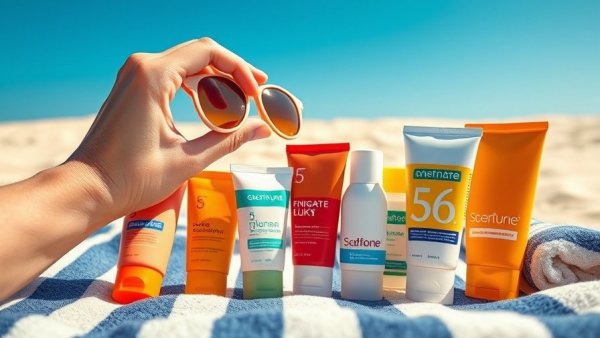
Smiling woman applying mineral vs. chemical sunscreen with brush.

Unlock the Secrets: Choosing Between Mineral and Chemical Sunscreens

In our quest for healthy, radiant skin, the importance of daily sun protection cannot be overstated. Sunscreens are our first line of defense against damaging UV rays, which not only cause sunburn but can also lead to long-term skin issues like melanoma and premature aging. As skincare enthusiasts or those simply seeking to maintain a youthful glow, understanding the nuances between mineral and chemical sunscreens is crucial. Let's delve into the differences, benefits, and recommendations from dermatologists to help you make an informed choice.

Understanding Chemical Sunscreens: The Absorbers of Protection

Chemical sunscreens function by utilizing organic compounds that absorb UV radiation. Through a chemical reaction, they transform UV rays into heat and then launch that heat away from the skin. Common ingredients include oxybenzone, octinoxate, octocrylene, and avobenzone. These products tend to be lightweight and often leave less residue on the skin, making them a popular choice for many.

However, recent studies have raised concerns about the potential absorption of these active ingredients into the bloodstream. In fact, the FDA has warned that some of these chemicals can be detected in the blood after just one application, prompting a re-evaluation of their safety for long-term use. As a result, some health-conscious individuals are turning to alternatives.

Mineral Sunscreens: Nature's Shield Against UV Rays

Mineral sunscreens, also known as physical sunscreens, are formulated primarily with zinc oxide and titanium dioxide. These ingredients create a protective barrier on the skin that physically blocks and reflects UV rays before they penetrate the skin's layers. Many dermatologists recommend these formulas, especially for individuals with sensitive or acne-prone skin, as they tend to be hypoallergenic and less irritating.

Beyond their protective qualities, mineral sunscreens are often touted for being reef-friendly, making them a sustainable choice for eco-conscious consumers. As board-certified dermatologist Dr. Markowitz mentions, mineral options are ideal for all skin types, reducing the likelihood of clogging pores or causing breakouts.

The Key Differences in Effectiveness and Safety

One striking difference between the two sunscreen types lies in their activation timing. Chemical sunscreens typically require about 20-30 minutes to absorb and begin working effectively, while mineral sunscreens create an immediate barrier upon application. Furthermore, the safety profile of mineral sunscreens is regarded as a significant advantage, especially for those taking a cautious approach to skincare.

This information is essential, especially when considering dermatological advice for maintaining skin health—such as tips on preventing skin issues like crepey skin or avoiding inflammation caused by harsh ingredients.

Surprising Benefits of Mineral Sunscreens You Didn't Know About

Aside from their physical blocking capabilities, mineral sunscreens have some lesser-known benefits. They help in reducing skin irritation and are often enriched with additional skin-soothing ingredients. Moreover, many dermatologists agree on the efficacy of these products in preventing photoaging, helping you maintain your skin’s youthful appearance.

But there's more to consider that can enhance your skincare routine. Incorporating a mineral sunscreen into your regimen is a proactive step, but complementing that with tips for glowing skin at home can elevate your skincare game further. Pairing your daily sunscreen with a tailored night skincare routine can yield transformative results.

What Dermatologists Recommend for Optimal Sun Protection

As we navigate the myriad of options available, dermatologists stress the importance of finding a sunscreen that fits your lifestyle and skin type. Some key recommendations are:

  • Choose broad-spectrum protection (against both UVB and UVA rays).
  • Look for water-resistant formulas if you're active or swimming.
  • Reapply every two hours or immediately after swimming or sweating.

Additionally, consulting with a dermatologist can provide personalized insights on which product works best for you, helping you fine-tune your regimen—especially if you’re looking for solutions to issues like hair loss or skincare tips for specific concerns.

Making an Informed Choice: The Decision is Yours

Ultimately, the choice between mineral and chemical sunscreen boils down to individual preference, skin type, and lifestyle. While both options offer UV protection, understanding the science behind each can empower you to make an educated decision aligned with your values—whether it’s sustainability, sensitivity, or health considerations.

As you explore your options, incorporate sunscreens into your routine as an essential step. With the right approach, you can enjoy the sunshine without compromising the health of your skin.

If you'd like to dive deeper into creating a comprehensive skincare routine that includes sun protection and understand how dermatological appointments can aid your skincare journey, consider exploring your local spa or reaching out to a dermatologist.

Remember, taking proactive steps today can lead to healthier, glowing skin tomorrow. Don’t hesitate to reach out to professionals for tailored advice!

News Skin Cancer and Sun Protection

47 Views

0 Comments

Write A Comment

*
*
Please complete the captcha to submit your comment.
Related Posts All Posts
11.06.2026

Skin Cancer Prevention: Effective Tips to Prevent Skin Cancer and Recognize Melanoma Signs

Early changes in your skin can signal more than a cosmetic problem. Spotting a new or changing mole, especially if it looks different from others, may be the first sign of melanoma—an aggressive type of skin cancer. Taking skin cancer prevention seriously is one of the most effective ways to lower your risk. This guide explains what to watch for, the steps to safer skin, and how the latest treatments like IG-SRT fit into care.What You'll LearnHow to recognize melanoma warning signsSteps for effective skin cancer preventionWhy skin checks matter in reducing riskWhen to seek expert adviceNew developments in treatment, including IG-SRTIntroduction to Skin Cancer and MelanomaWhat is Skin Cancer?Skin cancer is the most common cancer in the United States. Cancer happens when abnormal cells begin to grow uncontrollably. In skin cancer, these cancer cells develop in the skin’s layers, sometimes triggered by ultraviolet (UV) light exposure or genetic changes. There are several main types: basal cell carcinoma, squamous cell carcinoma, and melanoma. Basal cell and squamous cell cancers are more common, but melanoma is more likely to spread and become serious if not found early. Health care providers stress the importance of regular skin checks to reduce your risk and support early detection.While anyone can develop skin cancer, those with fair skin, a history of sun damage, or a family background of skin cancers have a higher cancer risk. Still, melanoma and other types of cancer can affect all skin types. The main preventative measures include sun protection, regular self-exams, and appointments with a health care provider. Each step in skin cancer prevention can make a meaningful difference, especially if you start before symptoms of skin cancer appear.Understanding Melanoma Skin CancerMelanoma is considered the most serious type of skin cancer due to its potential to grow and spread quickly. It begins in the melanocytes, which are the skin’s pigment-producing cells. Melanoma warning signs often involve noticeable changes in existing moles or the development of new, unusual spots on the skin. This type of cancer can occur anywhere, including areas not typically exposed to the sun, such as the soles of the feet or under fingernails.The risk of melanoma skin cancer rises with repeated sun exposure, a history of severe sunburns, or a weakened immune system. Early detection is the key factor in successful treatment. Melanoma found in its early stages is much easier for health care providers to remove. Routine skin checks and appointments with a professional are strongly recommended to reduce your risk of complications from melanoma skin cancer.Melanoma Warning Signs for Early Skin Cancer PreventionKey Changes in Melanoma Skin AppearanceMelanoma warning signs often appear as changes you can see and sometimes feel. A new growth, a sore that doesn’t heal, or a mole that appears different from others can all be reasons for concern. Most melanomas show a noticeable difference in appearance compared to typical moles—this may include a change in color, size, or shape. Uneven borders, multiple colors, or an evolving spot on your skin can all point toward melanoma skin cancer.People with fair skin or a history of sun-damaged skin should be especially alert to these changes and schedule skin checks regularly. Any spot, even if it is small or located in a less visible place, deserves attention if it looks unusual or starts to change. Skin cancer prevention starts with knowing the warning signs and being proactive if they appear.For a deeper dive into the practical steps you can take to protect your skin daily, including how to perform thorough self-exams and what to do if you spot something suspicious, you may find the resources at Skin Science Report especially helpful for actionable skin health guidance.ABCDEs of Melanoma and Skin ChecksDermatologists recommend the ABCDEs method to help identify warning signs of melanoma skin cancer:A — Asymmetry: One half of the mole doesn’t match the otherB — Border: Irregular, scalloped, or poorly defined edgesC — Color: Variation from one area to another; shades of tan, brown, black, white, red, or blueD — Diameter: Larger than 6 millimeters (about the size of a pencil eraser)E — Evolving: Changes in size, shape, color, or elevation or any new symptom such as bleeding, itching, or crustingRecognizing these signs during regular skin checks helps with early detection, leading to a better chance of successful treatment. If you notice any of the ABCDEs during a self-exam, talk with a health care provider for an assessment.Common Symptoms and Signs of Melanoma Skin:New or changing moleSpot with multiple colorsSore that does not healItchy, tender, or bleeding growthChanges in sensation or surface textureSkin Checks: Why Routine Self-Exams Matter for Cancer PreventionTechniques for Effective Skin ChecksRoutine self-exams are a cornerstone of skin cancer prevention. Performing a thorough skin check at home once a month makes it more likely to spot changes early. Examine all parts of your body, including hard-to-see areas like the back, scalp, and between the toes. Use both natural and artificial light for clarity and employ a hand mirror for difficult areas.Health care providers recommend tracking moles or spots by taking clear photos or using a diagram to note locations and changes over time. If you have a family history of melanoma skin cancer or a personal history of sun damage, schedule thorough self-checks more often. Early detection allows for simpler, more effective treatment.What to Look for During a Skin CheckDuring your self-exam, check for any new moles, growths, or patches. Look for spots that appear different from others or have changed in color, shape, texture, or size. Non-healing sores, bleeding moles, and areas that itch or hurt also warrant a closer look from a care provider. Tracking these warning signs in a monthly skin check can significantly reduce your risk by supporting early detection.Skin checks work best when you know your baseline. Familiarize yourself with the location and look of all your spots. If you detect anything unusual, don’t wait for a scheduled appointment. Reach out to a health care provider for guidance.Professional Skin Exams and Their Role in Skin Cancer PreventionHow Dermatologists Diagnose Melanoma Skin CancerDermatologists use both visual examination and specialized tools such as a dermatoscope to inspect skin lesions. If a spot appears suspicious for melanoma skin cancer, the health care provider may perform a biopsy to collect a sample for lab analysis. This is the only definitive way to diagnose melanoma. The type of cancer and its stage determine the approach to treatment.Professional skin exams offer an additional layer of accuracy. Experienced dermatologists can spot atypical moles or non-melanoma cancers that the average person might miss. Cancer prevention strategies often include regular checkups for those with a higher cancer risk or family history of skin cancers.Screening Recommendations for Different Risk GroupsSome people face greater cancer risk and benefit from more frequent screenings. High-risk groups include those with fair skin, a personal or family history of skin cancer, numerous moles, or a history of frequent sun exposure. Health care providers generally suggest annual exams for most adults, but higher-risk individuals may need to be checked every six months.Open communication with your care provider is crucial, especially if you notice new or changing warning signs. Risk group recommendations can differ based on specific health history, so it’s best to individualize your plan with professional advice.Reduce Your Risk: Preventive Strategies for Skin Cancer PreventionProtective Measures Against Melanoma Skin CancerThe risk for skin cancer can be reduced with consistent preventive habits. Avoid prolonged sun exposure, especially during peak UV hours (10 a. m. to 4 p. m. ), seek shade, and wear protective clothing such as long sleeves and wide-brimmed hats. Wearing sunglasses that block UV rays helps protect your eyes and surrounding skin.A family history or previous skin cancers signals an even greater need for these protective strategies. Staying vigilant with prevention and health care support can significantly lower the likelihood of developing melanoma and other skin cancers.Sunscreen and its Importance for All Skin TypesSunscreen is central to skin cancer prevention conversations. Choose a broad-spectrum sunscreen with SPF 30 or higher, and reapply every two hours when outdoors—or more often if swimming or sweating. Sunscreen is just as necessary for darker skin as for fair skin, since UV can damage all skin types and skin cancers can affect anyone.Many people underestimate the need for sun protection in everyday activities, such as driving or gardening. Regular sunscreen use, coupled with other sun safety habits, plays a large role in keeping your skin healthy and lowering your cancer risk.A visual step-by-step demonstration shows how to check all areas of the body, use mirrors, and what features to mark for discussion with a dermatologist. This helps reinforce effective cancer prevention through regular self-exams.Demonstration of At-Home Skin Check for Skin Cancer PreventionAt-home skin checks should cover your entire body. Use a full-length mirror and a handheld one for hard-to-reach areas. Check your scalp, the bottoms of your feet, and between your toes and fingers. Using photos or a journal to track your moles from month to month can help you notice subtle changes early.Family members or friends can assist with spots you cannot see, such as your back. Mark any worrisome moles with a small sticker before visiting a care provider. With regular practice, these checks make it much easier to spot warning signs and improve your chances of catching melanoma skin cancer early.Sun Safety Habits to Reduce Your Risk:Apply sunscreen daily, even on cloudy daysWear hats and UV-protective clothingSeek shade during midday hoursAvoid indoor tanning devicesWear sunglasses that protect from UV raysEmerging Treatments: IG-SRT and Advances in Skin Cancer CareWhat is IG-SRT and How Does it Address Melanoma Skin Cancer?Image-Guided Superficial Radiation Therapy (IG-SRT) is a newer, noninvasive cancer treatment that uses targeted, low-dose radiation to treat certain non-melanoma skin cancers right on the surface. While IG-SRT is not typically used for melanoma skin cancer, it is becoming a popular option for difficult-to-treat basal cell and squamous cell carcinoma, especially in cosmetically sensitive areas where traditional surgery may be less desirable.With sophisticated imaging, IG-SRT delivers radiation exactly where needed, sparing healthier tissue and potentially reducing complications. For patients who cannot undergo surgery or wish to avoid scars, this approach offers another possibility. Decisions about cancer treatment should always involve a discussion with a qualified health care provider.Comparison of IG-SRT and Other Skin Cancer TreatmentsTraditional treatments like surgery, Mohs micrographic surgery, cryotherapy, and topical medications remain first-line options for most skin cancers. Surgery removes cancerous cells directly, while therapies like IG-SRT address tumors more gently. The optimal cancer treatment depends on the type of cancer, its location, and individual health factors.Patients and health care providers weigh these factors, considering effectiveness, cosmetic outcomes, and overall cancer prevention strategy. IG-SRT offers benefits in specific cases, including those who wish to avoid more invasive treatments or for cancers in areas where preserving appearance is particularly important.IG-SRT vs Traditional Therapies for Skin Cancer PreventionTreatmentMain IndicationInvasivenessUse for Melanoma?Cosmetic OutcomeIG-SRTBasal cell, squamous cell carcinomaNoninvasiveRarelyFavorableSurgical ExcisionAll skin cancer typesInvasiveYesVariableMohs SurgeryBasal cell, squamous cell carcinoma, some melanomaInvasiveSome casesBest for facial lesionsCryotherapyEarly superficial lesionsMinimally invasiveNoGood“Early, regular skin checks and sun protection remain the best tools for skin cancer prevention,” said a board-certified dermatologist.People Also Ask: Detecting and Preventing MelanomaWhat is the most effective way to detect cancer early?Answer to: What is the most effective way to detect cancer early?Early detection of skin cancer most often relies on routine self-exams and professional skin checks by a care provider. Recognizing the ABCDE warning signs and consulting a health care provider when something changes offers the best chance to find cancer before it spreads.What is IG-SRT and how is it used to treat skin cancer?Answer to: What is IG-SRT and how is it used to treat skin cancer?IG-SRT stands for Image-Guided Superficial Radiation Therapy. It delivers precise, low-dose radiation directly to the outer layer of the skin to treat certain non-melanoma cancers. This method is used for basal cell and squamous cell carcinoma, especially when surgery is not suitable or for sensitive areas of the body.Do darker skin people need sunscreen?Answer to: Do darker skin people need sunscreen?Yes, people with darker skin still need sunscreen. While more melanin in the skin provides some UV protection, no skin type is immune to cancer. UV exposure can cause skin cancers and other skin damage for everyone, regardless of skin tone.What are the signs and symptoms of melanoma?Answer to: What are the signs and symptoms of melanoma?Signs include a new, unusual growth or a change in an existing mole. Look for asymmetry, irregular borders, color changes, and changes in size or sensation. Sores that do not heal, itch, bleed, or change in texture can also be signs of melanoma.When to See a Dermatologist About Skin Cancer PreventionRecognizing Warning Signs Needing Expert AssessmentAny time you notice a spot with warning signs—rapid growth, color change, or an irregular border—it’s time to see a dermatologist. Other signals include bleeding or oozing, itching, or a sore that doesn’t resolve within weeks.Health care providers can quickly differentiate between benign and concerning lesions. Early appointments often mean simpler treatment and less scarring. Never ignore new or changing spots, especially if you have a past history of skin cancers.Family History and Increased Skin Cancer RiskA family history of melanoma or other skin cancers increases your cancer risk significantly. This warrants earlier and possibly more frequent skin exams by a care provider. Discussing your history with your dermatologist allows for cancer prevention strategies tailored to you.Family history often goes overlooked, but it provides key clues for future risk. If a close relative faced skin cancer, share this with every new health care provider you see.FAQs on Skin Cancer Prevention and MelanomaAre there certain age groups more at risk for melanoma skin cancer?Melanoma can appear at any age, but risk increases with age and with cumulative sun exposure over time. People with a history of frequent sunburns as children or teenagers should be especially watchful for warning signs later in life.Can regular sunscreen use reduce your risk of melanoma?Applying sunscreen daily and reapplying throughout the day helps reduce the risk of melanoma and other forms of skin cancer. Combined with other sun safety habits, sunscreen forms a central part of any cancer prevention plan.Does melanoma show symptoms before it spreads?Most melanomas begin as visible changes on the skin’s surface. Detecting them before they spread improves the chances of successful treatment, making self-checks and regular exams critical for cancer prevention.Are skin checks alone enough for skin cancer prevention?Skin checks increase the chance of catching early warning signs, but they work best when combined with sun protection and regular professional exams. Cancer prevention requires a layered approach.Key Facts About Skin Cancer Prevention and MelanomaConsistent skin checks help detect melanoma earlierSun protection matters for all skin tonesNewer therapies like IG-SRT expand treatment optionsMelanoma can develop in areas not exposed to the sunFurther Reading and References on Skin Cancer PreventionExplore more information by visiting organizations such as the American Academy of Dermatology, Skin Cancer Foundation, and the Centers for Disease Control and Prevention. Their websites offer guidance on skin checks, cancer prevention, and the latest research on treatments.If you’re ready to take your understanding of skin health to the next level, consider exploring the comprehensive insights and science-backed recommendations available at Skin Science Report. Their expert-driven articles go beyond the basics, offering advanced prevention strategies, the latest research on skin cancer therapies, and practical tips for lifelong skin wellness. Whether you’re seeking to refine your daily routine or stay informed about emerging treatments, this resource empowers you to make proactive, informed choices for your skin’s future. Continue your journey toward healthier skin by tapping into the latest in dermatological science and prevention.Take proactive steps to reduce your risk: Schedule your next skin check today.

03.25.2025

Travel Skin Care Essentials: Keep Your Glow On the Go

Update The Essential Skin Care Guide for Travel: Keep Your Glow on the Go Packing for travel usually involves careful consideration of what to bring and what to leave behind. From clothing to gadgets, it’s easy to forget about skin care while preparing for your adventure. However, skin care is crucial, no matter where you're headed—be it a tropical beach or a winter cabin. So, let’s explore some essential tips for maintaining your skin health while traveling! Your Must-Haves: What to Pack First and foremost, always include SPF in your travel essentials. It’s your skin's primary defense against sun damage, regardless of your destination. Dermatologists recommend using at least an SPF of 30. Products like the Sun Defense Minerals Powder offer a lightweight and convenient option that can be reapplied throughout the day without fuss. Not only does this help control oil for a matte finish, but it's also compact—ideal for carry-ons! Next on your list is a multifunctional moisturizer. The Lilikoi Daily Defense Moisturizer SPF 40 provides hydration and sun protection, coming in a travel-approved 2 oz size. This enables you to skip the necessity of packing multiple products while ensuring that your skin remains hydrated. Cleansing on the Go: Choosing the Right Products After a day of exploring, cleansing your skin should be a priority. Look for products that combine simplicity with effectiveness. The Barbados Cherry Enzyme Cleansing Powder is perfect as it transforms from powder to a creamy lather—and it provides a rejuvenating wash while removing sunscreen and everyday impurities. Keep it Compact: Tips for Airplane Travel When packing for air travel, consider the size restrictions for liquids. Opt for solid or powdered skincare products, like cleansing powders or balms. A great travel companion is the Mangosteen Daily Resurfacing Cleanser, renowned for its cleansing efficiency and size that fits comfortably within carry-on limits. Hydration is Key: Staying Moisturized on Your Journey Airplane travel can leave your skin feeling parched. Packing a hydrating facial mist or serum can be beneficial. Look for items rich in antioxidants, which help replenish the moisture barrier of your skin throughout your flight. Double Duty: Makeup and Skincare Consider leveraging products that serve dual purposes, like tinted SPFs. The Daily Defense Tinted SPF not only hydrates your skin but also gives it a beautiful glow while offering high-level sun protection. Skin Care Beyond the Essentials: Emotional Benefits Travel can sometimes lead to heightened stress and professional obligations. Maintaining a skincare routine, even a simplified one, provides a sense of normalcy, which can help eliminate anxiety. When traveling, you might wonder, "What can dermatologist help with?" Beyond advice on specific products, they can guide you on maintaining overall skin health and provide personalized care tips for any acne or dryness you may experience while traveling. Local vs. Global Perspectives: Skin Types and Climate Understanding how different climates impact your skin is essential for travel. For example, sunny beach trips require stronger UV protection compared to cooler, drier destinations. Researching skincare options based on your destination can help adapt your routine to meet your skin’s needs. Planning Ahead: Preparing for Your Derm Visit If you are considering a dermatologist visit, especially before traveling, preparing for your appointment can enhance your skincare strategy. Be ready with questions like "What do dermatologists recommend for crepey skin?" Additionally, ask about travel-specific recommendations tailored to your unique skin needs. As you travel, don’t forget the basics of hydration and protection. Regardless of your planned activities, maintaining skin health is crucial for enjoying your journey to the fullest. Happy travels and keep that skin glowing! For tips on skincare, well-being, and positive lifestyle choices, make sure to follow our articles—for a healthier you, both at home and abroad!

03.21.2025

Uncovering Inherited Cancer Risks: Key Genetic Variants and Family Strategies

Update Genetic Insights into Inherited Cancer RisksRecent research at Stanford University has uncovered significant genetic variants linked to inherited cancer risk, a breakthrough that holds promise for early detection and preventive measures. This study sheds light on how specific gene mutations can drastically alter an individual’s likelihood of developing certain cancers, opening avenues for familial cancer testing and screening.Understanding Genetic VariantsThe variants identified affect genes that play crucial roles in cellular processes such as growth and repair. For parents, understanding these findings helps in assessing their children's cancer risk. If these genetic markers are detected early, families can adopt proactive health strategies, such as surveillance and lifestyle modifications, to potentially lower cancer chances. This knowledge can be empowering for parents, helping them make informed decisions about their children's health.Connecting Gene Variants to Lifestyle ChoicesWhile genetic predispositions significantly impact cancer risk, lifestyle choices cannot be overlooked. For instance, diet plays a substantial role in cellular health. Integrating a balanced diet rich in antioxidants can support overall well-being and, importantly, skin health. For parents interested in fostering healthy habits in their children, incorporating foods that boost collagen production can be a wise choice.Essential Foods for Healthy SkinIntroducing collagen-rich foods and healthy skin foods into your family’s meals can contribute to clearer, healthier skin while also supporting overall genetic health. Here are some examples:Citrus fruits: Rich in vitamin C, they help enhance collagen production.Leafy greens: Packed with antioxidants, they offer protection against oxidative stress.Fish: Fatty fish are not only rich in omega-3 fatty acids but also promote skin elasticity.Parents can engage children in the kitchen by creating healthy smoothies for glowing skin, emphasizing that healthy eating can also be delicious and fun!Breaking Down MisconceptionsMany parents may wonder if topical applications of collagen can effectively improve skin condition. Popular skincare trends promote products claiming that collagen can be absorbed through the skin, but research suggests that dietary collagen poses a more significant impact on skin health. Understanding these nuances can help parents make educated choices regarding skincare products and overall health strategies.Future Predictions in Cancer DetectionAs research continues to develop, the future of cancer detection looks promising. Advances in genetic testing technology could allow parents to obtain insights earlier than ever into their children's genetic risks. With this knowledge, proactive measures could become the norm, making hereditary cancer management a manageable aspect of life.Turning Knowledge Into ActionFor parents, educating themselves about genetic risks and actively implementing healthy lifestyle changes can make all the difference. Whether it’s discussing family health history with a healthcare provider or incorporating nutritious foods and habits into daily routines, small steps can lead to significant impacts on their family’s long-term health.In light of these findings, parents are encouraged to communicate openly about health within families, seek professional advice, and prioritize healthy eating habits. The combination of genetic knowledge and lifestyle choices can significantly influence future generations, leading to healthier lives.

Skin Science News

Because skin health is a cornerstone of overall well-being, it is a major factor in influencing physical appearance, immunity, and quality of life across all age groups. As the body’s largest organ and first line of defense, the skin protects against environmental stressors like UV radiation and pollution while also reflecting internal health factors such as nutrition and stress levels.

COMPANY

  • Privacy Policy
  • Terms of Use
  • Advertise
  • Contact Us
  • Menu 5
  • Menu 6

info@skinsciencereport.com

5850 Macklind, St. Louis, MO

© 2026 Rising Review LLC All Rights Reserved. 5850 Macklind Avenue, St. Louis, MO 63109 . Contact Us . Terms of Service . Privacy Policy

eyJjb21wYW55IjoiUmlzaW5nIFJldmlldyBMTEMiLCJhZGRyZXNzIjoiNTg1MCBNYWNrbGluZCBBdmVudWUiLCJjaXR5IjoiU3QuIExvdWlzIiwic3RhdGUiOiJNTyIsInppcCI6IjYzMTA5IiwiZW1haWwiOiJidXNpbmVzc0ByaXNpbmdyZXZpZXcuY29tIiwidG9zIjoiUEhBK1BITjBjbTl1Wno0OFpXMCtWMmhsYmlCNWIzVWdjMmxuYmkxcGJpQjNhWFJvSUhWekxDQjViM1VnWVhKbElHZHBkbWx1WnladVluTndPeUI1YjNWeUlIQmxjbTFwYzNOcGIyNGdZVzVrSUdOdmJuTmxiblFnZEc4Z2MyVnVaQ0I1YjNVZ1pXMWhhV3dnWVc1a0wyOXlJRk5OVXlCMFpYaDBJRzFsYzNOaFoyVnpMaUJDZVNCamFHVmphMmx1WnlCMGFHVWdWR1Z5YlhNZ1lXNWtJRU52Ym1ScGRHbHZibk1nWW05NElHRnVaQ0JpZVNCemFXZHVhVzVuSUdsdUlIbHZkU0JoZFhSdmJXRjBhV05oYkd4NUlHTnZibVpwY20wZ2RHaGhkQ0I1YjNVZ1lXTmpaWEIwSUdGc2JDQjBaWEp0Y3lCcGJpQjBhR2x6SUdGbmNtVmxiV1Z1ZEM0OEwyVnRQand2YzNSeWIyNW5Qand2Y0Q0S0NqeHdQanhoSUdoeVpXWTlJbWgwZEhBNkx5OTNkM2N1WjI5dloyeGxMbU52YlNJK2FIUjBjRG92TDNkM2R5NW5iMjluYkdVdVkyOXRQQzloUGp3dmNENEtDanh3UGladVluTndPend2Y0Q0S0NqeHdQanh6ZEhKdmJtYytVMFZTVmtsRFJUd3ZjM1J5YjI1blBqd3ZjRDRLQ2p4d1BsZGxJSEJ5YjNacFpHVWdZU0J6WlhKMmFXTmxJSFJvWVhRZ1kzVnljbVZ1ZEd4NUlHRnNiRzkzY3lCNWIzVWdkRzhnY21WalpXbDJaU0J5WlhGMVpYTjBjeUJtYjNJZ1ptVmxaR0poWTJzc0lHTnZiWEJoYm5rZ2FXNW1iM0p0WVhScGIyNHNJSEJ5YjIxdmRHbHZibUZzSUdsdVptOXliV0YwYVc5dUxDQmpiMjF3WVc1NUlHRnNaWEowY3l3Z1kyOTFjRzl1Y3l3Z1pHbHpZMjkxYm5SeklHRnVaQ0J2ZEdobGNpQnViM1JwWm1sallYUnBiMjV6SUhSdklIbHZkWElnWlcxaGFXd2dZV1JrY21WemN5QmhibVF2YjNJZ1kyVnNiSFZzWVhJZ2NHaHZibVVnYjNJZ1pHVjJhV05sTGlCWmIzVWdkVzVrWlhKemRHRnVaQ0JoYm1RZ1lXZHlaV1VnZEdoaGRDQjBhR1VnVTJWeWRtbGpaU0JwY3lCd2NtOTJhV1JsWkNBbWNYVnZkRHRCVXkxSlV5WnhkVzkwT3lCaGJtUWdkR2hoZENCM1pTQmhjM04xYldVZ2JtOGdjbVZ6Y0c5dWMybGlhV3hwZEhrZ1ptOXlJSFJvWlNCMGFXMWxiR2x1WlhOekxDQmtaV3hsZEdsdmJpd2diV2x6TFdSbGJHbDJaWEo1SUc5eUlHWmhhV3gxY21VZ2RHOGdjM1J2Y21VZ1lXNTVJSFZ6WlhJZ1kyOXRiWFZ1YVdOaGRHbHZibk1nYjNJZ2NHVnljMjl1WVd4cGVtRjBhVzl1SUhObGRIUnBibWR6TGp3dmNENEtDanh3UGxsdmRTQmhjbVVnY21WemNHOXVjMmxpYkdVZ1ptOXlJRzlpZEdGcGJtbHVaeUJoWTJObGMzTWdkRzhnZEdobElGTmxjblpwWTJVZ1lXNWtJSFJvWVhRZ1lXTmpaWE56SUcxaGVTQnBiblp2YkhabElIUm9hWEprSUhCaGNuUjVJR1psWlhNZ0tITjFZMmdnWVhNZ1UwMVRJSFJsZUhRZ2JXVnpjMkZuWlhNc0lFbHVkR1Z5Ym1WMElITmxjblpwWTJVZ2NISnZkbWxrWlhJZ2IzSWdZMlZzYkhWc1lYSWdZV2x5ZEdsdFpTQmphR0Z5WjJWektTNGdXVzkxSUdGeVpTQnlaWE53YjI1emFXSnNaU0JtYjNJZ2RHaHZjMlVnWm1WbGN5d2dhVzVqYkhWa2FXNW5JSFJvYjNObElHWmxaWE1nWVhOemIyTnBZWFJsWkNCM2FYUm9JSFJvWlNCa2FYTndiR0Y1SUc5eUlHUmxiR2wyWlhKNUlHOW1JR1ZoWTJnZ1UwMVRJSFJsZUhRZ2JXVnpjMkZuWlNCelpXNTBJSFJ2SUhsdmRTQmllU0IxY3k0Z1NXNGdZV1JrYVhScGIyNHNJSGx2ZFNCdGRYTjBJSEJ5YjNacFpHVWdZVzVrSUdGeVpTQnlaWE53YjI1emFXSnNaU0JtYjNJZ1lXeHNJR1Z4ZFdsd2JXVnVkQ0J1WldObGMzTmhjbmtnZEc4Z1lXTmpaWE56SUhSb1pTQlRaWEoyYVdObElHRnVaQ0J5WldObGFYWmxJSFJvWlNCVFRWTWdkR1Y0ZENCdFpYTnpZV2RsY3k0Z1YyVWdaRzhnYm05MElHTm9ZWEpuWlNCaGJua2dabVZsY3lCbWIzSWdaR1ZzYVhabGNua2diMllnWlcxaGFXd2diM0lnVTAxVExpQlVhR2x6SUdseklHRWdabkpsWlNCelpYSjJhV05sSUhCeWIzWnBaR1ZrSUdKNUlIVnpMaUJJYjNkbGRtVnlMQ0J3YkdWaGMyVWdZMmhsWTJzZ2QybDBhQ0I1YjNWeUlHbHVkR1Z5Ym1WMElITmxjblpwWTJVZ2NISnZkbWxrWlhJZ1lXNWtJR05sYkd4MWJHRnlJR05oY25KcFpYSWdabTl5SUdGdWVTQmphR0Z5WjJWeklIUm9ZWFFnYldGNUlHbHVZM1Z5SUdGeklHRWdjbVZ6ZFd4MElHWnliMjBnY21WalpXbDJhVzVuSUdWdFlXbHNJR0Z1WkNCVFRWTWdkR1Y0ZENCdFpYTnpZV2RsY3lCMGFHRjBJSGRsSUdSbGJHbDJaWElnZFhCdmJpQjViM1Z5SUc5d2RDMXBiaUJoYm1RZ2NtVm5hWE4wY21GMGFXOXVJSGRwZEdnZ2IzVnlJR1Z0WVdsc0lHRnVaQ0JUVFZNZ2MyVnlkbWxqWlhNdUlGbHZkU0JqWVc0Z1kyRnVZMlZzSUdGMElHRnVlU0IwYVcxbExpQktkWE4wSUhSbGVIUWdKbkYxYjNRN1UxUlBVQ1p4ZFc5ME95QjBieUE4YUdsbmFHeHBaMmgwSUdOc1lYTnpQU0pqYjIxd1lXNTVVR2h2Ym1WVmNHUmhkR1VpUGpNeE5DMDJNall0TURnNE56d3ZhR2xuYUd4cFoyaDBQaTRnUVdaMFpYSWdlVzkxSUhObGJtUWdkR2hsSUZOTlV5QnRaWE56WVdkbElDWnhkVzkwTzFOVVQxQW1jWFZ2ZERzZ2RHOGdkWE1zSUhkbElIZHBiR3dnYzJWdVpDQjViM1VnWVc0Z1UwMVRJRzFsYzNOaFoyVWdkRzhnWTI5dVptbHliU0IwYUdGMElIbHZkU0JvWVhabElHSmxaVzRnZFc1emRXSnpZM0pwWW1Wa0xpQkJablJsY2lCMGFHbHpMQ0I1YjNVZ2QybHNiQ0J1YnlCc2IyNW5aWElnY21WalpXbDJaU0JUVFZNZ2JXVnpjMkZuWlhNZ1puSnZiU0IxY3k0OEwzQStDZ284Y0Q0OGMzUnliMjVuUGxsUFZWSWdVa1ZIU1ZOVVVrRlVTVTlPSUU5Q1RFbEhRVlJKVDA1VFBDOXpkSEp2Ym1jK1BDOXdQZ29LUEhBK1NXNGdZMjl1YzJsa1pYSmhkR2x2YmlCdlppQjViM1Z5SUhWelpTQnZaaUIwYUdVZ1UyVnlkbWxqWlN3Z2VXOTFJR0ZuY21WbElIUnZPand2Y0Q0S0NqeHZiRDRLQ1R4c2FUNXdjbTkyYVdSbElIUnlkV1VzSUdGalkzVnlZWFJsTENCamRYSnlaVzUwSUdGdVpDQmpiMjF3YkdWMFpTQnBibVp2Y20xaGRHbHZiaUJoWW05MWRDQjViM1Z5YzJWc1ppQmhjeUJ3Y205dGNIUmxaQ0JpZVNCMGFHVWdVMlZ5ZG1salpTWWpNems3Y3lCeVpXZHBjM1J5WVhScGIyNGdabTl5YlNBb2MzVmphQ0JwYm1admNtMWhkR2x2YmlCaVpXbHVaeUIwYUdVZ0puRjFiM1E3VW1WbmFYTjBjbUYwYVc5dUlFUmhkR0VtY1hWdmREc3BJR0Z1WkR3dmJHaytDZ2s4YkdrK2JXRnBiblJoYVc0Z1lXNWtJSEJ5YjIxd2RHeDVJSFZ3WkdGMFpTQjBhR1VnVW1WbmFYTjBjbUYwYVc5dUlFUmhkR0VnZEc4Z2EyVmxjQ0JwZENCMGNuVmxMQ0JoWTJOMWNtRjBaU3dnWTNWeWNtVnVkQ0JoYm1RZ1kyOXRjR3hsZEdVdUlFbG1JSGx2ZFNCd2NtOTJhV1JsSUdGdWVTQnBibVp2Y20xaGRHbHZiaUIwYUdGMElHbHpJSFZ1ZEhKMVpTd2dhVzVoWTJOMWNtRjBaU3dnYm05MElHTjFjbkpsYm5RZ2IzSWdhVzVqYjIxd2JHVjBaU3dnYjNJZ2QyVWdhR0YyWlNCeVpXRnpiMjVoWW14bElHZHliM1Z1WkhNZ2RHOGdjM1Z6Y0dWamRDQjBhR0YwSUhOMVkyZ2dhVzVtYjNKdFlYUnBiMjRnYVhNZ2RXNTBjblZsTENCcGJtRmpZM1Z5WVhSbExDQnViM1FnWTNWeWNtVnVkQ0J2Y2lCcGJtTnZiWEJzWlhSbExDQjNaU0JvWVhabElIUm9aU0J5YVdkb2RDQjBieUJ6ZFhOd1pXNWtJRzl5SUR4emRISnZibWMrUEhOd1lXNGdjM1I1YkdVOUltTnZiRzl5T2lOR1JqQXdNREE3SWo1MFpYSnRhVzVoZEdVZ2VXOTFjaUJoWTJOdmRXNTBMM0J5YjJacGJHVWdZVzVrSUhKbFpuVnpaU0JoYm5rZ1lXNWtJR0ZzYkNCamRYSnlaVzUwSUc5eUlHWjFkSFZ5WlNCMWMyVWdiMllnZEdobElGTmxjblpwWTJVZ0tHOXlJR0Z1ZVNCd2IzSjBhVzl1SUhSb1pYSmxiMllwTGp3dmMzQmhiajQ4TDNOMGNtOXVaejQ4TDJ4cFBnbzhMMjlzUGdvS1BIQStKbTVpYzNBN1BDOXdQZ284YUdsbmFHeHBaMmgwSUdOc1lYTnpQU0pqYjIxd1lXNTVUbUZ0WlZWd1pHRjBaU0krVW1semFXNW5JRkpsZG1sbGR5Qk1URU04TDJocFoyaHNhV2RvZEQ0OFluSWdMejRLUEdocFoyaHNhV2RvZENCamJHRnpjejBpWTI5dGNHRnVlVUZrWkhKbGMzTlZjR1JoZEdVaVBqVTROVEFnVFdGamEyeHBibVFnUVhabGJuVmxMQ0JUZEM0Z1RHOTFhWE1zSUUxUElEWXpNVEE1UEM5b2FXZG9iR2xuYUhRK1BHSnlJQzgrQ2p4b2FXZG9iR2xuYUhRZ1kyeGhjM005SW1OdmJYQmhibmxRYUc5dVpWVndaR0YwWlNJK016RTBMVFl5Tmkwd09EZzNQQzlvYVdkb2JHbG5hSFErUEdKeUlDOCtDanhvYVdkb2JHbG5hSFFnWTJ4aGMzTTlJbU52YlhCaGJubEZiV0ZwYkZWd1pHRjBaU0krWW5WemFXNWxjM05BY21semFXNW5jbVYyYVdWM0xtTnZiVHd2YUdsbmFHeHBaMmgwUGc9PSIsInByaXZhY3kiOiJQSEErUEhOMGNtOXVaejVRVWtsV1FVTlpQQzl6ZEhKdmJtYytQQzl3UGdvS1BIQStQSE4wY205dVp6NVVhR1VnYVc1bWIzSnRZWFJwYjI0Z2NISnZkbWxrWldRZ1pIVnlhVzVuSUhSb2FYTWdjbVZuYVhOMGNtRjBhVzl1SUdseklHdGxjSFFnY0hKcGRtRjBaU0JoYm1RZ1kyOXVabWxrWlc1MGFXRnNMQ0JoYm1RZ2QybHNiQ0J1WlhabGNpQmlaU0JrYVhOMGNtbGlkWFJsWkN3Z1kyOXdhV1ZrTENCemIyeGtMQ0IwY21Ga1pXUWdiM0lnY0c5emRHVmtJR2x1SUdGdWVTQjNZWGtzSUhOb1lYQmxJRzl5SUdadmNtMHVJRlJvYVhNZ2FYTWdiM1Z5SUdkMVlYSmhiblJsWlM0OEwzTjBjbTl1Wno0OEwzQStDZ284Y0Q0OGMzUnliMjVuUGtsT1JFVk5Ua2xVV1R3dmMzUnliMjVuUGp3dmNENEtDanh3UGp4bGJUNVpiM1VnWVdkeVpXVWdkRzhnYVc1a1pXMXVhV1o1SUdGdVpDQm9iMnhrSUhWekxDNGdZVzVrSUdsMGN5QnpkV0p6YVdScFlYSnBaWE1zSUdGbVptbHNhV0YwWlhNc0lHOW1abWxqWlhKekxDQmhaMlZ1ZEhNc0lHTnZMV0p5WVc1a1pYSnpJRzl5SUc5MGFHVnlJSEJoY25SdVpYSnpMQ0JoYm1RZ1pXMXdiRzk1WldWekxDQm9ZWEp0YkdWemN5Qm1jbTl0SUdGdWVTQmpiR0ZwYlNCdmNpQmtaVzFoYm1Rc0lHbHVZMngxWkdsdVp5QnlaV0Z6YjI1aFlteGxJR0YwZEc5eWJtVjVjeVlqTXprN0lHWmxaWE1zSUcxaFpHVWdZbmtnWVc1NUlIUm9hWEprSUhCaGNuUjVJR1IxWlNCMGJ5QnZjaUJoY21semFXNW5JRzkxZENCdlppQkRiMjUwWlc1MElIbHZkU0J5WldObGFYWmxMQ0J6ZFdKdGFYUXNJSEpsY0d4NUxDQndiM04wTENCMGNtRnVjMjFwZENCdmNpQnRZV3RsSUdGMllXbHNZV0pzWlNCMGFISnZkV2RvSUhSb1pTQlRaWEoyYVdObExDQjViM1Z5SUhWelpTQnZaaUIwYUdVZ1UyVnlkbWxqWlN3Z2VXOTFjaUJqYjI1dVpXTjBhVzl1SUhSdklIUm9aU0JUWlhKMmFXTmxMQ0I1YjNWeUlIWnBiMnhoZEdsdmJpQnZaaUIwYUdVZ1ZFOVRMQ0J2Y2lCNWIzVnlJSFpwYjJ4aGRHbHZiaUJ2WmlCaGJua2djbWxuYUhSeklHOW1JR0Z1YjNSb1pYSXVQQzlsYlQ0OEwzQStDZ284Y0Q0OGMzUnliMjVuUGtSSlUwTk1RVWxOUlZJZ1QwWWdWMEZTVWtGT1ZFbEZVend2YzNSeWIyNW5Qand2Y0Q0S0NqeHdQanh6ZEhKdmJtYytXVTlWSUVWWVVGSkZVMU5NV1NCVlRrUkZVbE5VUVU1RUlFRk9SQ0JCUjFKRlJTQlVTRUZVT2p3dmMzUnliMjVuUGp3dmNENEtDanh2YkQ0S0NUeHNhVDVaVDFWU0lGVlRSU0JQUmlCVVNFVWdVMFZTVmtsRFJTQkpVeUJCVkNCWlQxVlNJRk5QVEVVZ1VrbFRTeTRnVkVoRklGTkZVbFpKUTBVZ1NWTWdVRkpQVmtsRVJVUWdUMDRnUVU0Z0puRjFiM1E3UVZNZ1NWTW1jWFZ2ZERzZ1FVNUVJQ1p4ZFc5ME8wRlRJRUZXUVVsTVFVSk1SU1p4ZFc5ME95QkNRVk5KVXk0Z0xDNGdRVTVFSUZWVExDQkpWQ1lqTXprN1V5QkRWVk5VVDAxRlVsTXNJRVZZVUZKRlUxTk1XU0JFU1ZORFRFRkpUVk1nUVV4TUlGZEJVbEpCVGxSSlJWTWdUMFlnUVU1WklFdEpUa1FzSUZkSVJWUklSVklnUlZoUVVrVlRVeUJQVWlCSlRWQk1TVVZFTENCSlRrTk1WVVJKVGtjc0lFSlZWQ0JPVDFRZ1RFbE5TVlJGUkNCVVR5QlVTRVVnU1UxUVRFbEZSQ0JYUVZKU1FVNVVTVVZUSUU5R0lFMUZVa05JUVU1VVFVSkpURWxVV1N3Z1JrbFVUa1ZUVXlCR1QxSWdRU0JRUVZKVVNVTlZURUZTSUZCVlVsQlBVMFVnUVU1RUlFNVBUaTFKVGtaU1NVNUhSVTFGVGxRdVBDOXNhVDRLQ1R4c2FUNU5RVXRGVXlCT1R5QlhRVkpTUVU1VVdTQlVTRUZVSUNocEtTQlVTRVVnVTBWU1ZrbERSU0JYU1V4TUlFMUZSVlFnV1U5VlVpQlNSVkZWU1ZKRlRVVk9WRk1zSUNocGFTa2dWRWhGSUZORlVsWkpRMFVnVjBsTVRDQkNSU0JWVGtsT1ZFVlNVbFZRVkVWRUxDQlVTVTFGVEZrc0lGTkZRMVZTUlN3Z1QxSWdSVkpTVDFJdFJsSkZSU3dnS0dscGFTa2dWRWhGSUZKRlUxVk1WRk1nVkVoQlZDQk5RVmtnUWtVZ1QwSlVRVWxPUlVRZ1JsSlBUU0JVU0VVZ1ZWTkZJRTlHSUZSSVJTQlRSVkpXU1VORklGZEpURXdnUWtVZ1FVTkRWVkpCVkVVZ1QxSWdVa1ZNU1VGQ1RFVXNJRUZPUkNBb2FYWXBJRUZPV1NCRlVsSlBVbE1nU1U0Z1ZFaEZJRk5QUmxSWFFWSkZJRmRKVEV3Z1FrVWdRMDlTVWtWRFZFVkVMand2YkdrK0NnazhiR2srUVU1WklFMUJWRVZTU1VGTUlFUlBWMDVNVDBGRVJVUWdUMUlnVDFSSVJWSlhTVk5GSUU5Q1ZFRkpUa1ZFSUZSSVVrOVZSMGdnVkVoRklGVlRSU0JQUmlCVVNFVWdVMFZTVmtsRFJTQkpVeUJFVDA1RklFRlVJRmxQVlZJZ1QxZE9JRVJKVTBOU1JWUkpUMDRnUVU1RUlGSkpVMHNnUVU1RUlGUklRVlFnV1U5VklGZEpURXdnUWtVZ1UwOU1SVXhaSUZKRlUxQlBUbE5KUWt4RklFWlBVaUJCVGxrZ1JFRk5RVWRGSUZSUElGbFBWVklnUTA5TlVGVlVSVklnVTFsVFZFVk5JRTlTSUV4UFUxTWdUMFlnUkVGVVFTQlVTRUZVSUZKRlUxVk1WRk1nUmxKUFRTQlVTRVVnUkU5WFRreFBRVVFnVDBZZ1FVNVpJRk5WUTBnZ1RVRlVSVkpKUVV3dVBDOXNhVDRLQ1R4c2FUNU9UeUJCUkZaSlEwVWdUMUlnU1U1R1QxSk5RVlJKVDA0c0lGZElSVlJJUlZJZ1QxSkJUQ0JQVWlCWFVrbFVWRVZPTENCUFFsUkJTVTVGUkNCQ1dTQlpUMVVnUmxKUFRTQlBVaUJVU0ZKUFZVZElJRTlTSUVaU1QwMGdWRWhGSUZORlVsWkpRMFVnVTBoQlRFd2dRMUpGUVZSRklFRk9XU0JYUVZKU1FVNVVXU0JPVDFRZ1JWaFFVa1ZUVTB4WklGTlVRVlJGUkNCSlRpQlVTRVVnVkU5VExqd3ZiR2srQ2p3dmIydytDZ284Y0Q0OGMzUnliMjVuUGt4SlRVbFVRVlJKVDA0Z1QwWWdURWxCUWtsTVNWUlpQQzl6ZEhKdmJtYytQQzl3UGdvS1BIQStXVTlWSUVWWVVGSkZVMU5NV1NCVlRrUkZVbE5VUVU1RUlFRk9SQ0JCUjFKRlJTQlVTRUZVSUVGT1JDQlRTRUZNVENCT1QxUWdRa1VnVEVsQlFreEZJRVpQVWlCQlRsa2dSRWxTUlVOVUxDQkpUa1JKVWtWRFZDd2dTVTVEU1VSRlRsUkJUQ3dnVTFCRlEwbEJUQ3dnUTA5T1UwVlJWVVZPVkVsQlRDQlBVaUJGV0VWTlVFeEJVbGtnUkVGTlFVZEZVeXdnU1U1RFRGVkVTVTVISUVKVlZDQk9UMVFnVEVsTlNWUkZSQ0JVVHl3Z1JFRk5RVWRGVXlCR1QxSWdURTlUVXlCUFJpQlFVazlHU1ZSVExDQkhUMDlFVjBsTVRDd2dWVk5GTENCRVFWUkJJRTlTSUU5VVNFVlNJRWxPVkVGT1IwbENURVVnVEU5VFUwVlRJQ2hGVmtWT0lFbEdJRWhCVXlCQ1JVVk9JRUZFVmtsVFJVUWdUMFlnVkVoRklGQlBVMU5KUWtsTVNWUlpJRTlHSUZOVlEwZ2dSRUZOUVVkRlV5a3NJRkpGVTFWTVZFbE9SeUJHVWs5Tk9qd3ZjRDRLQ2p4dmJENEtDVHhzYVQ1VVNFVWdWVk5GSUU5U0lGUklSU0JKVGtGQ1NVeEpWRmtnVkU4Z1ZWTkZJRlJJUlNCVFJWSldTVU5GT3p3dmJHaytDZ2s4YkdrK1ZFaEZJRU5QVTFRZ1QwWWdVRkpQUTFWU1JVMUZUbFFnVDBZZ1UxVkNVMVJKVkZWVVJTQkhUMDlFVXlCQlRrUWdVMFZTVmtsRFJWTWdVa1ZUVlV4VVNVNUhJRVpTVDAwZ1FVNVpJRWRQVDBSVExDQkVRVlJCTENCSlRrWlBVazFCVkVsUFRpQlBVaUJUUlZKV1NVTkZVeUJRVlZKRFNFRlRSVVFnVDFJZ1QwSlVRVWxPUlVRZ1QxSWdUVVZUVTBGSFJWTWdVa1ZEUlVsV1JVUWdUMUlnVkZKQlRsTkJRMVJKVDA1VElFVk9WRVZTUlVRZ1NVNVVUeUJVU0ZKUFZVZElJRTlTSUVaU1QwMGdWRWhGSUZORlVsWkpRMFU3UEM5c2FUNEtDVHhzYVQ1VlRrRlZWRWhQVWtsYVJVUWdRVU5EUlZOVElGUlBJRTlTSUVGTVZFVlNRVlJKVDA0Z1QwWWdXVTlWVWlCVVVrRk9VMDFKVTFOSlQwNVRJRTlTSUVSQlZFRTdQQzlzYVQ0S0NUeHNhVDVUVkVGVVJVMUZUbFJUSUU5U0lFTlBUa1JWUTFRZ1QwWWdRVTVaSUZSSVNWSkVJRkJCVWxSWklFOU9JRlJJUlNCVFJWSldTVU5GT3lCUFVqd3ZiR2srQ2drOGJHaytRVTVaSUU5VVNFVlNJRTFCVkZSRlVpQlNSVXhCVkVsT1J5QlVUeUJVU0VVZ1UwVlNWa2xEUlM0OEwyeHBQZ284TDI5c1Bnb0tQSEErUEhVK1Fua2djbVZuYVhOMFpYSnBibWNnWVc1a0lITjFZbk5qY21saWFXNW5JSFJ2SUc5MWNpQmxiV0ZwYkNCaGJtUWdVMDFUSUhObGNuWnBZMlVzSUdKNUlHOXdkQzFwYml3Z2IyNXNhVzVsSUhKbFoybHpkSEpoZEdsdmJpQnZjaUJpZVNCbWFXeHNhVzVuSUc5MWRDQmhJR05oY21Rc0lDWnhkVzkwTzNsdmRTQmhaM0psWlNCMGJ5QjBhR1Z6WlNCVVJWSk5VeUJQUmlCVFJWSldTVU5GSm5GMWIzUTdJR0Z1WkNCNWIzVWdZV05yYm05M2JHVmtaMlVnWVc1a0lIVnVaR1Z5YzNSaGJtUWdkR2hsSUdGaWIzWmxJSFJsY20xeklHOW1JSE5sY25acFkyVWdiM1YwYkdsdVpXUWdZVzVrSUdSbGRHRnBiR1ZrSUdadmNpQjViM1VnZEc5a1lYa3VQQzkxUGp3dmNENEtDanh3UGladVluTndPend2Y0Q0S1BHaHBaMmhzYVdkb2RDQmpiR0Z6Y3owaVkyOXRjR0Z1ZVU1aGJXVlZjR1JoZEdVaVBsSnBjMmx1WnlCU1pYWnBaWGNnVEV4RFBDOW9hV2RvYkdsbmFIUStQR0p5SUM4K0NqeG9hV2RvYkdsbmFIUWdZMnhoYzNNOUltTnZiWEJoYm5sQlpHUnlaWE56VlhCa1lYUmxJajQxT0RVd0lFMWhZMnRzYVc1a0lFRjJaVzUxWlN3Z1UzUXVJRXh2ZFdsekxDQk5UeUEyTXpFd09Ud3ZhR2xuYUd4cFoyaDBQanhpY2lBdlBnbzhhR2xuYUd4cFoyaDBJR05zWVhOelBTSmpiMjF3WVc1NVVHaHZibVZWY0dSaGRHVWlQak14TkMwMk1qWXRNRGc0Tnp3dmFHbG5hR3hwWjJoMFBqeGljaUF2UGdvOGFHbG5hR3hwWjJoMElHTnNZWE56UFNKamIyMXdZVzU1UlcxaGFXeFZjR1JoZEdVaVBtSjFjMmx1WlhOelFISnBjMmx1WjNKbGRtbGxkeTVqYjIwOEwyaHBaMmhzYVdkb2REND0ifQ==

Terms of Service

Privacy Policy

Core Modal Title

Sorry, no results found

You Might Find These Articles Interesting

T
Please Check Your Email
We Will Be Following Up Shortly
*
*
*