
What You'll Learn About Hair Loss Causes and Alopecia Areata
Definition of alopecia areata, why hair loss occurs and how it is classified
Common hair loss causes, including genetic, autoimmune and hormonal factors

How experts classify pattern baldness and male pattern baldness
Current treatments, experimental options and supportive care for alopecia areata
How hair transplant surgery is used, and when it is appropriate
Natural and lifestyle approaches to hair regrowth
When to see a dermatologist for hair loss
Waking up to visible clumps of hair on your pillow or spotting a newly bare area near the crown of your head can feel unnerving. Hair loss can appear suddenly or progress over time. For many, the underlying causes are not always clear. Among the top triggers, alopecia areata stands out for its unpredictable pattern and psychological effects. This article explains hair loss causes, the medical background of alopecia areata, how pattern baldness is classified, today’s treatment strategies, and when specialist help is a good next step.
Alopecia Areata: Definition and Early Signs of Hair Loss Causes
Alopecia areata is a medical term for patchy hair loss that happens when the body’s immune system mistakenly attacks hair follicles. This process interrupts normal hair growth and leads to small, round bald patches on the scalp, beard, or sometimes other body areas. While some people only experience a single patch, others may notice several bald spots or see hair shedding spread wider. The unpredictable nature of alopecia areata means hair can regrow in some areas even as new patches develop. Recognizing this pattern early provides a starting point for diagnosis and potential management of hair loss causes before significant baldness sets in.
Many people first notice alopecia areata when they observe smooth, circular areas of missing hair or rapid thinning only in specific spots. This presentation is different than age-related thinning across the whole scalp or along a pattern. An examination of the scalp by a dermatologist often reveals healthy-looking skin in affected areas with no visible scarring or redness, which helps distinguish alopecia areata from other types of hair loss, like male pattern baldness or telogen effluvium. Pinpointing the early signs and understanding the diverse hair loss causes makes it easier to start effective, evidence-based care.
How Hair Loss Presents in Alopecia Areata
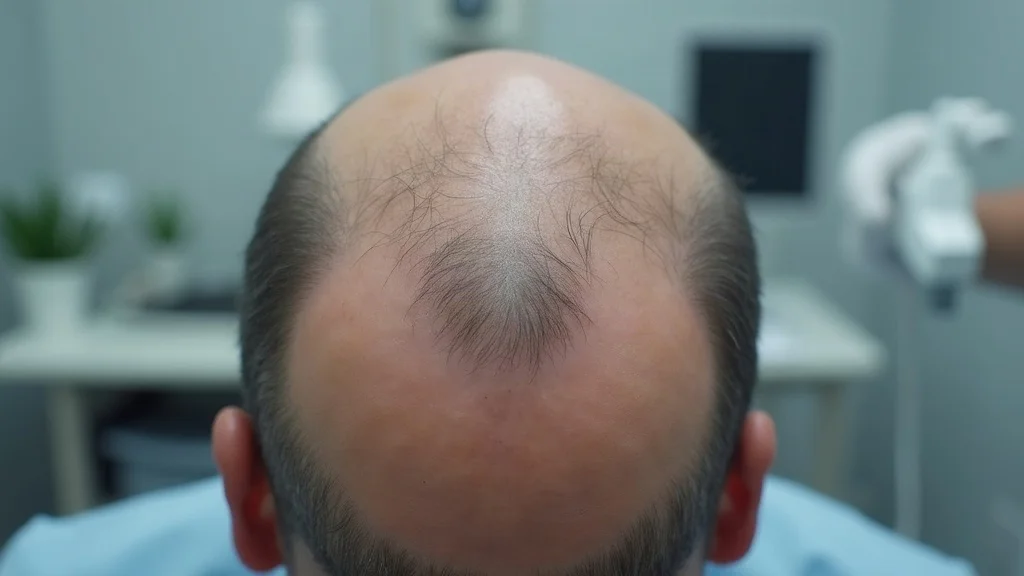
The hallmark of alopecia areata is the sudden appearance of smooth, round bald patches. These areas often measure from a dime to a quarter in size, but can be larger in some cases. Unlike male pattern hair loss, which begins as recession at the frontal hairline or thinning at the crown, alopecia areata can affect any area of the scalp or face. There is no redness, scaling, or significant discomfort—just hair falling out without warning. In some patients, tingling or mild itching may precede noticeable bald spots, but pain is not typical.
Hair loss in alopecia areata can stop and then start again, sometimes with regrowth in previous patches while new areas become affected. The rate and pattern of loss are highly individual. For some, hair regrows completely without intervention; for others, the condition progresses to larger patches or even total scalp and body hair loss (alopecia totalis or universalis). Observing these features and tracking their progression helps with classification and decisions about long term management.
Understanding the nuances between different types of hair loss is essential for effective management. For a deeper dive into the science behind autoimmune hair loss and the latest research on alopecia areata, you can explore the comprehensive resources available at Skin Science Report, which covers emerging therapies and expert insights.
Early Signs to Recognize Hair Loss Causes
Early detection can allow for timely medical assessment and, when possible, early intervention. Some warning signs include noticeably more hair in the shower drain, finding small, coin-shaped bald areas when styling hair, or noticing eyebrow or beard thinning. In children and teens, parents may spot asymmetrical hair loss after a haircut.
These hair loss causes usually do not accompany changes to skin color or texture in the affected areas. In some cases, tiny pitting or ridging appears in the fingernails, which can provide additional diagnostic clues. Early recognition supports accurate diagnosis and avoids unnecessary treatments that do not address the root cause, such as those targeting male pattern baldness or age-related thinning.
Understanding Hair Loss Causes: Genetics, Immunity, and Hormones
Hair loss causes span genetic influences, immune activity, and fluctuations in hormone levels. Each factor can play a different role depending on age, sex, and overall health status. Some people have a strong family history, pointing to genes driving male pattern baldness or female pattern thinning, while others develop alopecia areata due to immune misfires.
Recognizing which pathway is most active can help guide both diagnosis and a care plan. In the case of male pattern baldness, genetic predisposition is key, whereas autoimmune reactions drive alopecia areata. Hormonal shifts—like those after pregnancy or during menopause—can also cause significant thinning that eventually resolves. Each cause has a distinct presentation and requires a tailored approach for long term improvement.
Genetic Factors in Hair Loss and Pattern Baldness

Male pattern baldness, also called androgenetic alopecia, is largely inherited and follows a predictable classification. This process usually begins with a receding hairline at the temples, followed by thinning at the crown, and is charted with the Norwood scale. Genetic testing can sometimes help clarify the likelihood and expected pattern, especially for those with a family history of significant baldness or rapid thinning.
Not all hair loss in men is hereditary. Some causes may include underlying health issues or medication effects, but genetic pattern baldness remains the most common. In women, genetic factors also influence pattern baldness, but the thinning tends to be more diffuse, with gradual volume loss across the center of the scalp rather than recession at the temples. Early identification of family links and tracing the pattern of hair loss can inform both treatment decisions and expectations.
Autoimmune Triggers in Alopecia Areata and Hair Loss
Alopecia areata results from immune cells targeting the roots of hair follicles. While the exact trigger is not fully understood, genetic risk seems to combine with environmental stressors, viral infections, or even skin injury. Unlike male pattern hair loss, which develops steadily over the years, alopecia areata can flare up rapidly, sometimes after an illness, shock, or major life event.
Because alopecia areata represents an autoimmunity issue rather than a genetic or hormonal process, treatments often focus on calming immune responses to reduce further follicle attack. It is not contagious and does not indicate poor health; instead, it indicates a specific immune system reaction affecting hair growth only. Recognizing this difference is crucial for setting expectations for regrowth and relapse risks.
The Role of Hormones in Male Pattern and Female Pattern Hair Loss
Hormonal changes play a major role in hair thinning for both men and women. Androgens, a class of sex hormones—including testosterone—bind to receptors on hair follicles and can shrink them over time in genetically susceptible individuals. This leads to classic male pattern baldness that first appears as a recession at the frontal and crown regions. For women, hormone fluctuations related to childbirth, menopause, polycystic ovarian syndrome, or thyroid disease can all contribute to significant hair shedding or chronic pattern thinning.
The timing and speed of hair loss linked to hormones differ among individuals. For example, postpartum hair loss—a short-term shedding after pregnancy—usually resolves within several months as hormone levels stabilize. Identifying whether hormonal imbalances are driving the loss can help target reversible causes or start appropriate therapies sooner.
Pattern Baldness and the Norwood Scale: Classifying Hair Loss Causes
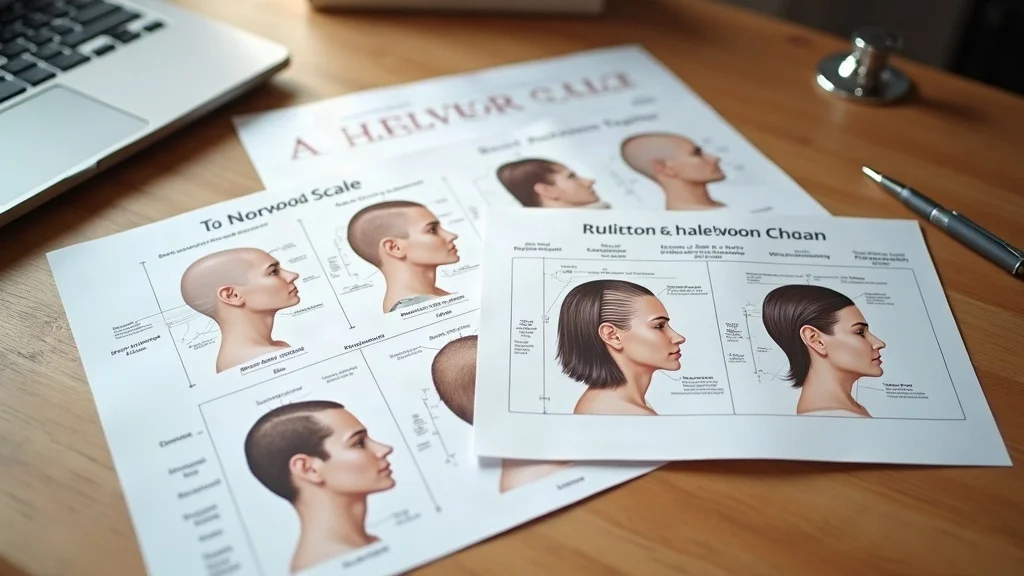
Classifying hair loss is critical for setting expectations and mapping out possible treatments. Pattern baldness, especially in men, is categorized by the Norwood scale. This classification system describes the typical progression of thinning from early corner recession to more advanced baldness involving the entire crown.
Alopecia areata, in contrast, cannot be predicted with the same system because its progression is unpredictable and often patchy. Differentiating between types—male pattern baldness, female pattern thinning, alopecia areata, or telogen effluvium—helps guide both clinical management and patient expectations. Most dermatologists use a combination of physical exam, medical history, and established classification systems to make the right diagnosis.
How Pattern Baldness Differs from Alopecia Areata
Male pattern baldness, or androgenetic alopecia, presents with a gradual, age-linked thinning that follows recognizable steps. Most begin losing hair along the temples (stage II on the Norwood scale), progressing through stages III and beyond with more visible scalp and sometimes a full horseshoe-shaped balding area. Female pattern baldness usually progresses as diffuse thinning over the crown without sharp borders or complete bald spots.
Alopecia areata, by contrast, does not follow the Norwood scale. It comes on suddenly, manifests as discrete round spots, and does not always advance despite its unpredictable nature. The underlying mechanism is immune-related in alopecia areata, while androgen hormones and genetics drive pattern baldness.
Using the Norwood Scale and Other Classification Systems
The Norwood scale helps clinicians describe male pattern baldness with seven stages, from minor front hairline recession to significant vertex and crown loss. This allows for standardized monitoring, planning interventions—such as topical therapies or considering hair transplant surgery—and predicting long term outcomes.
Other classification systems—like the Ludwig classification for women—address female pattern thinning. A clear, shared system is essential for selecting the best treatment and comparing outcomes in research and routine care. For example, hair transplant surgery is typically considered after stable pattern baldness reaches stage IV or higher on the Norwood scale but is rarely an option for active alopecia areata because of the risk of continued immune attack.
Comparison Table: Types of Hair Loss, Including Male Pattern Baldness, Alopecia Areata, and Telogen Effluvium |
||||
Type of Hair Loss |
Typical Presentation |
Main Causes |
Progression |
Treatment Options |
|---|---|---|---|---|
Male Pattern Baldness (Androgenetic Alopecia) |
Receding hairline, crown thinning, follows Norwood scale |
Genetics, androgens |
Gradual, follows recognizable stages (II to VII) |
Minoxidil, finasteride, hair transplant surgery |
Alopecia Areata |
Patchy bald spots on scalp or beard |
Autoimmune |
Unpredictable, variable; may regrow or worsen |
Corticosteroids, topical immunotherapies, JAK inhibitors |
Telogen Effluvium |
Diffuse hair shedding, sudden onset |
Stress, illness, hormonal changes |
Typically resolves within months as cause is addressed |
Observation, treat underlying cause, reassurance |
Treatment Options for Alopecia Areata: What the Evidence Says
Managing alopecia areata and other hair loss causes begins with an accurate diagnosis. There is no one-size-fits-all approach. Available treatments focus on calming the immune response, encouraging regrowth, and supporting mental health. These strategies range from proven topical treatments to emerging research on immune modulators.
Key factors in choosing therapy include the extent of hair loss, how long it has been progressing, and whether the pattern is expanding. Short-term interventions can help in the acute stage, while long-term treatment may be needed in more severe or persistent cases. Support groups and counseling are often recommended for coping with the emotional challenges of sudden, unpredictable hair loss.
Conventional Therapies: Corticosteroids, Minoxidil, Immunotherapies
First-line therapies for alopecia areata often start with topical or injected corticosteroids, which reduce immune attacks on hair follicles. These treatments have shown benefits for patchy cases, especially when started early. Topical minoxidil, more familiar for male pattern baldness, can sometimes encourage regrowth, although results are mixed in alopecia areata.
In moderate or severe cases, topical immunotherapies, such as diphencyprone or anthralin, are used under specialist care to redirect immune attention from the scalp. Systemic therapies—like oral steroids—carry more risks and are usually reserved for rapidly progressive or extensive hair loss. Treatment decisions consider the pattern, patient goals, and the likelihood of sustained benefit versus side effects, with repeated assessment to avoid overtreatment or under-treatment.
Emerging Treatments: JAK Inhibitors and Ongoing Research
Recent studies have shown promise with JAK inhibitors (Janus kinase inhibitors), a class of oral and topical immunomodulatory medications. These drugs target specific immune signals thought to drive hair loss in alopecia areata. Early clinical trials and case reports suggest significant regrowth in some patients who did not respond to standard therapies, although the optimal regimen and long term safety are still being studied.
Research is also exploring other immune reset therapies and biological drugs. These approaches aim for targeted action on immune triggers without the side effects of broad immunosuppression. Access to these treatments may be limited outside of clinical studies, but the evidence base is growing. Having these new options means more patients may find tailored solutions in the future, especially when conventional therapies are not enough.
"The science of alopecia areata is advancing rapidly, with new therapies like JAK inhibitors offering hope for long term hair regrowth in cases that used to resist standard care. Understanding the main hair loss causes remains central to selecting treatments that work. "
Hair Transplant Surgery for Hair Loss Causes in Alopecia Areata
Hair transplant surgery is a proven option for many with stable, genetic pattern hair loss. In contrast, alopecia areata poses unique challenges for this solution due to the patchy, ever-changing nature of hair loss and the risk that transplanted follicles could be attacked by the immune system just like natural ones.
Eligibility and timing for surgery depend on stable hair loss, the pattern, and the absence of active autoimmunity at the recipient site. Careful assessment by a surgeon familiar with autoimmune conditions is essential before considering this approach.
Who May Be Eligible for Hair Transplant Surgery
Ideal candidates for hair transplant surgery are those with a stable pattern of hair loss—most often male pattern baldness—that has not progressed for at least one to two years. People with advanced stages on the Norwood scale (stages IV through VII) and good donor hair at the back of the scalp may see excellent results.
For those with a history of alopecia areata, transplant surgery is generally not recommended unless the area has remained disease-free for several years. This is because the immune system could target newly transplanted follicles as easily as native ones, leading to graft failure. Each case is reviewed carefully with attention to classification system scores and long term prognosis, prioritizing both cosmetic goals and medical safety.
Limitations and Risks of Hair Transplant in Autoimmune Hair Loss
The primary limitation for those with alopecia areata is the possibility of the condition relapsing in transplanted areas, resulting in loss of the grafts or patchy results. Risks also include infection, scarring, and unsatisfactory cosmetic outcomes if the hair loss returns to previously transplanted locations.
Many surgeons will not proceed with transplant surgery unless there has been no active hair loss for at least two years and the diagnosis is confirmed. For pattern baldness, transplant surgery remains a highly effective option when performed after stable, advanced stages on the Norwood scale. Ongoing consultation with dermatologists is vital for optimal timing, particularly when combined hair loss causes are involved.
Microneedling and Other Scalp Procedures for Hair Loss Causes
Microneedling has gained attention among dermatologists as a minimally invasive way to stimulate hair regrowth. Used alone or alongside topical treatments, small needles create micro-injuries in the scalp. This is thought to boost circulation, signal follicle repair, and enhance the absorption of medications.
Evidence for microneedling is growing, especially for mild pattern hair loss and as an adjunct for other therapies. The procedure is relatively quick and can be performed in a clinic, though not everyone is a good candidate, and expectations should be managed with clinical input.
What is Microneedling for the Scalp and How It May Work
In scalp microneedling, a rolling or motorized device with fine needles is passed over areas of thinning hair or bald patches. These needles create controlled pinprick wounds in the skin, triggering growth factors and the cascade of tissue healing. Some researchers believe microneedling may help revive dormant follicles, especially when combined with topical minoxidil.
The procedure causes minimal discomfort and, when done under sterile conditions, carries low risk of infection or scarring. Using microneedling as a part of a care plan can be especially attractive to those with mild to moderate pattern baldness who are looking to avoid surgery and prefer non-systemic solutions.
Current Evidence on Scalp Microneedling and Hair Density

Small clinical studies have shown that microneedling may increase hair density or slow progression in early pattern hair loss when combined with topical treatments. Benefits appear greater for those at stage II or stage III on the Norwood scale, before extensive thinning has occurred.
Data on microneedling for alopecia areata are less robust. While the approach may be safe, the unpredictable immune involvement means results vary widely. More large-scale studies are needed to confirm the long term benefits of microneedling for diverse hair loss causes, particularly for autoimmune forms.
Postpartum Hair Loss: Temporary Hair Loss Causes After Pregnancy
Many women notice diffuse hair shedding in the weeks or months after delivering a baby. This is known as postpartum hair loss or telogen effluvium. It results from the body returning to pre-pregnancy hormone levels, causing hairs that “rested” during pregnancy to fall out in a short window.
This temporary hair loss causes no permanent damage to follicles, and nearly all individuals see slow recovery without intervention. A short period of increased shedding usually gives way to normal hair thickness within six to twelve months post-delivery.
Typical Timeline for Postpartum Hair Shedding to Stop
Postpartum hair loss usually peaks between three to four months after childbirth and typically resolves within six months. For most, new hair becomes visible within a year as hormone levels stabilize and follicle cycles reset.
Patience, gentle hair care, and supportive nutrition are the main recommendations. If hair loss persists significantly beyond one year postpartum, or if there is patchy baldness or significant thinning, a dermatology assessment may rule out additional hair loss causes.
Natural Remedies for Hair Growth and Supportive Care
Many seek at-home options for fighting hair loss causes. While natural remedies cannot cure alopecia areata or male pattern baldness, gentle supportive care can help reduce breakage, maintain scalp health, and create optimal conditions for any regrowth.
Balanced eating, supplement use, and gentle styling play a supportive role, especially for those with diffuse thinning or recovering from temporary triggers like telogen effluvium. Support from counseling or patient networks can also help manage stress and boost resilience.
Diet and Supplements: What Might Support Regrowth
A diet rich in iron, vitamin D, biotin, and zinc may support hair regrowth if a deficiency is present. Supplements should be used thoughtfully, and only after deficiencies are confirmed, as excess of certain nutrients can worsen hair shedding.
Omega-3 fatty acids, protein, and antioxidant-containing foods may also help promote scalp health. While supplements are not a cure for genetic or autoimmune hair loss causes, they support the body’s normal hair growth cycle alongside other treatments.
Topical Oils, Gentle Styling and Scalp Massage
Using natural oils, such as coconut or rosemary oil, with gentle scalp massage can promote circulation and support a healthy scalp. Avoiding harsh chemicals, tight hairstyles, and frequent heat styling helps reduce breakage.
Scalp massage, whether performed with fingertips or soft tools, may encourage blood flow, especially when combined with supportive topicals. While there’s no solid evidence these approaches reverse male pattern baldness or alopecia areata, they can improve hair texture and limit further loss from external factors.
Limitations of At-home and Natural Treatments for Hair Loss Causes

Natural remedies are safe and easy to try, but results are often subtle and limited to supporting normal hair growth. They cannot address underlying autoimmune or hormonal drivers responsible for alopecia areata or genetic pattern baldness.
Those experiencing severe, persistent, or rapidly worsening hair loss should see a specialist, as missing an early diagnosis can delay effective long term treatment and supportive care.
When to See a Dermatologist for Hair Loss Causes
Not all hair shedding signals a medical problem. But some red flags warrant prompt consultation. Early intervention can clarify the cause, offer the full range of treatments, and set expectations for recovery. Dermatologists offer specialized examination of the scalp and can distinguish between pattern baldness, alopecia areata, and other hair loss causes.
Delayed medical evaluation may limit available options. Seeking care becomes especially important when bald spots multiply, areas of complete hair loss emerge, or when associated symptoms like itching, burning, or nail changes occur.
Red Flags and Signs to Seek Medical Advice
Seek a dermatologist’s opinion if you notice patchy hair loss, rapidly widening part lines, loss of eyebrow or eyelash hair, or visible scalp inflammation. Additional signs include pain, scarring, oozing or drainage, and systemic symptoms such as weight changes or fatigue.
Persistent thinning beyond expected postpartum hair loss, or loss unresponsive to gentle styling and basic care, should also prompt assessment. Specialists can help identify treatable and reversible causes and steer away from ineffective or potentially harmful at-home treatments.
How Dermatologists Diagnose Alopecia Areata and Other Hair Loss Causes
Dermatologists diagnose hair loss with a detailed history, physical examination, and sometimes scalp biopsies or blood tests. Distinguishing between male pattern baldness, alopecia areata, and other types requires careful analysis of patterns, affected areas, nail changes, and medical background.
Classification systems, such as the Norwood scale or Ludwig grading, help anchor the diagnosis and inform treatment plans. Early, accurate diagnosis is especially valuable in autoimmune cases, as the chance for regrowth can be maximized with prompt therapy.
"Early consultation with a dermatologist improves outcomes in persistent or unexplained hair loss. Correct classification ensures more effective and less frustrating long term treatment. "
FAQ: Hair Loss Causes and Alopecia Areata
What are the treatment options for alopecia areata?
Treatment options for alopecia areata include topical or injected corticosteroids, topical immunotherapy, and, in some cases, oral medications that modulate immune response. Emerging therapies like JAK inhibitors have shown promise in recent studies. Supportive care may include counseling and management of stress, which can sometimes trigger flares.
Microneedling for Scalp: Mechanism and Results
Microneedling uses a device with fine needles to make small, controlled skin punctures on the scalp, which may stimulate hair growth by triggering healing and improving absorption of topicals. Early data suggest it enhances results for pattern baldness, especially when combined with topical minoxidil, but results in alopecia areata vary.
When does postpartum hair loss stop for most people?
Most postpartum hair loss ends within six months after childbirth. While hair shedding is common during this period, regrowth usually begins as hormone levels stabilize. If shedding continues beyond a year or is patchy, medical evaluation can rule out other causes.
What are some natural remedies for hair growth?
Natural remedies for hair growth include eating a balanced diet, using gentle scalp massage with natural oils, and minimizing harsh treatments or hairstyles. These approaches support overall scalp health but do not cure genetic or autoimmune hair loss. Consulting a specialist is needed for persistent or severe cases.
Key Facts on Hair Loss Causes in Alopecia Areata
Alopecia areata is an autoimmune hair loss condition distinguished from genetic pattern baldness.
Treatment options are varied, ranging from topical steroids to immune modulators and lifestyle support.
Early diagnosis and tailored care are recommended. Medical review is important when hair loss progresses or is severe.
Sources and Further Reading on Hair Loss Causes
References to dermatology journals, clinical guidelines and expert statements.
Seek professional advice when hair loss is sudden, persistent, or worsening. Early assessment and tailored care increase the chances for regrowth and satisfaction with treatment.
If you’re interested in expanding your understanding of skin health beyond hair loss, Skin Science Report offers a wealth of expert-driven articles on dermatological science, skincare innovations, and holistic wellness. Whether you’re seeking advanced strategies for managing chronic skin conditions or want to stay informed about the latest breakthroughs in dermatology, their platform provides actionable insights and in-depth analysis. Take your next step toward healthier skin and greater confidence by exploring the broader landscape of skin science and care at Skin Science Report.


Write A Comment