
By Skin Science Report Staff, [publish date]
Reach for a cleanser or moisturizer in any pharmacy aisle and you’ll see labels with “dermatologist recommended” in bold letters. But what does that label really mean? Many people struggle to separate marketing claims from science-based advice. Understanding which skin care products dermatologists recommend, and why, helps support your skin’s health and avoids unnecessary irritation. This article explains what goes into these recommendations, what evidence supports common products, and what you need to know about the skin barrier—your skin’s built-in shield.
Quick guide: What you'll learn about skin care products dermatologist recommended
- Which types of skin care products dermatologists recommend and why
- How the skin barrier works, and why it matters for product selection
- What evidence supports key dermatologist-recommended skincare products
- What to know about mainstream claims and uncertain science
- Trusted sources and when to consult a dermatologist
Direct answer: Skin care products dermatologist recommended
Dermatologists tend to recommend fragrance-free cleansers, broad-spectrum sunscreens, moisturizers with ceramides, retinoids, and products supporting the skin barrier. Evidence for each varies, and any routine should be tailored to skin needs.
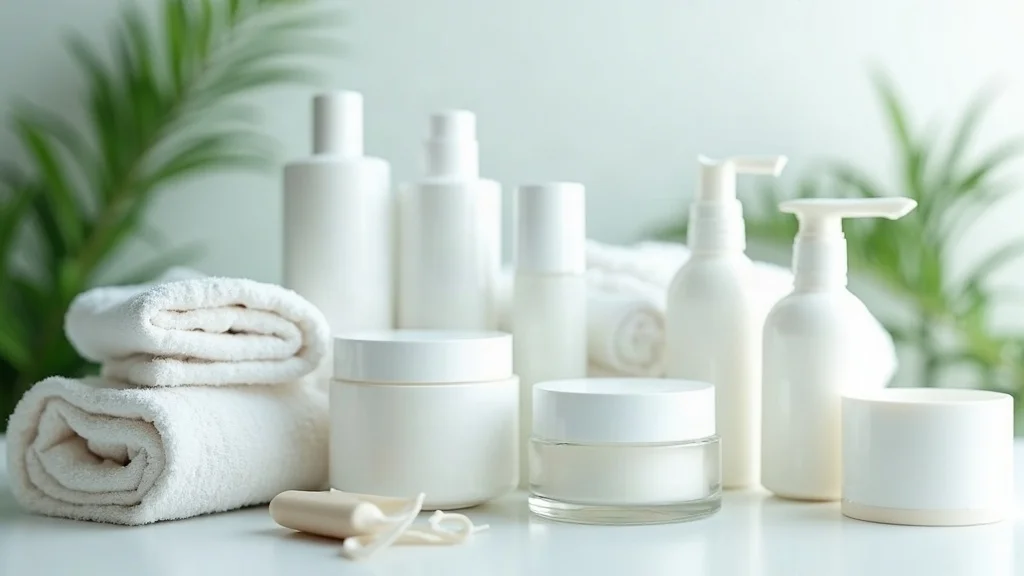
What does it mean for skin care products to be dermatologist recommended?
How dermatologists select and assess skincare product safety
Before a skincare product earns a dermatologist recommendation, it is typically reviewed for safety, effectiveness, and its impact on the skin barrier. Dermatologists often evaluate ingredient lists for common irritants, potential allergens, and evidence-based actives. Products designed for sensitive or dry skin are favored when they have minimal fragrances and avoid harsh chemicals that might disrupt the outermost layer of skin, also called the stratum corneum. Dermatologists also consider whether a product is non-comedogenic (meaning it doesn’t clog pores) and whether it helps protect your skin from environmental factors like sun exposure, which can impact the skin barrier and deeper layers. Professional societies may issue guidelines, but recommendations change as new research emerges.
The importance of the skin barrier in making recommendations
Product recommendations frequently revolve around how well a formula supports or restores the skin barrier. The skin barrier acts as your body’s first defense against harmful to your skin elements, blocking excessive water loss and shielding internal organs from pathogens. When the skin barrier is damaged by harsh chemicals, chronic skin conditions, or lifestyle factors, skin often becomes dry, irritated, and susceptible to further problems. Dermatologists select products that avoid barrier damage and may advise against popular formulas if they contain ingredients that disrupt the stratum corneum.
Explaining the stratum corneum and its role in product effectiveness
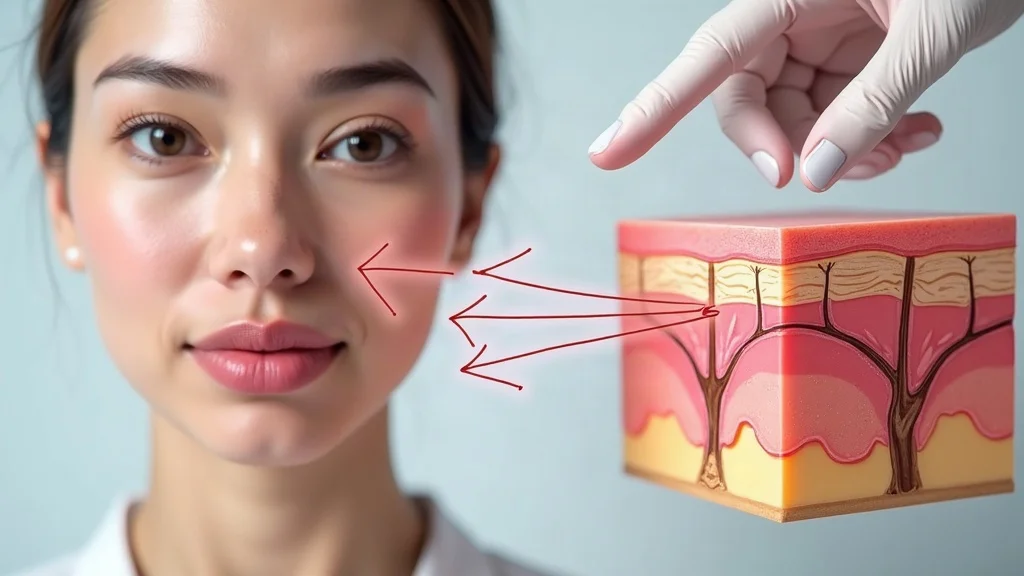
The stratum corneum is the skin’s outermost cell layer, critically important for maintaining moisture balance and protecting deeper layers of skin. As skin naturally sheds the cells at the surface, this layer acts like a protective wall. Effective skin care products recommended by dermatologists often focus on strengthening this barrier. When the stratum corneum is intact, it can resist environmental factors, limit barrier to ensure optimal skin health, and prevent premature signs of natural aging. If this layer is compromised, everything—from dry skin to breakouts—can become more likely.
For those interested in the foundational steps of a dermatologist-approved routine, understanding the essentials of a basic skincare routine recommended by dermatologists can help you build a regimen that supports your skin barrier and addresses your unique needs.
How skin barrier health guides product recommendations
Key functions of the skin barrier and their relevance to skin care
Your skin barrier is a complex structure formed primarily by the stratum corneum. Its key functions include minimizing water loss, shielding from harmful microorganisms, and limiting entry of irritants. When the skin barrier is working well, it regulates hydration and protects deeper layers of skin from environmental factors. Products that protect your skin barrier, like fragrance-free moisturizers and gentle cleansers, help maintain these functions; they are especially important for those at risk of barrier damage caused by environmental stress, laundry detergent, or inappropriate skincare products. Factors that affect the skin barrier include genetics, sun exposure, use of harsh care ingredients, and underlying skin conditions.
Signs your skin barrier may be compromised
A compromised barrier might show up as dry skin, redness, increased sensitivity, or flaking. People with chronic skin conditions or those who use harsh chemicals may find their skin more susceptible to becoming damaged. Other signs include persistent irritation, itching, and difficulty tolerating products. If your skin reacts this way, the outermost layer may be failing to do its job, allowing more irritants to reach the deeper layers. Professional evaluation is valuable when these symptoms continue despite changes in routine or product choices.
Ingredients commonly recommended to support the skin barrier
Dermatologists often point to ingredients that help restore or reinforce the stratum corneum. Ceramides (fatty molecules found naturally in skin), glycerin, hyaluronic acid, and petrolatum top the list. These help lock in moisture and limit barrier to ensure good skin health. Products with minimal fragrance and irritant-free formulas serve people of all ages, including young skin and those prone to dry skin or barrier damage. Non-comedogenic formulations reduce the risk of clogged pores, while antioxidant ingredients may support recovery from environmental factors.
Categories of skin care products dermatologist recommended
Cleansers: Gentle cleaning without stripping the skin
Dermatologist-recommended cleansers are generally fragrance-free and gentle enough not to disrupt the skin barrier. Look for formulas that avoid sulfates and other common irritants, since over-washing or harsh surfactants can dry out the skin and cause more barrier damage. Cleansers designed for sensitive skin clean away dirt, oil, and pollutants without stripping away healthy oils. This approach limits irritation and helps people with various skin types, especially those susceptible to dry skin, keep their stratum corneum intact. Choose a product with minimal foaming agents and a pH close to that of natural skin.
Moisturizers: What to look for, including ceramides and humectants
Moisturizers help preserve skin barrier health by replacing moisture and supporting the stratum corneum. Dermatologists often recommend products containing ceramides, glycerin, or hyaluronic acid, which serve as humectants (drawing water into the skin) or emollients (smoothing the surface). These ingredients maintain hydration and support routine barrier repair, which is especially helpful for people prone to dry skin, barrier damage, or natural aging. A good moisturizer is fragrance-free, contains proven care ingredients, and is safe for daily use on young skin or more mature types. For very dry or sensitive skin, look for formulas labeled 'hypoallergenic' or 'for sensitive skin'.
Sunscreens: Why broad-spectrum matters for every skin type
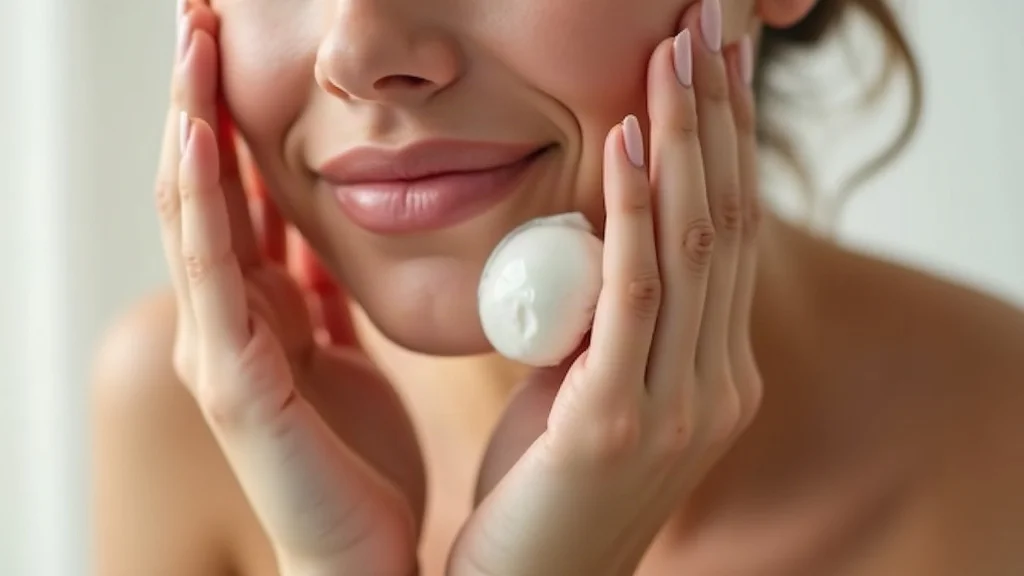
Sunscreens are among the most widely recommended skin care products by dermatologists. They play a critical role in protecting the skin barrier and deeper layers against damage from sun exposure. Broad-spectrum sunscreens shield against both UVA and UVB rays, limiting accumulated damage that can weaken the outermost layer, accelerate natural aging, and contribute to chronic skin conditions such as hyperpigmentation or certain types of skin cancer. People of every skin tone and type benefit from daily sunscreen use, whether they spend time outdoors or near a window. Non-comedogenic, fragrance-free options offer additional safety for those with sensitive or acne-prone skin.
Retinoids and exfoliants in dermatologist recommendations
Retinoids—derived from vitamin A—are ingredients commonly found in dermatologist-recommended products targeting aging, acne, or uneven skin texture. These compounds encourage cell turnover, helping skin sheds the cells from the stratum corneum while boosting new growth. While retinoids can be highly effective, they also increase sensitivity and should usually be introduced gradually to avoid irritation or barrier damage. Exfoliants, including alpha hydroxy acids (AHAs) and beta hydroxy acids (BHAs), also help remove dead surface cells but carry similar risks if overused. Dermatologists often advise starting with low concentrations and monitoring for warning signs like increased redness, dry skin, or stinging.
Products for specific needs: sensitive skin, acne, and aging
Not all skin care products dermatologist recommended work for every person. For sensitive or reactive skin, fragrance-free, hypoallergenic moisturizers and cleansers are safest. People with acne should look for formulas with benzoyl peroxide or salicylic acid and avoid heavy, pore-clogging creams. For aging concerns, dermatologists may recommend retinoids and antioxidants, along with barrier-supporting moisturizers. Matching products to a person’s specific skin condition, risk factors (such as sun exposure or chronic irritation), and age helps protect your skin while supporting long-term health.
Supporting evidence for dermatologist-recommended skincare product efficacy
What clinical studies and trials have found
Research in dermatology journals and guidelines from leading skin care organizations confirm that ingredients like ceramides, glycerin, and hyaluronic acid help repair and protect the skin barrier. Randomized clinical trials show that these products improve hydration, reduce irritation, and help maintain a healthy stratum corneum in people with dry skin and eczema. Sunscreens protect against sun damage and reduce risk for photoaging, confirmed by observational studies and long-term follow-up across skin types. While some evidence comes from smaller studies, these core recommendations remain consistent across dermatology societies and peer-reviewed sources.
Limitations and gaps: what science does not yet confirm
Despite many studies, science still has gaps. Not every product branded “dermatologist recommended” is tested in independent trials. Ingredient combinations, concentrations, and individual differences in skin condition mean effects can vary. Some claims in the skin care market, such as “anti-aging” or “skin barrier repair,” are based on short-term laboratory studies, not long-term human trials. Dermatologists and professional guidelines update recommendations as more is learned, but consumers should be mindful of how marketing can exceed what is truly confirmed.
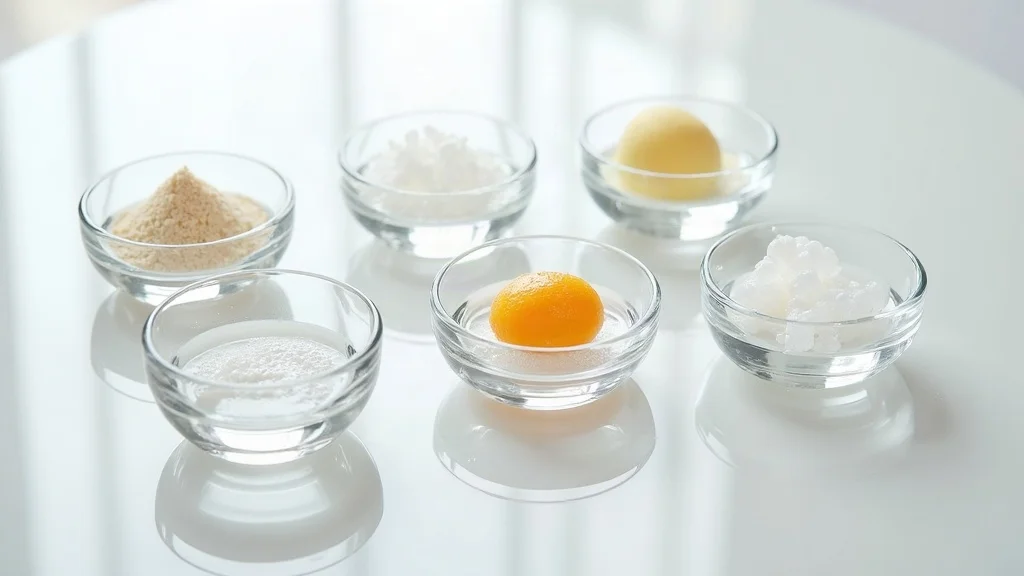
Comparing ingredients: a closer look at skin care product components
| Ingredient Type | Main Function | Common Examples | Role in Skin Barrier Support |
|---|---|---|---|
| Humectants | Draw moisture into skin from air/deeper layers | Glycerin, hyaluronic acid | Increase hydration of stratum corneum |
| Occlusives | Seal moisture in by forming a barrier on surface | Petrolatum, dimethicone | Reduce water loss, protect against environmental factors |
| Emollients | Smooth and soften skin’s outermost layer | Ceramides, shea butter | Help repair and restore skin barrier function |
| Actives | Deliver specific effects (exfoliate, treat acne, boost turnover) | Retinoids, alpha/beta hydroxy acids | Encourage healthy cell layer turnover; must be balanced to avoid barrier damage |
People also ask: Common questions about dermatologist-recommended skincare products
What is the #1 dermatologist-recommended skincare brand?
Brands are not universally ranked by dermatologists, and recommendations depend on ingredients and individual skin needs. Major professional societies and clinicians may comment on certain brands that meet safety and efficacy criteria, but there is no industry-wide #1 brand.
What is the best skincare brand recommended by dermatologists?
Dermatologists generally avoid labeling a single “best” skincare brand. Instead, they favor products with established ingredients and proven benefit, often highlighting fragrance-free, non-comedogenic formulations tailored to the individual.
What do dermatologists actually recommend for skincare?
Common recommendations include using a gentle cleanser, moisturizer with ceramides or hyaluronic acid, broad-spectrum sunscreen, and, for some, retinoids. Recommendations are adapted for individual skin type and concern.
What are the best dermatologist-recommended products?
Options include gentle cleansers, mineral and chemical sunscreens, and moisturizers focused on restoring the skin barrier. The specific ‘best’ product is matched to a person’s unique skin needs and medical history.
Quotes from dermatology experts on skin care products dermatologist recommended
“Skin care choices should focus on supporting the skin barrier and using evidence-based ingredients.” — Board-certified dermatologist, as reported in a leading dermatology journal
How to assess claims for skincare products and avoid common misconceptions
Reading product labels and understanding common terminology
Product labels often include complex-sounding ingredients and claims. Understanding basics like “non-comedogenic” (won’t clog pores), “hypoallergenic” (lower risk of causing allergies), and “broad-spectrum” (protection against both UVA and UVB rays) can help. Ingredient lists are arranged by concentration; look for actives like ceramides or glycerin in the first few ingredients. Brands may use terms like “natural” or “organic”, but these lack specific regulatory meaning in the U. S. For people with sensitive or dry skin, focus on minimal, fragrance-free formulas for best support of the skin barrier.
Red flags: marketing claims versus clinical evidence
Some common marketing tactics—such as promising quick fixes, claims of “miracle” results, or promoting “anti-aging” without evidence—do not reflect clinical consensus. Evidence-backed recommendations are more nuanced; they focus on what benefits are likely for most users and what remains unproven. If a claim sounds too good to be true, or if multiple clinical trials are lacking, approach with skepticism. Consulting a dermatologist is the best way to cut through marketing noise and find options that match your skin’s unique needs.
When to seek dermatologist advice about skin care products
Reactions or persistent concerns: when to consult a professional
If you experience ongoing irritation, allergic reactions, or signs that your skin barrier may be compromised—like persistent redness, itching, or unusual breakouts—it is time to consult a dermatologist. They can evaluate for underlying conditions, recommend specific treatments, and adjust routines to protect your skin barrier. People with chronic skin conditions like eczema, psoriasis, or severe acne benefit from professional input before trying new over-the-counter products, especially active ingredients or complex routines.
How to bring up skin care product use with your dermatologist
Bring a list of your current products—ideally with ingredient lists or packaging. Share details on your typical routine and alert your dermatologist to any new symptoms or changes since using a product. Open conversations about ingredients you are unsure of, especially those in “dermatologist recommended” or trending brands. Dermatologists can clarify what science supports, suggest alternatives, or help develop a safe, effective plan tailored to your needs.
Key points about skin care products dermatologist recommended
- Skin barrier health is a top priority in most dermatologist product recommendations
- Fragrance-free, gentle formulas are preferred for most skin types
- There is no universally "best" product—routine should fit the individual
- Consulting a dermatologist can help address personal skin concerns and select products safely
- Scientific evidence supports many common recommendations, but gaps remain
FAQs about skin care products dermatologist recommended
Are natural or organic skincare products better according to dermatologists?
Dermatologists focus on safety and efficacy rather than marketing terms like “natural” or “organic. ” Ingredient profile and evidence are more important.
Can you use dermatologist-recommended products with sensitive skin?
Yes, many products recommended by dermatologists are formulated for sensitivity. Check for fragrance-free, hypoallergenic options.
Are there risks with over-the-counter dermatologist-recommended products?
Most are safe when used as directed; some actives like retinoids may cause irritation if not introduced gradually.
How long does it take to see results from a dermatologist-recommended skincare routine?
Visible changes can take weeks to months, depending on the person and the specific products used.
References and further reading
- American Academy of Dermatology
- Peer-reviewed journals on dermatology and skin care science
- National Institutes of Health (NIH) resources on skin barrier research

This article is for general information and is not medical advice. Talk with a qualified healthcare professional about your own skin.
If you’re ready to take your skin health to the next level, consider exploring the science behind how your daily habits, environment, and product choices interact. Our in-depth guide on advanced strategies for protecting your skin barrier offers expert insights and actionable tips for those seeking to optimize their routine beyond the basics. Whether you’re managing sensitive skin, combating environmental stressors, or simply aiming for long-term resilience, these advanced approaches can help you make informed decisions for lasting skin wellness. Dive deeper to discover how small changes can yield significant results for your skin’s future.



Write A Comment