
Walking down the skincare aisle, one thing is hard to miss: Korean skincare products with their bright packaging, promise of a smoother look, and step-by-step routines. What draws so many people to Korean skincare, sometimes called K-beauty, and how well does it deliver on its claims of better skin health? This explainer looks at where Korean skincare routines stand out, the ingredients that set them apart, and what research and dermatologists say about results and risks.
What you will learn in this Korean skincare explainer
- How the Korean skincare approach differs from Western routines
- Which ingredients and habits shape Korean skincare
- What research and dermatologists say about Korean skincare
- How to consider skin type and concerns when choosing Korean skincare products
Korean skincare: why it gets global attention
Interest in Korean skincare has grown beyond South Korea, attracting people looking for new ways to care for their skin. The reasons are varied, but most center around a reputation for gentle, layered products and a routine that puts prevention first. Korean skincare brands focus on supporting the skin barrier, which is the outermost layer of the skin and key for keeping moisture in and irritants out. Many of their skincare product lines feature innovative formulas and textures not always found in Western products.
Observers in skincare clinics have reported that consumers trying Korean skincare routines often say their skin feels more comfortable or looks more even. Dermatologists note that Korean skincare’s layering method—applying products in a set sequence, often from lightest to richest—can help people address different skin concerns at once. Still, these routines can be time-consuming and may not be necessary for everyone. The appeal of "skin-first" habits and unique active ingredients continues to influence beauty products worldwide.
Observations from clinics and consumers
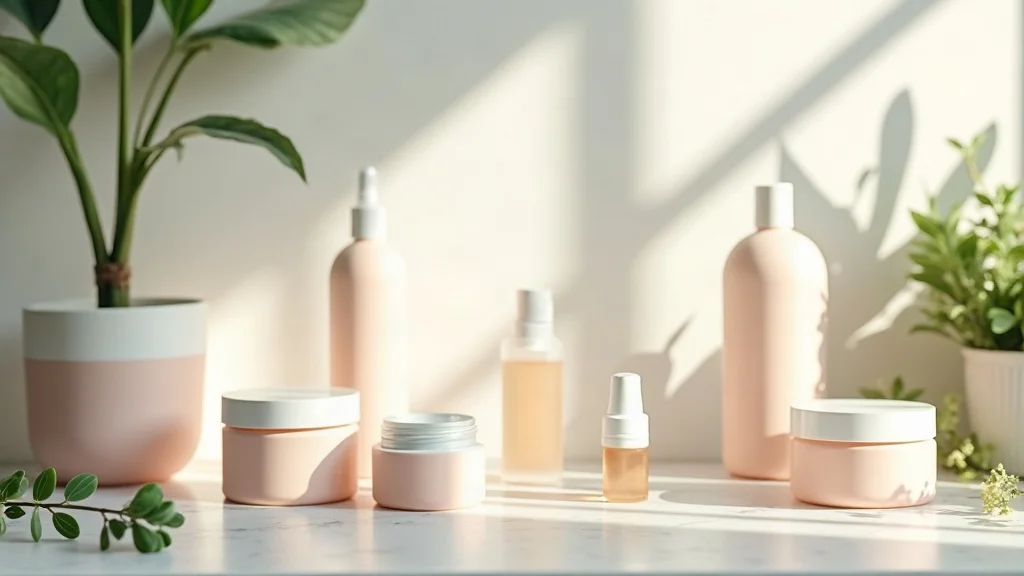
Korean skin care has reached beyond its origins through social media, direct-to-consumer online retailers and recommendations in dermatology clinics. People who switch to a Korean skincare routine sometimes report less dryness, easier makeup application, and fewer irritation reactions, especially when using products suitable for sensitive or combination skin types. Clinic staff often mention that clients attracted to K-beauty routines appreciate their customizability. Some consumers say they like being able to choose individual care products to match a specific skin concern—such as dryness, uneven tone, or renewed sensitivity—rather than relying on a single multi-use lotion or cream. There’s also increased interest in trial sizes and product sets that make it easier to test what works before committing to a full-size product.
That said, not everyone notices big changes, and there are cases where layering too many Korean skincare products leads to mild breakouts or irritation, particularly for those with sensitive skin or known allergies. This mix of outcomes points to the importance of careful product selection, honest ingredient labeling, and paying attention to how skin responds over time. Ultimately, consumers are looking for a balance between routine, results, and price point when it comes to both Korean and Western skin care options.
Korean skin and the skincare philosophy
The approach to skin care in South Korea is shaped by health traditions as well as modern research. Korean skin care routines often focus on prevention—preserving the skin barrier, maintaining even hydration, and using ingredients that aim to reduce irritation over time. There is a cultural value on clear, comfortable skin, but the products and routines are designed for a range of skin concerns, including dry skin, oily or combination skin types, uneven tone, and increased sensitivity. Products like cushion compacts and lightweight essences are popular for their usability and comfortable textures.
Korean skincare brands tend to encourage gentle reinforcement instead of “quick fix” treatments. Layering is central: products are used in a careful order, each step delivering targeted ingredients or texture. This layering trend is seen as a way to address multiple skin concerns at once while maintaining or strengthening the skin barrier, setting Korean skincare apart from more streamlined or targeted approaches found elsewhere.
What is Korean skincare? Core ideas and products
Korean skincare refers to the set of practices and products developed and popularized by South Korea’s beauty industry. Its most well-known feature is the multi-step routine, sometimes called the “10-step Korean skin care regimen,” though many people adapt it for their own skin type and schedule. The main idea is gentle care and gradual improvement through consistent use of particular skincare products. This flexible philosophy has grown to include both traditional ingredients and contemporary formulations.
Layering and the Korean skincare routine
Layering is a defining feature of a Korean skincare routine. The typical order starts with double cleansing—first with an oil cleanser to remove makeup and sunscreen, then with a gentle water-based cleanser. Next, a toner prepares the skin, followed by an essence that adds hydration and helps the next steps absorb better. Serums and ampoules bring targeted ingredients for issues like uneven tone or dryness, and a moisturizer locks it all in. Lastly, sunscreen is applied in the morning. Using masks and gentle exfoliants is also common, but not always daily. This order and gentle layering is designed to address multiple issues without harshness. How many steps a person needs can depend on their skin type or concern, with trial size sets often helping new users find what works best.
Most Korean skincare routines are tailored rather than strictly “10-step. ” People adapt steps and products based on sensitive skin, combination skin, or specific goals. This flexibility is part of why Korean skincare product lines are considered accessible—even in Western markets. The emphasis is on regular habit and the use of active ingredients at moderate concentrations. Dermatologists sometimes note that the time spent on layering may improve how skin responds to ingredients simply by supporting greater consistency.
For those interested in the practical side of building a routine, understanding how to layer skincare products effectively can help maximize the benefits of each step and minimize the risk of irritation, especially when adapting Korean skincare methods to your daily regimen.
Common Korean skincare products and their functions
- Cleansers, toners, essences, serums, creams
- Uses for masks, sunscreen, and exfoliants in Korean skincare
Cleansers are often gentle and remove dirt without stripping natural oils. Toners in Korean routines are less harsh than some Western varieties, focusing on hydration rather than simply astringency. Essences and serums are key for delivering active ingredients—these can include traditional natural extracts or newer compounds. Creams add moisture and help reinforce the skin barrier.
Masks—especially sheet masks—are used for an added concentration of hydration or specific benefits. Sunscreen is heavily emphasized as a daily step, with many Korean products offering broad-spectrum coverage and lightweight feel, supporting daily wear even for sensitive skin. Gentle exfoliants, which may use enzymes or mild acids as opposed to coarse scrubs, are used to help remove dead skin cells and support an even skin texture. Product choices often depend on skin type, concern, and how skin responds after patch testing.
How Korean skincare differs from other skin care routines
Korean skincare stands apart from typical Western routines not just in number of steps but in product philosophy and texture. Where some Western routines target issues like acne or dry skin using high-concentration actives, Korean skincare often relies on layering lighter, complementary products aimed at building and maintaining the skin’s protective barrier. The order, texture, and goals of Korean skincare routines are tailored for gradual improvement rather than immediate, dramatic changes.
Key differences in product texture, order and goals
Korean skin care often prefers watery or gel-like textures that absorb quickly and allow multiple product layers without feeling heavy. This helps address combination or sensitive skin types that become overwhelmed by single, thick creams. The routine usually starts with the lightest, most fluid products and moves to heavier creams. The goal leans toward gentle hydration, barrier support, and prevention, not just treating a single concern. This stands in contrast to many Western skin care products that focus on “all-in-one” solutions or simple three-step routines.
The order in a Korean skincare routine is designed so each product supports the next: lighter, watery toners and essences help active serums absorb, while an occlusive cream or sleeping mask at the end locks everything in for dry skin or stronger protection. This approach can reduce irritation for those with sensitive skin, as the gradual layering may decrease the risk of overuse of harsh actives.
Holistic versus targeted care products
Many Korean skincare products take a more “all-over” or holistic approach, seeking to maintain skin health across the face rather than address one problem at a time. Masks and essences may combine multiple plant extracts or fermented ingredients thought to soothe, brighten, or support the skin barrier. Comparison studies suggest that while some targeted Western treatments like retinoids or spot treatments are effective for specific conditions (like acne), the gentle, layered method of Korean routines tends to be easier for people with sensitive or irritation-prone skin.
People with multiple skin concerns, such as combination skin or sporadic dryness, often find that the flexibility of Korean skincare makes it easier to adjust products as needs change. However, those hoping for rapid change, especially for issues like persistent acne or pigmentation, may find that the slower, layering-based care routine requires patience and realistic expectations.
Role of innovation in South Korean skincare products
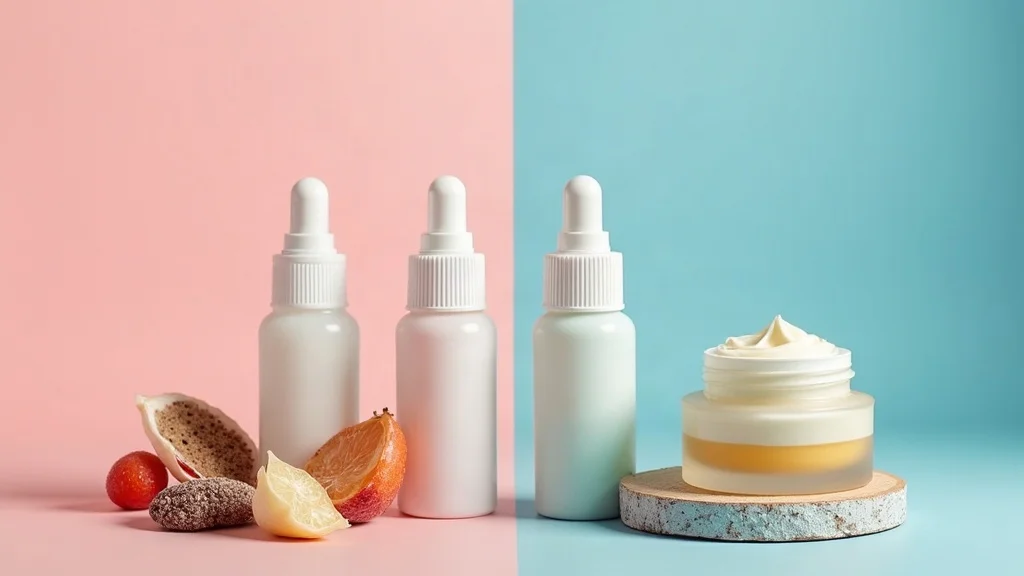
Innovation is a notable feature in many South Korean skin care lines. This does not only refer to new product releases but also to the use of ingredients such as fermented extracts, snail mucin, or centella asiatica (often called cica), which have gained international attention. Many Korean brands emphasize “clean” formulations and the use of gentle preservatives to reduce irritation. The approach to research, packaging, and even “trial size” offerings makes it appealing for people who want to test several types of products before settling into a routine.
In addition to new ingredient trends, product packaging and texture innovations—like airless pumps, cushion compacts, and ultra-thin sheet masks—make application easier and support skin hygiene. South Korean brands invest significant resources into research and development, a reason they are seen as leaders in global beauty markets. The ongoing search for gentler, more effective active ingredients supports a diverse range of skin care needs and skin types across age groups.
What research says about Korean skincare ingredients
Interest in the possible benefits of Korean skincare products has grown in clinical circles, but structured trials are still limited outside East Asia. Many of the active ingredients, such as snail mucin or centella asiatica, have been studied in small clinical trials for their effect on hydration, skin barrier repair, or irritation. Most research has focused on tolerability and mild improvement in skin texture, especially when used as supportive care alongside established treatments for concerns like acne and hyperpigmentation. Yet, dermatologists remain cautious about overselling these benefits, as not all ingredients have large-scale clinical backing.
Specific ingredients found in Korean skincare products
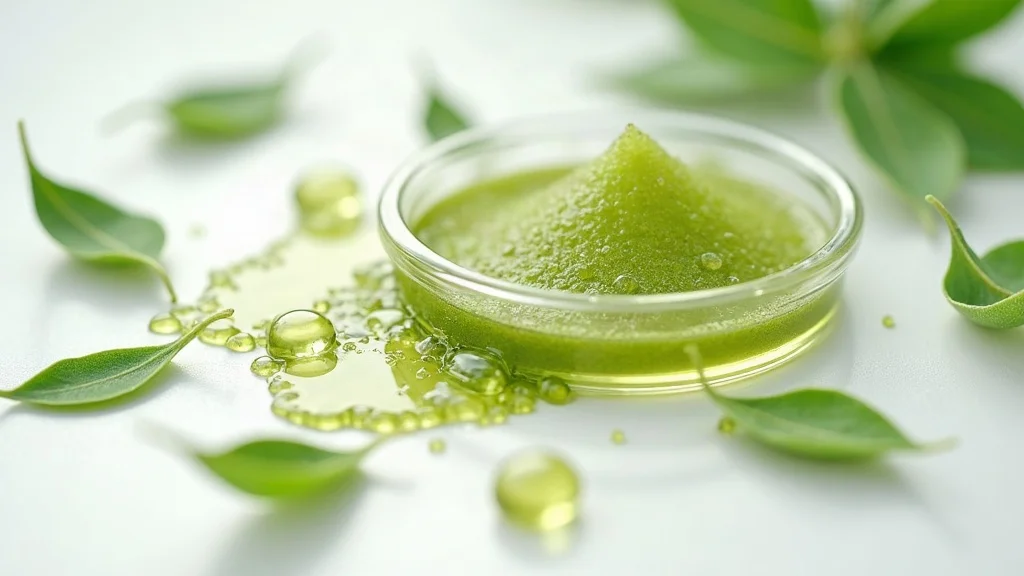
Common active ingredients in Korean skincare products include: Green tea extract, which is rich in antioxidants; Snail mucin, prized for its slippery texture and hydrating properties; Centella asiatica, a plant extract also known as "tiger grass" thought to soothe the skin barrier; Fermented ingredients, which may improve absorption and are often used for their potential skin-brightening effects. Other traditional Korean botanicals make their way into many formulations, such as licorice root, rice extracts, and mushroom ferment filtrate, all aimed at addressing common skin concerns gently.
Some of these active ingredients have shown mild benefits for hydration or irritation in small studies, and many Korean skincare products are formulated without alcohol or high concentrations of strong acids to reduce risk for sensitive skin. However, experts caution that the presence of a trendy ingredient does not always guarantee result; formulation and concentration matter, and not all claims are supported by strong clinical evidence.
Clinical evidence and limits for Korean skincare benefits
Research on Korean skin care products is growing, but much of it still comes from small, industry-sponsored studies. Some randomized trials and consumer surveys have found that Korean skincare products, especially those with fermented extracts or centella asiatica, may help support the skin barrier and reduce mild irritation in people with dry or sensitive skin. However, many dermatologists point out that evidence is inconsistent, and there are few large-scale studies on long-term effects for specific concerns such as acne or pigmentation.
Where Korean skincare routines stand out is in their focus on daily prevention, gentle layering, and maintaining skin comfort. Most published trials agree that any benefit depends on personal skin type, frequency of use, and individual response to ingredients. More independent studies outside of South Korea are needed before broad claims can be made about the effectiveness of these routines on all skin types. In summary: Korean skincare products often have high tolerability and innovative formulas, but strong scientific support for all claims is still limited.
"Many ingredients popularized by Korean skincare routines show promise for improving skin barrier function, but results can vary from person to person." — Dermatology journal statement
How to build a Korean skincare routine for your skin type
Selecting the right products for a Korean skincare routine starts with understanding your skin type and concerns. Sensitive skin may benefit from fragrance-free options and minimalist layering, while dry skin types can lean into thicker creams and hydrating essences. Oily or combination skin might respond better to lightweight serums and gel-based creams. Real-world recommendations stress trying “trial size” kits or one new product at a time, watching closely for any change in skin texture or reaction.
Ways to select Korean skincare products based on skin concerns
- Common skin types: oily, dry, combination, sensitive
For oily skin, look for water-based toners and lightweight moisturizers, with occasional clay masks to help with excess oil without over-drying. Dry skin types can benefit from hydrating essences, creams with ceramides, and overnight sleeping masks. Combination skin may do best with targeted serums for the T-zone and richer creams elsewhere. Sensitive skin, which is prone to redness or stinging, should start with gentle cleansers and soothing ingredients such as centella asiatica or panthenol.
A smart approach is to introduce one product at a time, patch test, and keep routines simple at first. Korean products often label their intended skin type clearly, but translation and ingredient differences can sometimes cause confusion for U. S. consumers. Dermatologists recommend following ingredient lists and monitoring for any signs of irritation, regardless of trend or product claims. This helps reduce risk for skin types that are more easily irritated or those trying Korean skincare for the first time.
Tips for layering Korean skin care products
Layering starts after cleansing. Apply toners and watery essences first for quick absorption, followed by serums and ampoules targeted for a specific concern such as uneven tone. Moisturizers come next, with sunscreen as the final step during the day. At night, some people finish with an overnight mask for extra comfort. The order helps maximize the potential of each ingredient and reduces the risk of irritation by diluting stronger actives through gentle layering.
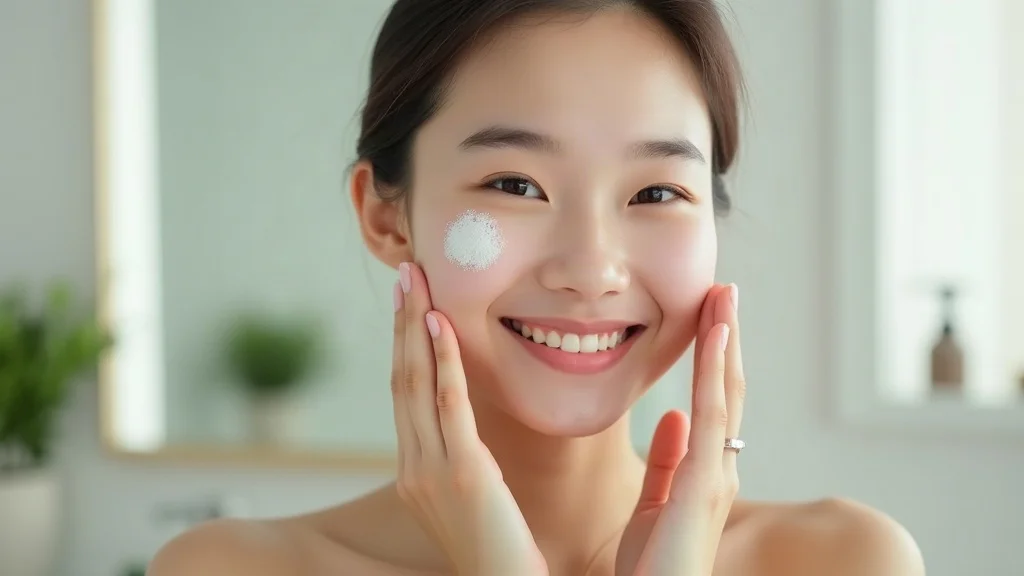
For sensitive or allergy-prone skin, keep the number of products low and avoid harsh exfoliants or heavily fragranced creams. With consistent use and smart adjustments based on skin’s response, a Korean skincare routine can be personalized for nearly any skin type—though clinical data on its effectiveness remains mixed.
Popular Korean skincare products and trends
Trends in Korean skincare shift rapidly, often driven by consumer feedback, ingredient research, and beauty product launches in South Korea. Some ingredients—like snail mucin or fermented extracts—have become so popular they are now household names in U. S. beauty stores. Product categories such as essences, ampoules (highly concentrated serums), and cushion compacts for foundation and sunscreen application are especially associated with Korean skin care.
Recent trends in Korean skin care
- Ingredients like snail mucin, Centella asiatica, fermented extracts
- Product categories: essences, ampoules, cushion compacts
Fermentation is a rising trend, with some research suggesting fermented ingredients penetrate the skin more easily and may soothe mild irritation. Sheet masks remain popular for quick hydration and relaxation, while gel-cream moisturizers appeal to all ages and skin types. Lightweight, daily-use sunscreens with hybrid or mineral filters are another strong focus, and are credited for high sunscreen compliance among Korean skincare users.
Korean beauty products frequently appear in "most-discussed" lists, but experts advise consumers to try small quantities or trial sizes, particularly with trending ingredients if they have sensitive or reactive skin.
Comparing Korean skincare brands and products in the US market
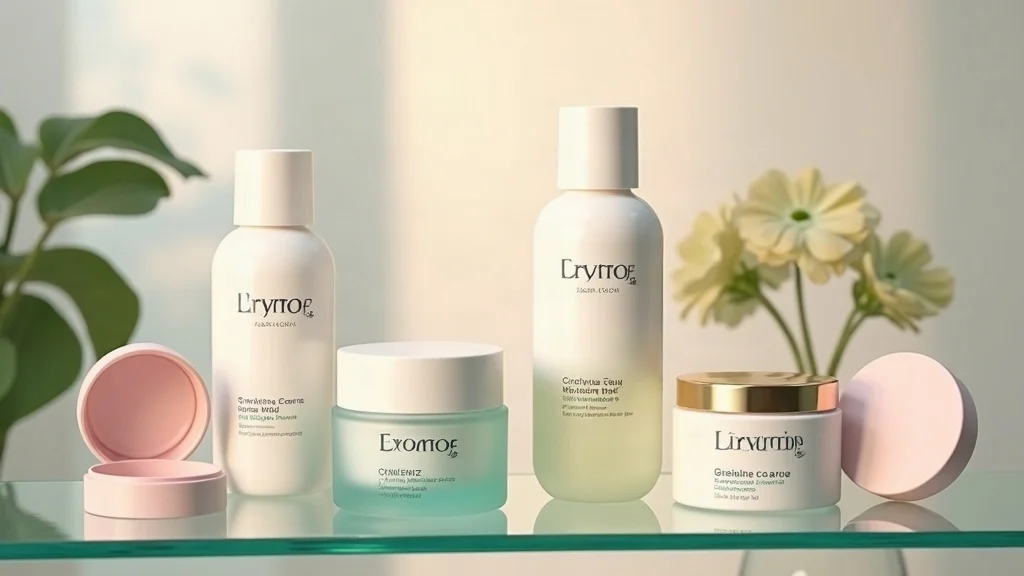
Many Korean brands have become available to U. S. consumers through online retailers and specialty stores. The variety now ranges from traditional herbal formulas to ultra-modern serums and creams. When comparing products, focus on intended skin type, texture, and active ingredients—instead of relying solely on brand reputation. Some products highlight clinical results, but always check the ingredient label and consider your own skin care needs when making a choice.
Table: Korean skin care brands, product types, key ingredients
| Brand | Star Product | Main Ingredient | Intended Skin Type |
|---|---|---|---|
| Brand A | Hydrating Essence | Fermented yeast extract | Dry, sensitive |
| Brand B | Soothing Cream | Centella asiatica | Redness-prone, combination |
| Brand C | Snail Serum | Snail mucin | Normal, irritated |
| Brand D | Cushion Sunscreen | Mineral UV filters | All skin types |
| Brand E | Sheet Mask Set | Green tea, hyaluronic acid | Normal to dry |
What is the best Korean skincare brand? (People Also Ask)
A look at leading Korean skin care brands
The “best” Korean skincare brand is subjective and depends on the consumer’s needs, ingredient preferences, and skin type. Some brands known globally for reliable skin care products include those focusing on sensitive skin, gentle actives, or unique ingredients like snail mucin or centella asiatica. Brand rankings fluctuate based on consumer reviews and dermatologist mentions, rather than any single set measurement.
Answer: Most discussed Korean skincare brands in consumer and pro reviews
Brands that are frequently mentioned in consumer and dermatology publications tend to offer a range of products—hydrating essences, sunscreen compacts, soothing creams—that suit different routines and skin types. No source lists one universal “best” Korean skincare brand for everyone. Instead, popularity is tied to individual results, ingredient safety, and product accessibility.
What is Korea's No. 1 skincare? (People Also Ask)
What counts as No. 1 in Korean skin care? Sales, studies, or buzz
Determining the number one Korean skincare product or brand depends on how “number one” is defined: sales figures, survey data, or clinical reputation. Often, the most recognized brands in Korea focus on prevention, gentle formulas, and visible ingredient efficacy, but published information on overall market leader changes year to year and by demographic.
Answer: Most-cited number one Korean skincare by reputation or data
Consumer buzz and professional reviews often mention brands known for gentle routines, broad sunscreen use, and consistent product textures. Still, from a clinical standpoint or peer-reviewed study, there’s no single brand or product with a universal top rating. “Best” is usually reserved for products that deliver results for a specific concern or skin type.
Why is Korean skincare so good? (People Also Ask)
Skincare routines, formulas and consumer trust
Many people find Korean skincare “good” due to the layering routine, focus on long-term skin health, and use of ingredients aimed at reducing irritation or supporting the skin barrier. Consistent, daily routines may help people avoid the heavy use of actives that sometimes cause more problems than they solve. Consumer trust is often built on experience and product feel, rather than clinical guarantees.
Answer: Factors that drive consumer loyalty in Korean skin care
Factors include a wide selection of products for every skin type, regular innovation in formulas, and attention to comfort in packaging and texture. Many U. S. -based users report that flexible routines and gentle ingredient lists make Korean skincare more accessible, especially for those sensitive to strong actives or fragrances. However, continued use and realistic expectations are important, as is awareness of the evidence gaps for some claims.
What’s the most popular Korean skincare brand? (People Also Ask)
Brands mentioned in dermatology publications and consumer discussions
In professional and consumer circles, several Korean skincare brands have appeared regularly in top lists, both for their product variety and for their approach to sensitive and combination skin. Publication and survey mentions generally include brands with a reputation for innovative formula development and international success.
Answer: Most frequently named Korean skincare brands in online sources
Popular brands often have signature products—like sleeping masks, cushion sunscreens, or centella creams—that have been reviewed widely online. Visibility in the U. S. market tends to increase with retailer partnerships and recommendations in skin care forums, but “most popular” shifts each year depending on trends and product releases.
Korean skincare routine basics: a step-by-step overview
Typical steps in a Korean skincare routine
- Order of application: double cleansing, toner, essence, serum, moisturizer, sunscreen
The traditional order for a Korean skincare routine is to begin with two cleansers: an oil-based product followed by a gentle foam or gel. Next, a watery toner is used to help reset the skin’s pH. An essence adds basic hydration, followed by a serum for targeted concerns. A moisturizer or cream comes next, and sunscreen is the last step during daytime use. Extra treatments like masks or light exfoliators are used as needed, often just once or twice a week. Not all steps are required for every user—routine should match skin type and lifestyle.
Video prompt: Short explainer video visually demonstrating a seven-step Korean skincare routine, showing each product’s texture and the order of application, using calming transitions and a clean color palette with no text or voiceover. Video animation (not included in text).
Are there risks or limits to Korean skincare?
Even gentle routines can sometimes frustrate users with sensitive skin or allergies, especially with so many product choices and ingredient combinations. Over-layering, frequent product switches, or aggressive exfoliation can increase risk of mild burns, redness, and breakouts. Some U. S. users have allergic reactions to ingredients such as snail mucin or certain essential oil blends.
Skin type differences and product reactions
Differences in skin type mean that a product popular in South Korea might not work for every American consumer. People with a history of sensitive skin or eczema may need to test new Korean skincare products slowly, watching closely for signs of stinging or redness. Always check for fragrance, essential oils, or strong preservatives if skin irritation has happened before.
How to know when a product is not a good fit
If a new skincare product causes redness, swelling, stinging that lasts longer than a few minutes, or breakouts that worsen over time, it may not suit the user’s skin type or needs. Patch testing a small area for a few days before using a product on the whole face is a common safe practice, especially with innovative or unfamiliar ingredients. If irritation lasts more than a few days or worsens with continued use, stop the product and consult a skin care professional for advice.
When to see a dermatologist about your skin care routine
Warning signs and when to get professional advice
If a person’s skin care routine leads to persistent redness, painful pimples, new rashes or swelling, or if a suspected allergic reaction occurs, it is time to seek input from a board-certified dermatologist. Additional warning signs include sudden changes in skin texture or tone, visible thinning, or any skin concern not improving with regular care. Dermatologists can help identify ingredient sensitivities and recommend routines tailored to specific diagnoses.
FAQs about Korean skincare
-
How do I introduce a new Korean skincare product to my routine?
Add one new product at a time, test on a small area of skin for several days, and watch for any redness or stinging. If all is clear, begin normal use. -
Can Korean skin care help with acne or pigmentation?
Some Korean skincare ingredients may lightly support skin barrier repair, but strong claims about treating acne or pigmentation are not proven beyond small studies. Those with persistent acne should seek dermatologist input. -
Should you use every step of a Korean skincare routine?
No, most people adjust steps to their lifestyle and skin type. Not everyone needs a full 10-step routine; focus on gentle cleansing, hydration, and daily sunscreen. -
Does Korean skincare work for all ages or skin tones?
Korean skincare products are used by people of many ages and skin tones, but not every routine or product is right for everyone. Individual trial and response matter most.
Key facts about Korean skincare
- Layering is a signature feature of many Korean skincare routines
- Many Korean care products are designed for sensitive or irritation-prone skin
- There is no one-size-fits-all routine, even in Korea
- Research on Korean skincare is still evolving outside East Asia
Further reading and sources
- Recent peer-reviewed studies on Korean skincare
- Major dermatology association statements about skincare routines
- Consumer health resources for choosing skincare products
Standard health note
- This article is for general information and is not medical advice. Talk with a qualified healthcare professional about your own skin.
If you’re inspired to take your skincare knowledge even further, consider exploring the broader science behind healthy skin. Our in-depth guide to skin barrier function reveals why barrier health is at the heart of both Korean and Western routines, and offers advanced strategies for protecting your skin at every age. Whether you’re new to K-beauty or refining your regimen, understanding the science of your skin’s defenses can help you make smarter, more effective choices for lasting results.


Write A Comment